
Ceylon 5 Rupees Buddhism Anniversary
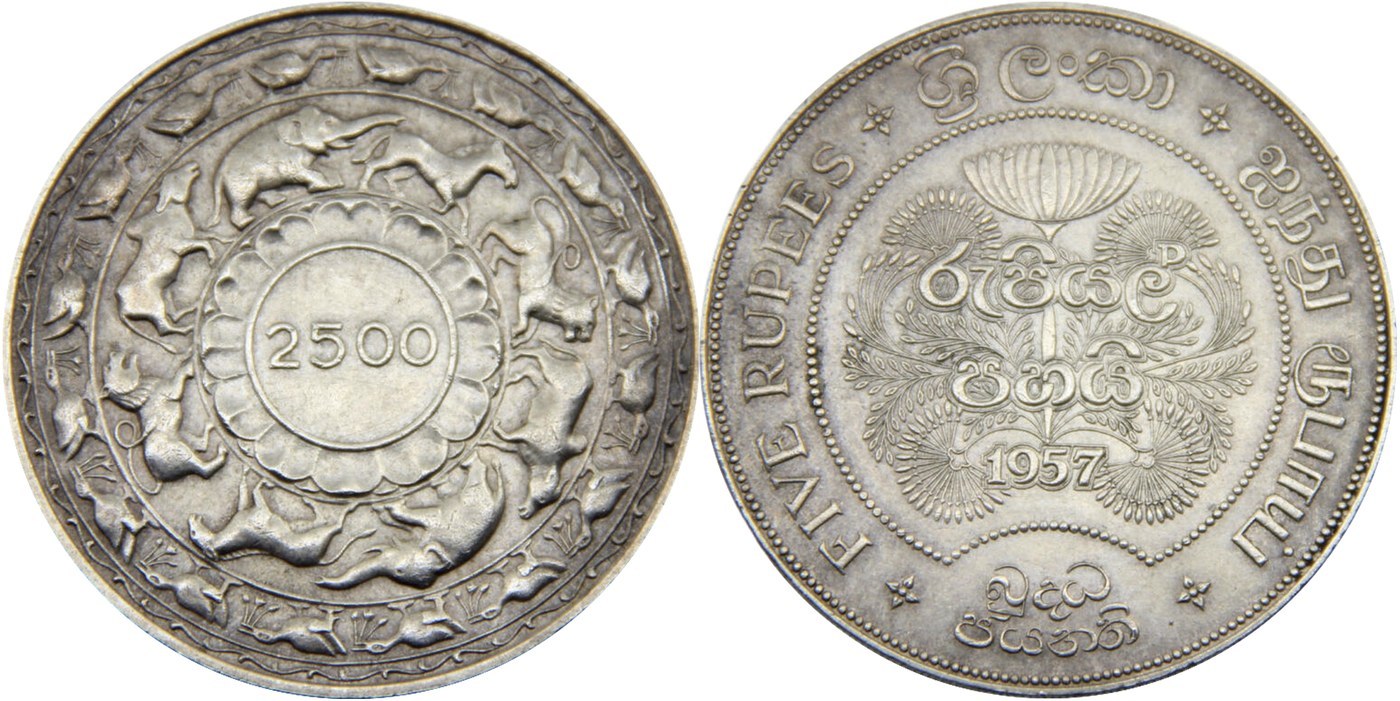
Ceylon's 1957 silver five rupees marking 2,500 years of Buddhism, with an ornate 2500 device amid mythological creatures and a scrolled RUPEES reverse.
- Country
- Ceylon
- Denomination
- 5 Rupees
- Metal
- Silver
Got a coin like this?
Identify any coin from a photo, free.
Overview
The Ceylon 5 Rupees Buddhism Anniversary is a large silver commemorative coin struck in 1957 to mark 2,500 years of Buddhism, the Buddha Jayanti observed across the Buddhist world that year. It is a crown-sized piece, the highest silver denomination Ceylon issued for the occasion, and was intended as a national keepsake of the anniversary rather than an everyday circulating coin.
The obverse centres on the numeral 2500 set within an elaborate circular design, flanked and framed by stylised mythological animals and ornamental scrollwork drawn from Ceylonese decorative art. The reverse carries the denomination in RUPEES lettering, again wrapped in ornate framing, together with the 1957 date. The heavy ornamental style and religious theme set the coin apart from Ceylon's plainer everyday coinage of the period.
As a one-year silver crown tied to a major Buddhist milestone, the five rupees is the flagship of Ceylon's 1957 commemorative issue and is the piece most collectors mean when they refer to the island's Buddha Jayanti coinage.
History & Background
In 1957 Buddhists across South and Southeast Asia celebrated the Buddha Jayanti, marking 2,500 years since the passing of the Buddha in the traditional Buddhist reckoning. The event was observed on a grand scale in Ceylon (present-day Sri Lanka), where Buddhism holds deep historical and cultural importance, and governments across the region issued stamps, medals and coins to commemorate the year.
Ceylon at the time was a newly independent Commonwealth realm, having gained independence in 1948, and the anniversary coincided with a period of rising national and cultural assertion on the island. The Government of Ceylon issued this silver five rupees as its principal numismatic tribute to the anniversary, choosing the prominent 2500 device to state the milestone directly rather than a portrait or heraldic design.
The coin belongs to a wider family of 1957 Buddha Jayanti commemoratives struck by several nations that year. Because it was a special anniversary issue rather than a workhorse denomination, it was produced for the commemoration and for collectors, and it remains a tangible memento of the 2,500-year Buddhist observance as marked by Ceylon.
How to Identify
The Ceylon 5 Rupees Buddhism Anniversary is a large silver crown-sized coin, considerably bigger and heavier than ordinary Ceylon circulation pieces of the era, with the bright grey tone of struck silver. Its size and weight alone distinguish it from the small copper-nickel and bronze coins Ceylon used for daily commerce.
The surest identifier is the obverse: the numeral 2500 set within an ornate circular composition surrounded by stylised mythological creatures and dense scrollwork. The reverse shows the denomination spelled out in RUPEES within matching ornamental framing, along with the 1957 date. There is no monarch's portrait; the design leans entirely on the anniversary number, the ornamental animals and the RUPEES legend.
To confirm an attribution, look for the combination of the large silver flan, the 2500 device amid mythological ornament on one face, and the RUPEES wording with the 1957 date on the other. This pairing is specific to the single-year Buddhism anniversary issue and is what separates it from other Ceylon rupee coins that carry different designs and dates.
Value & Collectibility
The Ceylon 5 Rupees Buddhism Anniversary is a collectable silver commemorative crown with steady demand among world-coin and Buddhist-theme collectors, and it generally trades above the value of its silver content. As a one-year issue with a distinctive design, it is more sought after than Ceylon's routine circulation coinage.
Condition is the main value driver. Many examples were kept as keepsakes and survive in higher grades, so lightly circulated to uncirculated pieces are the norm; sharp, lustrous or attractively toned coins command the strongest premiums, while cleaned, scratched or heavily handled pieces are worth less. Original mint packaging or documentation, where present, can add appeal.
Exact prices depend on grade and the current market, so the figures here are general context rather than fixed values. As with most modern silver commemoratives, eye appeal, surface originality and certified grade matter more than the face denomination in setting what a given example will bring.
Frequently asked questions
What does the Ceylon 5 Rupees Buddhism Anniversary commemorate?
It marks 2,500 years of Buddhism, the Buddha Jayanti observed in 1957. Ceylon issued this silver five rupees as its main coin for the anniversary, which is why the numeral 2500 dominates the obverse design.
What does the 2500 on the coin mean?
The 2500 refers to 2,500 years since the passing of the Buddha in the traditional Buddhist reckoning. The year 1957 was celebrated as the Buddha Jayanti across the Buddhist world, and the coin uses the number as its central device.
Is the coin made of silver?
Yes. The five rupees is a silver crown-sized commemorative, much larger and heavier than Ceylon's everyday copper-nickel and bronze coins, and it carries the bright grey tone of struck silver.
Was this coin meant for circulation?
It was primarily a commemorative and keepsake issue rather than a workhorse circulating coin. Many were saved at the time, which is why examples often survive in higher grades than ordinary circulation coinage.
Is the Ceylon 5 Rupees Buddhism Anniversary valuable?
It is a collectable silver commemorative that usually trades above its silver value. Ordinary preserved examples sit in a moderate range, while sharp, lustrous or certified high-grade pieces command higher prices. Condition is the main factor.
Ceylon 5 Rupees Buddhism Anniversary guides
In-depth guides for identifying, valuing, and collecting Ceylon 5 Rupees Buddhism Anniversary.
Other coins you may enjoy
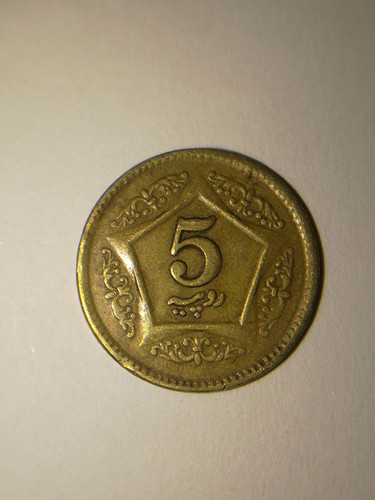
Pakistan 5 Rupees
20th century
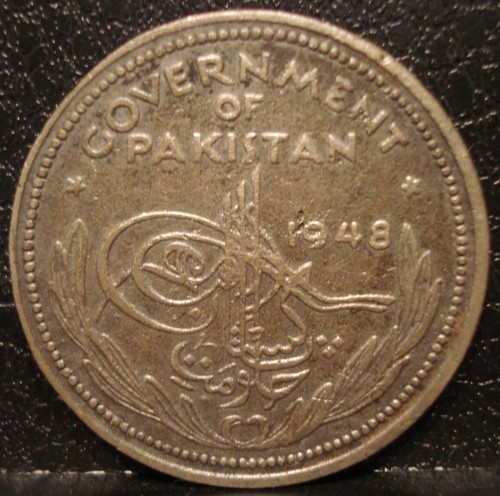
Pakistan One Rupee
1948
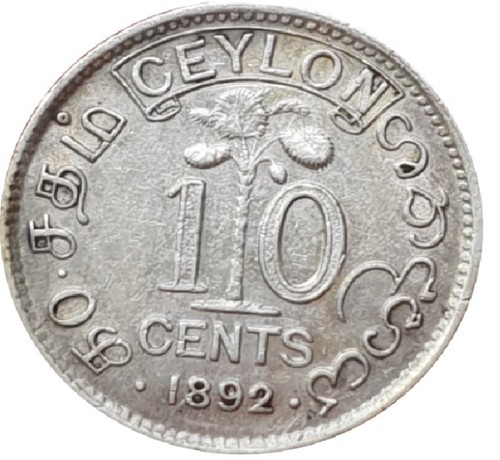
Ceylon 10 Cents (Cupronickel)
1944
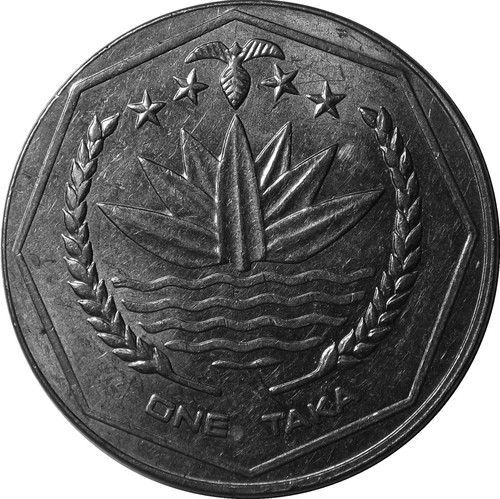
Bangladesh One Taka
Circulating type of the early 2000s; example dated 2002
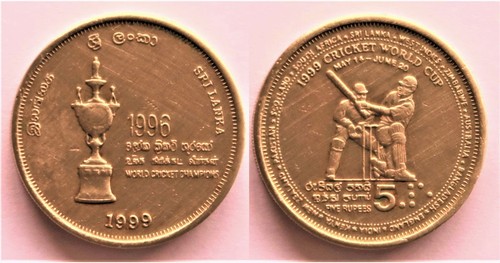
Sri Lanka 5 Rupees
Dated 1999, a commemorative Cricket World Cup issue
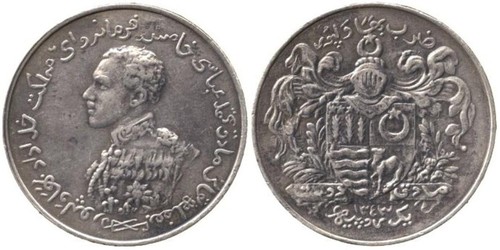
Bahawalpur Gold Coin
19th–20th century
Bangladesh 5 Taka
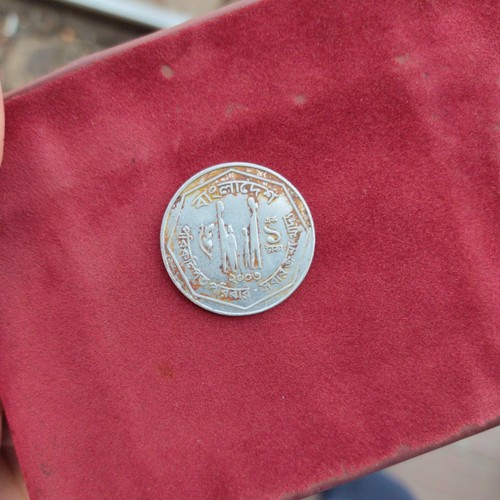
Modern circulation issue of the People's Republic of Bangladesh; the higher-value Taka coins were introduced from the 1990s onward, with the steel-based 5 Taka belonging to the later composition.