
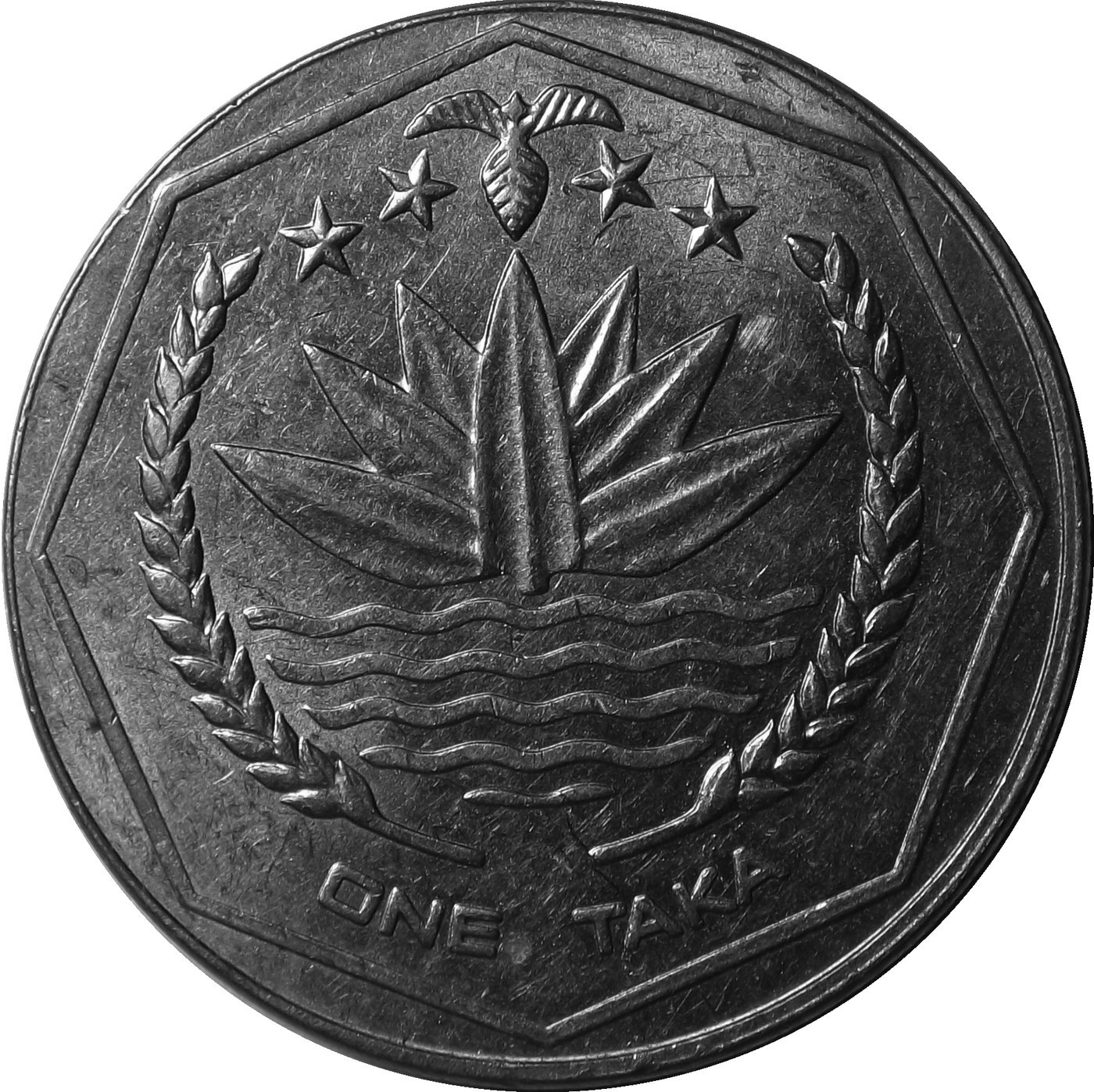
Bangladesh One Taka
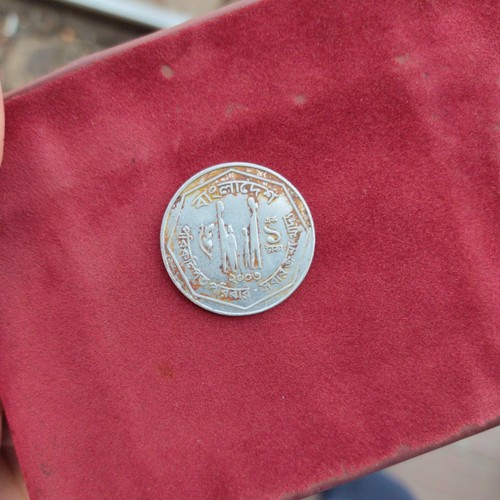
A small nickel-plated steel coin of Bangladesh worth one Taka, showing a jute plant with stars on the obverse and the numeral 1 with Bengali text and date on the reverse.
- Country
- Bangladesh
- Denomination
- 1 Taka
- Metal
- Nickel-plated steel
Got a coin like this?
Identify any coin from a photo, free.
Overview
The Bangladesh One Taka is a base-metal circulation coin of the People's Republic of Bangladesh, representing the country's principal small unit of currency. The example shown is struck in nickel-plated steel and dated 2002. The obverse carries a jute plant emblem flanked by stars, while the reverse shows a large numeral 1 accompanied by Bengali text and the year, the combination collectors use to recognise the type.
The Taka is the national currency of Bangladesh, divided into one hundred poisha, and the one-Taka piece sits at the everyday, low-value end of the coinage. The jute plant on the obverse is a deliberate national symbol: jute, long known as Bangladesh's "golden fibre," has been central to the country's economy and agriculture, making it a fitting motif for the base coin of the realm.
As a common, modern, non-precious coin, the One Taka is valued as an affordable and distinctly Bangladeshi collectible rather than for any bullion content. Its plain, functional design and small nickel-plated steel flan are typical of the practical circulating money issued for daily transactions.
History & Background
Bangladesh introduced its own currency, the Taka, in 1972 following independence, replacing the earlier rupee-based money that had circulated in the region. Over the following decades the government issued a series of Taka and poisha coins, with the one-Taka piece serving as the workhorse small denomination as lower poisha values gradually lost purchasing power.
The one-Taka coin appeared in several forms over the years, and the early-2000s type shown here, dated 2002, belongs to the nickel-plated steel issues made for ordinary circulation. Using plated steel rather than a solid nickel or cupro-nickel alloy was an economical choice common to many nations at the time, producing a durable, silvery coin at low cost.
The jute-plant design ties the coinage directly to Bangladesh's agricultural heritage. Jute cultivation and export were historically among the country's most important industries, and placing the plant on the base coin reflects the same practical, nationally rooted outlook seen across Bangladeshi circulation money of the period.
How to Identify
The One Taka is a small, silvery coin struck in nickel-plated steel, which gives it a pale grey tone and, because of the steel core, makes it attracted to a magnet, a useful quick test that separates it from solid cupro-nickel or brass coins.
The obverse is identified by a jute plant emblem with stars, the national motif that marks the piece as Bangladeshi. The reverse is the clearest identifier: a large numeral 1 for the value, together with Bengali text naming the denomination and the date, shown here as 2002. Reading the numeral and the Bengali legend confirms both the country and the denomination.
To attribute the coin, look for the combination of the jute-plant obverse, the bold numeral 1 reverse with Bengali script, the 2002 date and a small magnetic nickel-plated steel flan. Distinguishing it from other Bangladeshi denominations comes down to reading the stated value and comparing the diameter, since the various coins share a broadly similar national styling.
Value & Collectibility
The Bangladesh One Taka is a common modern circulation coin with no precious-metal content, so it is inexpensive and collected as an affordable example of Bangladeshi coinage rather than for bullion. Circulated pieces are the most frequently seen and trade for very small sums on the world-coin market.
Condition is the main factor separating one example from another. Nickel-plated steel can show wear or spotting where the plating breaks down, so coins that survive with clean, bright surfaces and sharp jute-plant and numeral detail are more desirable than worn or corroded pieces and can carry a modest premium.
Exact prices depend on grade, eye appeal and demand, so any figures are general context rather than fixed values. As with most minor modern coins, uncirculated quality and attractive, unspotted surfaces count for far more than the small face value.
Frequently asked questions
What country issued the One Taka coin?
It was issued for the People's Republic of Bangladesh as part of its Taka circulation coinage. The example shown is dated 2002.
What is shown on the coin?
The obverse shows a jute plant emblem with stars, a national symbol of Bangladesh, and the reverse shows a large numeral 1 with Bengali text naming the denomination and the date.
What metal is the One Taka made of?
This piece is struck in nickel-plated steel, giving it a silvery colour. Because of the steel core it is magnetic, and it contains no precious metal, so its value is as a collectible.
How much is one Taka worth?
The Taka is Bangladesh's main currency unit, divided into one hundred poisha, and the one-Taka coin is a low-value, everyday denomination used for small transactions rather than a high-value piece.
Is the Bangladesh One Taka rare or valuable?
It is a common modern circulation coin and is inexpensive. Ordinary worn examples trade for very little, while bright, uncirculated pieces with clear detail can bring a small premium among collectors.
Bangladesh One Taka guides
In-depth guides for identifying, valuing, and collecting Bangladesh One Taka.
Other coins you may enjoy
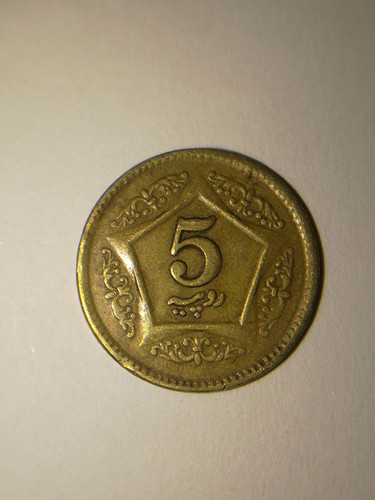
Pakistan 5 Rupees
20th century
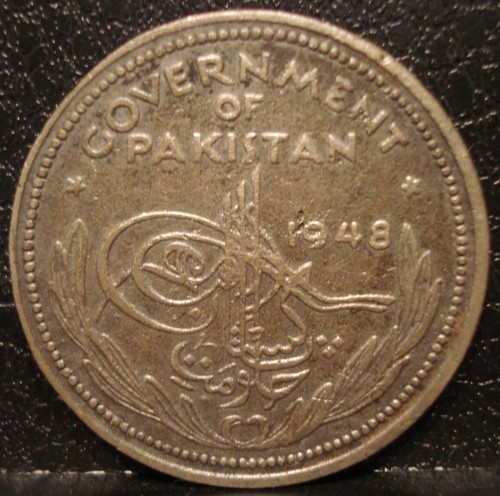
Pakistan One Rupee
1948
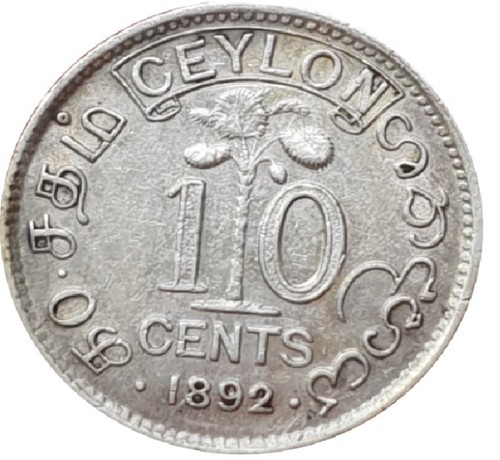
Ceylon 10 Cents (Cupronickel)
1944
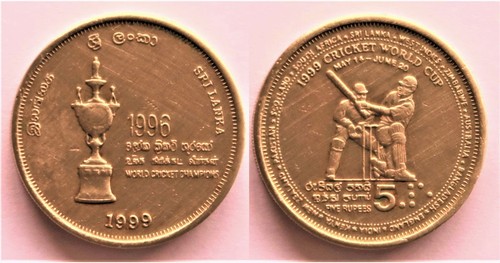
Sri Lanka 5 Rupees
Dated 1999, a commemorative Cricket World Cup issue
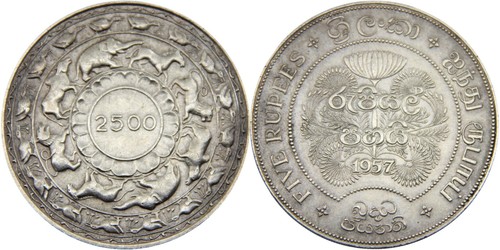
Ceylon 5 Rupees Buddhism Anniversary
Dated 1957, a single-year commemorative issue
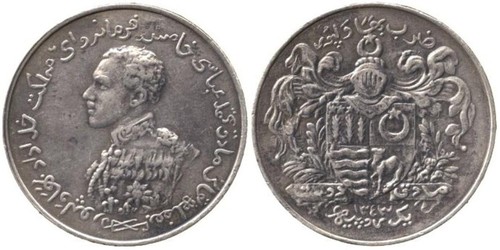
Bahawalpur Gold Coin
19th–20th century
Bangladesh 5 Taka
Modern circulation issue of the People's Republic of Bangladesh; the higher-value Taka coins were introduced from the 1990s onward, with the steel-based 5 Taka belonging to the later composition.