
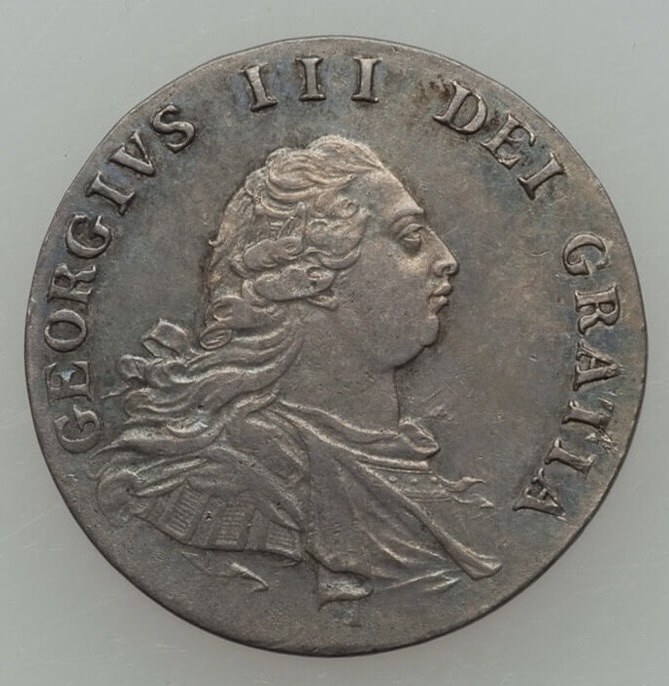
British Groat
A small George III silver fourpence of 1792, the British groat: laureate king's profile obverse, crowned shield and value reverse.
- Country
- United Kingdom
- Denomination
- 4 Pence
- Metal
- Silver
Got a coin like this?
Identify any coin from a photo, free.
Overview
The British groat is the traditional name for the fourpence, a small silver coin worth four pence sterling. This example dates to 1792 and carries the profile of George III, laurel-wreathed and facing right, on the obverse, with a crowned shield bearing the denomination on the reverse.
At roughly the size of a modern penny in diameter, the groat is one of the smallest denominations in George III's silver series. Fourpences of this era were struck in limited numbers and circulated alongside the tiny silver pennies, twopences and threepences that made up Britain's small change before copper and later cupronickel took over those roles.
History & Background
The groat has deep roots in English coinage, first appearing in the 14th century as a substantial silver piece. By the reign of George III (1760–1820) it had shrunk to a diminutive fourpence, struck in small quantities as part of the crown's silver small-coin issues rather than as a mainstay of everyday commerce.
The 1792 dated pieces belong to a distinctive George III small-silver issue whose thin, delicate numerals earned collectors' nickname "wire money." These coins served in part for royal Maundy distributions and in part as circulating small change during a period when good silver was scarce.
The fourpence would later be revived as a dedicated circulating coin—the so-called Britannia groat—in the reign of William IV and Victoria, but the George III pieces such as this 1792 example predate that reform and reflect the older, hand-era character of British silver.
How to Identify
Look first at the obverse: a right-facing bust of George III wearing a laurel wreath, surrounded by a Latin legend naming the king. The reverse shows a crowned shield with the value, identifying the coin as a fourpence.
The date 1792 should be visible on or near the reverse. The coin is silver, small, and thin—noticeably lighter and narrower than a sixpence or shilling of the same reign. Genuine pieces have crisp, finely engraved detail despite their small size.
Because the groat, the threepence and the tiny twopence and penny of this era all share a similar layout, the denomination must be confirmed by the shield/value on the reverse rather than by portrait alone.
Value & Collectibility
As a small George III silver coin more than two centuries old, the 1792 groat carries collector value well above its four-pence face. Condition is the main driver: well-worn examples are modest, while sharply struck, lightly circulated or proof-like pieces command substantially more.
Because these fourpences were struck in limited numbers and are sought by collectors of both circulating groats and Maundy-related silver, prices can range from affordable for a worn coin to a significant premium for high grade. Always weigh a specific coin against recent auction and dealer results for its exact grade rather than relying on face value.
Authenticity, original surfaces and absence of damage (bending, holing, harsh cleaning) matter greatly to value in a coin this small and thin.
Frequently asked questions
What is a British groat worth in modern money?
A groat was fourpence—four old pennies. As a coin, though, an antique 1792 George III silver groat is worth far more to collectors than its face value, with the exact figure depending on grade and eye appeal.
Is the 1792 groat made of real silver?
Yes. George III fourpences of this period were struck in sterling-standard silver, though the coin is very small and thin, so it contains only a modest amount of metal.
Why is a fourpence called a groat?
"Groat" is the old English name for a four-penny silver coin, in use for centuries before George III. The terms groat and fourpence refer to the same denomination.
How big is the George III groat?
It is a small, thin silver coin—smaller in diameter than a sixpence and much lighter than a shilling—roughly comparable to a modern small coin. Confirm the denomination by the reverse design rather than size alone.
British Groat guides
In-depth guides for identifying, valuing, and collecting British Groat.
Other coins you may enjoy
5 Francs (First Republic)
L'an 9 (1800–1801)
Trinidad and Tobago Dollar
2015
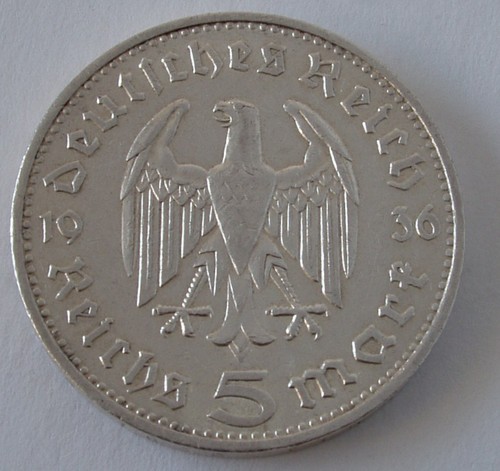
German 5 Reichsmark (Hindenburg)
1935–1936 (Hindenburg type with swastika)
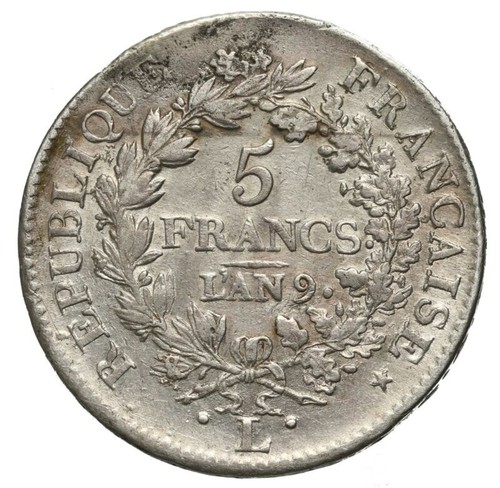
5 Francs Semeuse
1960–1969
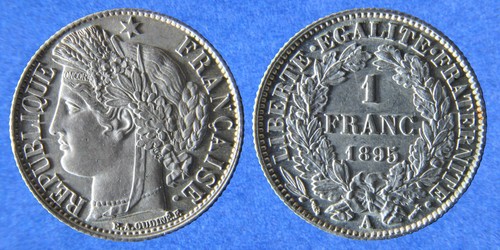
French Cérès 1 Franc
1849–1895
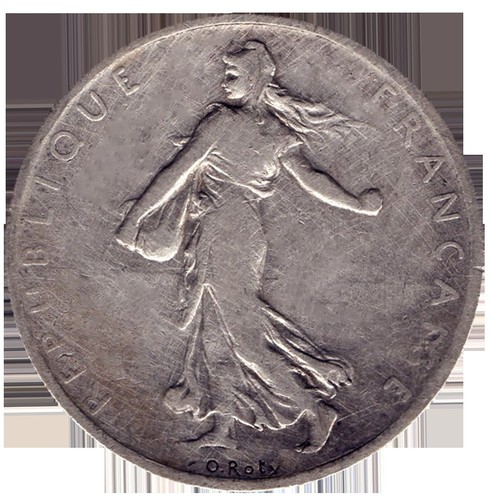
French Semeuse 2 Francs
1898–1920 (silver issues; pictured example dated 1899)
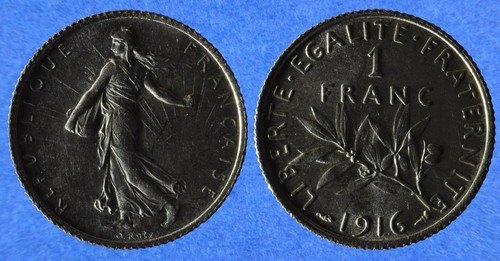
French Semeuse 1 Franc
1898–1920 (silver Semeuse 1 franc type)
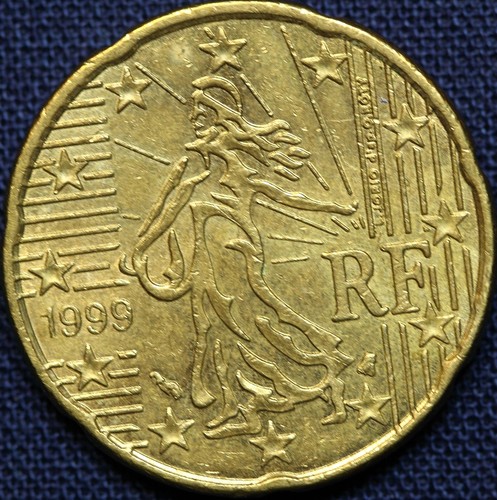
France 50 Cent Euro
1999–present
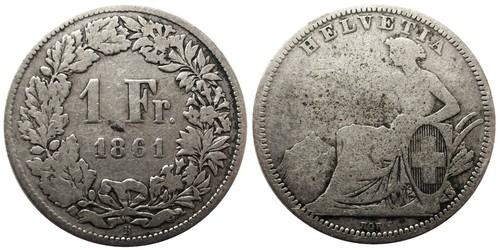
Swiss 1 Franc
1861
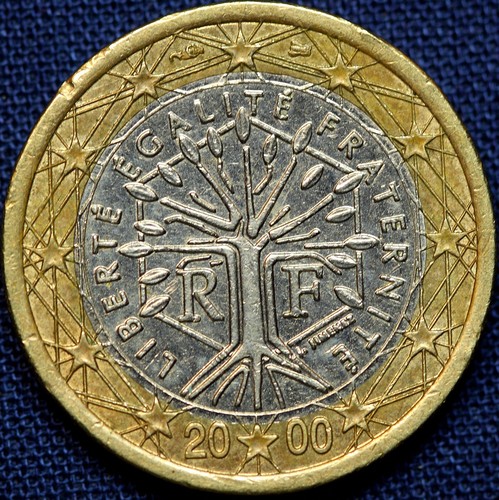
France 20 Centimes
1962–2001 (Fifth Republic, Marianne / Lagriffoul type)
Swiss 2 Francs
1860
Austria-Hungary 15 Kreuzer
1807