
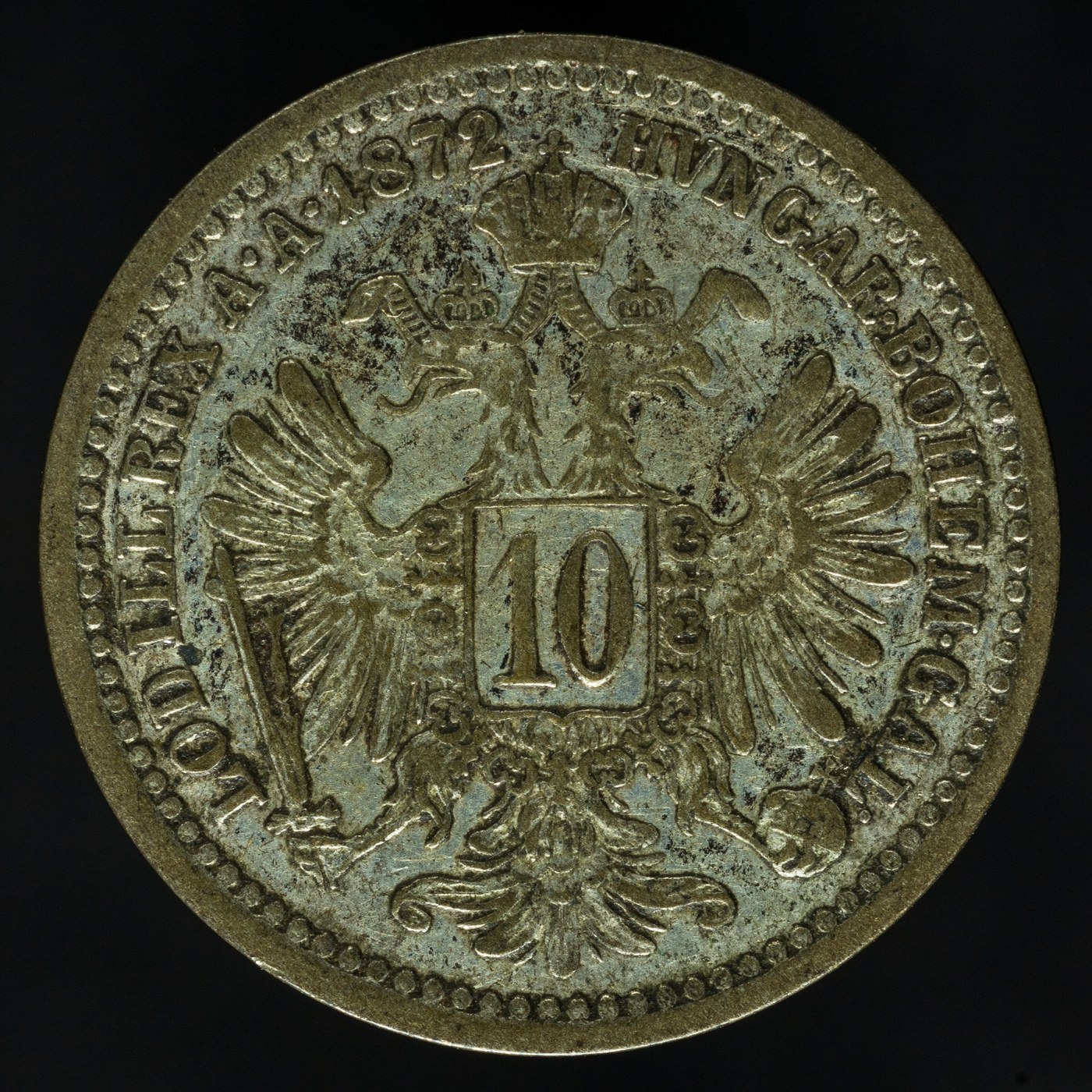
Austria-Hungary 10 Kreuzer
A small low-grade silver 10 Kreuzer of Emperor Franz Joseph I, pairing his laureate portrait with a crowned double-headed imperial eagle and a 10 value shield.
- Country
- Austria-Hungary
- Denomination
- 10 Kreuzer
- Metal
- Silver
Got a coin like this?
Identify any coin from a photo, free.
Overview
The Austria-Hungary 10 Kreuzer is a small silver coin of the Austro-Hungarian monarchy struck under Emperor Franz Joseph I. The example shown is dated 1872 and pairs a laureate portrait of the emperor on one side with a crowned double-headed imperial eagle bearing a "10" value shield on the other.
The Kreuzer was the minor unit of the Austrian currency system, with 100 Kreuzer making up one Gulden (Florin). At ten Kreuzer, this piece was a modest everyday small-change denomination, larger than the copper 1 and 4 Kreuzer but well below the silver Gulden and the big silver crowns.
As a low-fineness silver coin of the late 19th century, it is collected today as an affordable and widely available type of the Franz Joseph era rather than as a scarce rarity, valued for its imperial design and its place in the Austro-Hungarian coinage.
History & Background
Franz Joseph I ruled the Habsburg lands from 1848 to 1916, one of the longest reigns in European history. In 1867 the Austrian Empire was reorganised into the dual monarchy of Austria-Hungary through the Compromise (Ausgleich), and coinage of the following years reflects his combined titles across the realm.
The reverse legend, running HVNGAR(iae) BOHEM(iae) GAL(iciae) LOD(omeriae) ILL(yriae) REX, A(rchidux) A(ustriae), styles him King of Hungary, Bohemia, Galicia, Lodomeria and Illyria and Archduke of Austria, while the portrait legend FRANC(iscus) IOS(ephus) I, D(ei) G(ratia) AVSTRIAE IMPERATOR names him Emperor of Austria by the Grace of God. This 10 Kreuzer belongs to the Austrian (Cisleithanian) small-silver series of the late 1860s and early 1870s.
These small silver Kreuzer coins circulated heavily across the empire's provinces and were struck in large numbers over several years. The 1872 date shown falls near the end of the Gulden-and-Kreuzer system, which was later replaced when Austria-Hungary adopted the Krone currency in the 1890s.
How to Identify
Portrait side: a laureate (wreathed) head of Franz Joseph I facing right, encircled by the Latin legend FRANC · IOS · I · D · G · AVSTRIAE IMPERATOR. The laurel wreath and right-facing bust are characteristic of the emperor's small-coin portraits of this period.
Eagle side: a crowned double-headed imperial eagle with spread wings, its breast bearing a shield with the large numeral "10" for the denomination. The imperial crown sits above, and the surrounding legend gives the emperor's royal titles together with the date, here 1872. Small letters can appear flanking the shield on issues of this type.
Physical clues: a small, thin, low-grade silver coin, dark or grey-toned when worn because of its modest silver content. The pairing of a laureate imperial portrait with a crowned two-headed eagle and a numeral 10 value shield is the key combination that identifies the denomination and separates it from the copper Kreuzer and the larger silver Gulden.
Value & Collectibility
The Austria-Hungary 10 Kreuzer is a common and affordable type. Circulated examples like the one shown, with honest wear and typical toning, trade as inexpensive collectible coins, and the low silver fineness means bullion value is minor.
Price depends mainly on date, condition and eye appeal. Well-worn pieces are modest, while sharply struck, lightly circulated, or uncirculated examples command a clear premium, and scarcer dates or die varieties within the series can be worth more than common ones.
Exact figures vary with the specific year, grade and the numismatic market, so treat any single price as approximate. Compare recent sales of similar-grade Franz Joseph 10 Kreuzer coins, and seek expert or third-party grading for higher-end examples.
Frequently asked questions
Who is on the Austria-Hungary 10 Kreuzer?
The portrait side shows Emperor Franz Joseph I with a laurel wreath, facing right, named in the legend FRANC IOS I D G AVSTRIAE IMPERATOR (Francis Joseph I, by the Grace of God, Emperor of Austria).
What does the double-headed eagle mean?
It is the Habsburg imperial eagle. On this coin the crowned two-headed eagle carries a shield with the value 10, marking the denomination, and is surrounded by the emperor's royal titles and the date.
What is a Kreuzer worth?
The Kreuzer was the minor unit of Austrian money, with 100 Kreuzer to one Gulden (Florin). Ten Kreuzer was a small everyday sum, one tenth of a Gulden.
Is it made of real silver?
Yes, but of low fineness. These small Kreuzer coins were struck in a modest silver alloy, so they are thin and light and hold only a little silver by weight.
Is the 1872 10 Kreuzer rare?
No. It is a common, widely available circulation type of the Franz Joseph era. Value is driven mainly by condition, with higher grades scarcer and worth more.
Austria-Hungary 10 Kreuzer guides
In-depth guides for identifying, valuing, and collecting Austria-Hungary 10 Kreuzer.
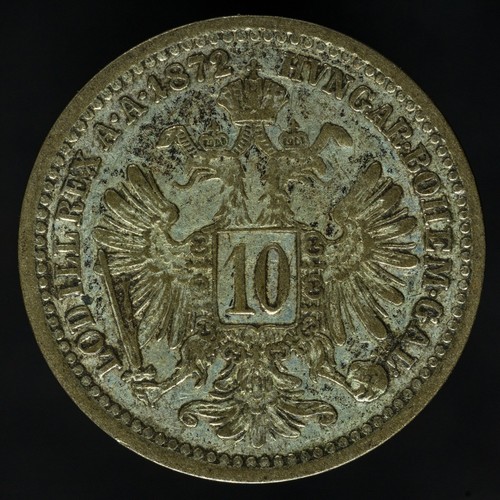
Austria-Hungary 10 Kreuzer identified by the community
Real coins identified with Coin Identifier.
Other coins you may enjoy
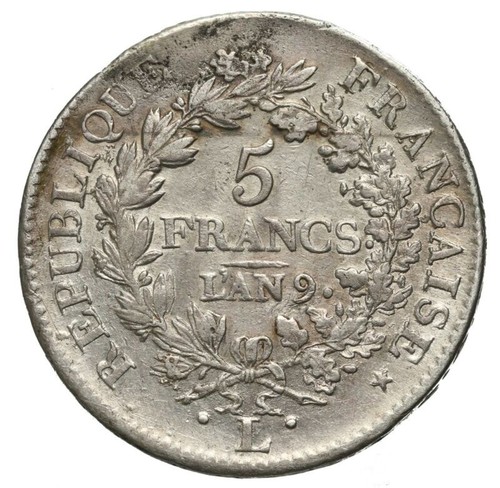
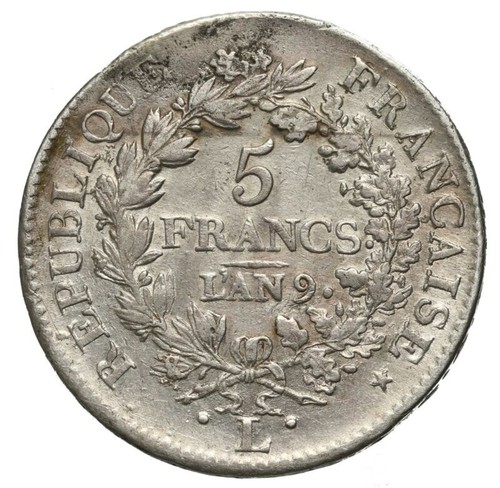
5 Francs (First Republic)
L'an 9 (1800–1801)
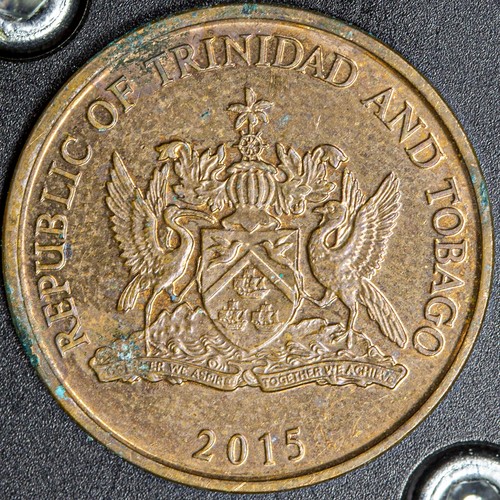
Trinidad and Tobago Dollar
2015
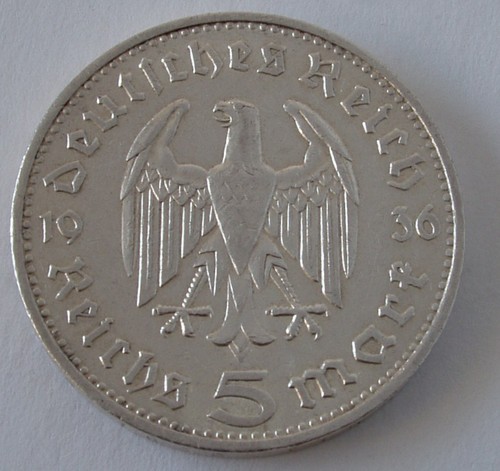
German 5 Reichsmark (Hindenburg)
1935–1936 (Hindenburg type with swastika)
5 Francs Semeuse
1960–1969
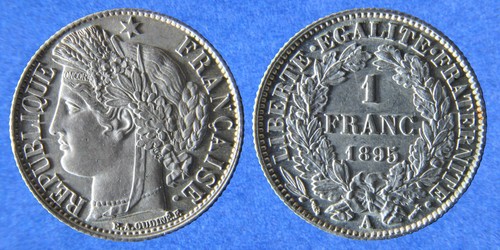
French Cérès 1 Franc
1849–1895
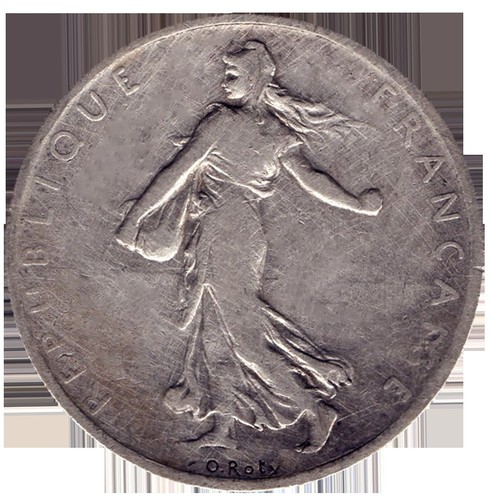
French Semeuse 2 Francs
1898–1920 (silver issues; pictured example dated 1899)
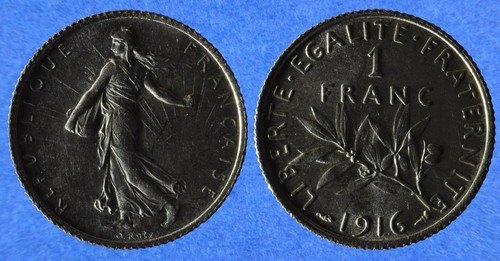
French Semeuse 1 Franc
1898–1920 (silver Semeuse 1 franc type)
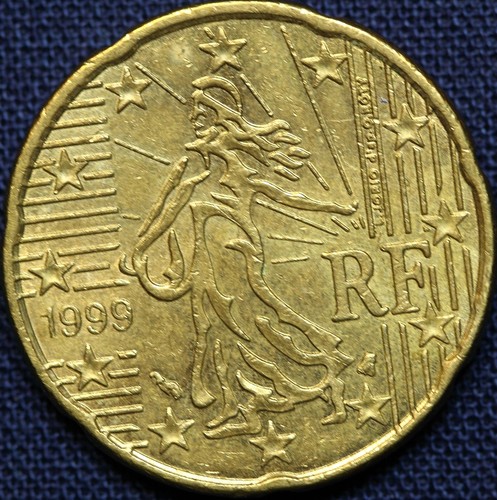
France 50 Cent Euro
1999–present
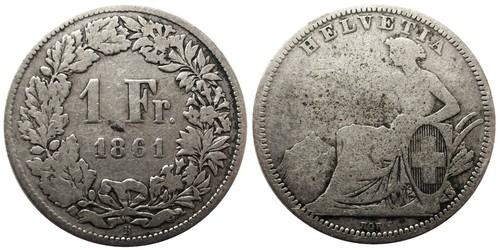
Swiss 1 Franc
1861
France 20 Centimes
1962–2001 (Fifth Republic, Marianne / Lagriffoul type)
Swiss 2 Francs
1860
Austria-Hungary 15 Kreuzer
1807