
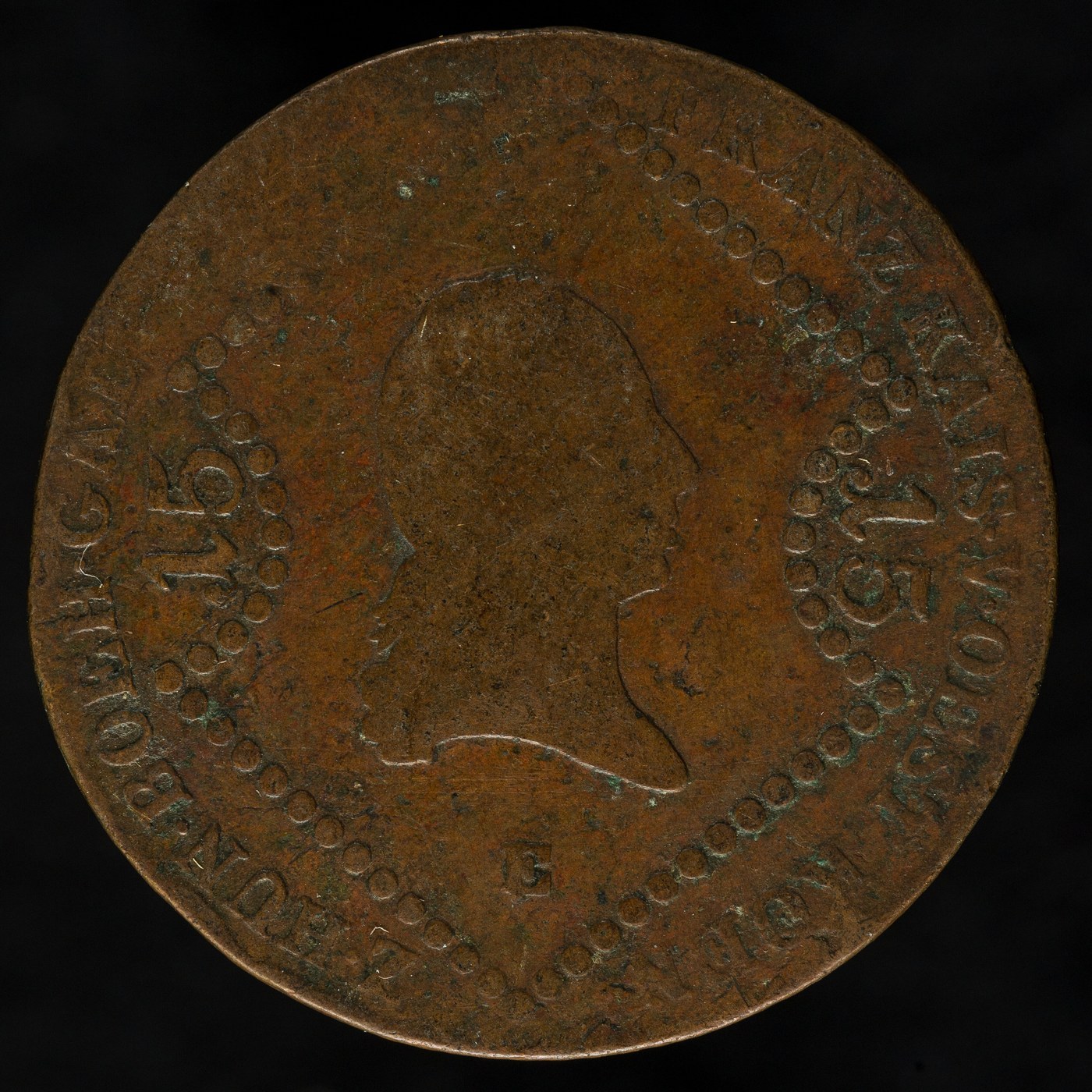
Austria-Hungary 15 Kreuzer
A large copper 15 Kreuzer of 1807 struck under Emperor Franz I, showing his crowned laureate profile on the obverse.
- Country
- Austria-Hungary
- Denomination
- 15 Kreuzer
- Metal
- Copper
Got a coin like this?
Identify any coin from a photo, free.
Overview
The Austria-Hungary 15 Kreuzer shown here is a large copper coin dated 1807 and struck under Emperor Franz I (Franz I of Austria, formerly Franz II of the Holy Roman Empire). The obverse carries his profile portrait with a crown above and a surrounding Latin legend of names and titles.
The 15 Kreuzer belonged to the emergency copper coinage the Austrian monarchy issued during the Napoleonic wars, when silver was scarce and the state turned to large-module copper pieces to keep small change in circulation. The reverse of this type — not visible in the photographed view — normally displays the value 15 with the denomination and date, framed by heraldic or ornamental devices.
History & Background
In 1804 Franz declared the Austrian Empire and took the style Emperor Franz I; two years later, in 1806, the Holy Roman Empire was dissolved. His reign spanned the upheaval of the Napoleonic wars, and the strain of financing those conflicts drove severe monetary pressure across the Habsburg lands.
With precious metal in short supply, the government issued a large copper coinage in 1807, including this 15 Kreuzer alongside related denominations such as the 30 and 3 Kreuzer. These pieces were part of the paper-and-copper monetary system that preceded the formal Wiener Wahrung currency reform of 1811, a devaluation that reset Austria's finances after years of wartime inflation.
Although the label Austria-Hungary points to the later dual monarchy formalized in 1867, Franz I ruled as King of Hungary as well as Emperor of Austria, and coinage of his reign circulated across the Habsburg realms including the Hungarian lands. Dated 1807 pieces are collected today as tangible relics of that turbulent Napoleonic-era coinage.
How to Identify
Obverse: a profile bust of Franz I with a crown positioned above the head, encircled by a Latin legend abbreviating his name and titles. The crowned portrait is the primary visual cue on the side shown in the photograph.
Reverse (not visible in this view): issues of this type typically show the denomination 15 with the value spelled or abbreviated, the date 1807, and heraldic or decorative framing; a mint letter may also appear, indicating where the coin was struck.
Physical clues: the piece is copper and struck as a comparatively large, heavy coin, reflecting its emergency wartime role. Confirm the type by reading the ruler's name in the legend, matching the 1807 date, and noting the crowned profile together — the combination, rather than any single feature, secures the attribution. Legends are Latin and abbreviated in the period style.
Value & Collectibility
As a base-metal copper coin, the 15 Kreuzer carries little intrinsic bullion value, so its worth rests on condition, mint, and eye appeal. Well-worn examples are common and modestly priced, while pieces with sharp portraits, full legends, and original surfaces command more from collectors of Napoleonic-era Austrian coinage.
Exact prices vary widely with grade and variety, so treat any single figure with caution. Compare recent sales of closely matching 1807 15 Kreuzer coins, and note that mint letters and die varieties can affect desirability. Because condition drives so much of the value, an accurate grade matters more than metal content here.
Frequently asked questions
What is the Austria-Hungary 15 Kreuzer?
It is a large copper coin of the Austrian monarchy, valued at 15 Kreuzer. The example shown is dated 1807 and bears the crowned profile portrait of Emperor Franz I.
Who is on the coin?
The obverse shows Emperor Franz I, with a crown set above his profile portrait and his name and titles abbreviated in a surrounding Latin legend.
Why is an 1807 coin labeled Austria-Hungary?
The dual monarchy of Austria-Hungary was formalized in 1867, but Franz I ruled as both Emperor of Austria and King of Hungary, and his coinage circulated across the Habsburg lands including Hungary.
Why is the coin made of copper?
It belongs to the emergency copper coinage issued during the Napoleonic wars, when silver was scarce. Large copper pieces kept small change circulating ahead of the 1811 currency reform.
Is it valuable?
As a copper coin its value comes mainly from condition rather than metal. Common worn examples are inexpensive, while sharp, well-preserved pieces are more sought after by collectors.
Austria-Hungary 15 Kreuzer guides
In-depth guides for identifying, valuing, and collecting Austria-Hungary 15 Kreuzer.
Other coins you may enjoy
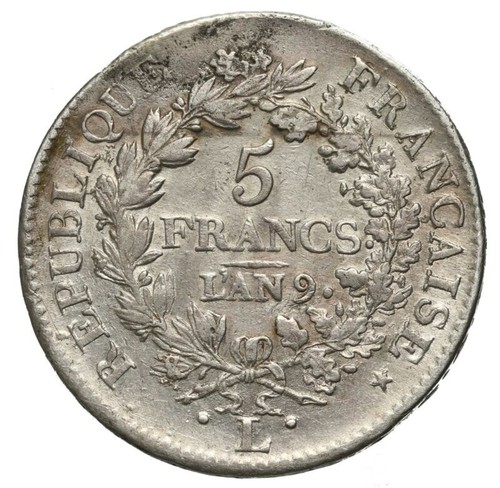
5 Francs (First Republic)
L'an 9 (1800–1801)
Trinidad and Tobago Dollar
2015
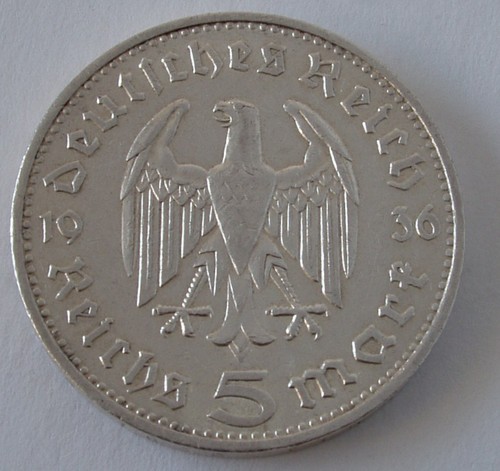
German 5 Reichsmark (Hindenburg)
1935–1936 (Hindenburg type with swastika)
5 Francs Semeuse
1960–1969
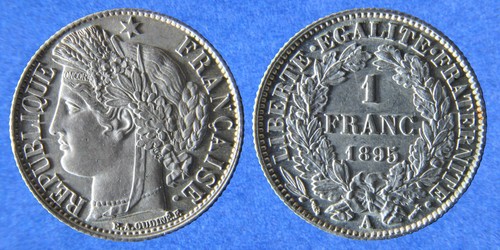
French Cérès 1 Franc
1849–1895
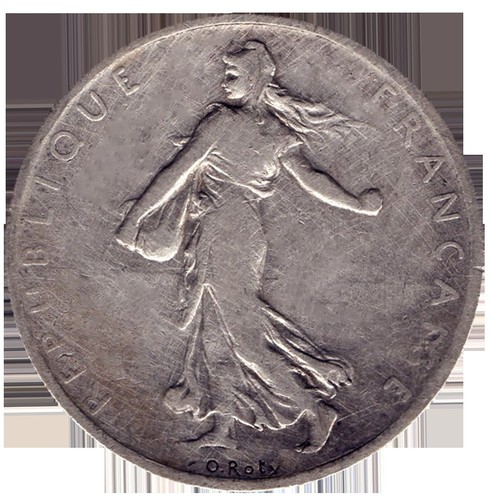
French Semeuse 2 Francs
1898–1920 (silver issues; pictured example dated 1899)
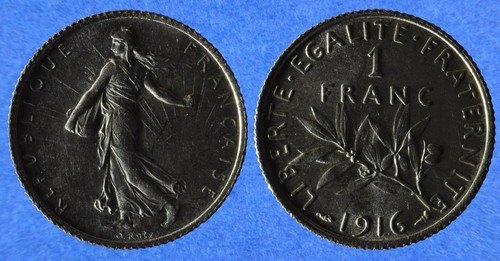
French Semeuse 1 Franc
1898–1920 (silver Semeuse 1 franc type)
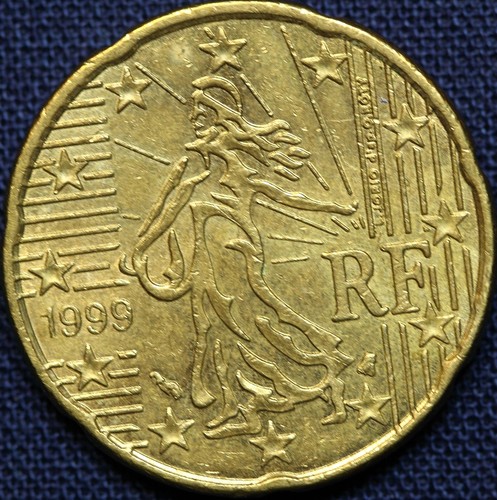
France 50 Cent Euro
1999–present
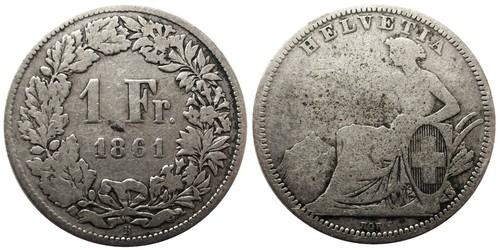
Swiss 1 Franc
1861
France 20 Centimes
1962–2001 (Fifth Republic, Marianne / Lagriffoul type)
Swiss 2 Francs
1860
Austria-Hungary 10 Kreuzer
1872 (issue shown)