
Sovereign of William IV
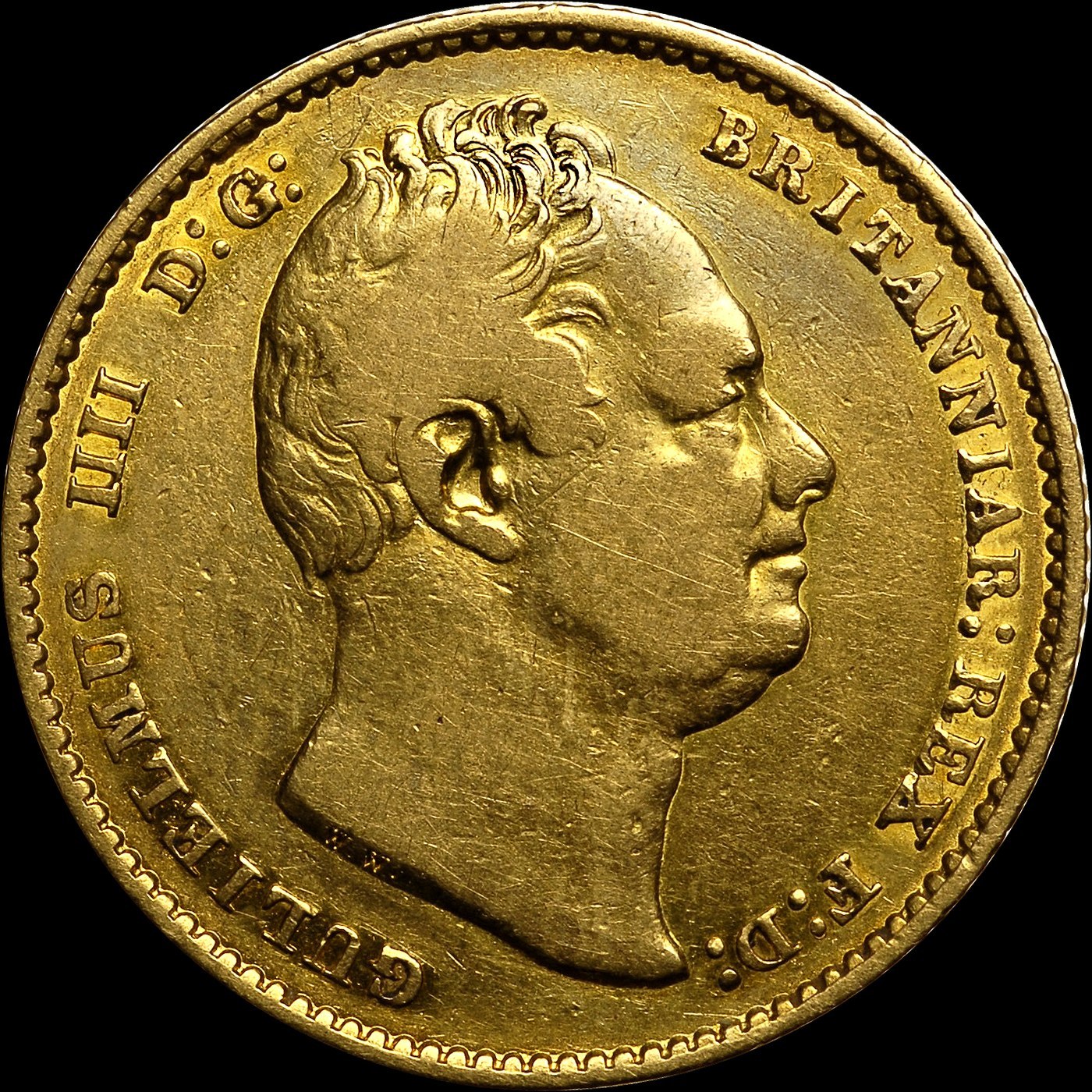
A 22-carat gold sovereign of William IV, with the king's bare head facing right and a crowned royal shield of arms on the reverse.
- Country
- Great Britain
- Denomination
- Sovereign
- Metal
- Gold
Got a coin like this?
Identify any coin from a photo, free.
Overview
The Sovereign of William IV is a milled 22-carat gold coin struck during the short reign of King William IV of Great Britain (1830–1837). Valued at one pound sterling, it continued the modern gold sovereign that had been reintroduced under George III in 1817, and it carried the machine-struck precision and standard specifications that made the sovereign a trusted trade coin.
The photographed type shows William IV in a bare-headed profile facing right, surrounded by a Latin legend naming him as king, with the reverse presenting a crowned royal shield of arms within ornamental detail. The example seen here is dated 1832, one of the years in which these sovereigns were produced.
Because William IV reigned for only about seven years, sovereigns of his type were struck across a comparatively brief span, which makes them scarcer as a group than the long series of Victorian sovereigns that followed. They are a sought-after link between the Georgian and Victorian gold coinage.
History & Background
William IV came to the throne in 1830 on the death of his brother George IV, and his coinage was produced at the Royal Mint in London. The gold sovereign he inherited was already established as the principal one-pound gold coin of the realm, and it was continued under his own portrait and titles from 1831 until the end of his reign.
The obverse portrait of the king was engraved by William Wyon, one of the most accomplished mint engravers of the era, showing the monarch bare-headed rather than crowned or laureate. The reverse retained a heraldic design centred on the crowned royal shield of arms, in the style of the ornamental shield reverses used on British gold of the period.
William IV died in 1837 and was succeeded by his niece Queen Victoria, whose long reign produced sovereigns in far greater numbers. The William IV sovereign therefore represents a brief, transitional chapter, closing out the pre-Victorian gold coinage of Great Britain.
How to Identify
The obverse shows William IV in a bare-headed profile facing right, encircled by a Latin legend giving his royal titles. On the photographed coin the legend includes the abbreviated wording seen as D:G BRITT ANN REX, part of the standard style naming him by the grace of God king of the Britains. The bare (uncrowned, unlaureate) head is a key identifier separating this portrait from the laureate busts used on some earlier and later monarchs' coins.
The reverse carries a crowned royal shield of arms set within ornamental surrounds, quartering the arms borne by the British crown. This heraldic shield reverse, rather than the mounted St George and dragon design used on many other sovereigns, is characteristic of the William IV type. A date appears on the coin — 1832 on the example shown.
The coin is a small, machine-struck gold piece with a milled (reeded) edge, uniform lettering, and the crisp, regular relief typical of milled coinage rather than the irregular flan of older hammered money. Its size and weight match the standard sovereign specification, and the warm colour reflects the 22-carat (roughly 0.917 fine) gold alloy used for sovereigns.
Value & Collectibility
The William IV sovereign is a genuine 22-carat gold coin, so every honest example carries a base value tied to its gold content, and its collector value normally sits well above that bullion floor. Because the type was struck only across the few years of William IV's reign, surviving sovereigns are scarcer than common Victorian issues, and demand from collectors of British gold keeps them desirable.
Condition drives price sharply. Worn but genuine coins trade as scarce dated gold, while sharply struck, lightly circulated, or higher-grade examples can command substantially more at specialist auction. Particular dates, die varieties, and exceptional preservation add further premiums, so two coins of the same type can differ greatly in value.
Anyone valuing a specific coin should compare it against recent auction records for the matching date and grade, and treat any single figure as context rather than a fixed price. Mounted, polished, damaged, or worn-smooth pieces are worth considerably less than sound original examples, and gold coins of this value are frequently faked, so authentication matters to value.
Frequently asked questions
What was a William IV sovereign worth when it was in use?
It was worth one pound sterling. The sovereign was the standard one-pound gold coin, used in trade and larger transactions rather than everyday small change.
Is the William IV sovereign made of real gold?
Yes. Like other sovereigns of the era it was struck in 22-carat gold, an alloy of about 0.917 fineness, giving it both intrinsic bullion value and its warm gold colour.
Why are William IV sovereigns scarcer than Victorian ones?
William IV reigned only from 1830 to 1837, so his sovereigns were produced across a short span. Victoria's much longer reign produced far more sovereigns, making the William IV type comparatively scarce.
Why does this sovereign have a shield instead of St George and the dragon?
William IV sovereigns use a crowned royal shield of arms reverse. The famous St George and dragon design appears on many other sovereigns but not on this heraldic-shield type.
What does the obverse inscription mean?
The Latin legend names William IV as king by the grace of God. The abbreviated wording seen on the coin is part of the standard royal titles used on British coinage of the period.
Sovereign of William IV guides
In-depth guides for identifying, valuing, and collecting Sovereign of William IV.
Other coins you may enjoy
Spade Guinea
1760-1820
Two Guineas of George II
1738–1753
Shilling of Victoria
1838-1901
Sovereign of George IV
1821-1830
Penny of William IV
1831-1837
Shilling of George III
1816-1820
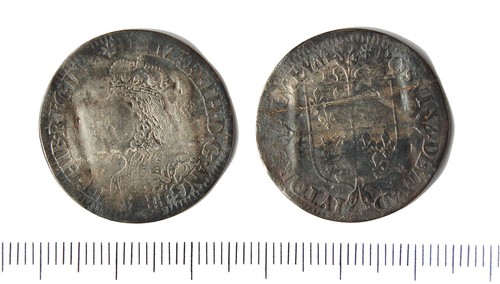
Milled Sixpence of Elizabeth I
1561-1571
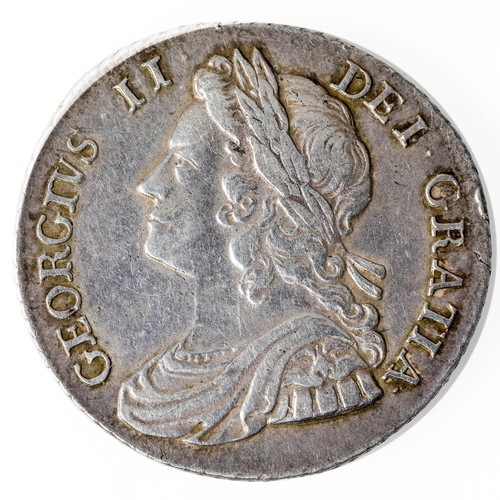
Shilling of George II
1727-1758
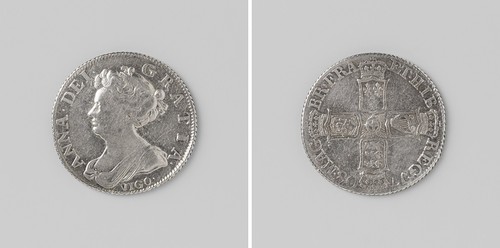
Shilling of Anne
1702-1714
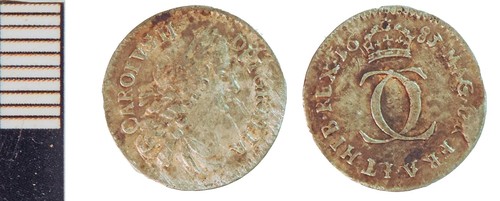
Charles II Twopence
1660-1685
Charles II Half Crown
1660–1685
Irish Halfpenny of Charles II
1680–1684