
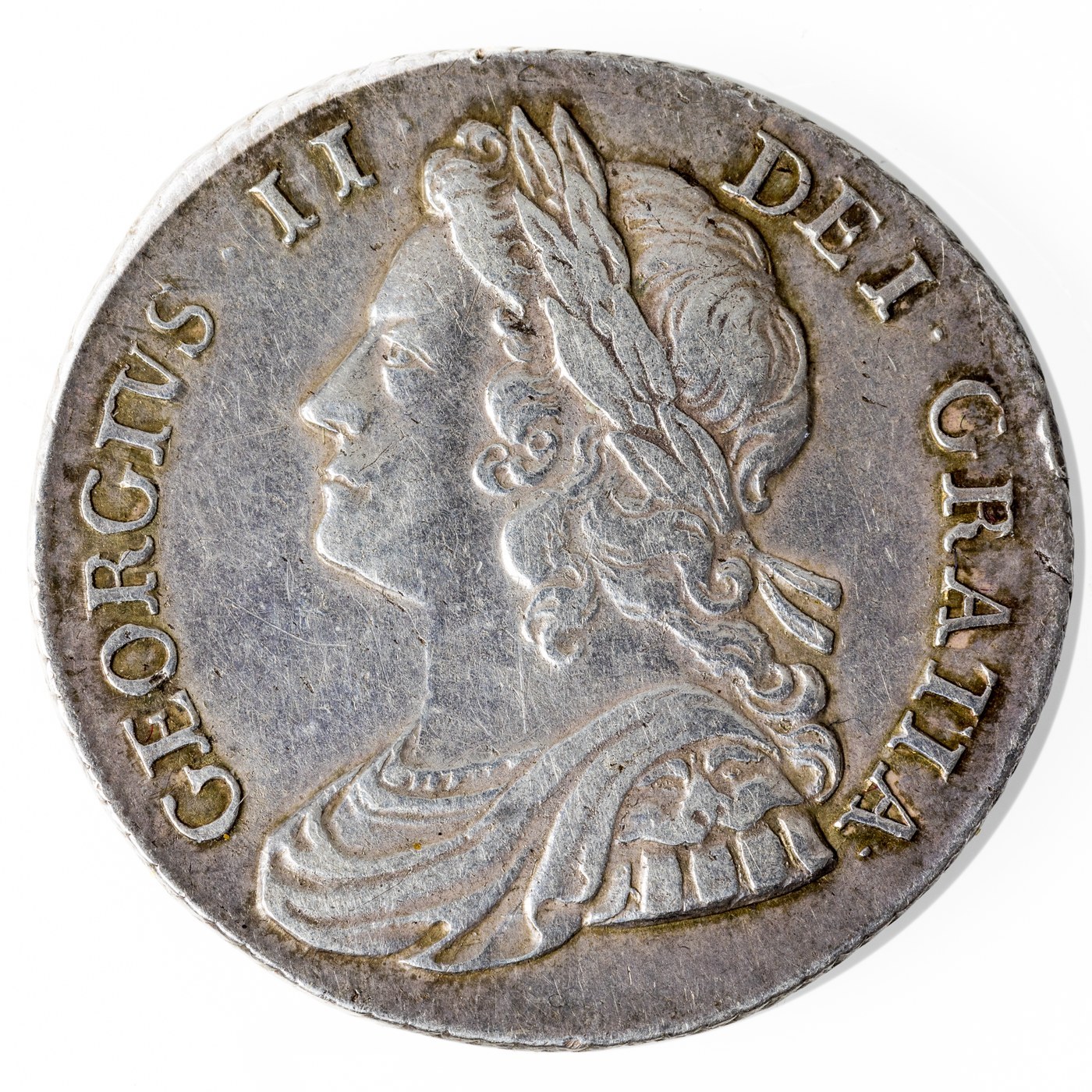
Shilling of George II
A milled silver shilling of George II, with a left-facing bust reading GEORGIVS II DEI GRATIA and a crowned cruciform-shields reverse; this one is a 1736 roses and plumes issue.
- Country
- Great Britain
- Denomination
- Shilling
- Metal
- Silver
Got a coin like this?
Identify any coin from a photo, free.
Overview
The Shilling of George II is a milled silver coin of Great Britain struck during the reign of King George II (1727-1760). The photographed piece shows a laureate and draped bust of the king facing left with the legend GEORGIVS II DEI GRATIA ("George II, by the Grace of God") on the obverse, and is dated 1736. In the angles of its reverse it carries the roses and plumes design that identifies the source of the silver used to strike it.
This is a small hand-fed silver coin about the size of a modern British shilling or five-pence, produced at the Royal Mint in the Tower of London. Shillings of this reign are divided into a "young head" portrait used in the earlier years and an "old head" portrait introduced later; a 1736 coin belongs to the young-head period. The emblems placed in the angles of the reverse shields vary from year to year and are a defining feature of the series.
As a widely produced denomination of the early Georgian era, the George II shilling is a familiar type to collectors of 18th-century British silver, valued both as a representative milled coin and for the provenance-marking emblems that distinguish its many varieties.
History & Background
George II reigned from 1727 to 1760, and silver shillings were struck across most of his reign at the Royal Mint. The denomination was a mainstay of everyday commerce, worth twelve pence, and was produced on the milled (machine-struck) standard that had replaced hammered coinage in the previous century. Portraits, legends, and reverse emblems were periodically revised, giving the series a range of dated varieties.
A distinctive feature of Georgian silver is the use of small emblems in the angles of the reverse shields to record where the silver came from. Roses indicate silver supplied by the Company for Smelting Down Lead with Pit and Sea Coal (the "Welsh Copper Company" or English west-country mines), plumes indicate Welsh silver, and the combined roses and plumes seen on this 1736 coin indicate silver of mixed or combined sources. Other issues of the reign carry the letters LIMA, marking bullion taken from Spanish treasure.
The shilling continued in this form until George II's death in 1760, after which coinage passed to George III. Because the type spans several decades and multiple design changes, George II shillings survive today in a broad spread of dates, portraits, and provenance emblems that collectors study and assemble by variety.
How to Identify
The obverse shows the laureate, draped bust of George II facing left, encircled by the Latin legend GEORGIVS II DEI GRATIA. The left-facing portrait is a reliable marker of this reign, distinguishing it from the right-facing busts of some neighbouring monarchs. The style of the bust also separates the earlier "young head" coins, such as this 1736 example, from the "old head" portrait used in later years.
The reverse (not visible in this obverse view) carries four crowned shields of the royal arms arranged in a cross, with the collar-and-garter Star at the centre and emblems in the four angles between the shields. On this coin those angle emblems are roses and plumes, marking the source of the silver; the surrounding legend gives the king's titles and the date, here 1736. Reading the angle emblems and date is the key step in placing a George II shilling within its many varieties.
The coin is small and struck in silver, close in size to a modern shilling, with a plain or lettered edge depending on the issue. Diameter, weight, and the sharpness of the milled detail all help confirm the type; measuring the coin and comparing the portrait, emblems, and date against reference tables is more reliable than judging from the design alone.
Value & Collectibility
George II shillings are collected across a wide range of dates and varieties, so value depends heavily on the specific year, the reverse emblems, and the state of preservation. Common dates in worn, circulated grades are relatively affordable and trade in modest sums typical of everyday 18th-century British silver, while scarcer dates, unusual provenance emblems, and high-grade or sharply struck examples command significant premiums.
Because the angle emblems distinguish otherwise similar coins, a roses and plumes, plumes, roses, or LIMA variety of the same date can differ notably in desirability. Eye appeal, original surfaces, and clear detail add value, while cleaning, damage, or heavy wear reduce it. Provenance-emblem varieties and better dates are the pieces most sought by specialists.
Because values vary so much with date, variety, and grade, treat any single figure as broad context rather than a fixed price. For a specific coin, compare recent sales of the same date and emblem type in similar condition, and for a scarce or high-grade example seek an opinion from a specialist in British milled silver.
Frequently asked questions
What is a Shilling of George II?
It is a milled silver shilling of Great Britain struck during the reign of George II (1727-1760), worth twelve pence. It shows a left-facing bust with the legend GEORGIVS II DEI GRATIA and a crowned cruciform-shields reverse.
What do the roses and plumes mean?
The emblems in the angles of the reverse record the source of the silver. Roses and plumes together, as on this 1736 coin, indicate silver of combined or mixed sources; roses alone and plumes alone mark other suppliers, and LIMA marks Spanish treasure bullion.
How can I tell it apart from other Georgian shillings?
Read the obverse legend and portrait: George II faces left and is named GEORGIVS II. The bust style separates young-head from old-head issues, and the reverse date and angle emblems place the coin within the reign's many varieties.
Is a George II shilling valuable?
It varies widely. Common dates in worn condition are modest in value, while scarce dates, particular emblem varieties, and high-grade examples can be worth considerably more. Date, variety, and condition together determine the price.
What is it made of and how big is it?
It is a small silver coin roughly the size of a modern British shilling, struck on the milled standard at the Royal Mint. Diameter and weight are useful checks when confirming the type.
Shilling of George II guides
In-depth guides for identifying, valuing, and collecting Shilling of George II.
Other coins you may enjoy
Spade Guinea
1760-1820
Two Guineas of George II
1738–1753
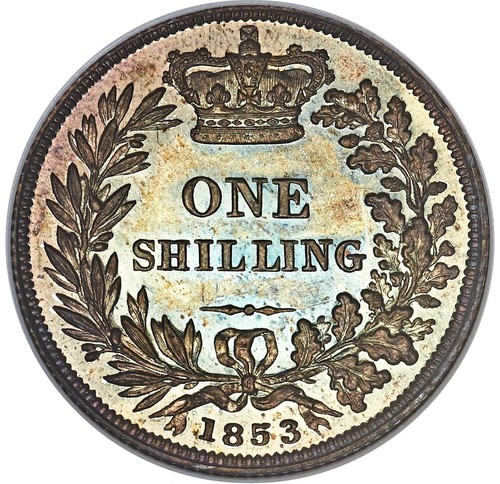
Shilling of Victoria
1838-1901
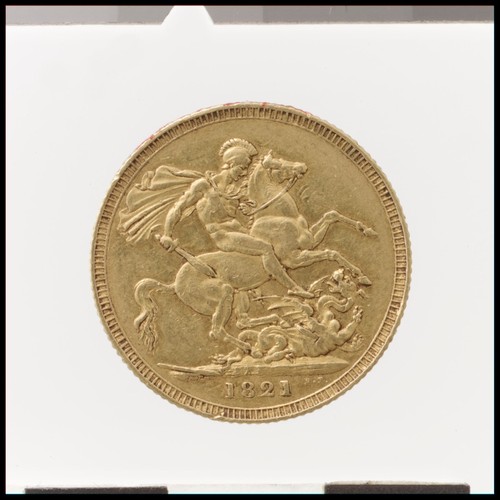
Sovereign of George IV
1821-1830
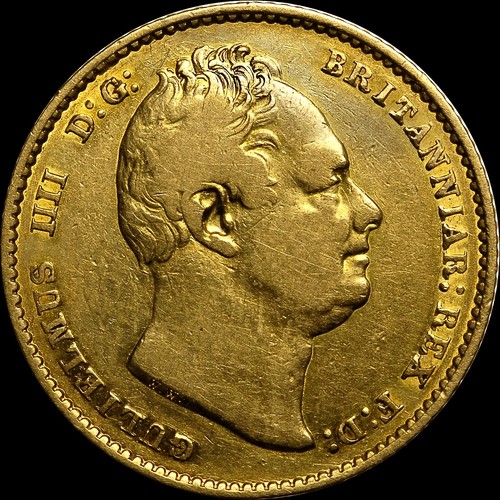
Sovereign of William IV
1831–1837
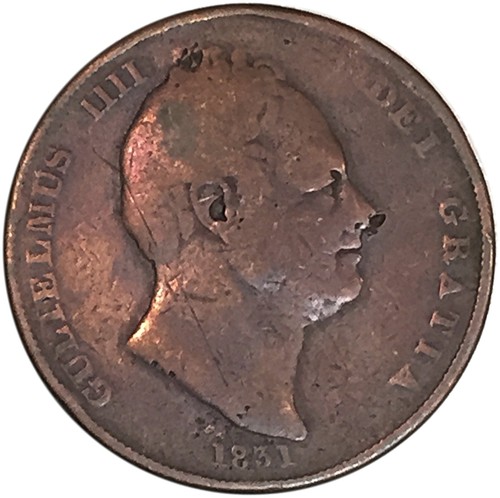
Penny of William IV
1831-1837
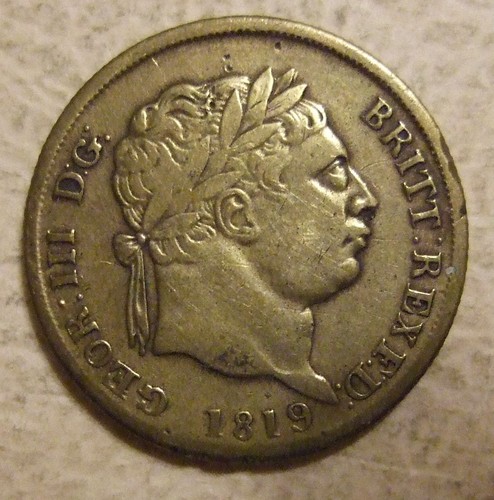
Shilling of George III
1816-1820
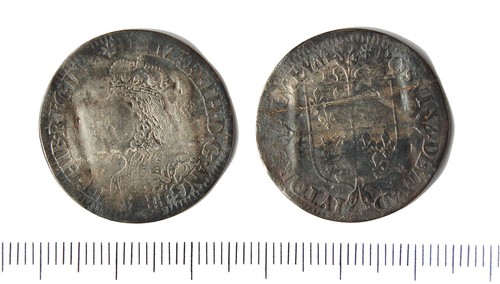
Milled Sixpence of Elizabeth I
1561-1571
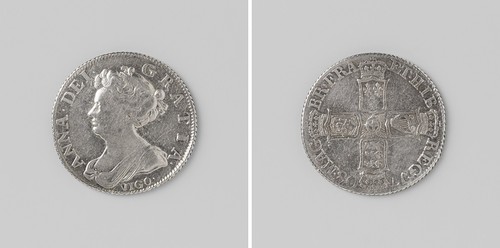
Shilling of Anne
1702-1714
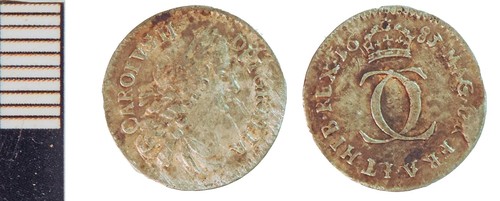
Charles II Twopence
1660-1685
Charles II Half Crown
1660–1685
Irish Halfpenny of Charles II
1680–1684