
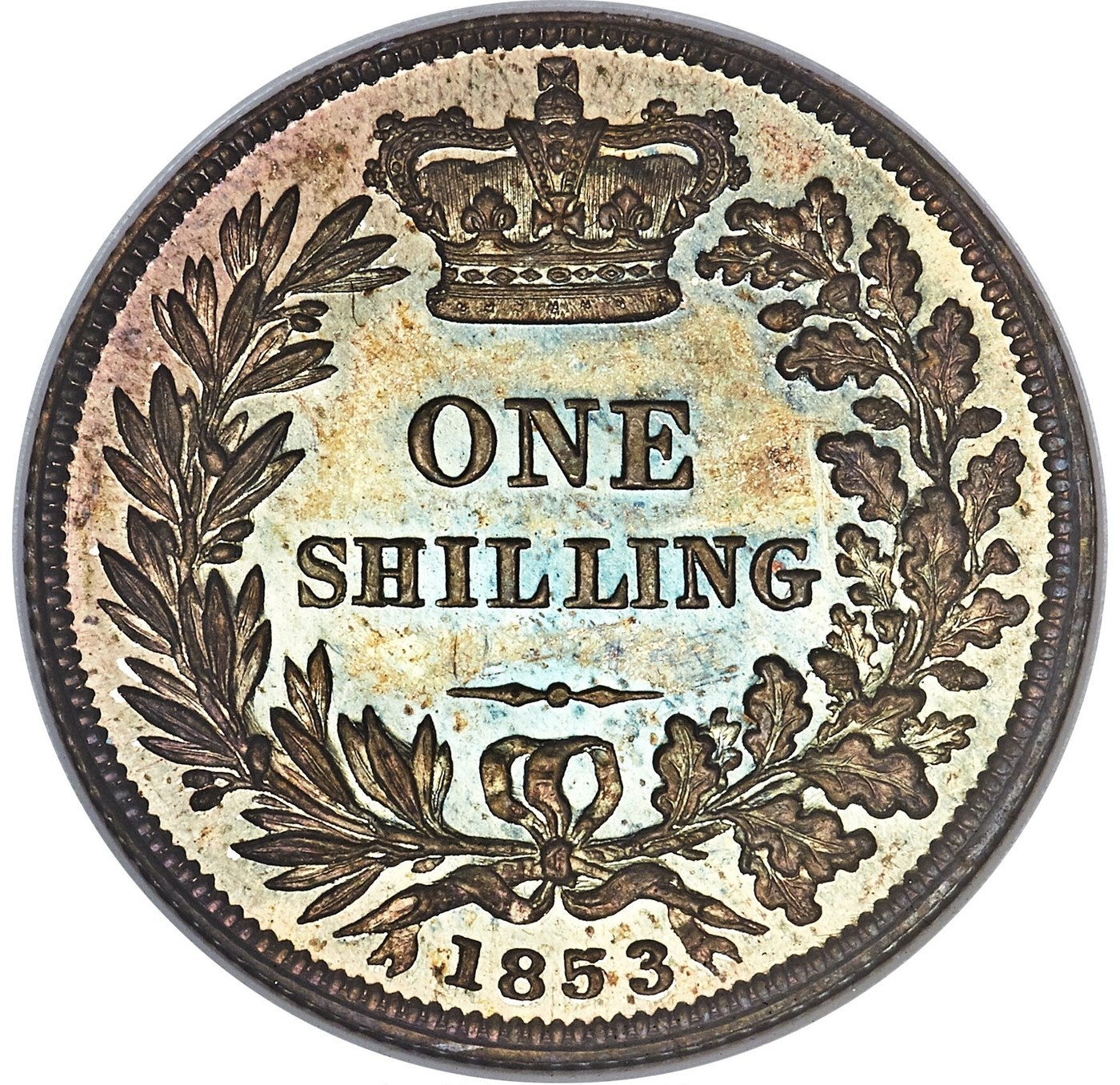
Shilling of Victoria
A milled sterling-silver British shilling of Queen Victoria, worth twelvepence, with the queen's head on the obverse and a crowned 'ONE SHILLING' reverse.
- Country
- United Kingdom
- Denomination
- 1 Shilling
- Metal
- Silver
Got a coin like this?
Identify any coin from a photo, free.
Overview
The Shilling of Victoria is a milled (machine-struck) sterling-silver coin of the United Kingdom, produced by the Royal Mint throughout the long reign of Queen Victoria (1837-1901). Worth twelve pence, or one-twentieth of a pound sterling, it was one of the most familiar everyday silver coins of Victorian Britain. The example shown here is dated 1853, placing it in the early 'Young Head' phase of the reign, and its reverse carries the plain value inscription ONE SHILLING with the date below.
Because it was struck by machinery rather than by hand, the coin has a regular round flan, a raised rim and evenly spaced, upright lettering. Over Victoria's reign the shilling appeared with three successive portraits of the queen, but the denomination and its basic sterling-silver standard stayed constant. It is a popular and accessible coin for collectors of nineteenth-century British silver, combining broad availability with a clear connection to the Victorian era.
History & Background
Victoria came to the throne in 1837, and shillings bearing her portrait were struck from 1838 until the end of her reign in 1901. Across those decades the coin passed through three main portrait types: the 'Young Head' by William Wyon, used from 1838 into the 1880s; the 'Jubilee Head' introduced for 1887; and the 'Old' or 'Veiled Head' from 1893 onward. An 1853 shilling belongs firmly to the Young Head period, when the queen is shown as a young woman with her hair drawn back and tied with a fillet.
Throughout this time the shilling remained a sterling-silver coin (0.925 fine) struck at the Royal Mint in London, and it circulated heavily as small change across Britain and the wider empire. The reverse of the Young Head shillings shows the value spelled out as ONE SHILLING, typically within a wreath and beneath a crown, with the date at the foot, a plain and legible design well suited to daily use.
The series reflects the industrial, mechanised minting of the Victorian age: large mintages, consistent quality, and a design refreshed only when the queen's portrait was formally updated. This makes the Victorian shilling both a common survivor today and a compact record of how the monarch's image aged across a sixty-four-year reign.
How to Identify
Start with size and metal. A Victorian shilling is a small sterling-silver coin, roughly 23 to 24 millimetres across and weighing in the region of five and a half grams, noticeably smaller than a florin (two shillings) but larger than a sixpence. Genuine pieces have the bright grey tone and modest weight of real silver, a regular round flan and a milled (reeded) edge.
The reverse is the quickest confirmation of denomination: it spells out ONE SHILLING in full, with the date below, on this coin 1853. On Young Head issues this inscription sits within a wreath beneath a crown. The obverse, though not shown here, carries the left-facing head of Queen Victoria with a Latin legend naming her, in the abbreviated form of VICTORIA DEI GRATIA BRITANNIAR(UM) REGINA F(IDEI) D(EFENSOR). The style of the portrait, young, jubilee or veiled, pins the coin to a phase of the reign.
Because it is a milled coin, the lettering is even and upright and the strike is sharp; irregular, off-centre or lettering that runs off the edge is a sign of a hammered coin from an earlier period, not a Victorian shilling. There is no mint mark on these London-struck pieces. To place an example precisely, match the portrait type and the exact date against a standard reference on Victorian silver.
Value & Collectibility
Most Victorian shillings are affordable, common coins. In well-worn grades they trade for modest sums little above their small silver content, and they are among the easier nineteenth-century British silver coins to acquire. Value rises with condition: a piece retaining sharp detail in the queen's hair and a clean, uncorroded surface is worth a clear premium over a smooth, heavily circulated example.
Certain dates and varieties are much scarcer than the run of the series and command higher prices, so the exact year matters. An ordinary Young Head date in average circulated condition is inexpensive, while genuinely rare dates, high-grade survivors and any coin certified as choice or uncirculated can be worth considerably more.
Because values hinge on both date and grade, identify the exact year and portrait type before pricing a coin, and treat online single listings with caution. For a piece you believe is scarce or high grade, confirm the attribution and condition with a specialist dealer or an established auction record.
Frequently asked questions
How much was a Victorian shilling worth?
A shilling was worth twelve pence, or one-twentieth of a pound sterling. It was an everyday silver coin used across Victorian Britain for small purchases and change.
What is the Shilling of Victoria made of?
It is struck in sterling silver, an alloy of 0.925 fine silver, the standard for British silver coinage during most of Victoria's reign. Genuine pieces show the tone and weight of real silver.
Why does mine say 1853 but look different from other Victorian shillings?
An 1853 shilling is a 'Young Head' issue, showing Victoria as a young woman. Later shillings use the 'Jubilee Head' (from 1887) and the 'Veiled' or 'Old Head' (from 1893), so the portrait changes even though the denomination stays the same.
Is a Victorian shilling valuable?
Most are common and affordable in worn condition, worth a little over their silver content. Scarcer dates, varieties and high-grade or uncirculated examples can be worth substantially more, so the exact date and condition matter.
Shilling of Victoria guides
In-depth guides for identifying, valuing, and collecting Shilling of Victoria.
Other coins you may enjoy
Spade Guinea
1760-1820
Two Guineas of George II
1738–1753
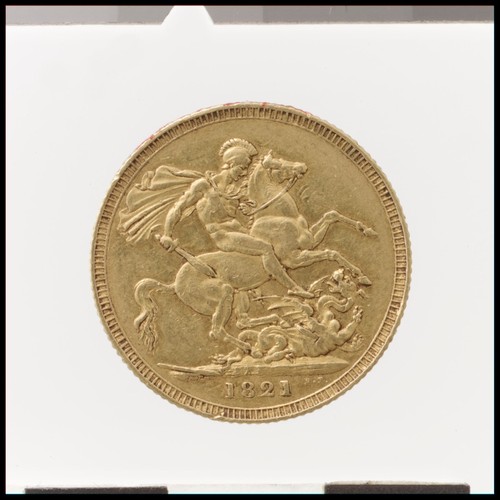
Sovereign of George IV
1821-1830
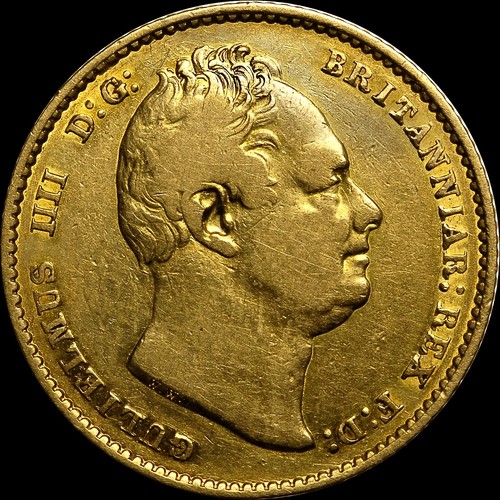
Sovereign of William IV
1831–1837
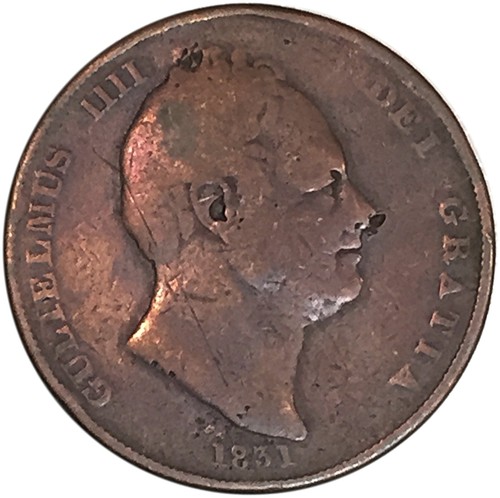
Penny of William IV
1831-1837
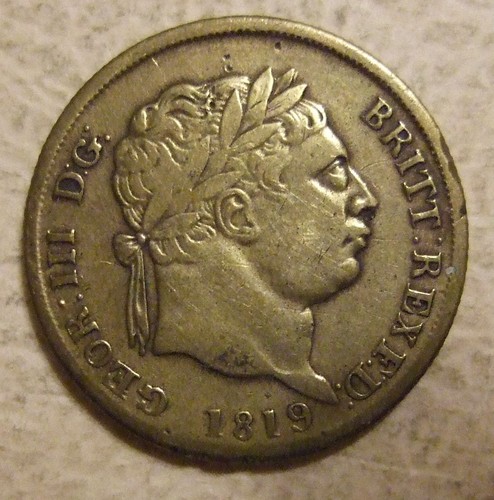
Shilling of George III
1816-1820
Milled Sixpence of Elizabeth I
1561-1571
Shilling of George II
1727-1758
Shilling of Anne
1702-1714
Charles II Twopence
1660-1685
Charles II Half Crown
1660–1685
Irish Halfpenny of Charles II
1680–1684