
Spade Guinea
A late George III gold guinea named for the distinctive spade-shaped shield on its reverse, struck in England from 1787 into the early 1800s.
- Country
- England
- Denomination
- Guinea
- Metal
- Gold
Got a coin like this?
Identify any coin from a photo, free.
Overview
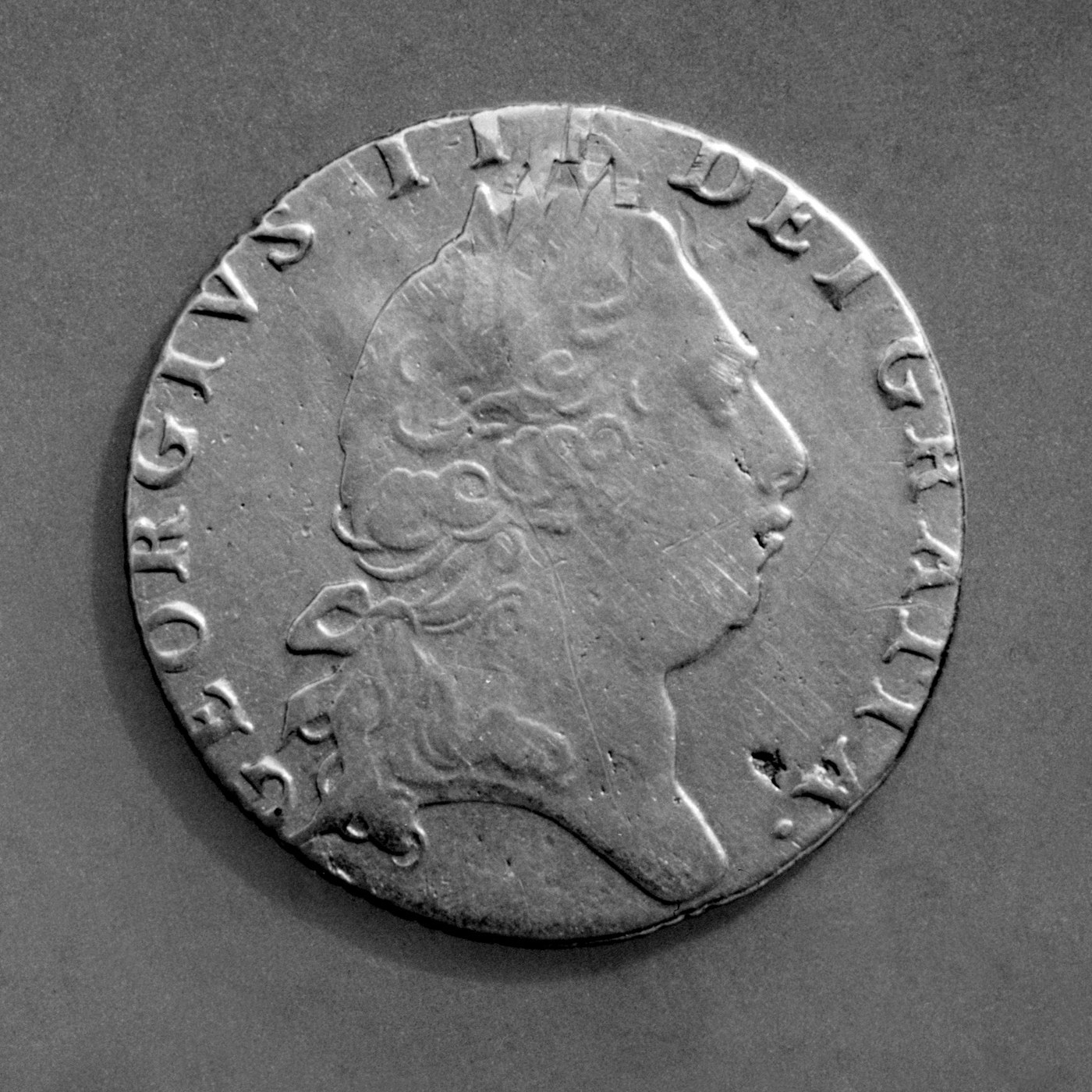
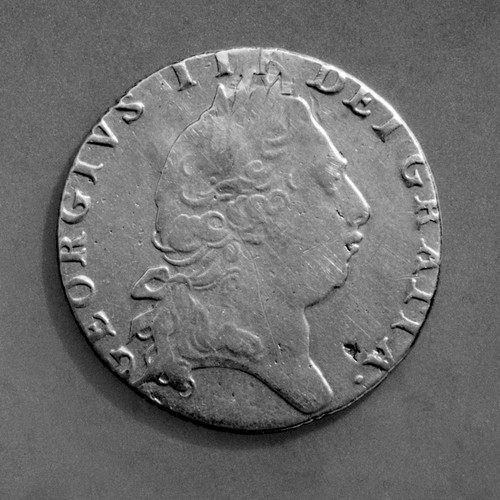
The Spade Guinea is a British gold guinea of King George III, so called because the crowned heraldic shield on its reverse is drawn with a pointed, spade-like outline. The photographed coin shows the classic layout: a laureate bust of George III facing right with a surrounding Latin legend on the obverse, and the spade-shaped royal arms on the reverse. It is one of the most recognisable and widely collected of all English guineas.
The guinea was a gold coin worth twenty-one shillings, and the spade type represents the later part of George III's long reign. The design's clean, distinctive shield made the coin easy to recognise in everyday commerce and has kept it popular with collectors ever since. Because George III's coinage spans 1760 to 1820, the broad type is associated with that reign, though the spade reverse itself belongs to the closing years of guinea production.
Struck in the standard gold alloy of the period, the Spade Guinea is a small but substantial coin. Its familiar look also made it a favourite model for later gaming counters and imitation "guineas," so the genuine gold coin should be distinguished carefully from the many brass copies that echo its design.
History & Background
The guinea took its name from the Guinea region of West Africa, a source of the gold used for early strikings, and served as England's principal gold coin from the 1660s onward. Under George III (reigned 1760–1820) the guinea passed through several portrait and reverse designs before arriving at the spade-shaped shield that gives this type its name.
The spade reverse was introduced in the later 1780s and used for the guineas of George III's fifth portrait. It replaced earlier crowned-arms designs with a shield of more angular, pointed form. Guineas of this type were the everyday high-value gold of Georgian Britain, used for larger purchases and accounting at the rate of twenty-one shillings.
Regular guinea production wound down in the early nineteenth century, and the denomination was effectively replaced by the sovereign after the great recoinage of 1816–17. As one of the last widely circulating guinea types before that change, the Spade Guinea marks the close of a long chapter in English gold coinage, which is part of why it remains so familiar to collectors today.
How to Identify
The obverse shows the laureate head of George III facing right, encircled by a Latin legend giving his name and titles. The reverse is the key diagnostic: a crowned heraldic shield with a distinctly pointed, spade-shaped outline bearing the quartered royal arms, with a Latin legend and the date around it. This spade silhouette is what separates the type from George III's earlier guineas, which use a rounder shield.
As a guinea the coin is gold, small in diameter but noticeably heavy for its size, and yellow in tone rather than the paler colour of gilt brass. Genuine examples carry a date within the spade series and show crisp, well-formed heraldry. The denomination is not written on the coin; it is identified by design, metal, size, and weight together.
Be cautious with the many brass "spade guinea" gaming counters and toy money made in imitation of this coin during the nineteenth century. These copy the general portrait and spade shield but are base metal, often lighter or a different colour, and frequently carry blundered or fictitious legends. Any coin thought to be genuine gold should be weighed and, where possible, tested rather than judged on appearance alone.
Value & Collectibility
Genuine Spade Guineas are valued first for their gold content and then for their collector appeal as a historic and popular English type. Even a worn example carries the intrinsic worth of its gold, so values move with the gold market as well as with condition and demand. Well-struck coins with clear portraits and sharp spade shields command a premium over bullion.
Condition, date, and eye appeal drive the collector premium. Cleaned, bent, or heavily worn pieces sit at the lower end, while attractive, original examples in higher grades are worth considerably more. Because dates and varieties within the series differ in availability, an accurate valuation depends on identifying the specific coin.
Brass imitation "spade guineas" and gaming counters have little intrinsic value and are worth only a small collectable sum, so confirming that a piece is genuine gold is essential before assigning any figure. For a real gold example of any significance, treat quoted numbers as broad context and rely on recent sales of comparable coins or a specialist's opinion.
Frequently asked questions
Why is it called a Spade Guinea?
The name comes from the reverse design: the crowned royal shield is drawn with a pointed, spade-like outline. This distinctive shield sets it apart from George III's earlier guineas, which use a rounder shield.
What is it made of and what was it worth?
It is a gold coin, struck in the standard gold alloy of the period. As a guinea it was valued at twenty-one shillings and served as a high-value coin for larger transactions in Georgian Britain.
Which king is on the coin?
George III, shown as a laureate head facing right with a Latin legend giving his name and titles. The spade reverse belongs to the later portion of his reign, before the guinea was replaced by the sovereign.
Is my spade guinea real gold or a brass copy?
Many brass gaming counters and toy coins imitate the spade guinea. Genuine examples are gold, heavy for their size, and yellow in colour, while copies are base metal, often lighter and sometimes with blundered legends. Weigh and test any suspected genuine piece.
Are Spade Guineas valuable?
Genuine gold examples carry both bullion and collector value, rising with condition, date, and eye appeal. Brass imitations are worth little. Value depends on identifying the specific coin and confirming it is real gold.
Spade Guinea guides
In-depth guides for identifying, valuing, and collecting Spade Guinea.
Other coins you may enjoy
Two Guineas of George II
1738–1753
Shilling of Victoria
1838-1901
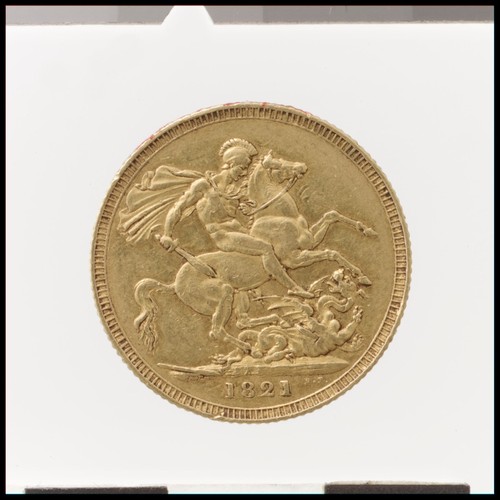
Sovereign of George IV
1821-1830
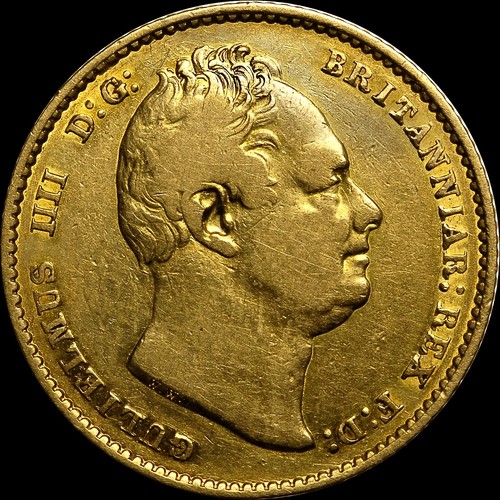
Sovereign of William IV
1831–1837
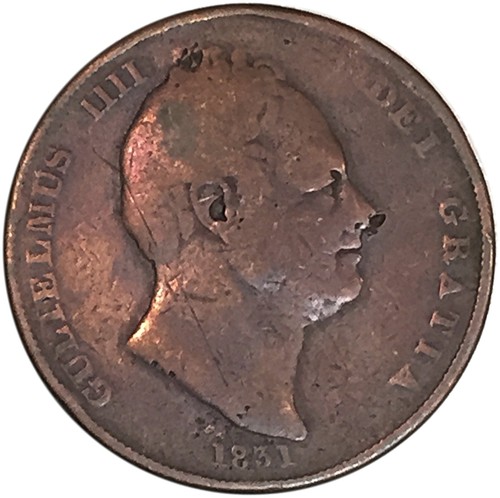
Penny of William IV
1831-1837
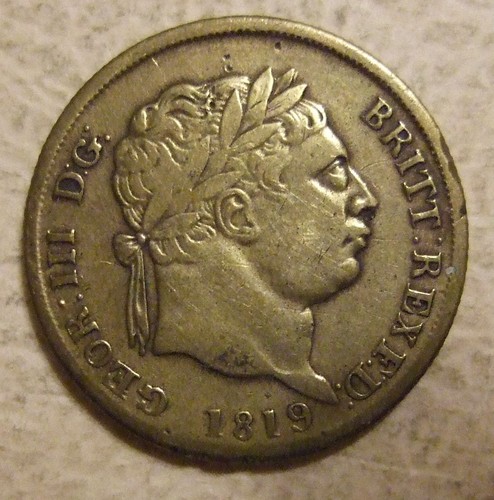
Shilling of George III
1816-1820
Milled Sixpence of Elizabeth I
1561-1571
Shilling of George II
1727-1758
Shilling of Anne
1702-1714
Charles II Twopence
1660-1685
Charles II Half Crown
1660–1685
Irish Halfpenny of Charles II
1680–1684