
Charles II Twopence
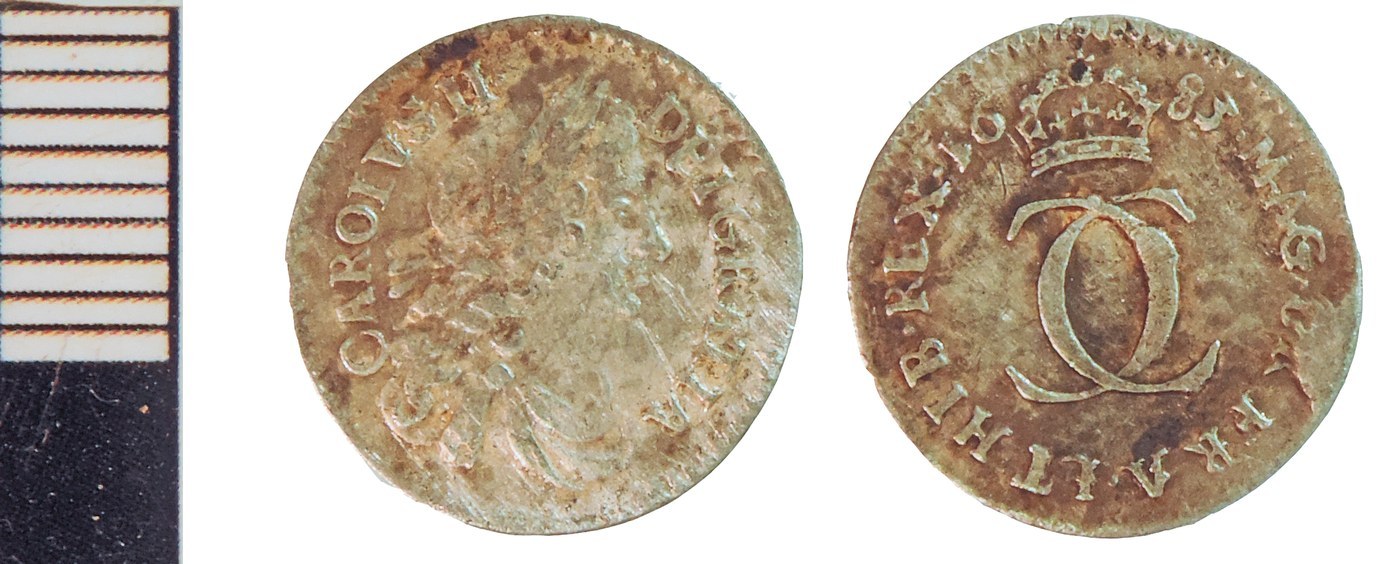
A small milled twopence of Charles II, showing the king's profile bust on the obverse and a crowned mark of value on the reverse.
- Country
- England
- Denomination
- Twopence
- Metal
- Copper alloy
Got a coin like this?
Identify any coin from a photo, free.
Overview
The Charles II Twopence is a small coin of the milled coinage struck during the reign of Charles II, who ruled from the Restoration in 1660 until his death in 1685. As its name states, it was valued at two pence, one of the minor denominations that served small everyday payments in later seventeenth-century England.
The photographed example shows a profile bust of Charles II on the obverse, engraved in the neat machine-cut relief characteristic of the new milled coinage, with a Latin legend running around the rim. The reverse carries a compact design built around a crowned mark of value, the numeral two set beneath a crown, in place of the fuller heraldic scenes used on the larger denominations.
Because it belongs to the earliest generation of English coins made entirely by machinery at the Tower Mint, the twopence has a regular flan, an even edge, and crisp, uniform detail. These qualities set it apart from the older hand-struck hammered money it replaced.
History & Background
Charles II was restored to the throne in 1660, and during the 1660s the English mint moved away from hammered striking toward machine-made, or milled, coinage produced with screw presses and mechanized engraving. Alongside the larger silver and gold pieces, the mint continued to issue the small denominations, including the twopence, that were needed for minor transactions and for ceremonial use.
The minor coins of this reign were struck in successive issues over the quarter-century of Charles II's rule, so the exact style of bust and lettering varies from one period to another. The twopence sits within this family of small change, its simple crowned mark of value reflecting the limited space available on so small a coin.
The milled coinage of Charles II represented a deliberate modernization of English money, yielding pieces of more consistent size and appearance that were harder to clip and counterfeit than the hammered coins before them. Small denominations such as the twopence remained a familiar part of British coinage long after the reign ended in 1685.
How to Identify
The obverse shows a profile bust of Charles II, encircled by an abbreviated Latin legend naming the king. The style of the portrait was revised at intervals during the reign, so noting the exact form of the bust, together with any legible parts of the legend, helps place a given coin within the period 1660 to 1685.
The reverse is dominated by a crowned mark of value: the figure two set beneath a crown, surrounded by a short legend. This crowned numeral, rather than a full coat of arms, is the key diagnostic of the reverse and confirms the denomination at a glance. On dated examples the year appears in the reverse legend.
The twopence is a very small coin with a regular round flan, an even rim, and the crisp, evenly struck detail of machine-made work. This milled fabric distinguishes it from the irregular hammered small silver of earlier reigns, and its tiny size separates it from the larger denominations of the same coinage.
Value & Collectibility
The Charles II Twopence is a genuine seventeenth-century coin, and as one of the smallest denominations its value rests chiefly on condition, clarity of the portrait and legends, and collector interest rather than on any significant metal content. Small coins of this age survive in widely varying states, so prices range accordingly.
Heavily worn, corroded, or damaged examples typically trade for modest sums, while sharply struck, well-centered pieces with clear detail command a premium among collectors of early milled British coinage. The specific issue, bust style, and date all influence what a given coin realizes.
Anyone valuing a particular piece should compare it against recent auction results for Charles II small coinage of the same denomination and grade, and treat any single quoted figure as general context rather than a firm valuation. Where condition or authenticity is uncertain, an expert opinion is worthwhile.
Frequently asked questions
What is a Charles II Twopence?
It is a small milled coin struck during the reign of Charles II (1660-1685), valued at two pence. It shows a profile bust of the king on the obverse and a crowned mark of value on the reverse.
What is on the reverse?
The reverse carries a crowned mark of value, the figure two set beneath a crown, with a short surrounding legend. On dated pieces the year appears in this reverse legend.
What does milled mean?
Milled coins were made by machinery rather than struck by hand. Charles II's mint adopted machine production in the 1660s, giving these coins a regular round flan, even edge, and crisp, uniform detail.
Why is the coin so small?
The twopence was one of the minor denominations used for small everyday payments, so it was struck as a very small, light coin. Its size is normal and expected for the type.
Is it a rare coin?
Availability varies by issue and date, and value depends heavily on condition. Worn examples are relatively common and inexpensive, while well-preserved pieces are scarcer and more sought after.
Charles II Twopence guides
In-depth guides for identifying, valuing, and collecting Charles II Twopence.
Other coins you may enjoy
Spade Guinea
1760-1820
Two Guineas of George II
1738–1753
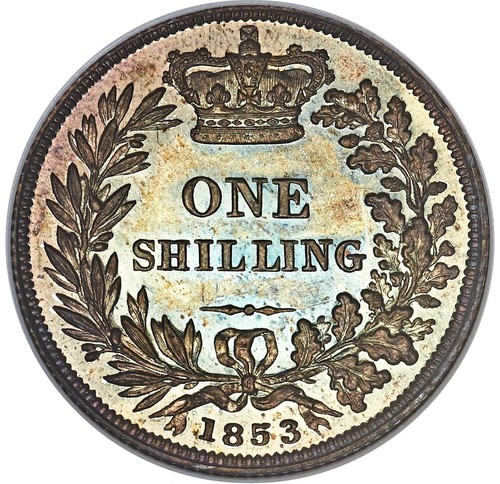
Shilling of Victoria
1838-1901
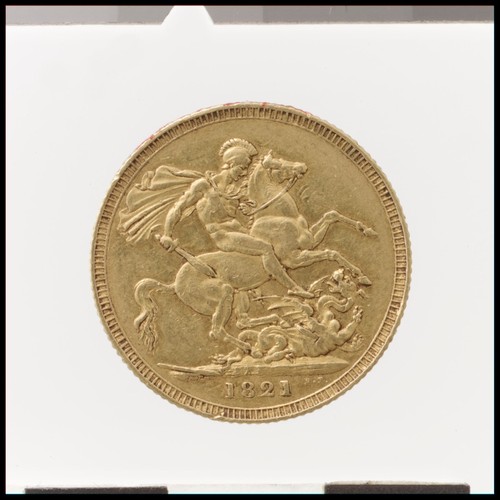
Sovereign of George IV
1821-1830
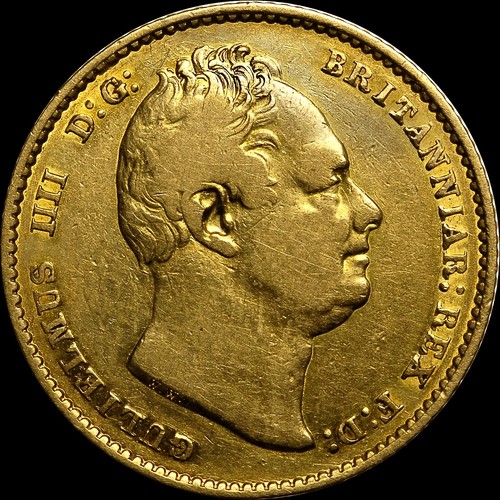
Sovereign of William IV
1831–1837
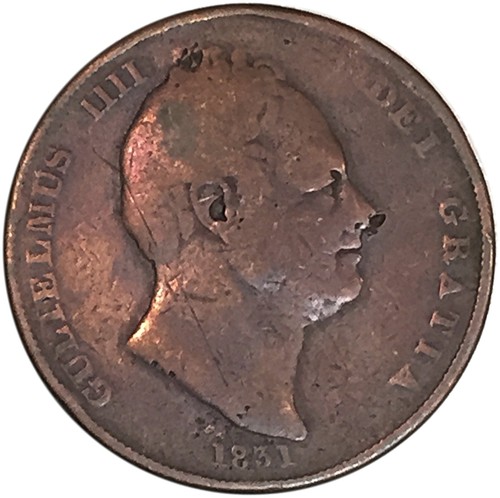
Penny of William IV
1831-1837
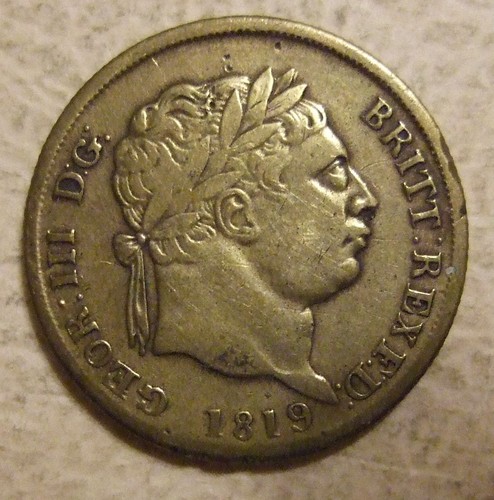
Shilling of George III
1816-1820
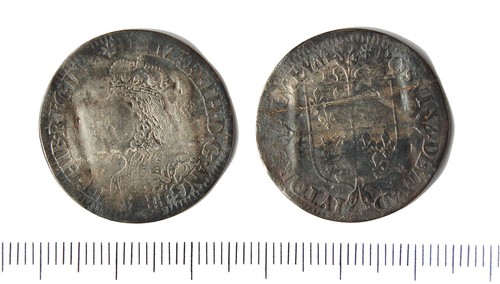
Milled Sixpence of Elizabeth I
1561-1571
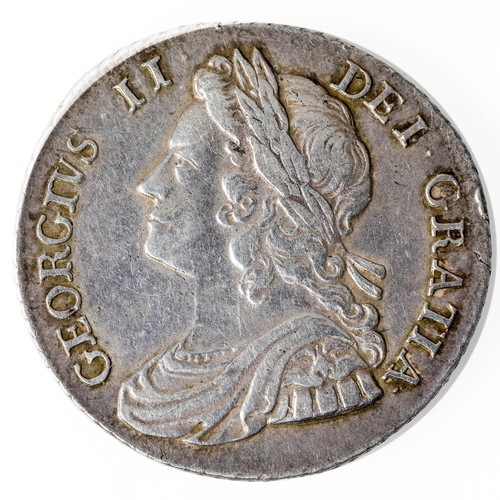
Shilling of George II
1727-1758
Shilling of Anne
1702-1714
Charles II Half Crown
1660–1685
Irish Halfpenny of Charles II
1680–1684