
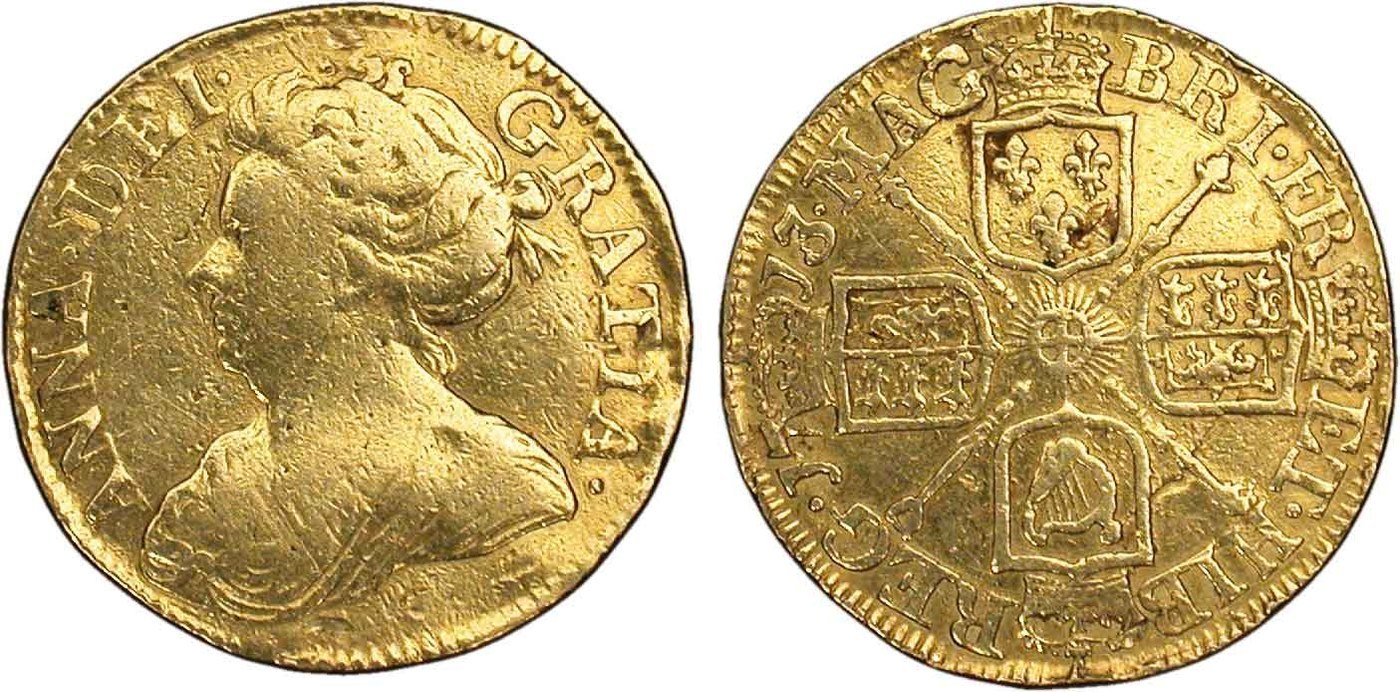
Half Guinea of Anne
An English milled gold half guinea of Queen Anne, showing her left-facing bust and a crowned cruciform reverse of shields with fleurs-de-lis.
- Country
- England
- Denomination
- Half Guinea
- Metal
- Gold
Got a coin like this?
Identify any coin from a photo, free.
Overview
The Half Guinea of Anne is an English milled gold coin struck during the reign of Queen Anne (1702–1714). Worth half of the guinea, it was a high-value gold piece produced by machinery at the Tower of London mint, with a regular round flan, even lettering, and a decorated edge in the tradition of the milled coinage introduced under Charles II.
The obverse carries Anne's draped bust in left-facing profile, surrounded by a Latin legend beginning ANNA D G GRATIA — an abbreviation naming her queen by the grace of God. The reverse shows a heraldic design of crowned shields set as a cross, incorporating fleurs-de-lis for the French claim and a central crown, the standard armorial scheme of the period.
The photographed example shows exactly these features: the left-facing royal profile with the ANNA legend on the obverse, and the multi-shield crowned reverse with fleur-de-lis charges. As a small but heavy gold coin roughly three centuries old, it is a genuine artifact of early eighteenth-century England.
History & Background
Anne came to the throne in 1702 as the last Stuart monarch, and her reign spans one of the defining moments in British history — the 1707 Act of Union that joined the kingdoms of England and Scotland into Great Britain. This event is reflected directly in her coinage: half guineas struck before the Union carry the older arrangement of the royal arms, while those after 1707 adjust the shields to show the combined arms of the new united kingdom.
The half guinea itself continued a denomination established under the later Stuarts, providing a gold coin at half the value of the guinea for larger transactions. It was struck from gold refined and worked at the Tower mint using the machine methods that had replaced hand-hammering in the previous century, giving the coins their uniform, well-centered appearance.
Some of Anne's gold, like that of her predecessors, was struck from bullion supplied through overseas trade, and certain issues carry provenance marks such as VIGO, commemorating gold captured from Spanish and French ships at Vigo Bay in 1702. Half guineas of Anne circulated as substantial money through a period of war and political change that shaped modern Britain.
How to Identify
The obverse shows Queen Anne in left-facing profile with a draped bust, surrounded by a Latin legend that opens ANNA D G GRATIA — "Anne, by the grace of God." The full legend continues with her royal titles. The machine-struck lettering is even and regular, and the queen faces left, a useful point of distinction from many earlier male rulers who face right.
The reverse displays crowned shields arranged as a cross, bearing the royal arms including the fleurs-de-lis of the French claim, with a crown at the center and scepters or ornaments between the shields. The exact arrangement of the shields differs between pre-Union and post-Union issues, so the details of the arms help place a coin before or after 1707.
As a milled coin, the half guinea has a neatly round flan, consistent thickness, and a decorated edge added to deter clipping. It is a small gold piece, noticeably smaller and lighter than the full guinea but struck from the same gold. The combination of the left-facing ANNA bust, the crowned cruciform shields with fleurs-de-lis, gold metal, and regular machine striking identifies the type.
Value & Collectibility
As a genuine milled gold coin more than three centuries old, the Half Guinea of Anne is a desirable collector's item that combines real gold content with strong numismatic demand for Stuart-era gold. Even worn examples carry meaningful value, and prices span a wide range depending on date, variety, and condition.
Heavily circulated, bent, or damaged coins sit at the lower end, while sharply struck pieces with a clear portrait and full legends command a strong premium. Scarcer dates, pre-Union versus post-Union types, and special issues such as those with the VIGO provenance mark can be worth well above a common example.
Because this is a high-value gold coin, anyone valuing a specific piece should consult recent auction results for comparable Anne half guineas of the same date and grade, and treat any single quoted figure as context rather than a fixed price. Professional authentication is strongly advised before buying or selling.
Frequently asked questions
What is a Half Guinea of Anne?
It is an English milled gold coin struck during the reign of Queen Anne (1702–1714), worth half of a guinea. It shows Anne's left-facing bust with the ANNA legend and a crowned cruciform reverse of shields with fleurs-de-lis.
How can I tell a pre-Union coin from a post-Union coin?
The 1707 Act of Union changed the royal arms. Half guineas struck before 1707 use the older shield arrangement, while those after show the combined arms of Great Britain, so the detail of the shields on the reverse helps date the coin.
What does the VIGO mark mean?
Some of Anne's gold coins carry the word VIGO, commemorating bullion captured from Spanish and French ships at Vigo Bay in 1702. VIGO half guineas are a recognized and highly collectible variety.
Why does the legend say ANNA D G GRATIA?
It is Latin for "Anne, by the grace of God," the opening of her royal titles. The full legend continues to name her queen of her realms, following the convention used on English coinage of the period.
How is it different from a full guinea?
The half guinea shares the same portrait and refined design but is worth half as much and is noticeably smaller and lighter. Measuring and weighing the coin against published figures is the reliable way to tell them apart.
Half Guinea of Anne guides
In-depth guides for identifying, valuing, and collecting Half Guinea of Anne.
Other coins you may enjoy
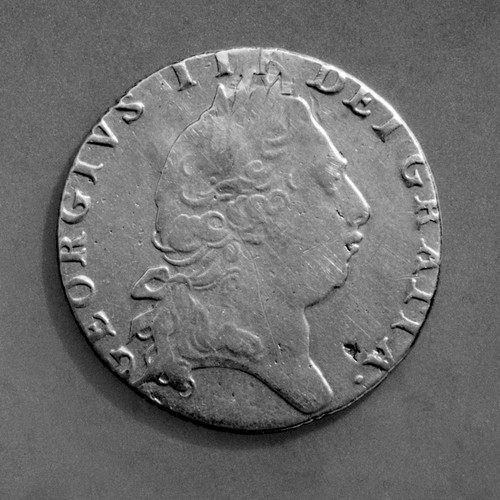
Spade Guinea
1760-1820
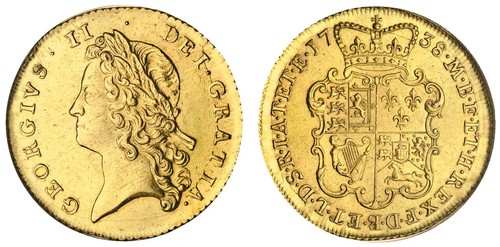
Two Guineas of George II
1738–1753
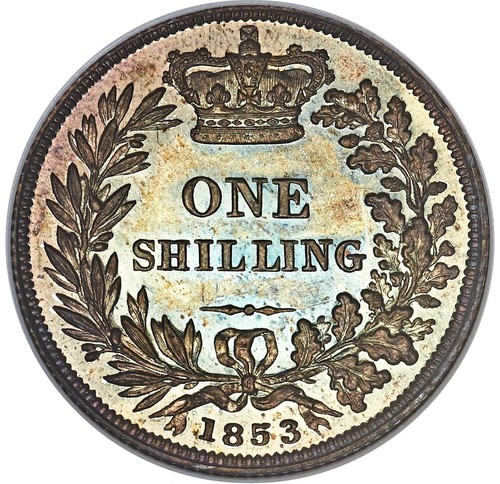
Shilling of Victoria
1838-1901
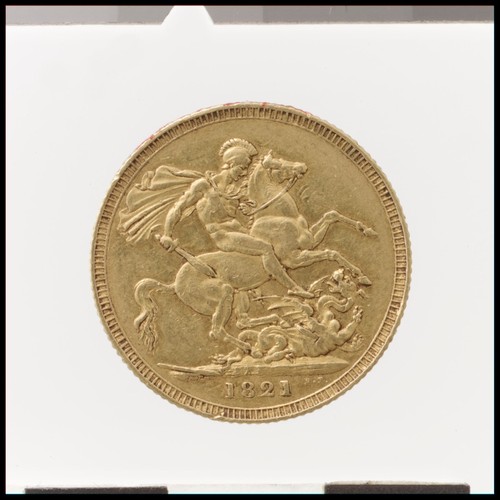
Sovereign of George IV
1821-1830
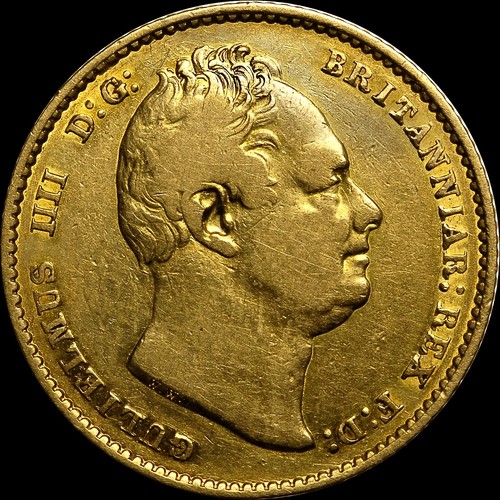
Sovereign of William IV
1831–1837
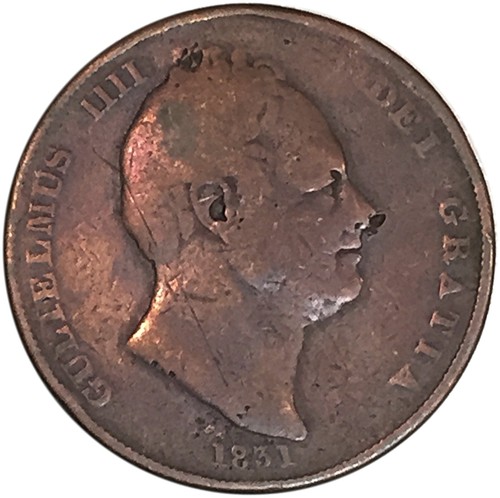
Penny of William IV
1831-1837
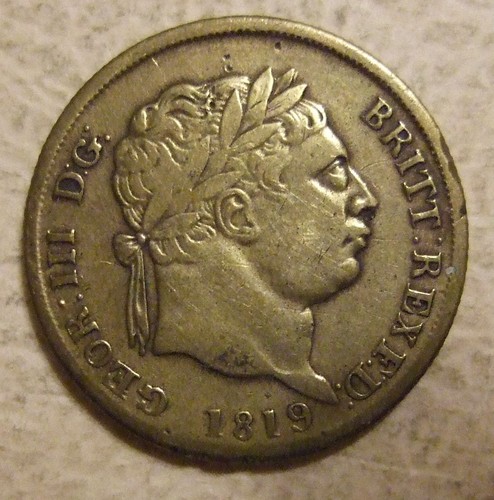
Shilling of George III
1816-1820
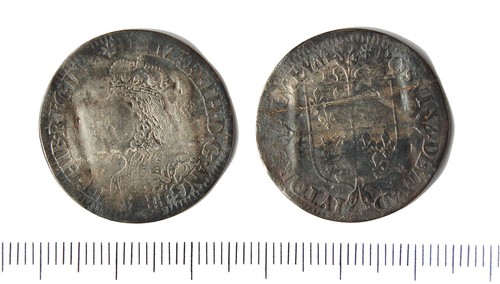
Milled Sixpence of Elizabeth I
1561-1571
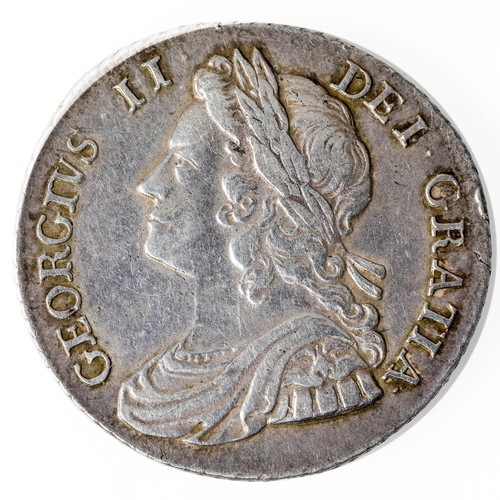
Shilling of George II
1727-1758
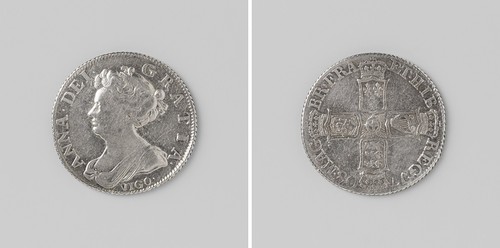
Shilling of Anne
1702-1714
Charles II Twopence
1660-1685
Charles II Half Crown
1660–1685