
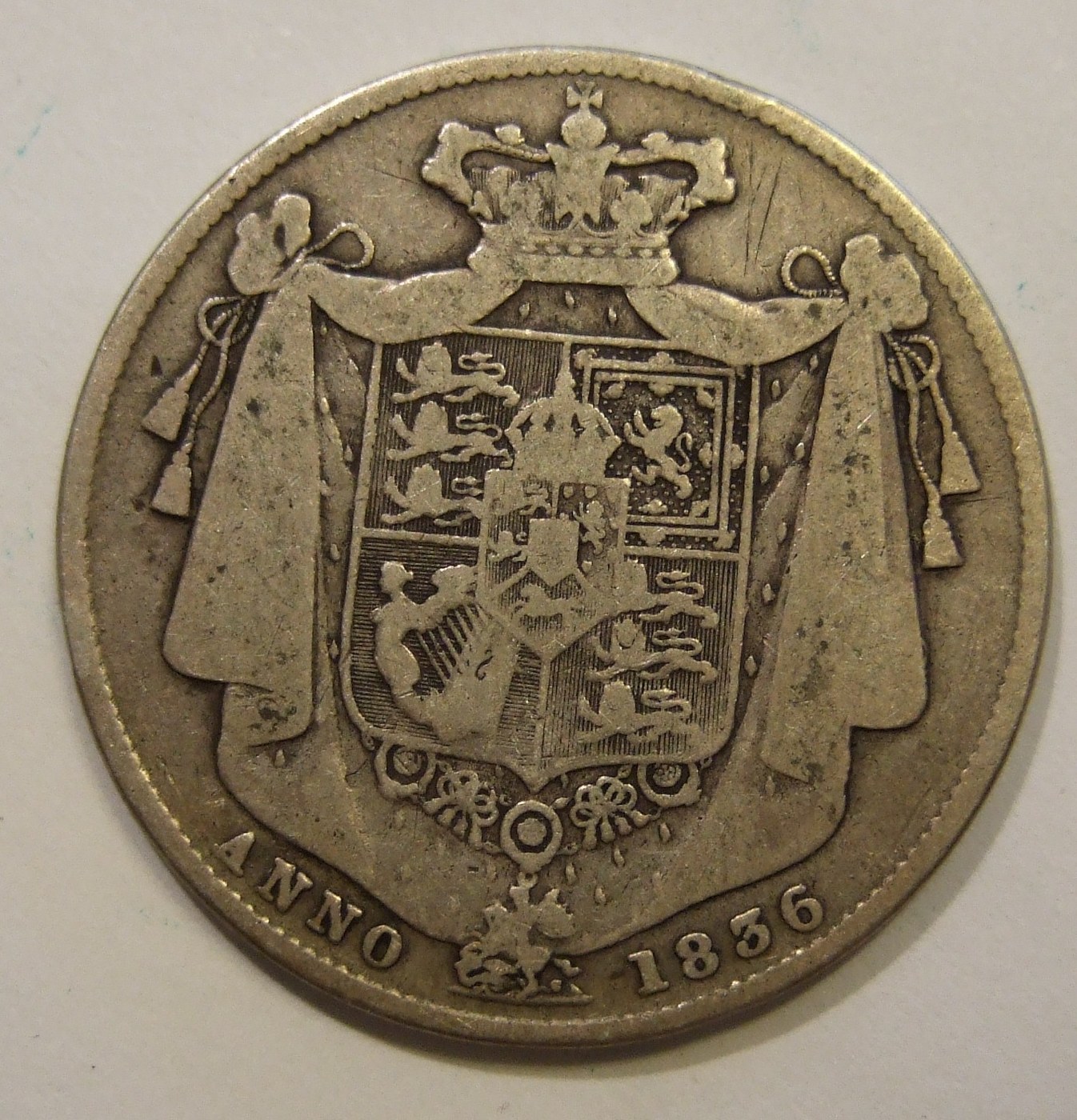
Half Crown of William IV
A milled British silver half crown of King William IV, with the king's bare head facing right and a crowned royal shield of arms on the reverse.
- Country
- Great Britain
- Denomination
- Half Crown
- Metal
- Silver
Got a coin like this?
Identify any coin from a photo, free.
Overview
The Half Crown of William IV is a milled British silver coin struck during the short reign of King William IV. The photographed example is dated 1836 and shows the king's bare head facing right on the obverse, encircled by the Latin legend GULIELMUS IIII D:G BRITT ANN, with a crowned royal coat of arms and heraldic supporters on the reverse. It is a substantial silver piece valued at two shillings and sixpence, one eighth of a pound sterling.
As a denomination the half crown sat between the shilling and the crown, and William IV half crowns were produced in only a handful of dates within his brief reign. The combination of the distinctive "IIII" form of the regnal number, the bare (uncrowned) head portrait, and the crowned-shield reverse makes the type readily recognizable and clearly distinct from the milled half crowns of George IV before it and Queen Victoria after.
Struck in sterling-standard silver at the Royal Mint, the coin measures roughly 32 to 33 millimetres across and follows the standard weight for a British half crown of the period. It is a classic example of early-19th-century milled British coinage.
History & Background
William IV came to the throne in 1830 and reigned until 1837, and his coinage was produced across those years by the Royal Mint. His silver half crowns were issued for only a few dates within this span, making the series a compact one compared with the long reigns that surrounded it. The 1836 date seen on the photographed coin falls near the end of the reign.
The portrait used on the coin was engraved after a design by the sculptor William Wyon, showing the king bareheaded and facing right in the neoclassical style favoured for British coinage of the era. The Latin obverse legend, an abbreviation naming the king by the grace of God and referencing his British and Hanoverian titles, follows the standard formula of the period. The reverse presents the full royal arms beneath a crown with heraldic supporters, a design of coat-of-arms type consistent with contemporary British silver.
The half crown was a workhorse denomination of British commerce, worth two shillings and sixpence. William IV's issues bridged the reigns of George IV and Queen Victoria, and because the reign was short the coins were minted in comparatively modest numbers over just a few years before Victoria's accession in 1837 brought a new coinage.
How to Identify
The obverse is identified by the bare head of William IV facing right, with no crown or wreath, surrounded by the legend GULIELMUS IIII D:G BRITT ANN. The Roman-style "IIII" rather than "IV" is a characteristic feature of this king's coinage and an immediate clue to the reign. The date, such as 1836 on the coin shown, appears as part of the design.
The reverse shows the crowned royal coat of arms, a quartered shield beneath a large crown with heraldic supporters flanking it, in the coat-of-arms style used for British silver of this period. This crowned-shield reverse distinguishes the type from earlier and later half crowns that used different arrangements of the royal arms.
The coin is a milled silver piece of sterling standard, about 32 to 33 millimetres in diameter and struck to the standard half-crown weight of the era, with a reeded edge. Its size, silver colour, and weight separate it clearly from the smaller shilling and from the larger crown. Genuine milled striking gives sharp, even detail and a regular edge, unlike hand-hammered coinage.
Value & Collectibility
William IV half crowns are collected as part of the short and self-contained silver series of this reign, and because they were struck in only a few years they are less common than the half crowns of longer reigns. Most circulated examples trade in a moderate range typical of early-19th-century British silver, with condition the leading factor in value.
Worn coins with flattened portrait and shield detail sit at the lower end, while pieces retaining crisp hair detail, sharp heraldry, and original surfaces command higher prices. Grade, eye appeal, and the specific date all influence what a given coin is worth, and scarcer dates within the series can carry a premium over more available ones.
Because values move with condition and the market, treat any single figure as broad context rather than a fixed price. For a specific coin, compare recent sales of similar graded examples, and for a high-grade or unusually well-preserved piece seek an opinion from a specialist dealer or grading service.
Frequently asked questions
What is a Half Crown of William IV?
It is a milled British silver coin worth two shillings and sixpence, struck during the reign of King William IV. It shows the king's bare head facing right and a crowned royal coat of arms on the reverse.
Why does the coin read GULIELMUS IIII?
Gulielmus is the Latin form of William, and IIII is the regnal number four written in the older Roman style rather than IV. Together the legend names William IV by the grace of God with his royal titles.
What years were William IV half crowns made?
They were issued for only a few dates within his short 1830 to 1837 reign. The example shown is dated 1836, near the end of the reign before Queen Victoria's accession in 1837.
What is the coin made of and how big is it?
It is struck in sterling-standard silver, measures roughly 32 to 33 millimetres across, has a reeded edge, and follows the standard half-crown weight of the period.
Are William IV half crowns valuable?
Most circulated examples are moderate in value for the period, with condition the main factor. Well-preserved coins with sharp detail and original surfaces, and scarcer dates, command higher prices.
Half Crown of William IV guides
In-depth guides for identifying, valuing, and collecting Half Crown of William IV.
Other coins you may enjoy
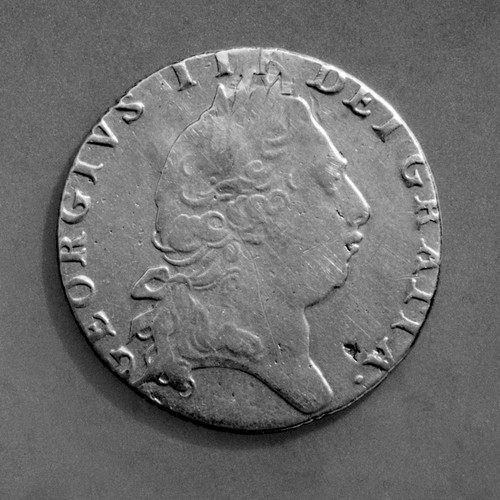
Spade Guinea
1760-1820
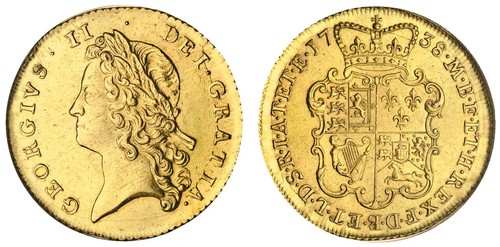
Two Guineas of George II
1738–1753
Shilling of Victoria
1838-1901
Sovereign of George IV
1821-1830
Sovereign of William IV
1831–1837
Penny of William IV
1831-1837
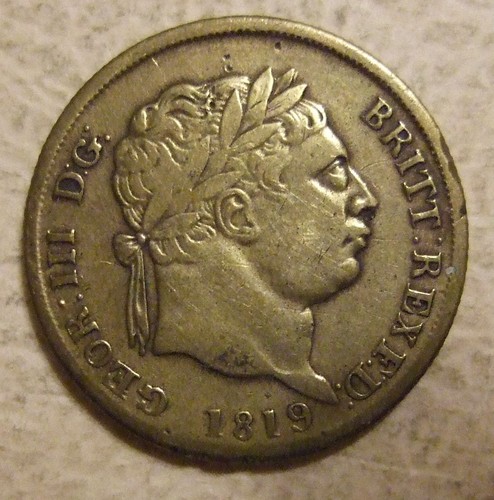
Shilling of George III
1816-1820
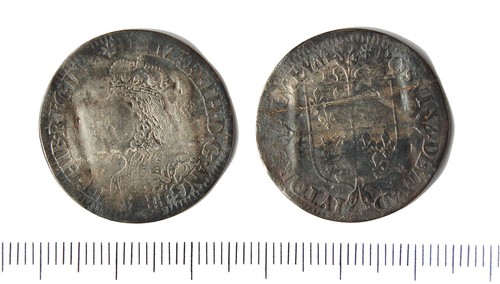
Milled Sixpence of Elizabeth I
1561-1571
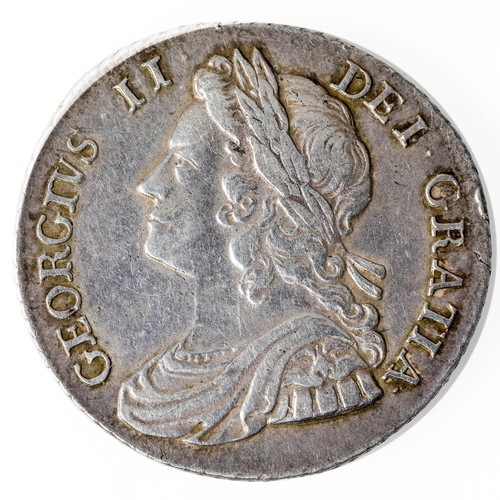
Shilling of George II
1727-1758
Shilling of Anne
1702-1714
Charles II Twopence
1660-1685
Charles II Half Crown
1660–1685