
How to Identify the Spade Guinea
A collector's guide to telling a genuine George III spade guinea from its many brass imitations, using the shield shape, portrait, metal, weight, and legends.
Read the full Spade Guinea encyclopedia entry →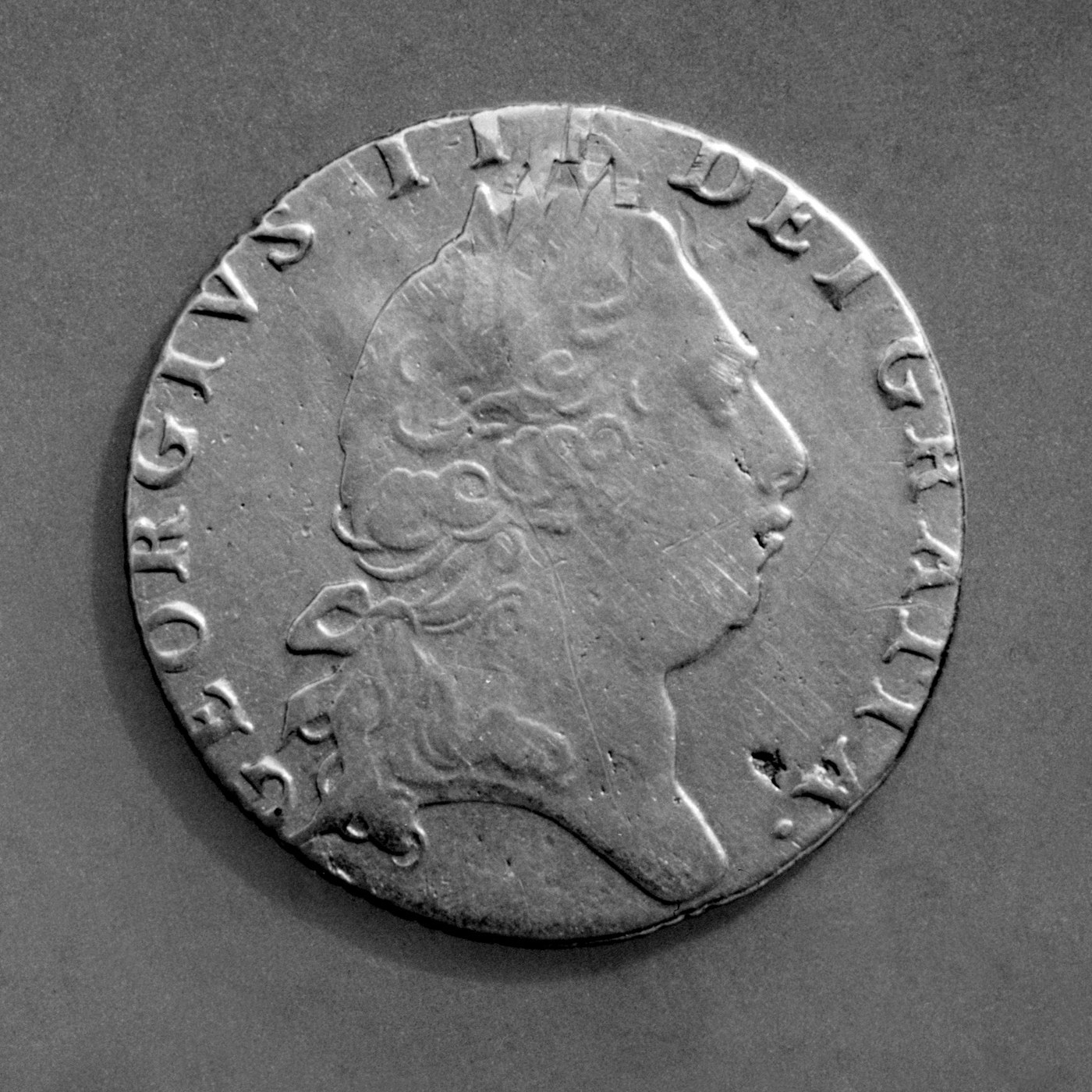
Start with the reverse, because the spade-shaped shield is the defining feature. Look for a crowned heraldic shield with a pointed, angular lower outline resembling a spade, bearing the quartered royal arms, surrounded by a Latin legend and a date. A rounder shield points to an earlier George III guinea rather than the spade type, so the silhouette of the shield is the single most useful diagnostic.
Check the obverse portrait. A genuine coin shows the laureate head of George III facing right, with well-formed features and a clear Latin legend naming him and his titles. The lettering should be evenly spaced and correctly spelled; crude, blundered, or nonsensical legends are a strong sign of an imitation counter rather than a struck coin of the Royal Mint.
Assess metal, size, and weight together. A real guinea is gold: yellow in tone, small in diameter, and distinctly heavy for its size. Gilt or brass copies tend to be lighter, a slightly different colour, and may show wear through to base metal at the high points. Weighing the coin against the known standard for a guinea, and testing the metal where possible, is far more reliable than judging by eye.
Be alert to the abundant look-alikes. Nineteenth-century brass "spade guinea" gaming counters and toy money deliberately copy the portrait and spade shield but are base metal and were never legal tender. Many carry playful or fictitious inscriptions in place of the real legend and date. Treat any "guinea" that is light, reddish, or oddly lettered as a probable counter until proven otherwise.
Authenticate before valuing. Because genuine spade guineas contain gold, confirm the metal, weight, and diameter, and inspect the coin for casting seams, filing, or mount marks that indicate a fake or an altered piece. For any example you believe is genuine gold, a specialist dealer or a metal test will settle the question, and the specific date and variety should be identified before relying on any price.
Frequently asked questions
What is the quickest way to spot a genuine spade guinea?
Look at the reverse shield: it should have a pointed, spade-like outline with the royal arms, a proper Latin legend, and a date. Then confirm the coin is gold and heavy for its size. A rounder shield, light weight, or odd legend suggests an earlier type or a brass copy.
Do spade guineas have a mint mark?
They do not carry a separate mint mark the way some coins do; they were products of the Royal Mint and are identified by design, legend, and date. The reverse legend and date around the spade shield are what pin down the specific issue.
Why are there so many brass spade guineas?
The design was widely copied for gaming counters and toy money in the nineteenth century because it was familiar and prestigious. These brass pieces imitate the portrait and spade shield but are base metal and were never money, so they are common and of little value.
Should I clean my spade guinea before identifying it?
No. Cleaning can scratch the surface and reduce both collector and bullion appeal on a genuine gold coin. Identify it first by design, metal, and weight, and have a specialist examine anything you believe is genuine gold before doing anything to the surface.