
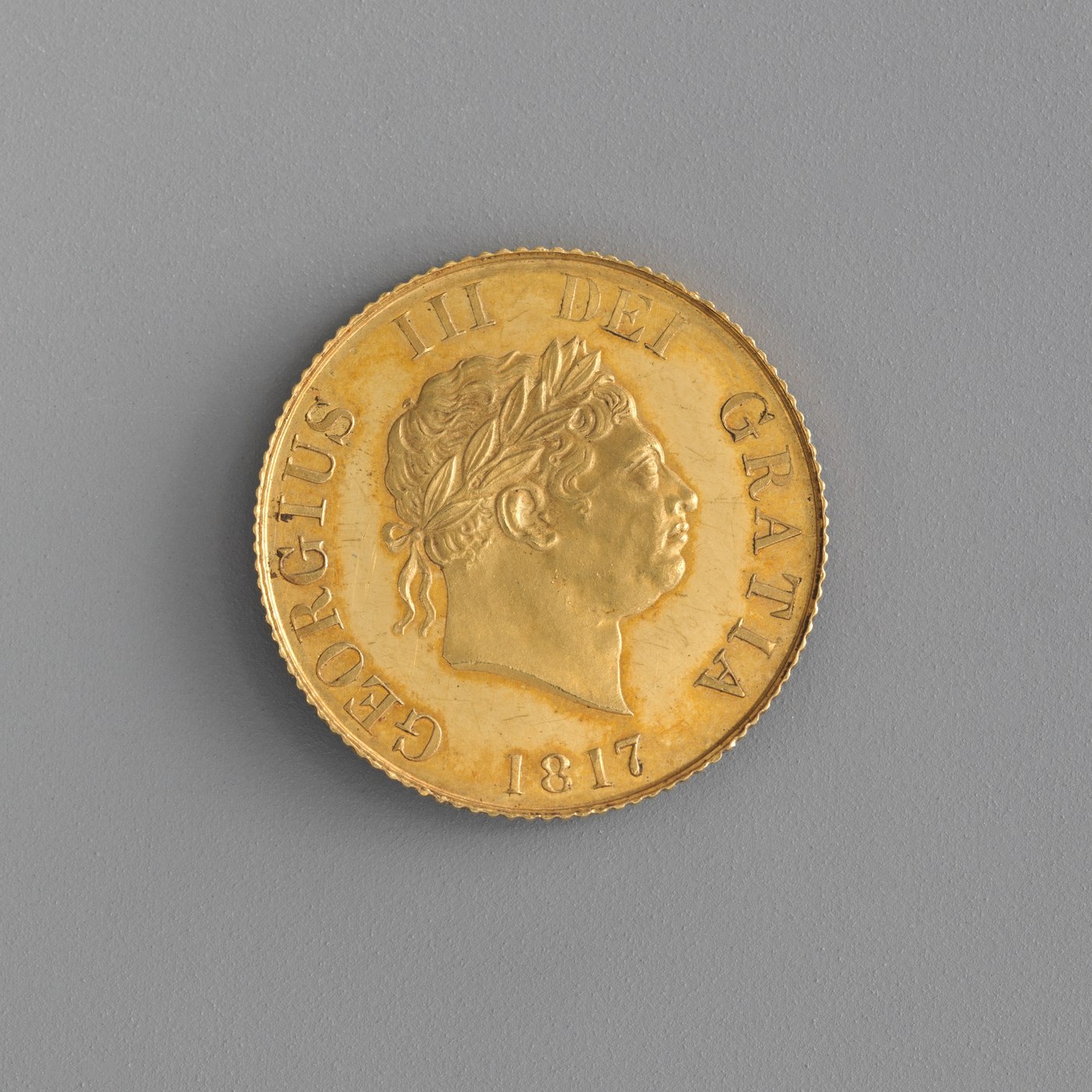
Half Sovereign of George III
British 22-carat gold half sovereign of George III, introduced in 1817 with a laureate bust and a crowned shield of arms; face value ten shillings.
- Country
- Great Britain
- Denomination
- Half Sovereign
- Metal
- Gold
Got a coin like this?
Identify any coin from a photo, free.
Overview
The Half Sovereign of George III is a small 22-carat gold coin worth ten shillings, first struck in 1817 as part of Britain's new gold coinage. It was issued alongside the full sovereign and shares the same designs at half the size, making it the smallest regularly circulating gold piece of the period.
The type belongs to the milled (machine-struck) series produced at the Royal Mint. It pairs a laureate bust of George III on the obverse with a crowned heraldic shield on the reverse, and was struck for only a few years at the end of the reign. Surviving examples range from heavily worn circulated pieces to scarcer well-preserved coins.
History & Background
The half sovereign was introduced in 1817 following the Great Recoinage that reformed Britain's currency after the Napoleonic Wars. The guinea and its fractions were retired, and a new decimal-friendly gold system based on the sovereign (twenty shillings) and half sovereign (ten shillings) took their place, struck to the modern 22-carat gold standard.
George III half sovereigns of this shield design were produced in the final years of his reign, principally dated 1817, 1818 and 1820, with the design engraved at the Royal Mint. The king died in January 1820, so the type spans only a short window before the coinage passed to George IV. Because it circulated as everyday money, much of the mintage was later worn, withdrawn or melted, and clean survivors are comparatively scarce today.
How to Identify
The obverse shows a laureate bust of George III facing right, encircled by the Latin legend GEORGIVS III DEI GRATIA ("George III, by the grace of God"). The laureate head, with a wreath rather than a crown, is the key identifying feature and usually remains recognizable even on worn coins.
The reverse displays a crowned heraldic shield bearing the quartered royal arms, surrounded by the continuation of the legend and the date. This early type has the plain crowned shield rather than the garnished, ornate shield later used under George IV. The date, such as 1817 on the coin shown here, appears on the reverse.
The half sovereign is a small gold coin, roughly 19 mm in diameter and weighing about 3.9-4.0 grams in 22-carat (0.917 fine) gold. Its modest size, warm gold color and laureate-bust/shield pairing distinguish it from the larger full sovereign and from silver coins of similar diameter.
Value & Collectibility
Values depend heavily on date and condition. Common dates in worn, circulated grade generally trade for a moderate premium over their gold bullion content, since each coin contains only a small amount of fine gold. Cleaned, bent, mounted or heavily worn pieces sit at the lower end of the range.
Better-preserved coins with clear detail command stronger collector premiums, and scarcer dates or high grades can reach into the hundreds or low thousands of pounds or dollars. Because George III half sovereigns were struck for only a few years, genuinely sharp, problem-free examples are not easy to find and are valued accordingly.
As a gold coin, the type has been copied and forged, and some pieces have been used in jewellery. Weight, diameter, the correct laureate-bust and shield designs, and gold color should all be checked, with significant purchases best made from reputable dealers or with independent authentication.
Frequently asked questions
What is a George III half sovereign worth?
Common worn dates typically trade at a moderate premium over their gold content, while sharp, well-preserved or scarcer-date examples can reach the hundreds or low thousands. Cleaning, bending, mounting and wear all reduce value.
How much gold is in a George III half sovereign?
It is struck in 22-carat (0.917 fine) gold and weighs about 3.9-4.0 grams overall, giving a small fine-gold content of roughly a tenth of a troy ounce. Its bullion value forms the base for its collector price.
What years was the George III half sovereign struck?
This shield type was introduced in 1817 and struck in the final years of the reign, mainly dated 1817, 1818 and 1820, ending when George III died in January 1820.
What does the reverse of the coin show?
A crowned heraldic shield bearing the quartered royal arms, with the legend and date around it. The obverse shows the laureate bust of George III facing right with the inscription GEORGIVS III DEI GRATIA.
Half Sovereign of George III guides
In-depth guides for identifying, valuing, and collecting Half Sovereign of George III.
Other coins you may enjoy
Spade Guinea
1760-1820
Two Guineas of George II
1738–1753
Shilling of Victoria
1838-1901
Sovereign of George IV
1821-1830
Sovereign of William IV
1831–1837
Penny of William IV
1831-1837
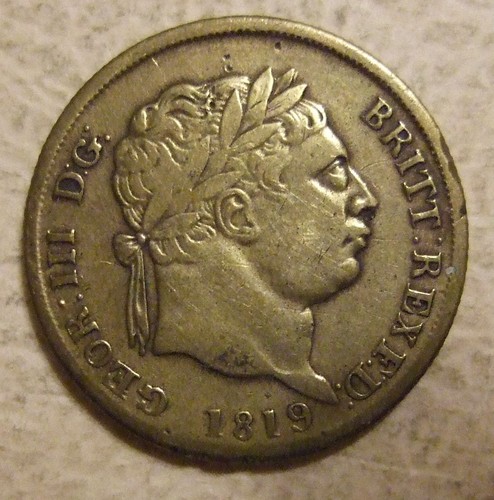
Shilling of George III
1816-1820
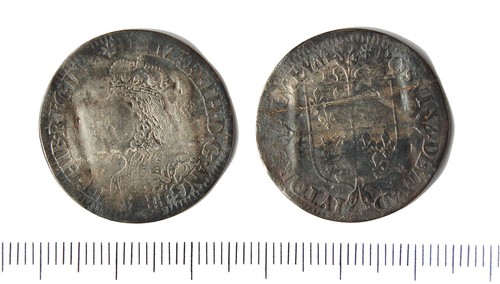
Milled Sixpence of Elizabeth I
1561-1571
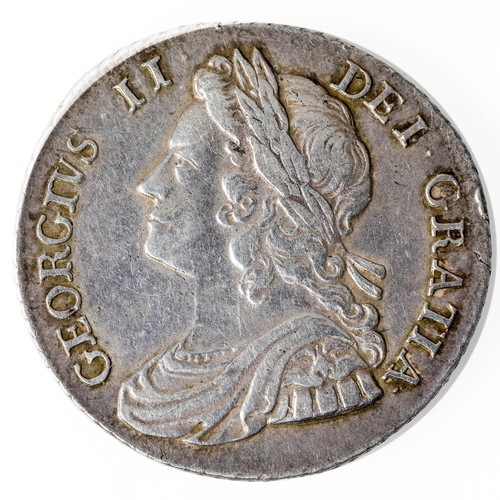
Shilling of George II
1727-1758
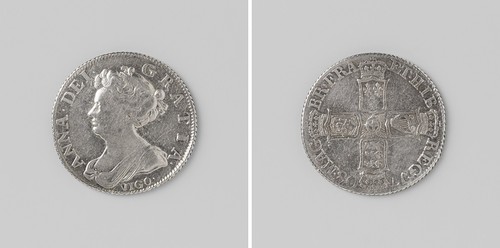
Shilling of Anne
1702-1714
Charles II Twopence
1660-1685
Charles II Half Crown
1660–1685