New Zealand Sixpence
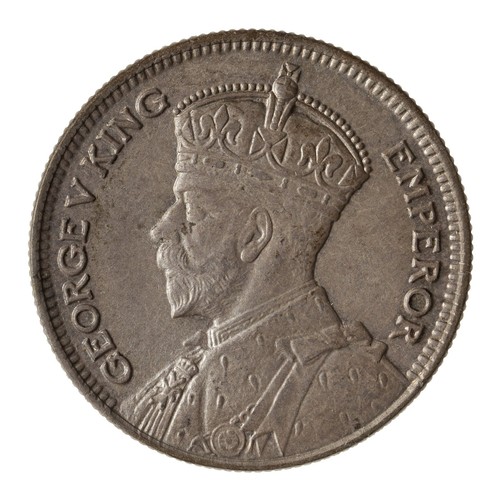
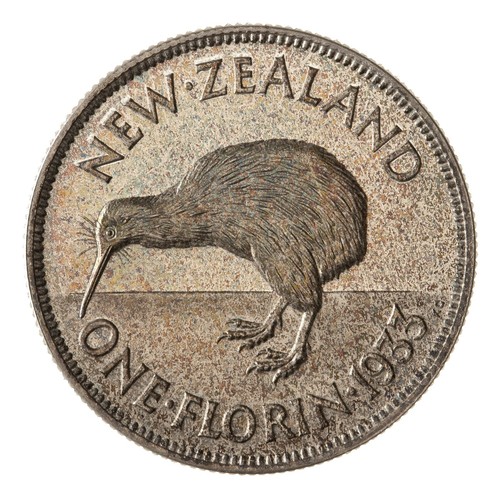
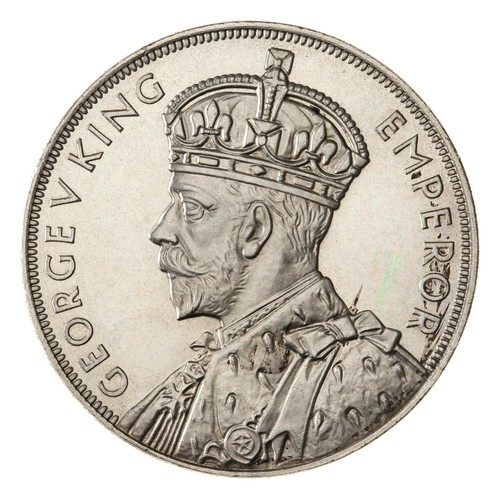
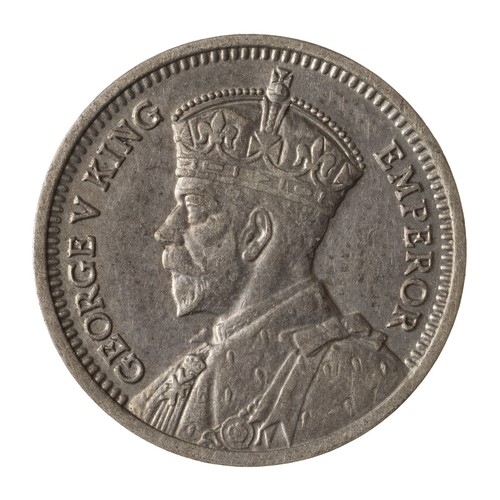
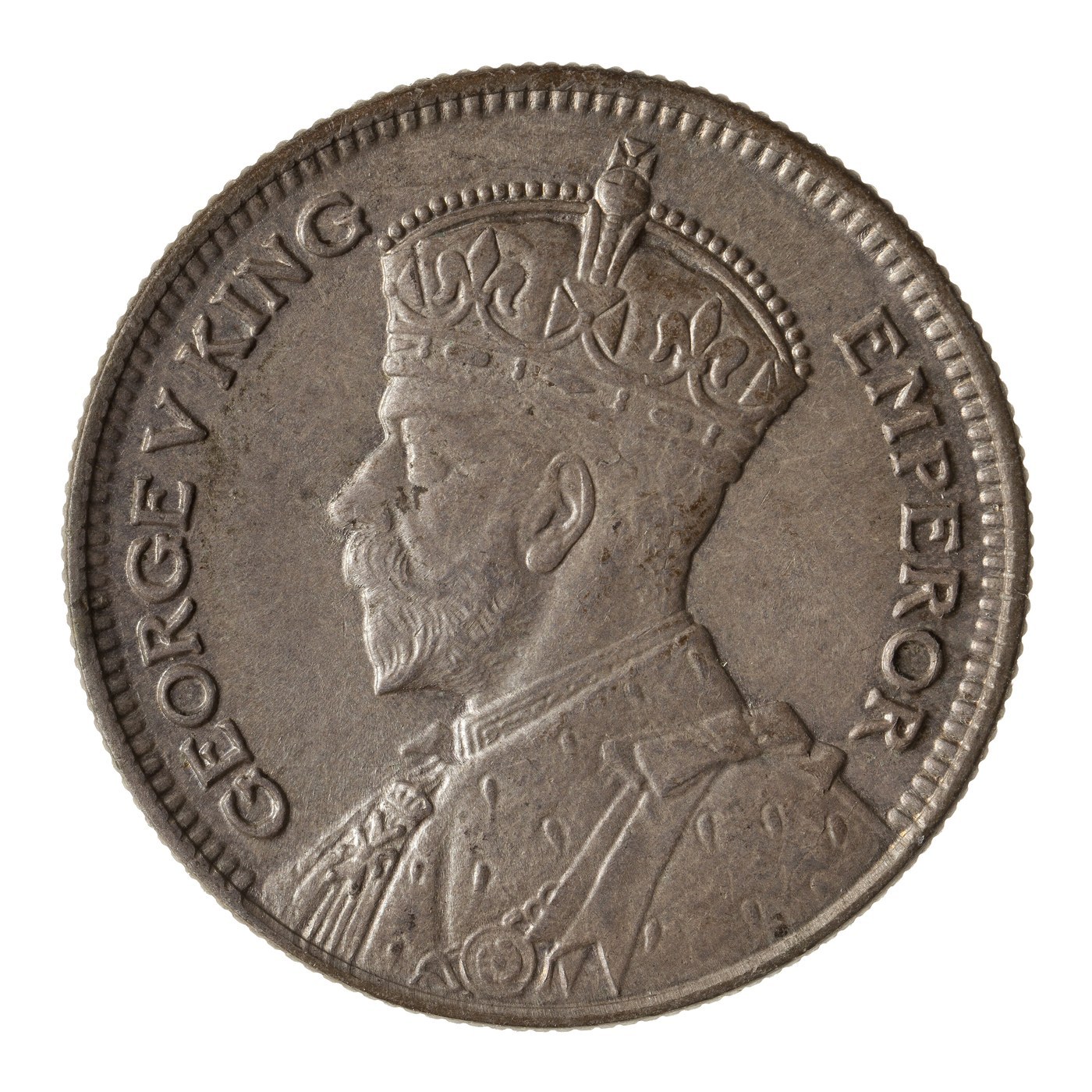
New Zealand's small silver sixpence, famed for its native-bird reverse. This 1934 example shows King George V and the bird design with NEW ZEALAND SIXPENCE.
- Country
- New Zealand
- Denomination
- Sixpence
- Metal
- Silver
Got a coin like this?
Identify any coin from a photo, free.
Overview
The New Zealand Sixpence is a small silver coin from New Zealand's pre-decimal coinage. The example shown here is dated 1934 and carries a portrait of King George V on the obverse with the legend GEORGIVS V D:G: EMPEROR, while the reverse shows a native New Zealand bird in flight above the words NEW ZEALAND SIXPENCE and the year.
The coin is a compact silver piece, roughly 19 mm across and weighing under 3 grams. Its bird reverse is the most recognizable feature of the type and is why collectors often refer to New Zealand's sixpence as the "huia" or bird sixpence.
The sixpence was one of the everyday denominations of New Zealand's pre-decimal system, worth half a shilling. It circulated widely and was struck across a long run of dates under several monarchs, of which this George V issue is among the earliest.
History & Background
New Zealand introduced its own distinct coinage in 1933, replacing the British and Australian coins that had circulated there before. The new silver series was designed with local imagery, and the sixpence received a native New Zealand bird reverse by the artist George Kruger Gray, a design widely associated with the huia. The coins were struck at the Royal Mint in London for New Zealand.
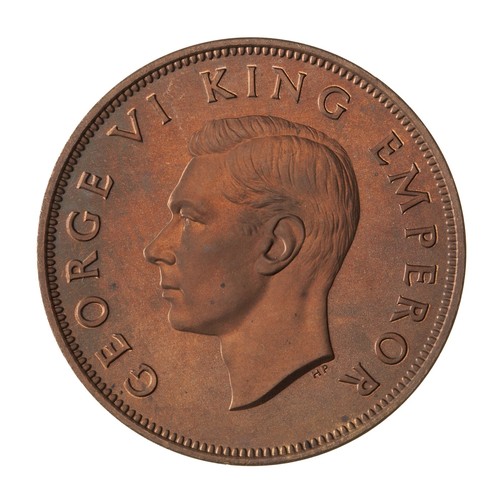
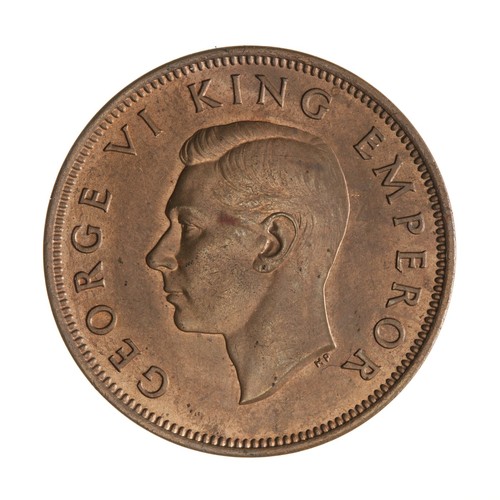
The 1934 sixpence shown here belongs to the first George V phase of the series. King George V's portrait appeared on the coinage until his death in 1936, after which King George VI, and later Queen Elizabeth II, appeared on later sixpences. The bird reverse continued throughout.
The denomination outlasted several changes in metal composition. Early sixpences, including this 1934 issue, were struck in silver, while later years shifted to a base-metal alloy before the sixpence was retired at decimalization. New Zealand adopted decimal currency in 1967, ending the pre-decimal sixpence.
How to Identify
Read the reverse to confirm the type. A native bird in flight above the words NEW ZEALAND SIXPENCE with a date positively identifies this coin. No other denomination carries this exact wording, and the small size sets it apart from the larger shilling and florin.
The obverse of this example shows King George V facing left with the legend GEORGIVS V D:G: EMPEROR. Later sixpences of the same reverse design instead name George VI or Elizabeth II, so the monarch and legend tell you which phase of the series you hold. The 1934 date places this coin firmly in the George V period.
Confirm the physical standard: a small coin about 19 mm in diameter and under 3 grams, with a reeded edge. Early dates like 1934 are silver (a half-silver alloy), which distinguishes them from the base-metal sixpences struck in later years of the series.
Value & Collectibility
As an early silver sixpence, the 1934 issue carries a small floor of bullion value from its silver content, with numismatic demand adding a premium above that. Being a first-decade George V date, it is generally more sought after than the common later base-metal sixpences of the series.
Condition is the main driver of price. Well-worn circulated examples are affordable and widely available, while sharp, lightly circulated, or uncirculated coins command higher premiums. Cleaning, heavy toning, and edge damage all reduce desirability on a coin this small.
Values move with the silver market and with grade, so treat any figure as indicative only. For a specific coin, get a written opinion from a reputable dealer or a third-party grading service before buying, selling, or insuring.
Frequently asked questions
Is the 1934 New Zealand Sixpence real silver?
Yes. Early New Zealand sixpences, including the 1934 issue, were struck in a half-silver alloy. Later years of the series switched to a base-metal composition.
What bird is on the New Zealand Sixpence?
The reverse shows a native New Zealand bird in flight, a design by George Kruger Gray widely associated with the huia. It appears above the words NEW ZEALAND SIXPENCE.
Why does the coin say EMPEROR next to George V?
The legend GEORGIVS V D:G: EMPEROR reflects the king's title of Emperor of India, part of the standard royal styling used on British Commonwealth coinage of the period.
How big is the New Zealand Sixpence?
It is a small coin, roughly 19 mm across and under 3 grams, with a reeded edge. It is noticeably smaller than the New Zealand shilling and florin.
How much is a 1934 New Zealand Sixpence worth?
Circulated examples trade modestly above their silver value, while high-grade coins bring more. Values depend on condition and the silver price, so have a specific coin appraised.
New Zealand Sixpence guides
In-depth guides for identifying, valuing, and collecting New Zealand Sixpence.