
How to Identify the New Zealand Sixpence
Collector checks for New Zealand's silver sixpence: the bird reverse, monarch and legend, small silver size, dates, and authentication cautions.
Read the full New Zealand Sixpence encyclopedia entry →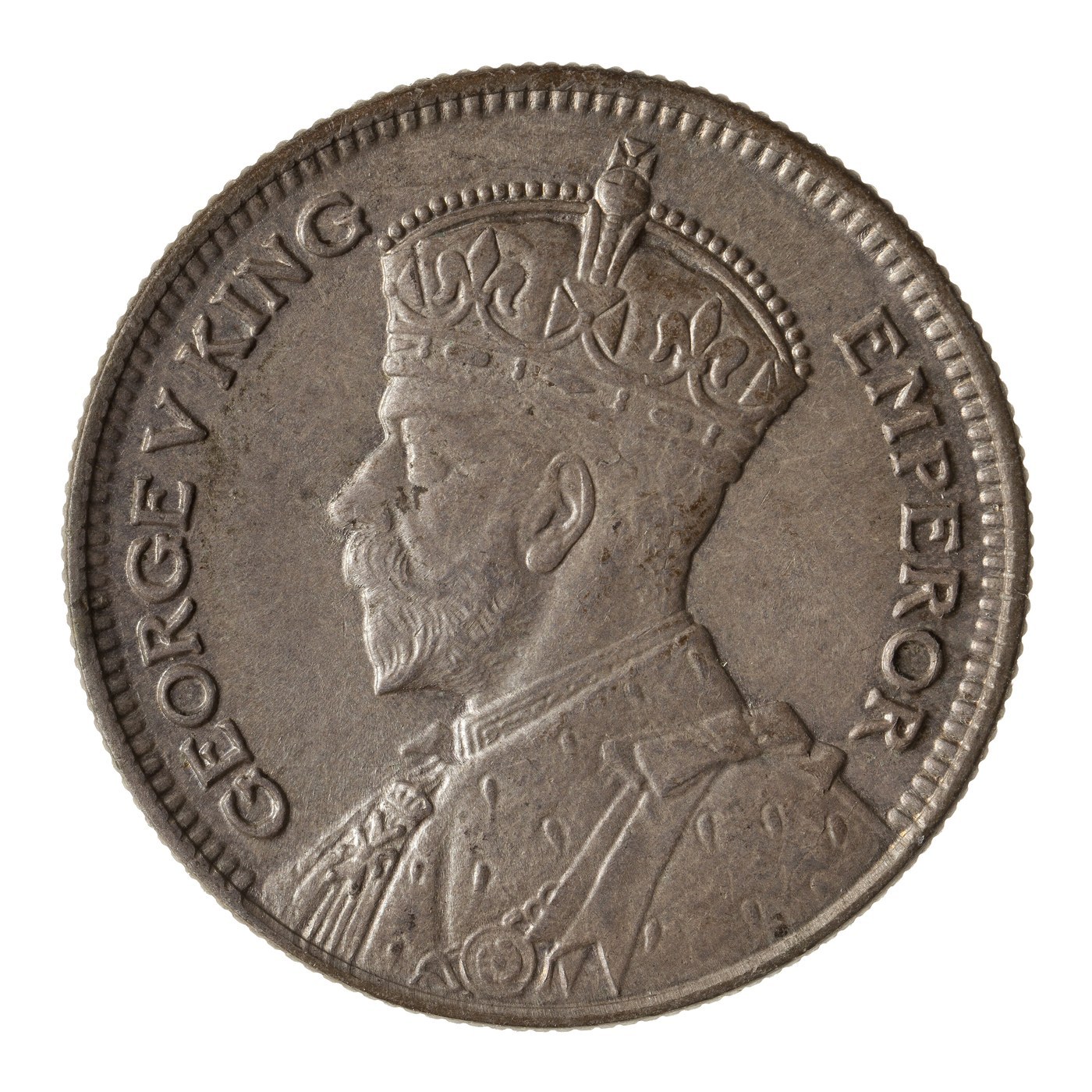
Start with the reverse, because it settles the identification. Look for a native New Zealand bird in flight over the words NEW ZEALAND SIXPENCE and a date. That wording and design belong to the sixpence alone; if the reverse names a different value or shows a different device, you are holding another denomination such as the shilling or threepence.
Next, read the obverse to fix the era. This example shows King George V facing left with the legend GEORGIVS V D:G: EMPEROR. The same bird reverse was used with later monarchs, so a George VI or Elizabeth II portrait means a later coin in the same series. The 1934 date confirms an early George V striking.
Use size and metal as a cross-check. A genuine sixpence is small, about 19 mm across and under 3 grams, with a reeded edge. The 1934 issue is a half-silver alloy, so it should not be attracted to a magnet; a strongly magnetic "sixpence" is wrong. A small scale and caliper will catch most base-metal copies, and they help separate the early silver dates from the later base-metal sixpences of the series.
Mind the look-alikes. New Zealand's sixpence can be confused with the similarly sized British sixpence and Australian sixpence of the same period; the reverse legend NEW ZEALAND is the deciding detail. Threepences are smaller and shillings larger, so the diameter alone rules several of these out at a glance.
For authentication, remember that small silver coins are more often damaged or cleaned than counterfeited, but altered dates and polished surfaces do occur. Inspect the date and legends under magnification, and for any high-grade or higher-value example seek an opinion from a reputable dealer or a third-party grading service before relying on it.
Frequently asked questions
How do I tell a New Zealand sixpence from a British one?
Read the reverse legend. The New Zealand coin spells out NEW ZEALAND SIXPENCE with a native bird in flight, while the British sixpence carries different wording and heraldic devices.
How do I know it is a sixpence and not a shilling?
Size and wording. The sixpence is small, about 19 mm and under 3 grams, and its reverse says SIXPENCE. The shilling is noticeably larger and heavier with different reverse wording.
Is a 1934 sixpence magnetic?
No. It is a half-silver alloy and should not stick to a magnet. A strongly magnetic coin claiming to be a 1934 New Zealand sixpence is not genuine.
Does the coin have a mint mark?
New Zealand sixpences of this period were struck at the Royal Mint and typically carry no visible mint-mark letter. Identify the coin by its reverse legend, monarch, and date.