New Zealand Threepence
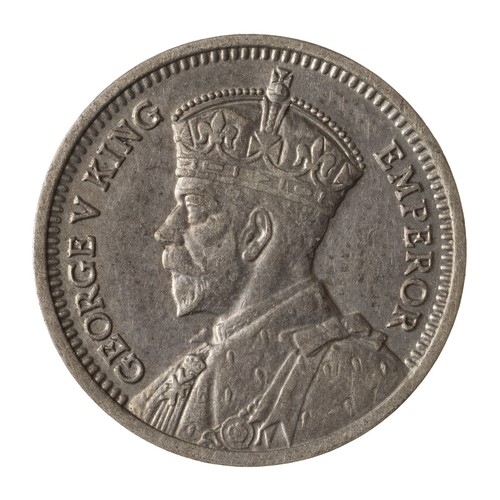
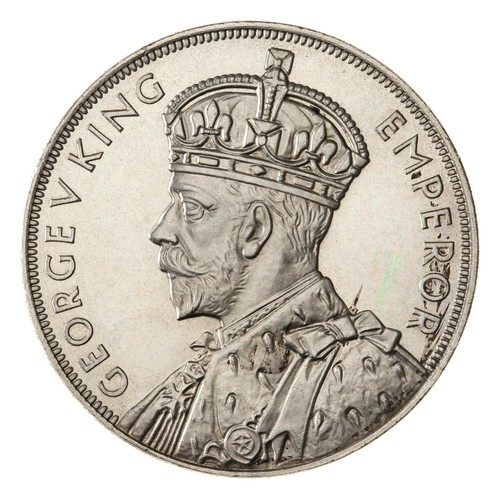
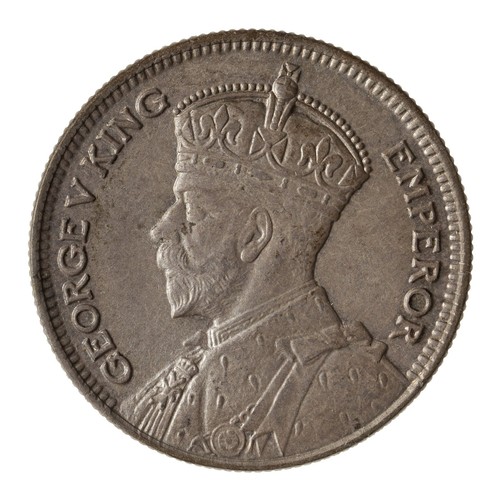
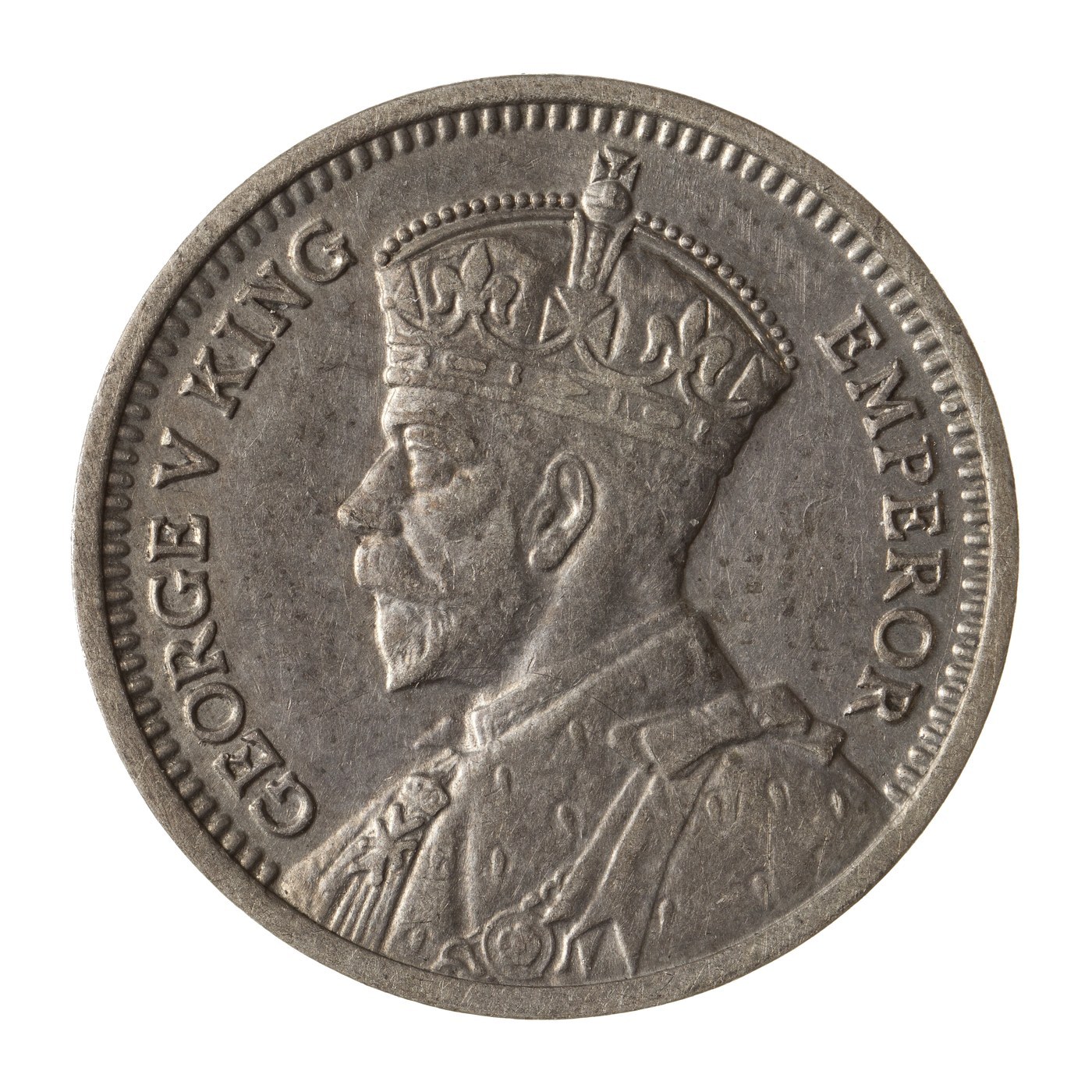
New Zealand's small silver threepence; this 1933 example carries the crowned bust of King George V with GEORGIVS V and his royal titles.
- Country
- New Zealand
- Denomination
- Threepence
- Metal
- Silver
Got a coin like this?
Identify any coin from a photo, free.
Overview
The New Zealand Threepence was the smallest silver coin in the country's pre-decimal series, a tiny three-penny piece used for everyday small change. The example shown here is dated 1933, the very first year of distinct New Zealand coinage, and its obverse carries the crowned bust of King George V with the legend beginning GEORGIVS V and continuing with his royal titles as King and Emperor of India.
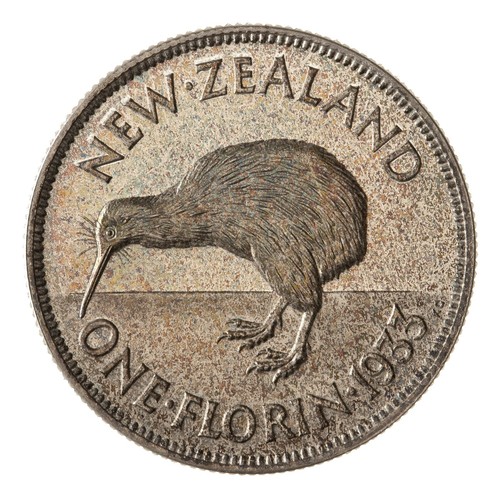
The reverse of this type, not shown in this image, carries two crossed Maori patu (short striking clubs) with THREE PENCE and the date, a design by George Kruger Gray. The coin is easy to overlook because of its size: it measures only about 16 mm across and weighs a little over one gram.
Struck in .500 (half) silver for its silver years, the threepence was worth three pence, a quarter of a shilling. It circulated widely across New Zealand until the shift to decimal currency in 1967, by which point later dates were being struck in base metal rather than silver.
History & Background
New Zealand used British and Australian coins for decades before introducing its own distinct coinage in 1933. This 1933 threepence is therefore a first-year issue of the national series, struck under King George V, whose crowned portrait appears on the obverse.
The threepence reverse, the two crossed patu designed by George Kruger Gray, was used throughout the denomination's life. The obverse portrait changed with the monarch: George V through 1936, then George VI, and finally Queen Elizabeth II, so a GEORGIVS V bust with a 1933 to 1936 date belongs to this earliest George V type.
The threepence was struck in .500 silver from 1933 until 1946. From 1947 onward the composition changed to cupro-nickel as silver was withdrawn from circulating coinage, so early dates such as this 1933 coin are genuine silver while post-war dates are not. The denomination was retired when New Zealand adopted decimal currency in 1967.
How to Identify
Identify this coin first by its small size and its portrait. The obverse shows the crowned, left-facing bust of King George V with a legend beginning GEORGIVS V and his Latin royal titles, which on this series run to his style as King and Emperor of India. A crowned George V bust with a 1933 date marks this earliest New Zealand type.
The reverse, not visible on this example, should show two crossed patu (Maori clubs) with the words THREE PENCE and the date. That crossed-club design is the signature of the New Zealand threepence and separates it from the British and Australian threepences of the same era, which use different reverse designs.
Confirm the physical standard as a cross-check: the threepence is silver, only about 16 mm in diameter, weighs roughly 1.4 grams, and has a plain (smooth) edge. Coins dated 1933 through 1946 are .500 silver; those from 1947 are cupro-nickel. The very small size and light weight distinguish it from the larger sixpence and shilling.
Value & Collectibility
Most circulated New Zealand threepences carry a modest value driven by their small silver content plus a collector premium. Because each coin holds only a little over a gram of half-silver, the bullion value is small, so condition and date matter more than metal for most examples.
The 1933 first-year date is of interest to collectors as the start of the national series, and well-preserved early George V coins carry a premium over common worn pieces. Certain scarcer dates and higher grades in the threepence series bring considerably more to specialists, while heavily worn common dates trade for little above face-collector interest.
Values shift with the silver price and, more importantly, with grade and scarcity, so treat any figure as indicative only. For a specific coin, especially an early date or a sharp uncirculated example, seek an opinion from a reputable dealer or a third-party grading service before buying, selling, or insuring it.
Frequently asked questions
Is the New Zealand Threepence made of real silver?
Yes, for the early dates. Threepences from 1933 through 1946, including this 1933 coin, are .500 (half) silver. From 1947 onward the coin was struck in cupro-nickel, a base metal, rather than silver.
Why is this coin dated 1933 significant?
1933 was the first year New Zealand issued its own distinct coinage, having previously used British and Australian coins. This threepence is therefore a first-year issue of the national series.
What is on the reverse of the threepence?
The reverse shows two crossed Maori patu (short clubs) with the words THREE PENCE and the date, a design by George Kruger Gray. It is not shown on this image but is the standard reverse for the type.
Whose portrait is on the obverse?
A 1933 threepence carries the crowned bust of King George V, with a legend beginning GEORGIVS V and his Latin royal titles around the rim, including his style as Emperor of India.
How much is my New Zealand Threepence worth?
Circulated silver dates are worth a small amount for their silver content plus a collector premium; early or high-grade coins bring more. Have a specific coin appraised for an accurate figure.
New Zealand Threepence guides
In-depth guides for identifying, valuing, and collecting New Zealand Threepence.