New Zealand Penny
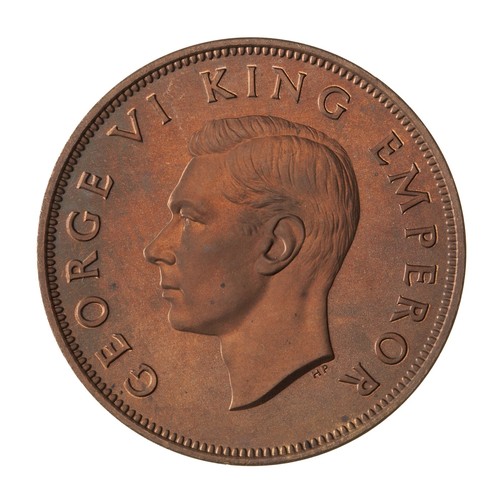
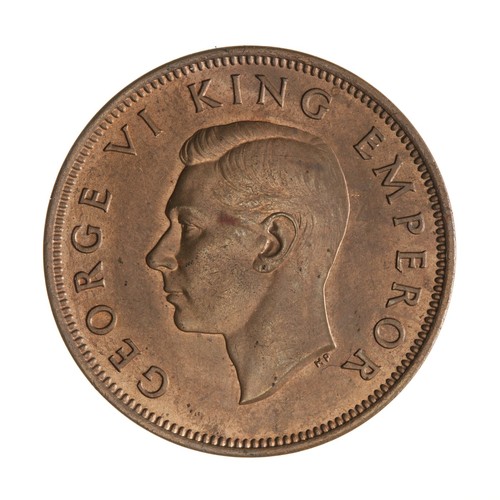
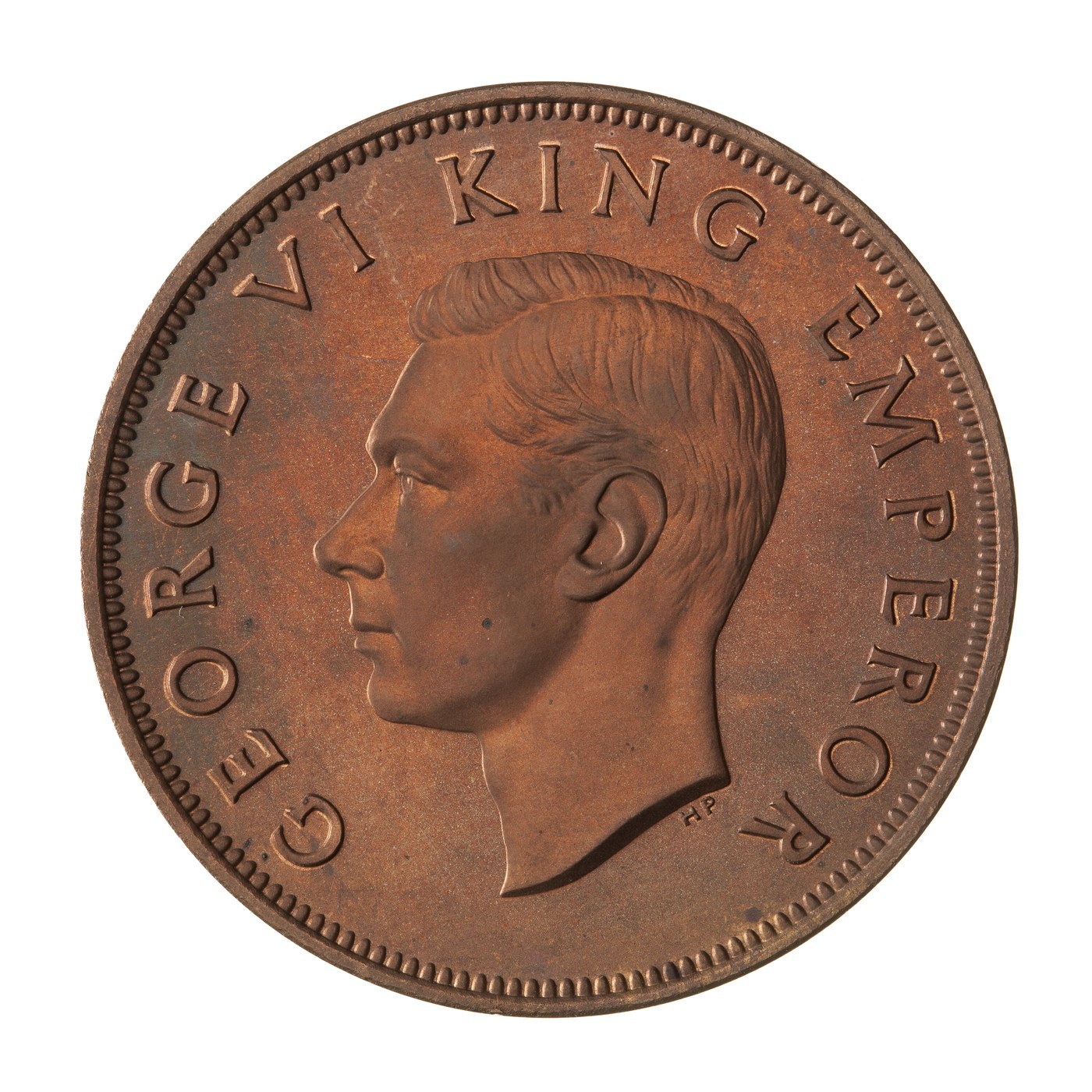
New Zealand's large bronze pre-decimal penny, with George VI on the obverse and a tui bird perched among fern fronds on the reverse.
- Country
- New Zealand
- Denomination
- Penny
- Metal
- Bronze
Got a coin like this?
Identify any coin from a photo, free.
Overview
The New Zealand penny is the large bronze coin that circulated before the country decimalised in 1967. The example shown is a George VI issue: the obverse carries the king's bare head facing left with a Latin legend, while the reverse shows a tui—a native New Zealand songbird—perched on a branch among fern foliage, with NEW ZEALAND, ONE PENNY and the date 1940.
At roughly 31 mm across and about 9.4 grams, it is a big, heavy coin by modern standards. Twelve pennies made a shilling and 240 made a pound, following the same pre-decimal scheme used across the British Commonwealth of the day.
The 1940 date is the first year the New Zealand penny was struck and coincides with the country's centennial. Many dates in the series are common in worn condition, so collector interest tends to focus on grade, specific scarcer dates and varieties rather than the type as a whole.
History & Background
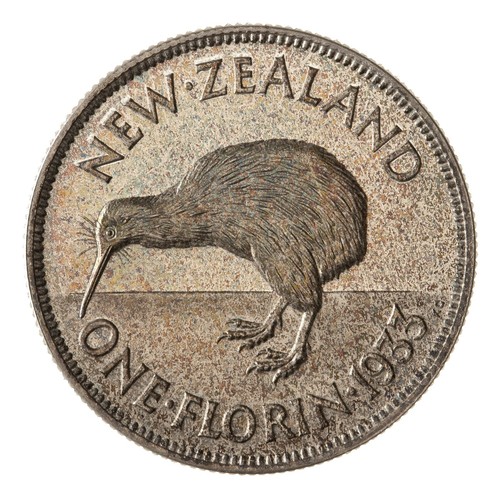
New Zealand used British and Australian coins for much of its early history and only introduced its own distinct coinage in 1933, beginning with silver denominations. Bronze pennies and halfpennies did not follow until 1940, which is why 1940 is the first year for the New Zealand penny and why that inaugural issue is tied to the nation's 1940 centennial celebrations.
The reverse design, featuring a tui on a branch with fern fronds, was the work of New Zealand artist Leonard Cornwall Mitchell and gave the coin a strongly local character in place of the imperial motifs seen on earlier circulating money. The George VI obverse shows the king bare-headed and facing left, engraved by Thomas Humphrey Paget; the accompanying Latin legend named the monarch and, on earlier issues, his imperial titles.
The penny continued through the reign of George VI and into that of Elizabeth II, remaining a large bronze piece until New Zealand adopted decimal currency on 10 July 1967. Decimalisation retired the old penny in favour of the new cent-based system, ending more than a century of the pounds-shillings-pence tradition in New Zealand.
How to Identify
Look for a large bronze coin about 31 mm in diameter and around 9.4 g, distinctly bigger and heavier than a modern coin. The obverse shows a bare-headed king facing left with a Latin legend built around GEORGIVS VI, the abbreviated titling for George VI. The reverse is the key diagnostic: a tui bird perched on a branch surrounded by fern foliage, with NEW ZEALAND above, ONE PENNY and the date below.
The date is the fastest way to place a specific coin. A reading of 1940 marks the first year of issue and the centennial year. The metal is bronze, so expect a warm brown tone rather than the bright reddish shine of pure copper or the white of silver.
The combination of a left-facing George VI portrait and the tui-and-fern reverse identifies this as a George VI New Zealand penny. Later pennies in the series carry Elizabeth II on the obverse but keep the same tui reverse design.
Value & Collectibility
The New Zealand penny is a plentiful coin, and ordinary circulated examples are worth only modest sums—typically a little above face or metal value. Their appeal is largely historical and nostalgic, and worn common dates remain inexpensive.
Premiums attach to better-preserved coins with sharp, unworn detail on the tui and fern, and to the scarcer dates and varieties within the series. Condition and the exact date matter far more than the type name, so a crisp uncirculated piece can be worth a substantial multiple of a well-worn one.
If you have a penny you believe is unusual, confirm the exact date and examine the surfaces for original detail before assuming value. For anything potentially scarce or high grade, compare it against a current price guide or seek a specialist opinion rather than relying on the common-date baseline.
Frequently asked questions
What bird is on the New Zealand penny?
It is a tui, a native New Zealand songbird, shown perched on a branch among fern fronds. The reverse was designed by New Zealand artist Leonard Cornwall Mitchell.
Why does the penny start in 1940?
New Zealand did not strike its own bronze pennies until 1940, the year of the country's centennial. That makes 1940 the first year of issue for the denomination.
Who is on the obverse?
This example shows King George VI, bare-headed and facing left, with a Latin legend based on GEORGIVS VI. Later pennies in the series carry Queen Elizabeth II.
What is the coin made of?
It is bronze—an alloy of copper with small amounts of tin and zinc—giving the coin a warm brown colour rather than the bright red of pure copper.
Is a 1940 New Zealand penny valuable?
Most circulated examples are common and worth only a little above face value. Real premiums come from exceptional, well-preserved condition rather than the date alone.
New Zealand Penny guides
In-depth guides for identifying, valuing, and collecting New Zealand Penny.