New Zealand Halfpenny
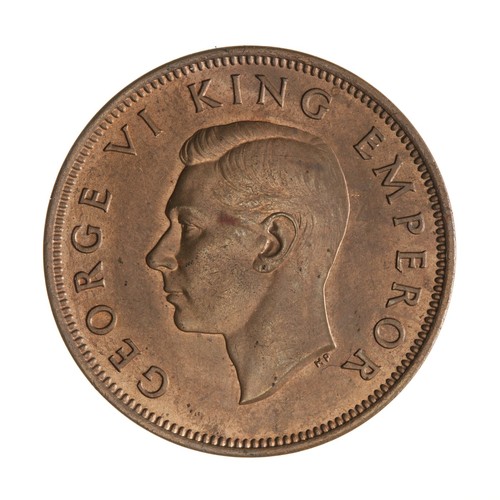
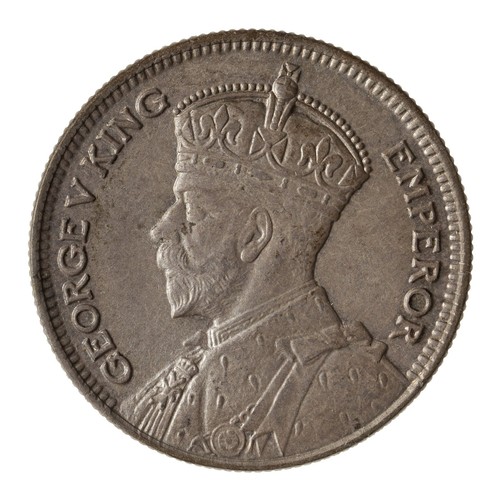
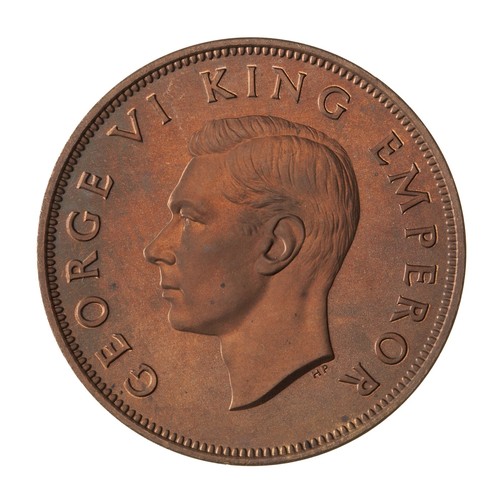
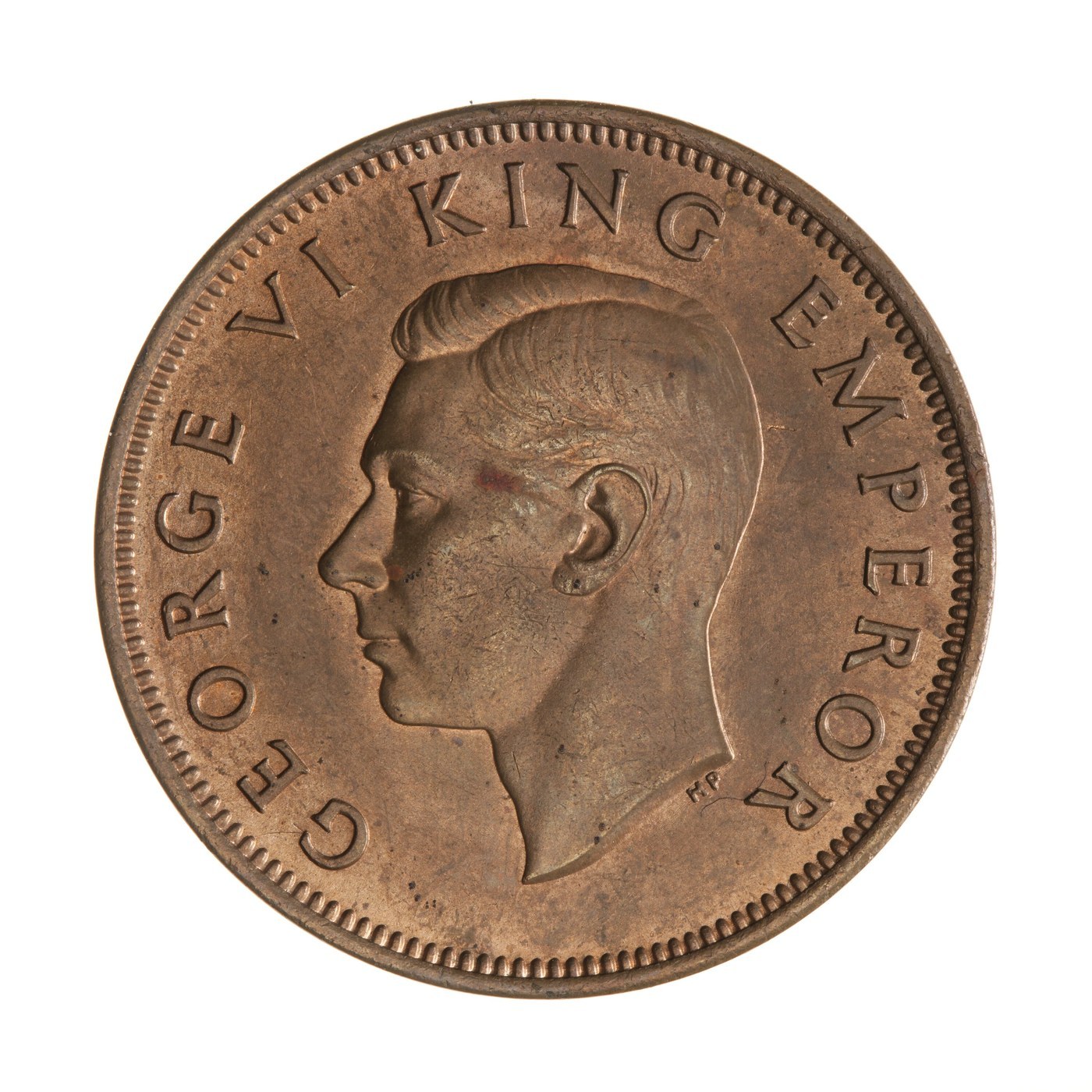
New Zealand's small bronze halfpenny, struck from 1940, with a royal portrait obverse and a Maori hei-tiki reverse. The coin shown is a 1940 George VI issue.
- Country
- New Zealand
- Denomination
- Halfpenny
- Metal
- Bronze
Got a coin like this?
Identify any coin from a photo, free.
Overview
The New Zealand Halfpenny is a small bronze coin of the pre-decimal system, valued at half of one penny. The example shown here is a 1940 issue bearing a portrait of King George VI on the obverse, the first year the denomination was struck for New Zealand.
The coin is made of bronze (a copper-based alloy with small amounts of tin and zinc), giving it a warm brown tone that darkens with age and handling. It is a compact coin, noticeably smaller than the penny, and was intended for small everyday transactions.
The reverse of the type carries a distinctive hei-tiki, a traditional Maori neck pendant carved in a stylised human form, with the word HALF above and PENNY below. This Maori motif sets the New Zealand halfpenny apart from the British and Australian bronze coins circulating in the same era.
History & Background
New Zealand did not strike its own coinage until 1933, having used British and Australian coins beforehand. The bronze penny and halfpenny were the last denominations to be added, first issued in 1940, which was also the centennial year of the Treaty of Waitangi. The 1940 halfpenny shown here is therefore both the first-year issue of the denomination and a coin tied to that anniversary.
The obverse portrait is of King George VI, who reigned from 1936 to 1952. The hei-tiki reverse design is the work of the New Zealand artist Leonard Cornwall Mitchell, whose Maori-themed reverses became a defining feature of the country's pre-decimal bronze and silver.
The halfpenny continued after George VI's death, with later coins carrying a portrait of Queen Elizabeth II from 1953 onward. The denomination was struck until 1965 and withdrawn when New Zealand adopted decimal currency in 1967, so all halfpennies date from the 1940-1965 window.
How to Identify
Start with the reverse, which is the signature of the type. A stylised hei-tiki (a Maori figure pendant) flanked by the words HALF and PENNY, with the date below, identifies the New Zealand halfpenny. No British or Australian bronze coin of the period carries this Maori motif.
The obverse of the coin shown is a portrait of King George VI, which places it in the 1940-1952 part of the series; the pictured coin is dated 1940, the first year of issue. Later halfpennies (1953-1965) instead show Queen Elizabeth II, so the monarch on the obverse narrows the date range immediately.
Confirm the physical standard. The halfpenny is bronze, brown in colour, non-magnetic, and clearly smaller than the New Zealand penny. Its size and the HALF PENNY wording separate it from the larger penny, which reads simply PENNY and shows a tui bird on a branch.
Value & Collectibility
As a common circulation bronze coin, the New Zealand halfpenny is generally an inexpensive collector item, and most worn examples trade for modest sums. Value is driven mainly by condition and date rather than metal content, since bronze carries little bullion value.
The 1940 first-year issue is a popular date because it is both the introductory year and linked to the country's centennial, and clean, well-struck examples attract more interest than heavily worn ones. Coins that retain original mint red colour and sharp detail command a premium over brown, circulated pieces.
Values vary with grade and the wider collector market, so treat any figure as indicative. For a specific coin, particularly a high-grade or uncirculated example, seek an opinion from a reputable dealer or a third-party grading service before buying, selling, or insuring.
Frequently asked questions
What metal is the New Zealand halfpenny made of?
It is struck in bronze, a copper-based alloy with small amounts of tin and zinc. It is brown in colour, non-magnetic, and carries very little bullion value.
Why does the 1940 halfpenny matter?
1940 was the first year New Zealand issued its own halfpenny, and it coincided with the centennial of the Treaty of Waitangi, making the date popular with collectors.
What is the figure on the reverse?
It is a hei-tiki, a traditional Maori neck pendant carved in a stylised human form. This Maori motif is a defining feature of New Zealand's pre-decimal coinage.
Which monarch is on the New Zealand halfpenny?
King George VI appears on issues from 1940 to 1952, including the 1940 coin shown here. Queen Elizabeth II appears on later issues from 1953 to 1965.
How much is a New Zealand halfpenny worth?
Most circulated examples are inexpensive. Value depends chiefly on condition and date, with sharp, original-colour coins worth more. Have a specific coin appraised for an accurate figure.
New Zealand Halfpenny guides
In-depth guides for identifying, valuing, and collecting New Zealand Halfpenny.