
Coin Encyclopedia
Search and identify coins from around the world — with country, denomination, metal, mint, history, and how to tell them apart.
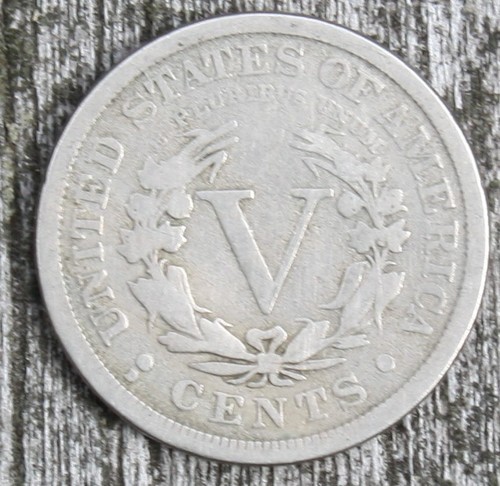
Liberty Head Nickel
U.S. five-cent piece struck 1883–1912, showing a left-facing Liberty head ringed by stars, with a Roman-numeral "V" reverse; the 1913 issue is a legendary rarity.
Nickel Five Cent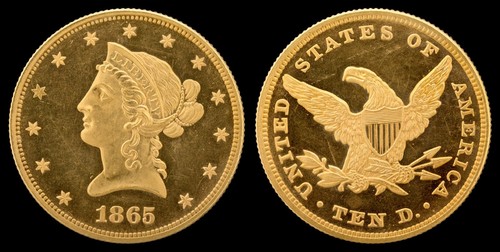
Liberty Head Eagle
A United States $10 gold coin struck 1838-1907, with Christian Gobrecht's coronet-crowned Liberty head and a shielded eagle. The example shown is dated 1839.
Eagle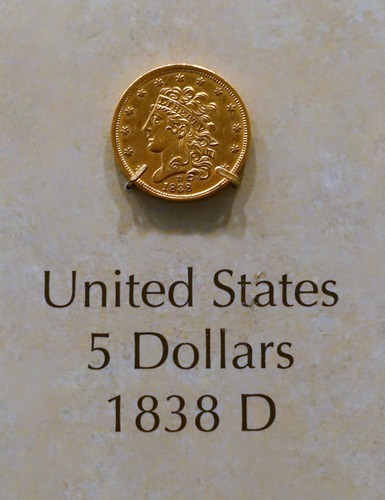
Liberty Head Half Eagle
United States $5 gold coin with a left-facing Liberty head ringed by stars and a spread-winged eagle reverse; the pictured piece is dated 1838.
United States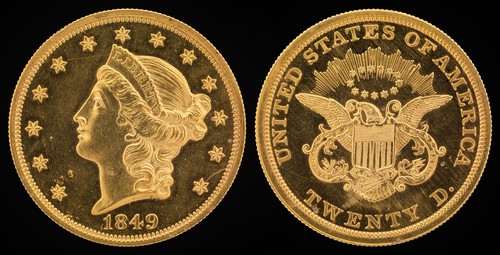
Liberty Head Double Eagle
U.S. $20 gold coin struck 1850–1907, showing a coroneted Liberty head left and a heraldic eagle with shield; the 1869 is a with-motto Type 2.
Double Eagle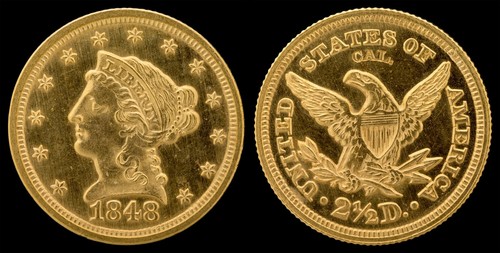
Liberty Head Quarter Eagle
U.S. $2.50 gold coin struck 1840–1907, with a coronet-crowned Liberty head obverse and a shield-breasted eagle reverse marked "2½ D."
Quarter Eagle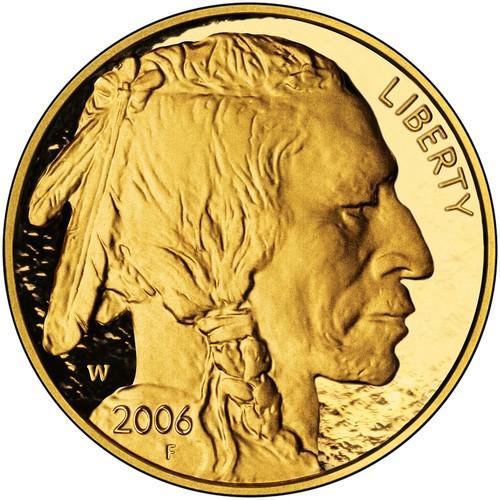
Buffalo Nickel
Iconic U.S. five-cent coin struck 1913–1938, with a Native American profile on the obverse and a standing American buffalo on the reverse.
Nickel Five Cent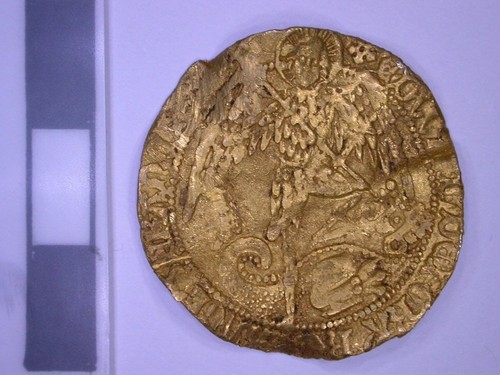
Edward V Angel
Gold angel struck in the brief 1483 reign of Edward V, showing Saint Michael the archangel spearing a demon, with a royal shield of arms on the reverse.
Medieval Coins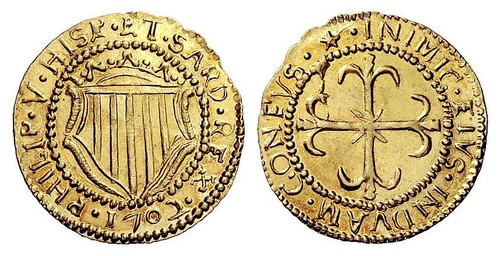
Scudo (Philip V)
A gold scudo struck for Spanish-ruled Sardinia under Philip V, bearing a crowned shield flanked by the Columns of Hercules and a cross reverse.
Early Modern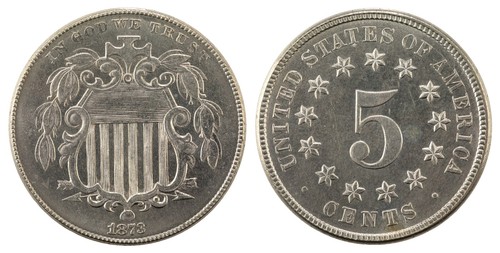
Shield Nickel
The first U.S. five-cent piece struck in copper-nickel, showing a Union shield on the obverse and a large numeral 5 on the reverse, made 1866–1883.
Nickel Five Cent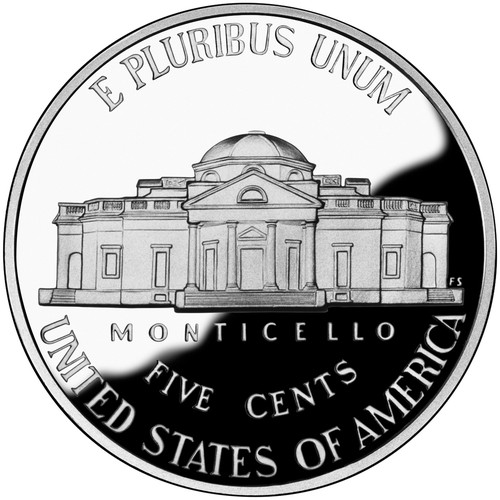
Jefferson Nickel
U.S. five-cent piece introduced in 1938, showing Thomas Jefferson on the obverse and his Monticello home on the reverse. 1942–1945 issues are 35% silver.
Nickel Five Cent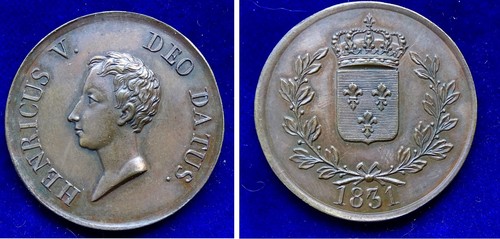
Henri V Five Francs
An 1831 French five-franc piece struck for the Legitimist pretender Henri V, showing his young profile and the royal fleur-de-lis shield.
World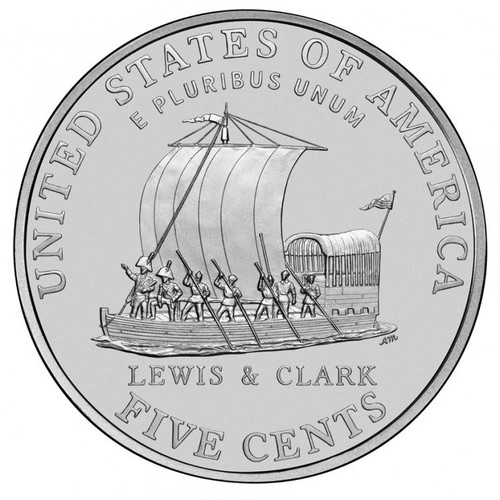
Westward Journey Nickel
A 2004 Jefferson nickel from the Westward Journey series, showing the Lewis & Clark keelboat under sail on the reverse to mark the expedition's bicentennial.
Nickel Five Cent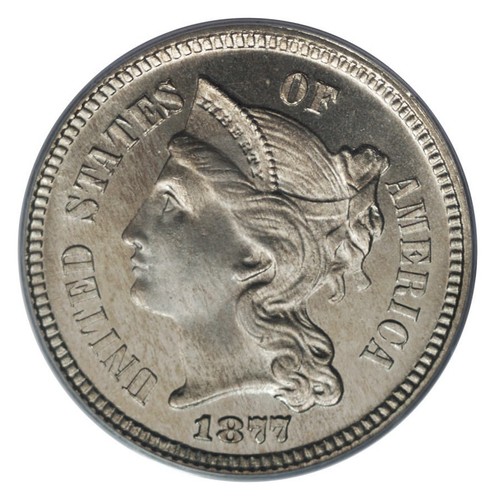
Three Cent Nickel
A small copper-nickel three-cent coin with a Liberty head obverse and a Roman numeral III inside a wreath; struck at Philadelphia from 1865 to 1889.
Three Cent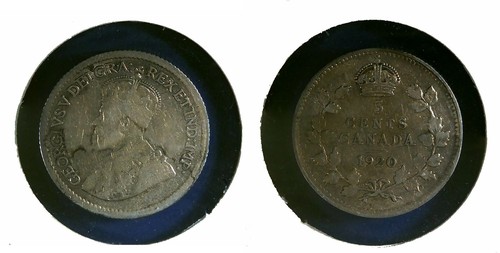
Canadian Five Cents (Nickel)
Canada's five-cent 'nickel,' with G.E. Kruger Gray's beaver reverse. This 1987 example pairs the beaver with an Elizabeth II portrait.
Canadian & Provincial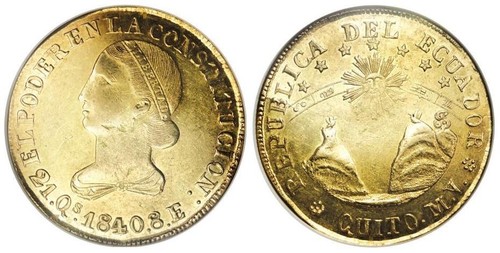
Escudo (Joanna and Charles V, contemporary copy)
A contemporary gilded copper-alloy copy imitating a Spanish gold escudo of Joanna and Charles V, made to pass as the real Habsburg gold coin.
Early Modern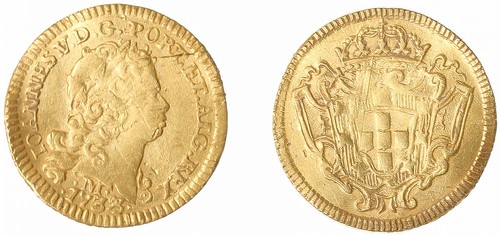
Half Escudo (800 Reis) of Joao V
A small Portuguese gold coin of King Joao V, valued at half an escudo (800 reis), with his laureate bust and a crowned Portuguese shield.
Colonial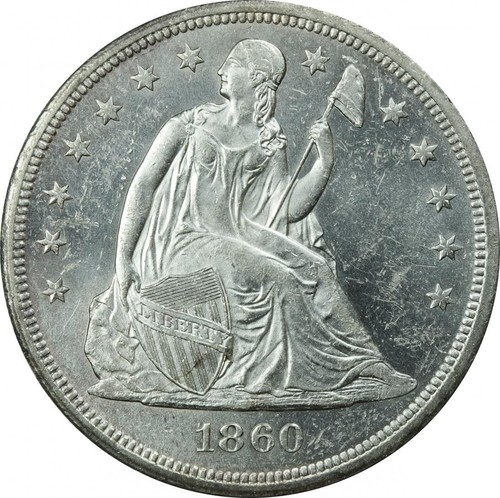
Seated Liberty Dollar
U.S. silver dollar (1840-1873) with Liberty seated holding a shield and a liberty-cap pole, ringed by stars. The pictured coin is dated 1860.
Dollar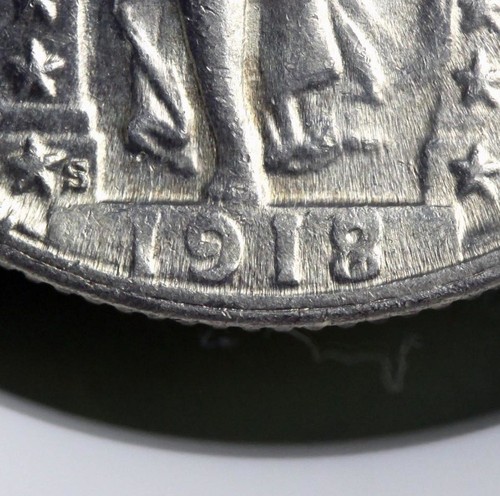
Standing Liberty Quarter
U.S. 90% silver quarter struck 1916–1930, showing a standing Liberty with shield on the obverse and an eagle in flight on the reverse.
Quarter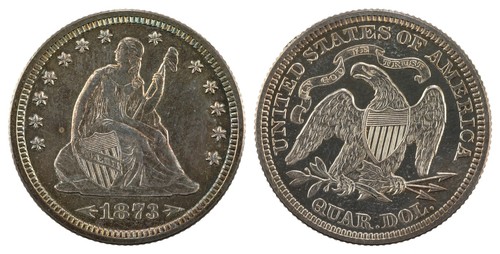
Seated Liberty Quarter
U.S. twenty-five-cent silver coin struck 1838–1891, showing Liberty seated with shield and staff on the obverse and a shield-breasted eagle on the reverse.
Quarter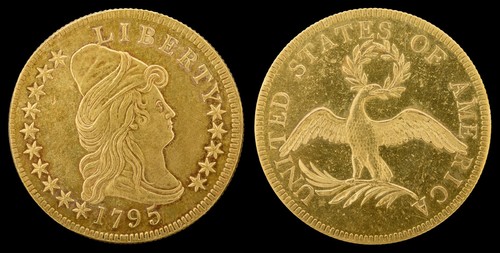
Turban Head Eagle
The first U.S. ten-dollar gold coin, struck 1795–1804, with a right-facing Liberty in a soft cap and an eagle reverse.
Eagle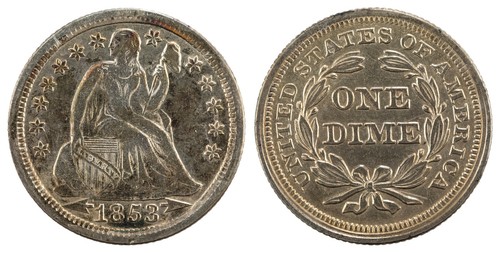
Seated Liberty Dime with Arrows
A silver Seated Liberty dime with small arrows flanking the date, marking the 1853 weight reduction; struck 1853–1855, with the pictured coin dated 1853.
Dime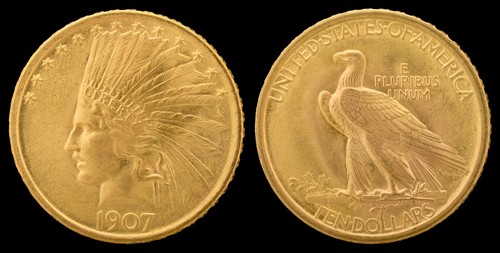
Indian Head Eagle
U.S. $10 gold eagle struck 1907–1933, designed by Augustus Saint-Gaudens, with a feathered-headdress Liberty and a standing eagle reverse.
Eagle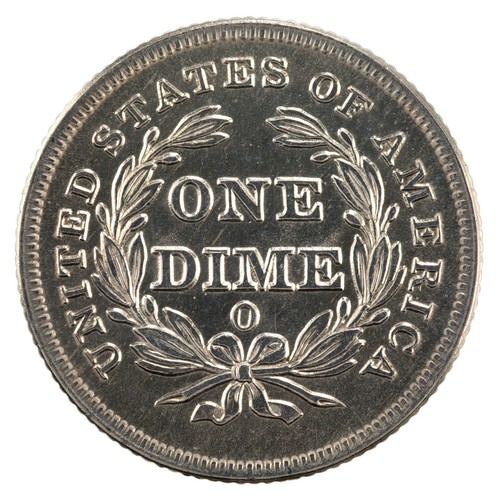
Seated Liberty Dime
A U.S. silver ten-cent coin showing Liberty seated with a pole and shield; the early No Stars type has a plain obverse and a laurel-wreath ONE DIME reverse.
Dime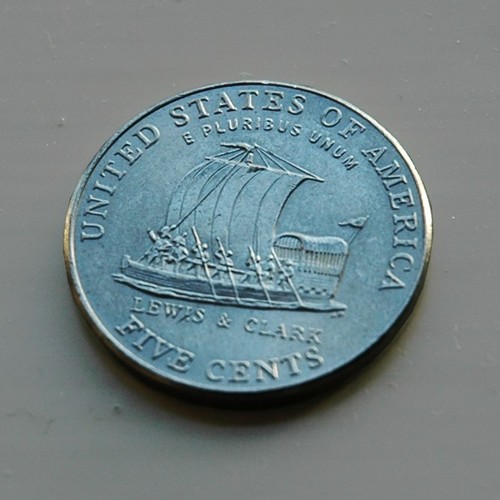
Westward Journey Nickel - Lewis and Clark Keelboat
A 2004 Jefferson five-cent piece from the Westward Journey series, its reverse showing the keelboat that carried the Lewis and Clark expedition upriver.
Nickel