
Seated Liberty Dollar
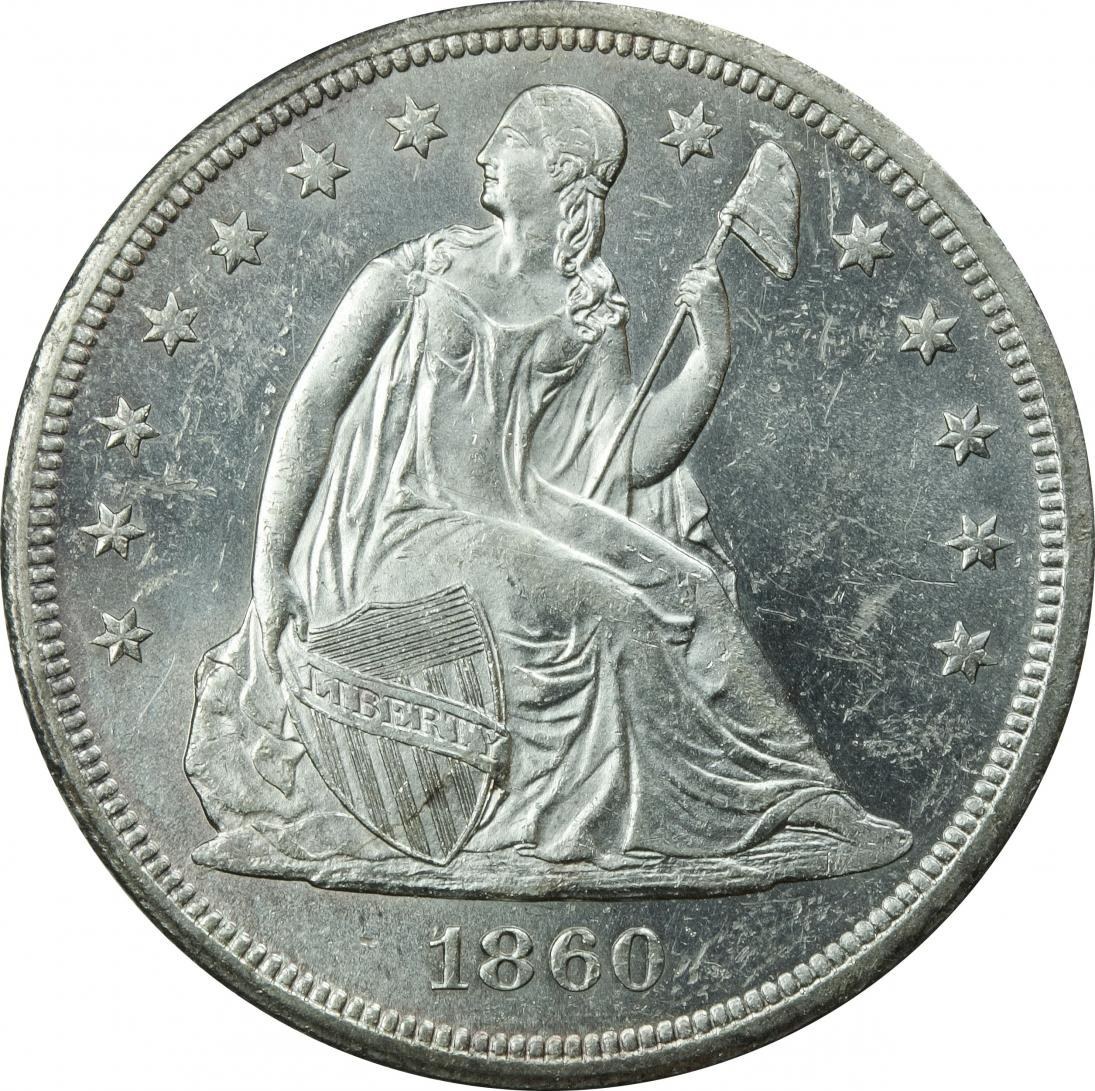
U.S. silver dollar (1840-1873) with Liberty seated holding a shield and a liberty-cap pole, ringed by stars. The pictured coin is dated 1860.
- Country
- United States
- Denomination
- 1 dollar
- Metal
- Silver
Got a coin like this?
Identify any coin from a photo, free.
Overview
The Seated Liberty Dollar is a large silver dollar struck by the United States Mint from 1840 to 1873. The obverse shows Liberty seated on a rock, steadying an upright shield inscribed LIBERTY with one hand and holding a pole topped by a liberty cap with the other. Thirteen stars ring the field and the date sits below; the coin pictured here is dated 1860.
The reverse carries a naturalistic eagle with a striped shield on its breast, an olive branch and a bundle of arrows in its talons, UNITED STATES OF AMERICA around the rim, and the denomination ONE DOL. below. Struck in 90% silver at roughly 38 mm across, it is a substantial, heavy coin — the workhorse silver dollar of the mid-19th century before the Morgan design arrived.
History & Background
The Seated Liberty motif was designed by Mint engraver Christian Gobrecht and first appeared on the pattern Gobrecht dollars of 1836-1839 before entering regular silver-dollar production in 1840. The same seated figure was used across the dime, half dime, quarter, and half dollar of the era, giving mid-century U.S. silver a unified look. The dollar carried the design for more than three decades.
Early issues, including the pictured 1860, are of the No Motto type: the reverse field above the eagle is plain. In 1866 the motto IN GOD WE TRUST was added on a ribbon above the eagle, creating the With Motto variety struck through 1873. The Coinage Act of 1873 ended the standard Seated Liberty dollar, which was briefly replaced in commerce by the Trade dollar and later by the Morgan dollar in 1878.
Mintages of the series were modest by later standards, and many coins saw hard use or export. Business-strike Seated dollars were produced at Philadelphia (no mint mark), New Orleans (O), San Francisco (S), and, in the final years, Carson City (CC).
How to Identify
Look for Liberty seated on a rock, facing left, holding an upright shield marked LIBERTY and a pole capped with a liberty (Phrygian) cap. Count the ring of thirteen stars around her, with the four-digit date at the bottom; on the pictured coin it reads 1860. This is a large coin, about 38.1 mm in diameter and near 26.7 grams, struck in silver with a reeded edge.
The reverse shows an eagle with a shield on its chest clutching an olive branch and arrows, encircled by UNITED STATES OF AMERICA, with ONE DOL. beneath the eagle. On No Motto coins like 1860 the space above the eagle is blank; With Motto coins (1866-1873) add a scroll reading IN GOD WE TRUST.
The mint mark, when present, is a small letter (O, S, or CC) below the eagle on the reverse; Philadelphia coins carry no mint mark. Because the same seated figure appears on the smaller silver denominations, use the dollar's large diameter and the ONE DOL. reverse legend to confirm you have the dollar rather than a half dollar or quarter.
Value & Collectibility
Seated Liberty dollars are scarce, sought-after 19th-century type coins that trade well above their silver melt value in nearly every grade. Values depend heavily on date, mint mark, the No Motto versus With Motto type, condition, and eye appeal. Common dates in worn grades bring solid collector premiums, while low-mintage dates, key Carson City issues, and high-grade or proof examples can command very strong prices.
Because even circulated examples are valuable, counterfeits, cleaned coins, and altered mint marks exist. Have any candidate authenticated and, ideally, certified by a major third-party grading service, and consult current auction records and price guides for a date-and-mint-specific range rather than a single fixed figure.
Frequently asked questions
Does the 1860 Seated Liberty Dollar have the motto IN GOD WE TRUST?
No. The 1860 is a No Motto coin, so the field above the reverse eagle is plain. The motto was not added to the Seated dollar until 1866, creating the later With Motto type struck through 1873.
Where is the mint mark on a Seated Liberty Dollar?
On the reverse, below the eagle. A small O (New Orleans), S (San Francisco), or CC (Carson City) marks the mint; Philadelphia coins have no mint mark at all.
What is the coin made of and how big is it?
It is struck in 90% silver with a copper balance, measures about 38.1 mm across, weighs roughly 26.7 grams, and has a reeded edge — a large, heavy silver dollar.
How is it different from a Morgan or Trade dollar?
The Seated dollar shows a seated Liberty and reads ONE DOL. on the reverse. The Trade dollar (1873 on) is a slightly heavier seated figure reading 420 GRAINS, 900 FINE, and the Morgan (1878 on) shows a Liberty head profile.
Are Seated Liberty dollars rare?
They are genuinely scarce. Mintages were modest and many were exported or heavily used, so all dates carry collector premiums, with certain New Orleans, San Francisco, and Carson City issues being especially prized.
Seated Liberty Dollar guides
In-depth guides for identifying, valuing, and collecting Seated Liberty Dollar.
Seated Liberty Dollar identified by the community
Real coins identified with Coin Identifier.
Other coins you may enjoy
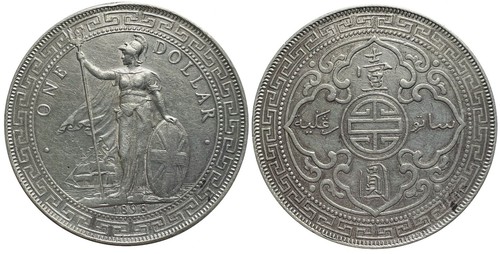
British Trade Dollar
1895–1935
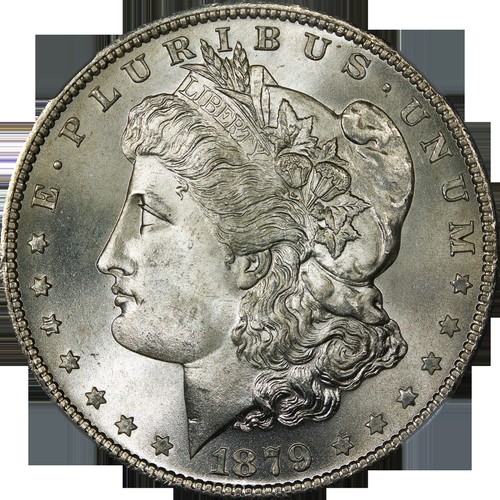
Morgan Dollar
1878–1904, 1921
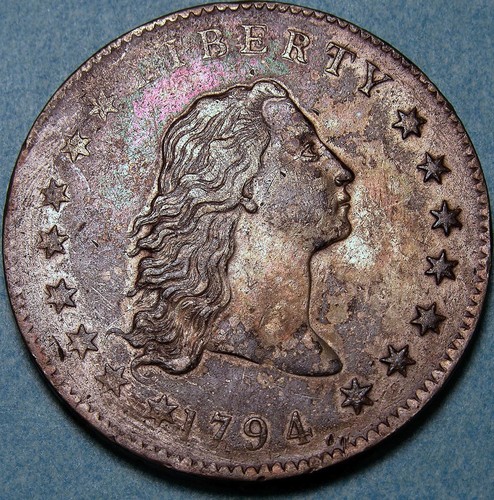
Flowing Hair Dollar
1794–1795
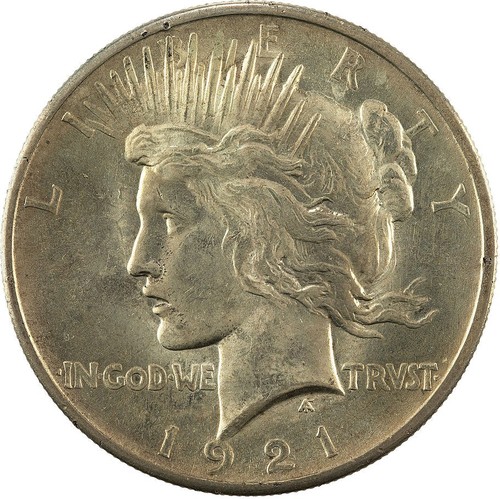
Peace Dollar
1921–1928, 1934–1935
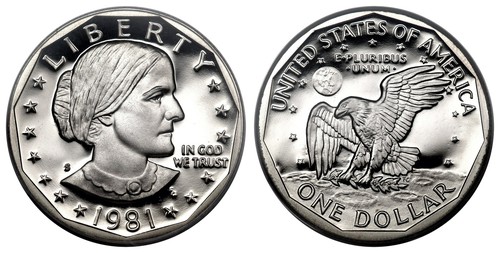
Susan B. Anthony Dollar
1979–1981, 1999
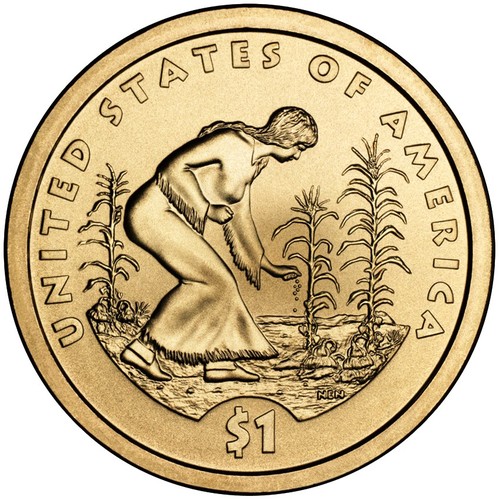
Native American Dollar
2009–present
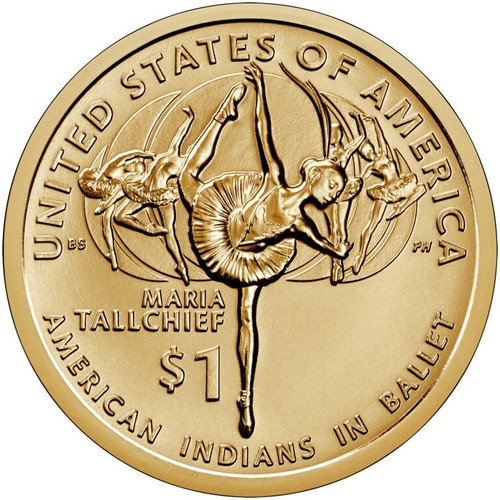
Native American Dollar - Tallchief
2023
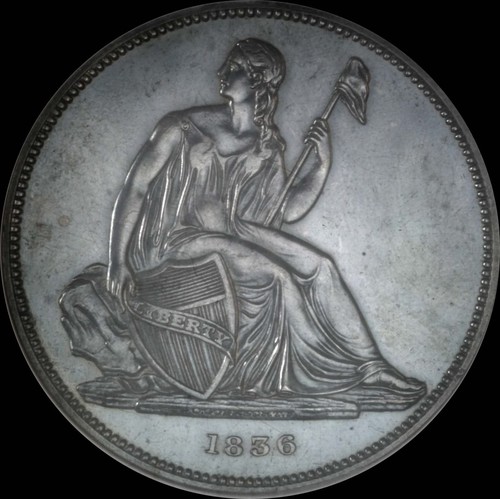
Gobrecht Dollar
1836
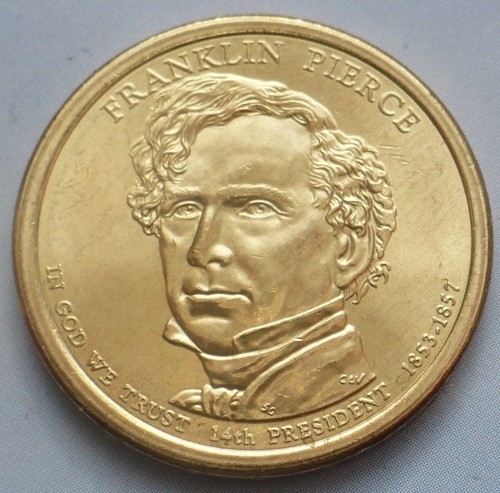
Franklin Pierce Presidential Dollar
2010
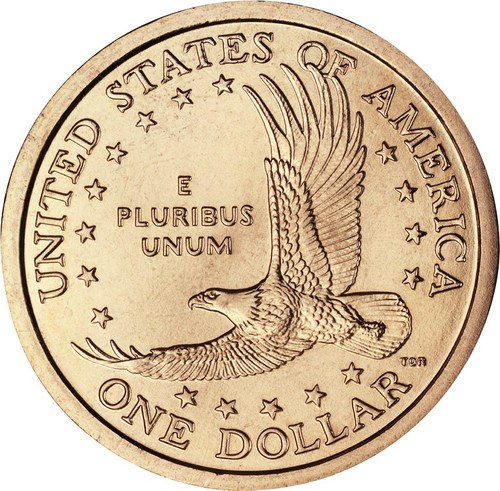
Sacagawea Dollar
2000–2008
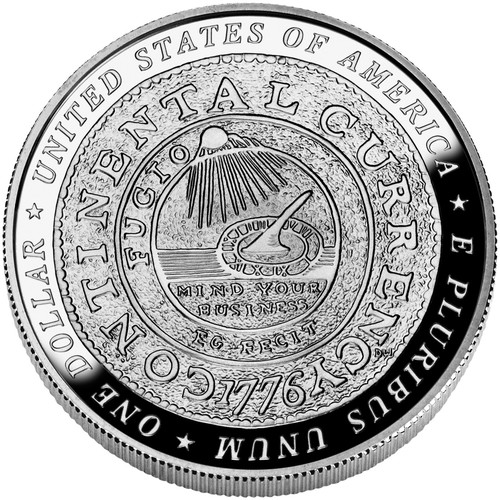
Benjamin Franklin Founding Father Commemorative Silver Dollar
2006
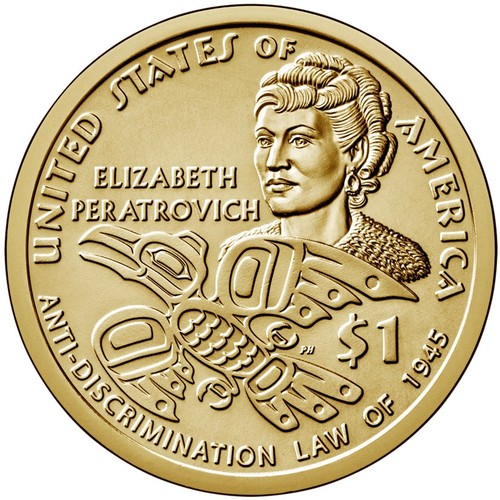
Native American Dollar - Peratrovich
2020