
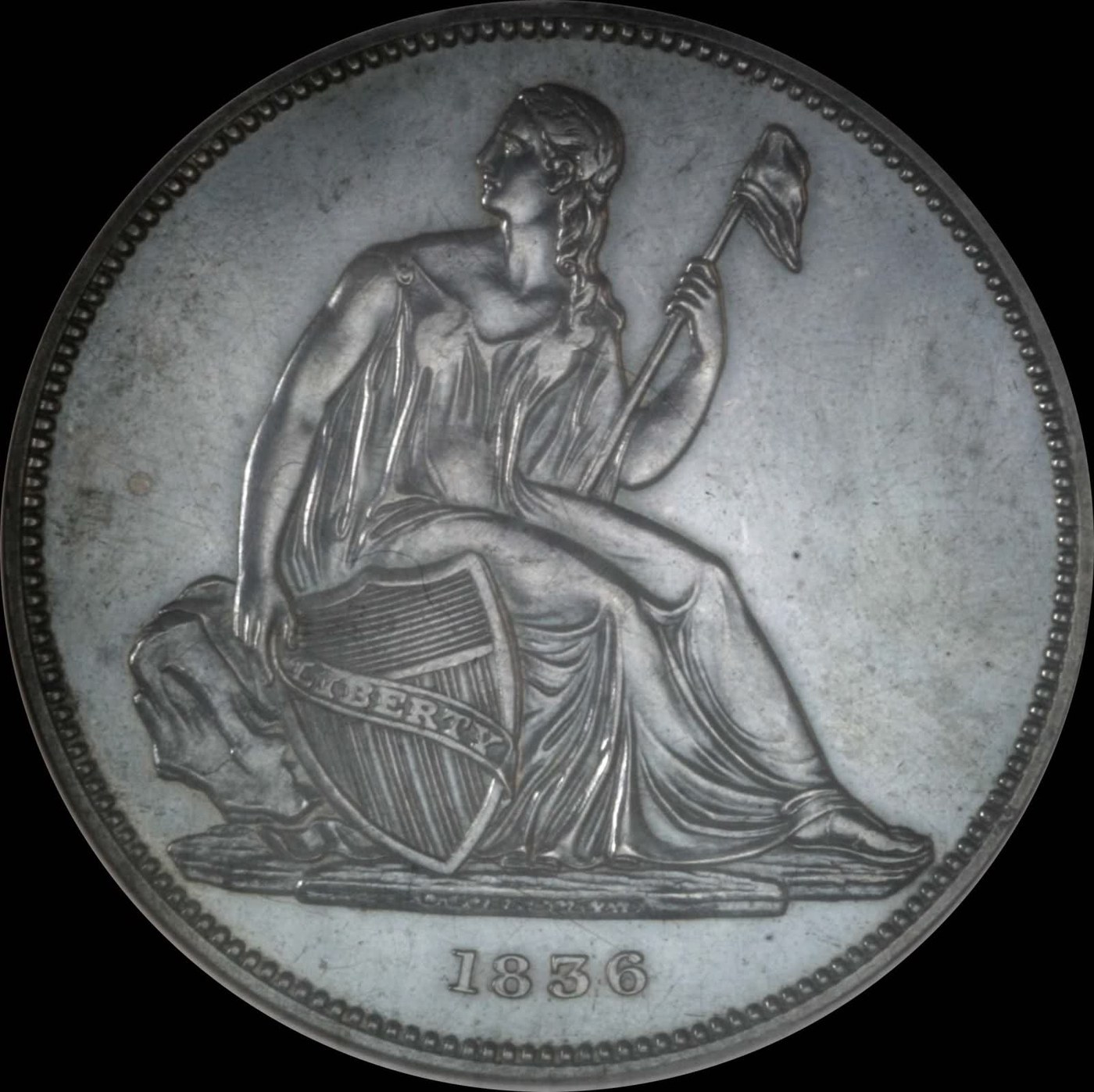
Gobrecht Dollar
U.S. silver dollar of 1836 by engraver Christian Gobrecht, pairing a Seated Liberty obverse with a flying-eagle reverse; a rare pattern-era issue.
- Country
- United States
- Denomination
- 1 dollar
- Metal
- Silver
Got a coin like this?
Identify any coin from a photo, free.
Overview
The Gobrecht Dollar is a United States silver dollar associated with the year 1836, named for Christian Gobrecht, the Mint engraver who cut its dies. It bridges the gap between the earlier Draped Bust dollars and the later Liberty Seated series, and it is prized today as one of the most artistically admired issues in American coinage.
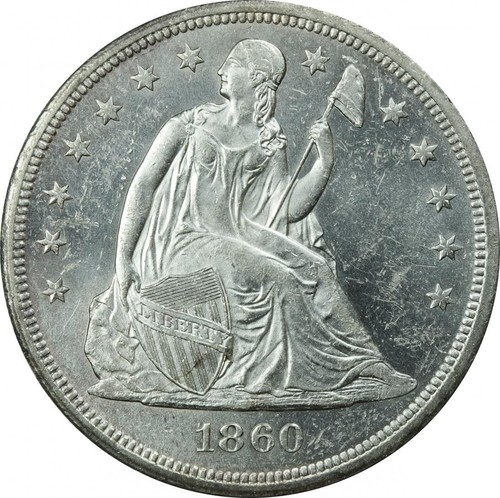
The obverse shows Liberty seated on a rock in classical dress, holding a liberty (freedom) cap on a pole in one hand and steadying a striped shield with the other, surrounded by stars. The reverse depicts an American eagle in flight amid a field of stars, with olive branches — the celebrated "flying eagle" motif. These were struck in silver in very small numbers, and surviving pieces are scarce and closely studied by collectors.
History & Background
In the mid-1830s the United States Mint had not struck silver dollars for regular circulation in decades. Mint Director Robert M. Patterson set out to revive the denomination with a wholly new, more artistic design. Working from concepts by artists Thomas Sully (the seated Liberty) and Titian Peale (the flying eagle), engraver Christian Gobrecht translated the designs into dies, and the first pieces were produced in 1836.
These 1836 dollars are generally regarded as patterns and early production strikes rather than a broad circulating coinage, and only a limited number were made. The seated Liberty obverse Gobrecht created went on to define U.S. silver coinage for much of the 19th century, appearing on the Liberty Seated dimes, quarters, half dollars, and the dollars that followed from 1840 onward. Because the series was restruck at the Mint in later years, and because originals are so few, the exact status and sequence of individual pieces is a specialized area of study.
How to Identify
The obverse is the key: Liberty is seated on a rock, wearing flowing classical drapery, holding a pole topped by a liberty cap in her raised hand and resting her other hand on a striped, star-topped shield. Stars encircle the figure on many pieces, with the date below. Some 1836 issues carry the engraver's name — the inscription C. GOBRECHT F. (the "F." for the Latin fecit, "made it") — in the field near Liberty's base, a notable diagnostic when present.
The reverse shows an eagle in full flight, wings spread, soaring across a field surrounded by stars, with olive branches as part of the design. The motto and legends vary by issue. The coin is silver, struck to roughly dollar size (about 38–39 mm) and dollar weight, with a reeded edge on the standard pieces.
Because several die pairings, alignments, and later restrikes exist, precise attribution depends on details such as the eagle's orientation relative to the obverse, the arrangement of stars, and the presence and position of the Gobrecht name. These fine points are best confirmed against specialist references or by an expert.
Value & Collectibility
Genuine Gobrecht Dollars are rare and valuable. Even well-worn or lower-grade examples are significant coins, and choice specimens and proofs command very high prices at auction. Values vary widely by die variety, whether a piece is judged an original or a restrike, its strike quality, and its state of preservation, so figures should be treated as broad context rather than fixed prices.
Because the design has long been admired and its value is high, the Gobrecht Dollar has attracted reproductions, replicas, and altered pieces. Any coin believed to be a Gobrecht Dollar should be authenticated and attributed by a reputable third-party grading service (such as PCGS or NGC) before purchase or sale; the difference between an original, a Mint restrike, and a modern copy has an enormous effect on value.
Frequently asked questions
Who was the Gobrecht Dollar named after?
Christian Gobrecht, an engraver at the United States Mint, who cut the dies for the coin. He worked from designs by artists Thomas Sully and Titian Peale.
What is on the obverse and reverse?
The obverse shows Liberty seated in classical dress holding a liberty cap on a pole and a shield, surrounded by stars. The reverse depicts an American eagle in flight amid stars with olive branches.
Is the Gobrecht Dollar made of silver?
Yes. It is a silver dollar, struck to roughly dollar size and weight with a reeded edge. It was the Mint's revival of the silver dollar denomination in 1836.
How rare is the Gobrecht Dollar?
Very rare. Only a small number were struck in 1836, and the series is treated largely as patterns and early strikes. Surviving originals are scarce and highly sought after.
How is the Gobrecht Dollar connected to later U.S. coins?
Gobrecht's seated Liberty design became the basis for the Liberty Seated dimes, quarters, half dollars, and dollars that circulated through much of the 19th century.
Gobrecht Dollar guides
In-depth guides for identifying, valuing, and collecting Gobrecht Dollar.
Other coins you may enjoy
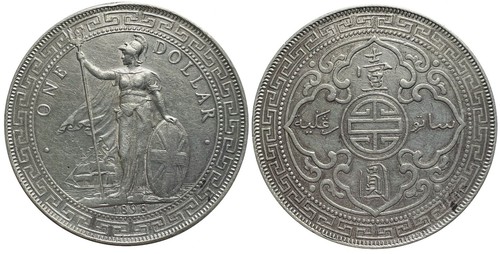
British Trade Dollar
1895–1935
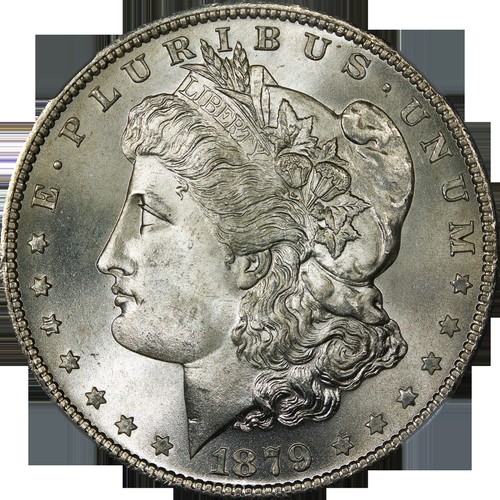
Morgan Dollar
1878–1904, 1921
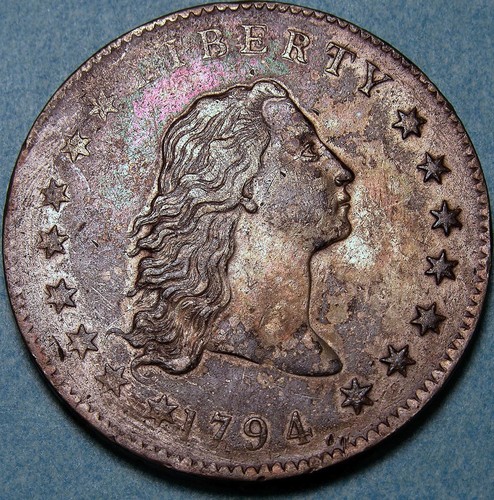
Flowing Hair Dollar
1794–1795
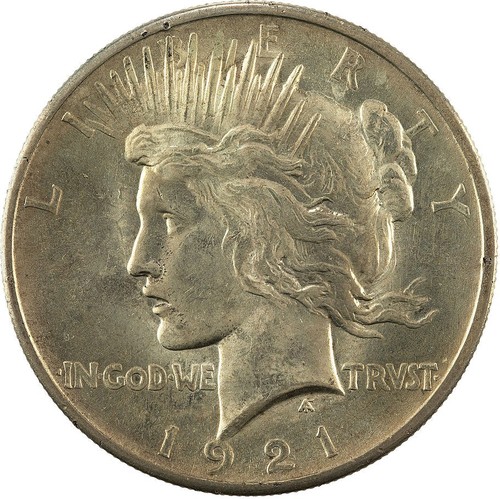
Peace Dollar
1921–1928, 1934–1935
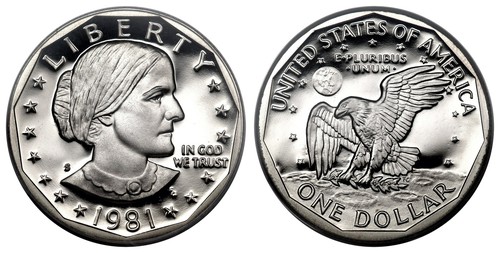
Susan B. Anthony Dollar
1979–1981, 1999
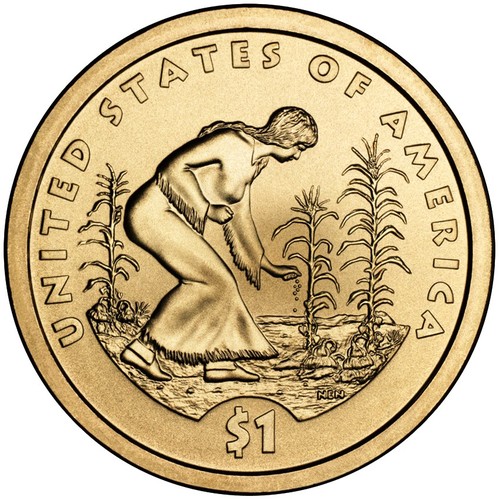
Native American Dollar
2009–present
Native American Dollar - Tallchief
2023
Franklin Pierce Presidential Dollar
2010
Seated Liberty Dollar
1840-1873
Sacagawea Dollar
2000–2008
Benjamin Franklin Founding Father Commemorative Silver Dollar
2006
Native American Dollar - Peratrovich
2020