
Native American Dollar - Peratrovich
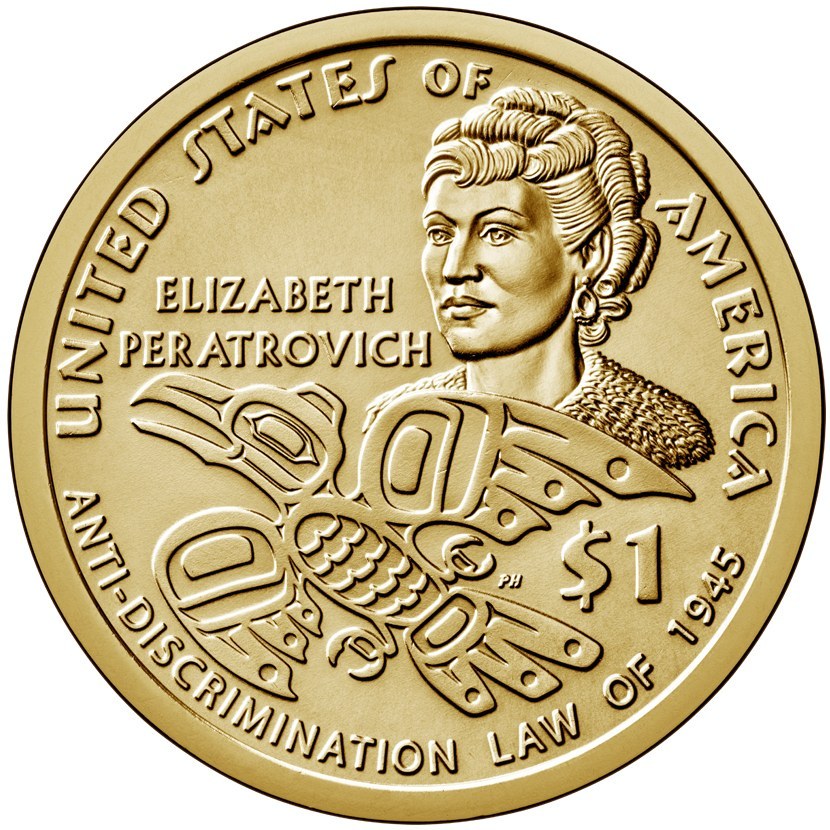
The 2020 U.S. golden dollar in the Native American series, honoring Tlingit civil rights leader Elizabeth Peratrovich and the 1945 Alaska Anti-Discrimination Law.
- Country
- United States
- Denomination
- 1 dollar
- Metal
- Manganese brass
Got a coin like this?
Identify any coin from a photo, free.
Overview
The Native American Dollar for 2020 is a golden-colored United States one-dollar coin whose changing design side honors Elizabeth Peratrovich, a Tlingit civil rights leader, and the Alaska Anti-Discrimination Law of 1945. It is part of the ongoing Native American $1 Coin series, which shares the same obverse each year and changes the reverse annually to mark a different Native American contribution to U.S. history.
Like every coin in the series, it is struck in manganese-brass clad rather than in a precious metal, giving it a distinctive brassy gold tone and a smooth, non-reeded edge that carries incused lettering. The coin measures about 26.5 mm across and weighs roughly 8.1 g. The example shown here is the 2020 issue, identifiable by the Peratrovich design and by the date and mint mark found on the edge rather than on the coin's faces.
Because modern dollar coins circulate lightly in the United States, most Native American Dollars are produced primarily for collectors and for coin rolls and bags rather than for everyday change, though they remain legal tender at face value.
History & Background
The Native American $1 Coin Act of 2007 directed the U.S. Mint to issue a dollar each year with a reverse celebrating the contributions of Native Americans and Native American tribes, while keeping Glenna Goodacre's Sacagawea portrait on the obverse. Each year's reverse tells a different story, and the 2020 design was devoted to Elizabeth Peratrovich (1911–1958) and the landmark Alaska Anti-Discrimination Act of 1945.
Elizabeth Peratrovich was a member of the Lukaax.ádi Clan of the Raven moiety of the Tlingit people and served as Grand President of the Alaska Native Sisterhood. Her testimony before the Alaska Territorial Legislature is widely credited with helping secure passage of the 1945 law, one of the earliest anti-discrimination measures enacted in the United States or its territories. The coin's design pairs her portrait with a formline-style raven that references her clan and moiety.
The reverse was created by United States Mint artists working in the traditional Northwest Coast formline idiom, and the coins were struck at the Philadelphia and Denver mints for circulation-quality rolls and bags, with San Francisco producing collector proof and specially finished pieces.
How to Identify
The quickest identifier is the design side (the reverse), which shows Elizabeth Peratrovich in portrait alongside a stylized Tlingit formline raven representing her Raven moiety and Lukaax.ádi Clan. Inscriptions include her name, ELIZABETH PERATROVICH, along with ANTI-DISCRIMINATION LAW OF 1945, UNITED STATES OF AMERICA, and the denomination $1. This one-year design distinguishes the 2020 issue from every other year in the series.
The obverse is the constant Sacagawea design used throughout the Native American Dollar series: a right-facing portrait of Sacagawea carrying her infant son, Jean Baptiste, with the inscriptions LIBERTY and IN GOD WE TRUST. Note that the date is not on either face. On this series the year 2020, the mint mark, and E PLURIBUS UNUM are incused into the smooth edge of the coin.
Physically the coin is manganese-brass clad, about 26.5 mm in diameter and roughly 8.1 g, with a plain (non-reeded) edge and a warm golden color. Mint marks read P for Philadelphia, D for Denver, and S for San Francisco collector strikes; you must turn the coin on its edge to read them.
Value & Collectibility
As a modern issue struck in base metal, the 2020 Native American Dollar is worth its one-dollar face value as legal tender, and worn examples carry little to no premium above that. The manganese-brass composition contains no precious metal, so there is no bullion value driving price.
Uncirculated coins sold in Mint rolls and bags, along with San Francisco proof and any specially finished collector versions, typically trade for modest premiums over face reflecting their finish and packaging rather than rarity. Treat any specific dollar figures as general context: condition, finish, mint mark, and third-party grading are what separate an ordinary example from one a collector will pay extra for.
Frequently asked questions
Who is on the 2020 Native American Dollar?
The changing reverse honors Elizabeth Peratrovich, a Tlingit civil rights leader, together with a formline raven referencing her clan. The obverse keeps the standard Sacagawea portrait used across the whole series.
Where is the date on this coin?
Not on the front or back. On Native American Dollars the year 2020, the mint mark, and E PLURIBUS UNUM are lettered into the smooth edge, so you turn the coin sideways to read them.
Is the golden dollar actually gold?
No. Despite the color, it is manganese-brass clad, a base-metal alloy with no precious metal. The gold tone comes from the copper-heavy brass, not from real gold.
Is my 2020 Peratrovich dollar valuable?
It is legal tender worth one dollar. Circulated pieces stay near face value; collector proofs, uncirculated roll coins, and high-grade examples can carry modest premiums tied to finish and condition.
What does the raven on the coin mean?
It is a Tlingit formline design representing Elizabeth Peratrovich's Raven moiety and her Lukaax.ádi Clan, connecting the coin's civil rights theme to her heritage.
Native American Dollar - Peratrovich guides
In-depth guides for identifying, valuing, and collecting Native American Dollar - Peratrovich.
Other coins you may enjoy
British Trade Dollar
1895–1935
Morgan Dollar
1878–1904, 1921
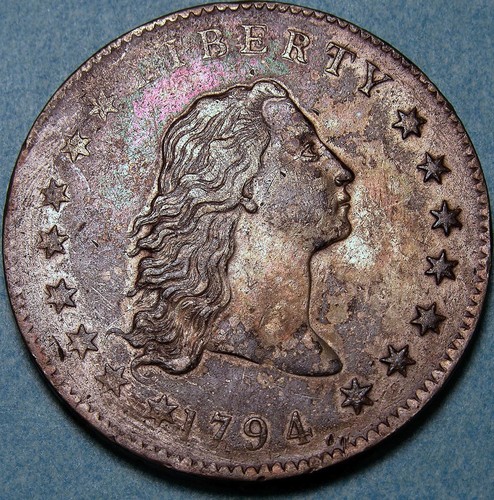
Flowing Hair Dollar
1794–1795
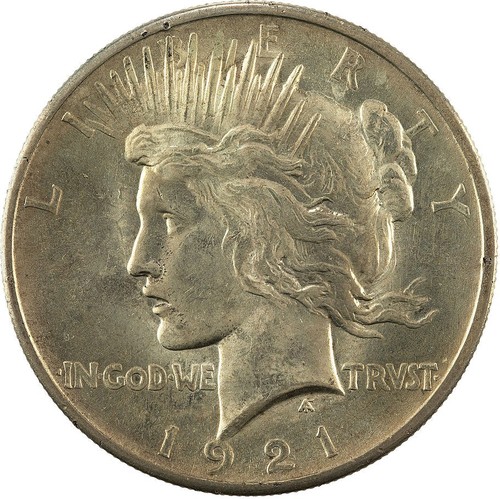
Peace Dollar
1921–1928, 1934–1935
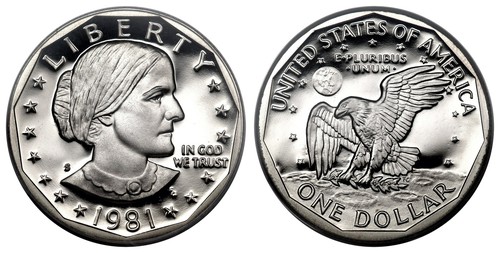
Susan B. Anthony Dollar
1979–1981, 1999
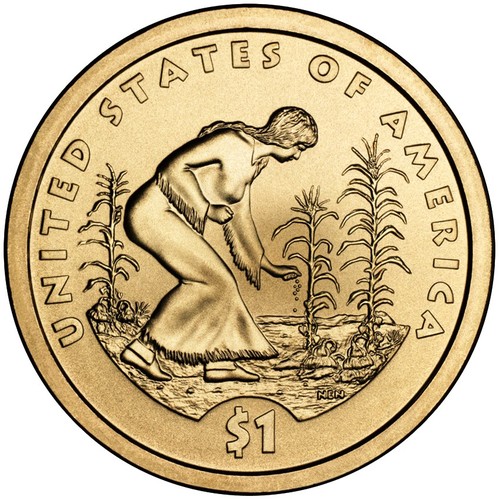
Native American Dollar
2009–present
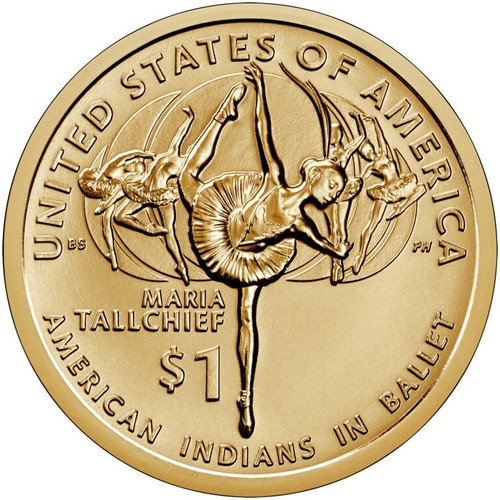
Native American Dollar - Tallchief
2023
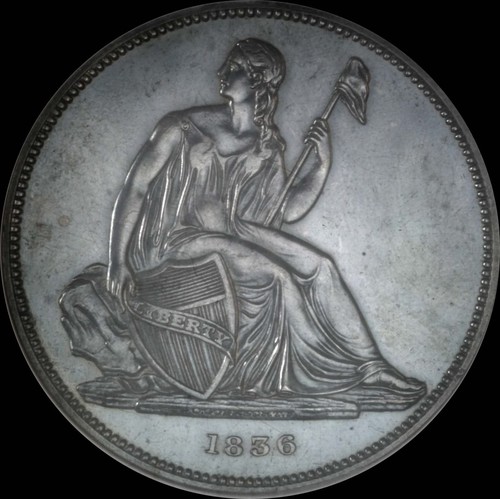
Gobrecht Dollar
1836
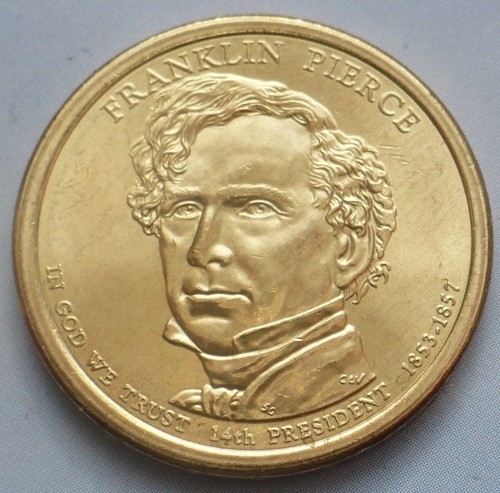
Franklin Pierce Presidential Dollar
2010
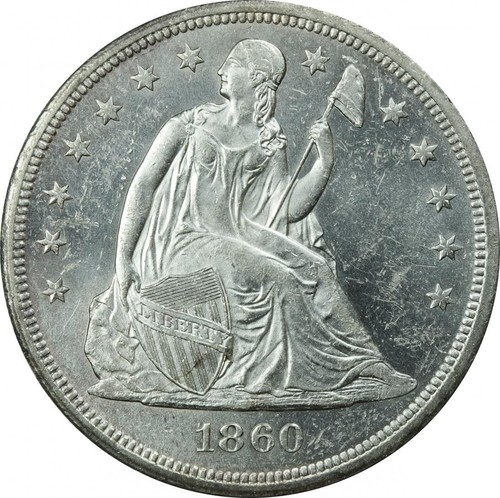
Seated Liberty Dollar
1840-1873
Sacagawea Dollar
2000–2008
Benjamin Franklin Founding Father Commemorative Silver Dollar
2006