
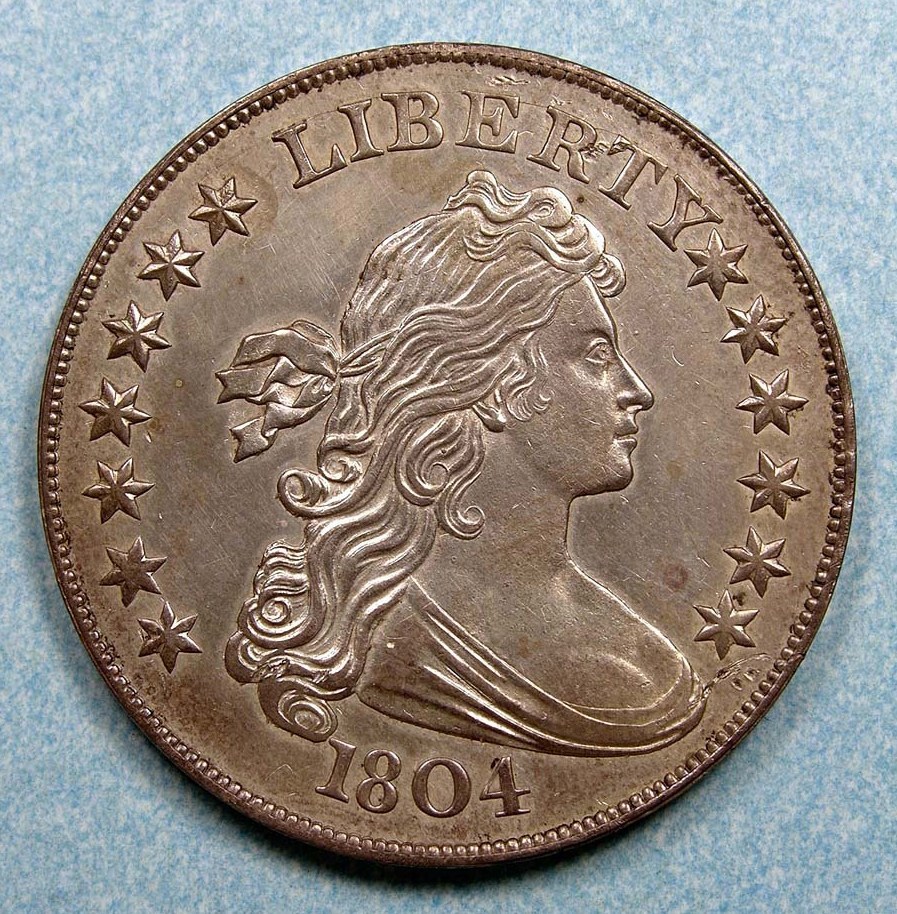
Draped Bust Dollar
Early U.S. silver dollar struck 1795–1804, with a draped bust of Liberty and, from 1798, a heraldic eagle reverse.
- Country
- United States
- Denomination
- 1 dollar
- Metal
- Silver
Got a coin like this?
Identify any coin from a photo, free.
Overview
The Draped Bust Dollar is an early United States silver dollar produced from 1795 through the early 1800s. It replaced the short-lived Flowing Hair design and shows Liberty as a draped bust with long, flowing hair. It was one of the first dollar coins of the young republic and was struck by hand from individually engraved dies, so no two examples are exactly alike.
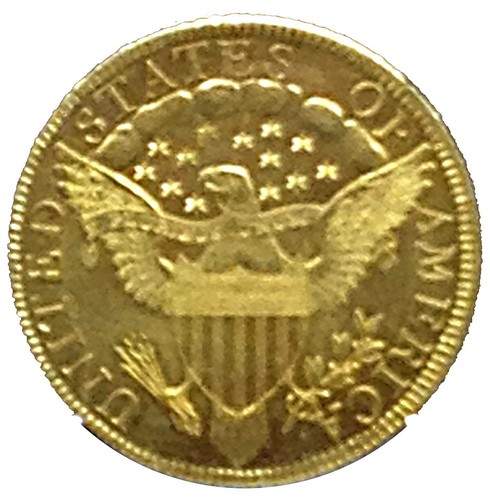
The coin is large and made of silver — an alloy of roughly 90% silver with copper — measuring about 39–40 mm across and weighing near 27 grams. Two reverse types exist: an early "Small Eagle" perched on clouds, and, from 1798 onward, the "Heraldic Eagle" with a shield on its breast holding an olive branch and a bundle of arrows. The example shown here carries the heraldic eagle reverse and is dated 1796.
History & Background
The United States Mint began striking silver dollars in 1794 with the Flowing Hair design, but that portrait was quickly criticized. In 1795 the Mint introduced the Draped Bust obverse, traditionally attributed to engraver Robert Scot and said to be based on a drawing by Gilbert Stuart. The design paired first with a delicate Small Eagle reverse, then from 1798 with a bolder Heraldic Eagle modeled on the Great Seal of the United States.
Silver dollar production was uneven in this era and was suspended by order of President Jefferson in 1804, with the denomination not resumed for regular circulation until 1836. Because dies were cut individually, collectors catalog Draped Bust dollars by die marriages and by the number of stars and berries. The famous 1804 dollar is a special case: the examples known today were actually struck years later, in the 1830s and after, as diplomatic gifts and for collectors, making it one of the most storied rarities in American numismatics.
How to Identify
The obverse shows a draped bust of Liberty with long, flowing hair, the word LIBERTY above and the date below, framed by stars along the border. Star counts vary by year and are a common way to attribute specific issues, so count them carefully.
The reverse on later issues, including the 1796-dated example here, is the Heraldic Eagle: an eagle with spread wings and a shield on its breast, clutching an olive branch in one talon and a bundle of arrows in the other, with a ribbon reading E PLURIBUS UNUM and a field of stars and clouds above. Earlier issues instead show a smaller, more natural eagle standing on clouds (the Small Eagle). The legend UNITED STATES OF AMERICA runs around the reverse. Note that these coins carry no mint mark, as all were struck at the first Philadelphia Mint.
Physically the coin is a large silver piece about 39–40 mm in diameter and roughly 27 grams, with a lettered edge reading HUNDRED CENTS ONE DOLLAR OR UNIT rather than reeding. That lettered edge, the large size, and the hand-struck look of the strike are important diagnostics that separate a genuine early dollar from later or reproduction pieces.
Value & Collectibility
Draped Bust dollars are scarce, historically important early coins, and even heavily worn examples command substantial premiums well above their silver content. Value depends strongly on the date, the die variety, the reverse type, and the state of preservation, with sharp detail, original surfaces, and an intact lettered edge all adding to desirability.
Certain dates and varieties are major rarities, and the 1804 dollar in particular is among the most valuable coins in the world, having sold for millions. Because these coins are old, expensive, and heavily counterfeited — including modern fakes and altered dates — any Draped Bust dollar should be authenticated and graded by a reputable third-party service before purchase or sale. Treat all figures as general context rather than firm prices.
Frequently asked questions
What years was the Draped Bust Dollar made?
It was struck from 1795 through the early 1800s, with dollar production suspended in 1804. The design uses a Small Eagle reverse early on and a Heraldic Eagle reverse from 1798.
Is the Draped Bust Dollar made of silver?
Yes. It is a large silver coin of roughly 90% silver with copper, about 39–40 mm across and near 27 grams, so it carries significant intrinsic and collector value.
Does a Draped Bust Dollar have a mint mark?
No. All Draped Bust dollars were struck at the Philadelphia Mint, which used no mint mark in this period.
What is the difference between the Small Eagle and Heraldic Eagle reverse?
The Small Eagle (1795–1798) shows a slender eagle standing on clouds. The Heraldic Eagle (1798 onward) shows an eagle with a shield on its breast holding an olive branch and arrows, based on the Great Seal.
Why is the 1804 dollar so famous?
The coins known as 1804 dollars were actually struck years later, in the 1830s and after, for diplomatic gifts and collectors. Only about fifteen are known, making it one of the most valuable and storied U.S. coins.
Draped Bust Dollar guides
In-depth guides for identifying, valuing, and collecting Draped Bust Dollar.
Other coins you may enjoy
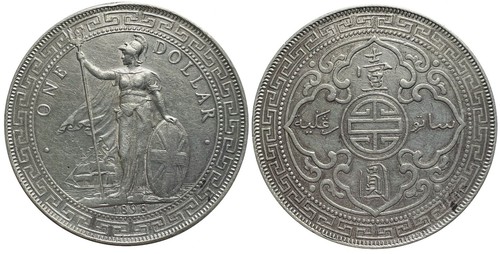
British Trade Dollar
1895–1935
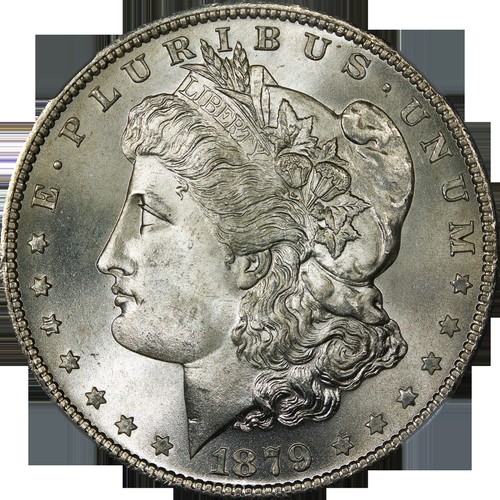
Morgan Dollar
1878–1904, 1921
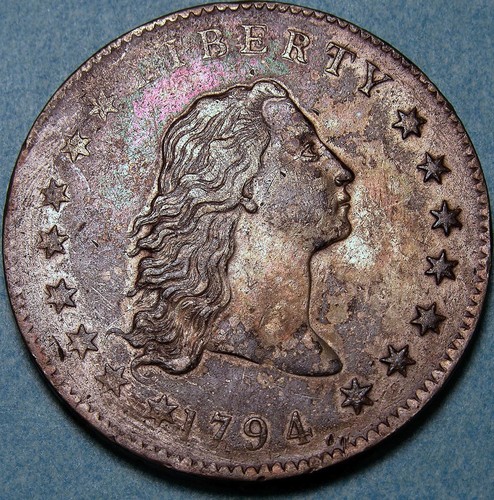
Flowing Hair Dollar
1794–1795
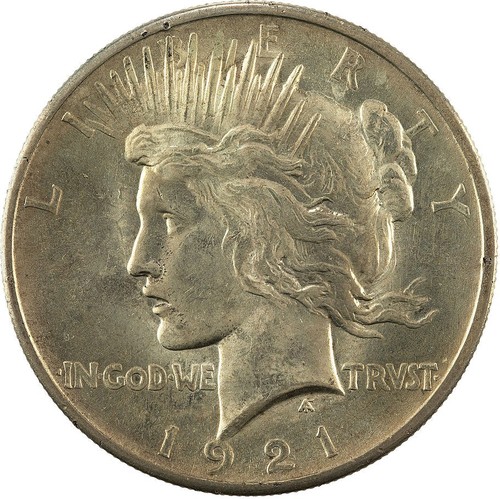
Peace Dollar
1921–1928, 1934–1935
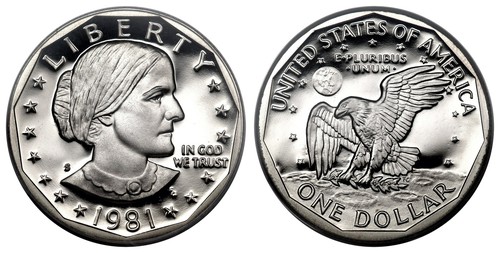
Susan B. Anthony Dollar
1979–1981, 1999
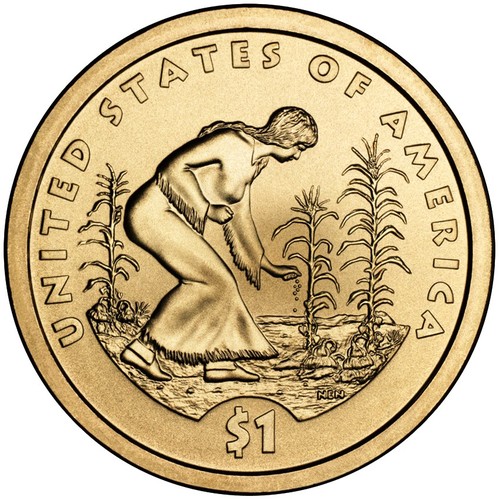
Native American Dollar
2009–present
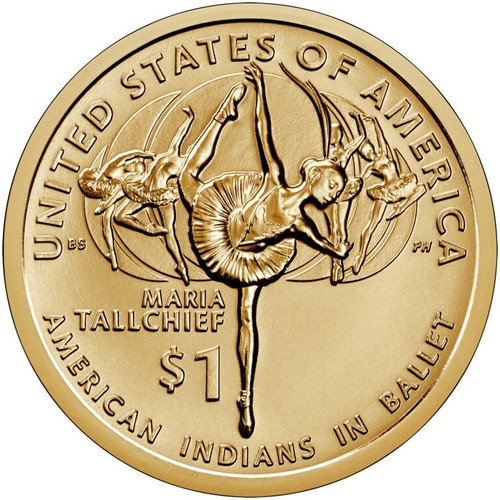
Native American Dollar - Tallchief
2023
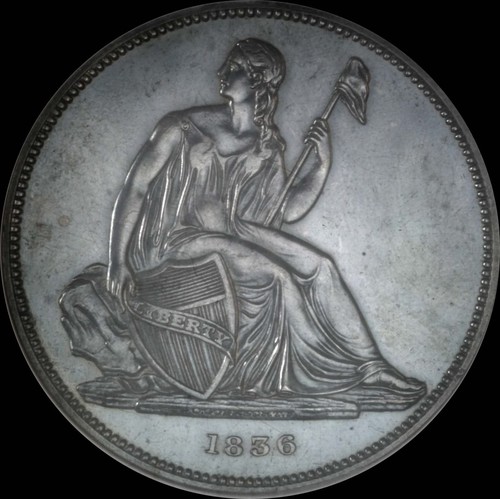
Gobrecht Dollar
1836
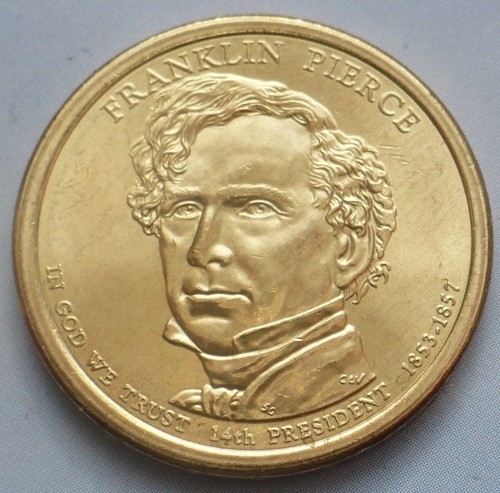
Franklin Pierce Presidential Dollar
2010
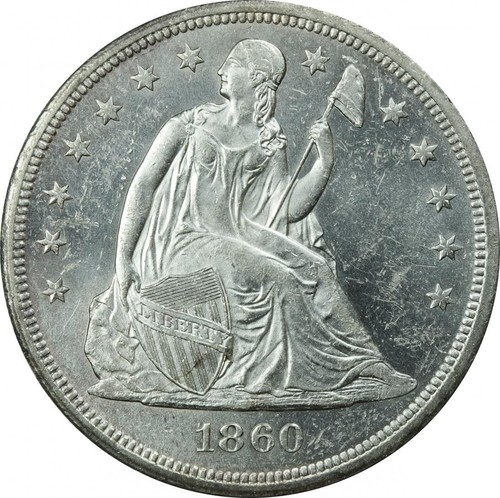
Seated Liberty Dollar
1840-1873
Sacagawea Dollar
2000–2008
Benjamin Franklin Founding Father Commemorative Silver Dollar
2006