
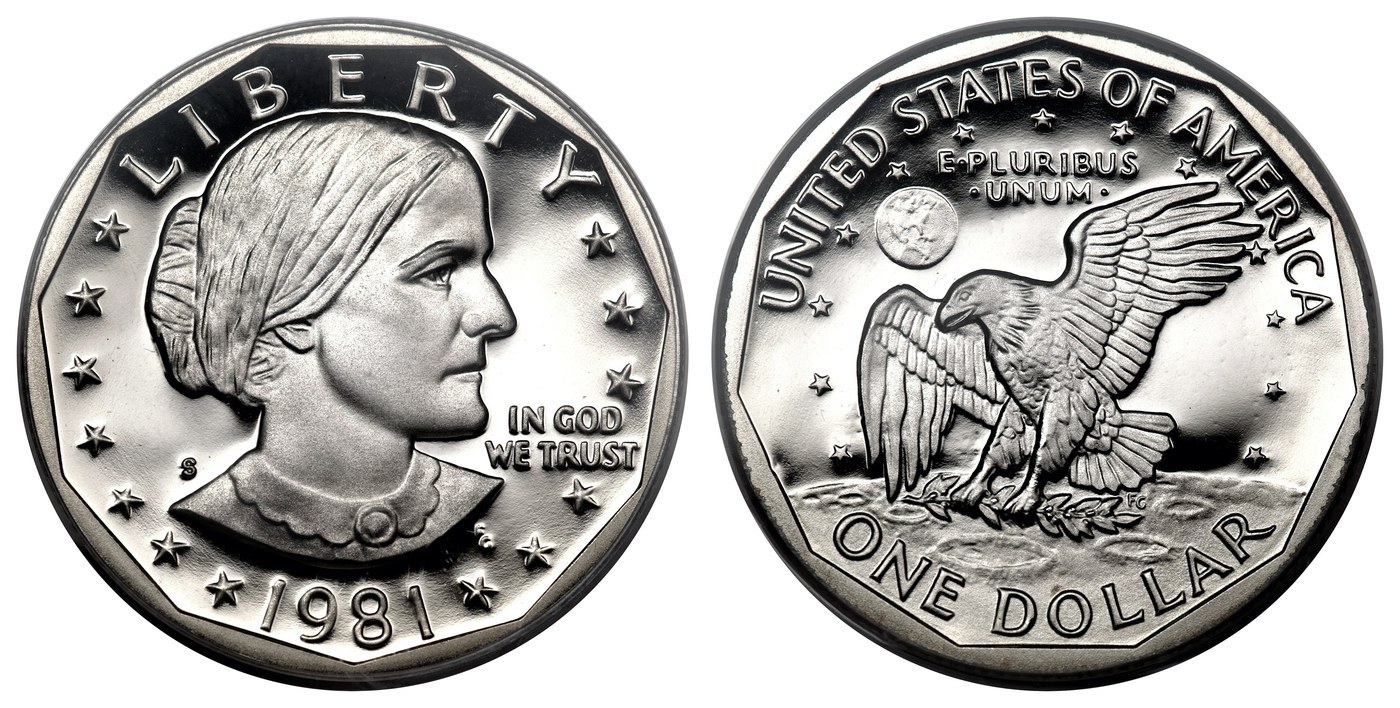
Susan B. Anthony Dollar
U.S. small-size copper-nickel clad dollar coin (1979–1981, 1999) featuring suffragist Susan B. Anthony and an eagle landing on the moon.
- Country
- United States
- Denomination
- 1 dollar
- Metal
- Copper-nickel clad
Got a coin like this?
Identify any coin from a photo, free.
Overview
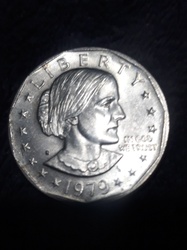
The Susan B. Anthony Dollar is a United States one-dollar coin struck in copper-nickel clad, first issued in 1979 as a compact replacement for the large Eisenhower dollar. It was the first circulating U.S. coin to depict a real, named woman: suffragist and women's-rights leader Susan B. Anthony. The example shown here is dated 1981, with Anthony's profile facing right on the obverse and the eagle-landing-on-the-moon reverse.
The coin is small and light — about 26.5 mm across, roughly the size of a quarter — with a distinctive eleven-sided (hendecagonal) inner border framing both the portrait and the reverse eagle, though the coin's actual edge is round and reeded. Its close resemblance to the quarter made it unpopular in everyday commerce, and it circulated only briefly before being set aside. It carries the same reverse motif as the Eisenhower dollar it replaced: an eagle descending toward the lunar surface, adapted from the Apollo 11 mission insignia.
History & Background
By the mid-1970s the U.S. Mint wanted a smaller, more practical dollar coin to replace the bulky Eisenhower dollar, which was too large for convenient use in vending machines and daily transactions. The Susan B. Anthony Dollar entered circulation in 1979, designed by Chief Engraver Frank Gasparro, who also created the eagle-and-moon reverse used on the earlier Eisenhower dollar.
The coin was struck for general circulation in 1979, 1980, and 1981, at Philadelphia (P), Denver (D), and San Francisco (S). Public reception was poor: because it was so close in size and color to the quarter, people confused the two, and the coin failed to gain traction. Circulation striking stopped after 1980, with 1981 coins issued mainly in Mint sets for collectors. Nearly two decades later, in 1999, the Mint briefly struck the design again to meet demand from vending and transit systems before the new golden Sacagawea dollar debuted in 2000.
How to Identify
The obverse shows a right-facing profile portrait of Susan B. Anthony, with LIBERTY above and to the left, IN GOD WE TRUST to the right, and the date below — 1981 on the coin shown here. A ring of small stars runs around the rim, and Anthony's bust sits within an eleven-sided inner frame. This named female portrait immediately distinguishes the coin from every earlier U.S. circulating type.
The reverse depicts an eagle with wings spread, descending toward the surface of the moon with the Earth in the background — the Apollo 11 insignia motif. The legends UNITED STATES OF AMERICA and ONE DOLLAR arc around the design, with E PLURIBUS UNUM near the eagle and a matching eleven-sided inner border.
Physically the coin is copper-nickel clad (a pure-copper core faced with copper-nickel), about 26.5 mm in diameter, roughly 8.1 grams, with a reeded edge. The mint mark appears on the obverse, at the lower left near Anthony's shoulder: P, D, or S. Its size and silver-gray color are close to a quarter's, so the multi-sided inner rim and the portrait are the fastest ways to tell them apart.
Value & Collectibility
Most Susan B. Anthony Dollars are common and, in circulated condition, are worth their one-dollar face value. They contain no precious metal, so there is no silver or gold premium. Large numbers were struck and many never circulated, so uncirculated examples remain readily available and inexpensive.
Premiums exist for certain issues and grades. The 1981 dollars were released chiefly in Mint sets rather than for circulation, so they can bring a modest premium over face, especially in high grade. Among scarcer varieties, collectors watch for the 1979-P "Wide Rim" (or "Near Date") variety and certain 1979-S and 1981-S proof die varieties, which can command higher prices. Truly valuable examples are generally proofs, top-grade uncirculated coins, or recognized varieties; treat any figures as general context and check recent sales for a specific date, mint mark, and grade.
Frequently asked questions
Is the Susan B. Anthony Dollar made of silver?
No. It is copper-nickel clad — a copper core faced with copper-nickel — and contains no silver. Its value comes from face value and collector demand, not precious-metal content.
Why is it so often confused with a quarter?
The coin is close to the quarter in size (about 26.5 mm), color, and reeded edge. That similarity made it unpopular in daily use and led to its short circulation life.
What years was the Susan B. Anthony Dollar made?
It was struck for circulation in 1979, 1980, and 1981, then produced once more in 1999. The 1981 coins were issued mainly in Mint sets rather than released into general circulation.
What is on the reverse of the coin?
An eagle descending toward the moon with Earth behind it, based on the Apollo 11 mission insignia. It is the same reverse design used earlier on the Eisenhower dollar.
Is my 1981 Susan B. Anthony Dollar worth more than a dollar?
Usually only a small premium, if any. Because 1981 coins came mostly from Mint sets, uncirculated examples can be worth a little above face, and proofs or special varieties more, but circulated coins are generally worth one dollar.
Susan B. Anthony Dollar guides
In-depth guides for identifying, valuing, and collecting Susan B. Anthony Dollar.
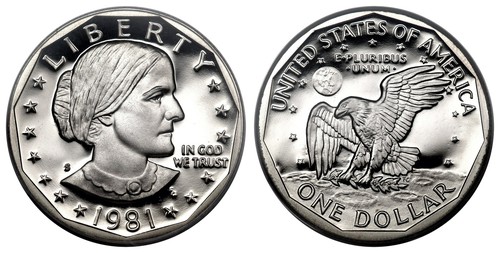
Susan B. Anthony Dollar identified by the community
Real coins identified with Coin Identifier.
Other coins you may enjoy
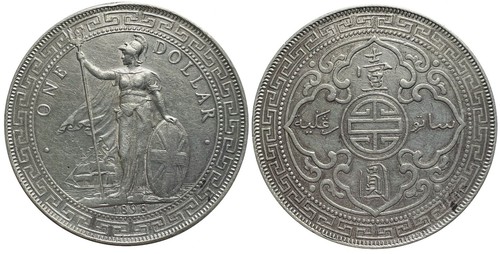
British Trade Dollar
1895–1935
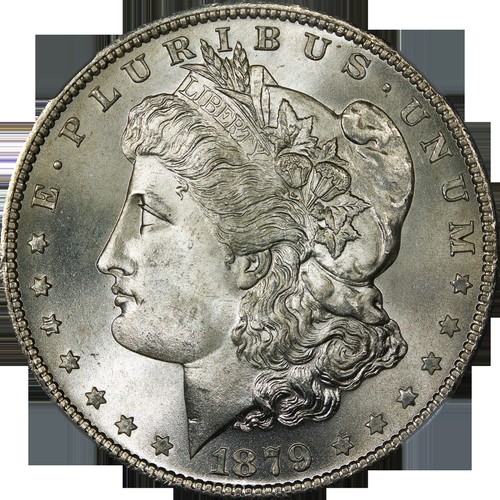
Morgan Dollar
1878–1904, 1921
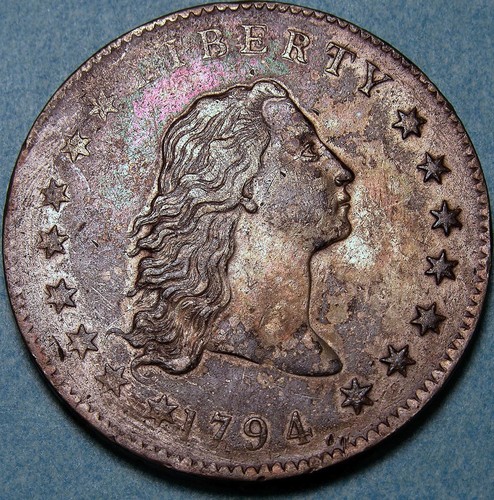
Flowing Hair Dollar
1794–1795
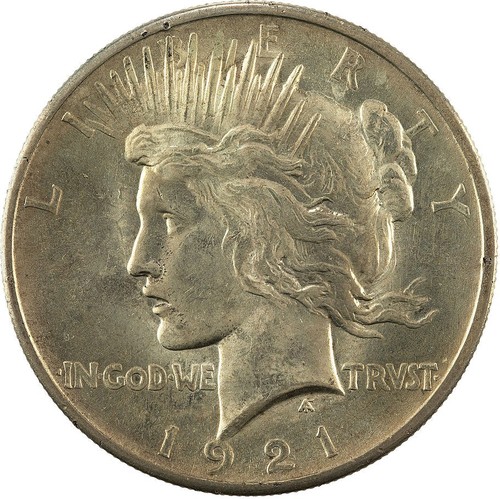
Peace Dollar
1921–1928, 1934–1935
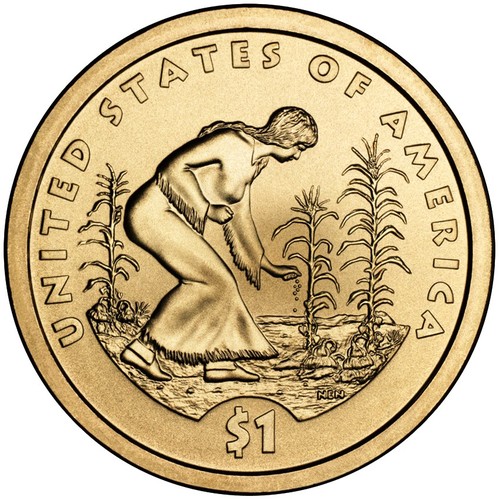
Native American Dollar
2009–present
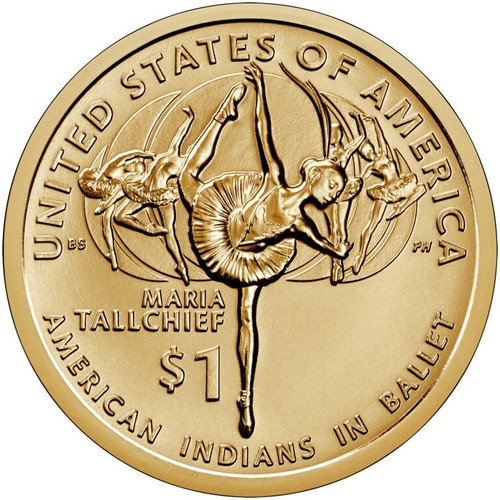
Native American Dollar - Tallchief
2023
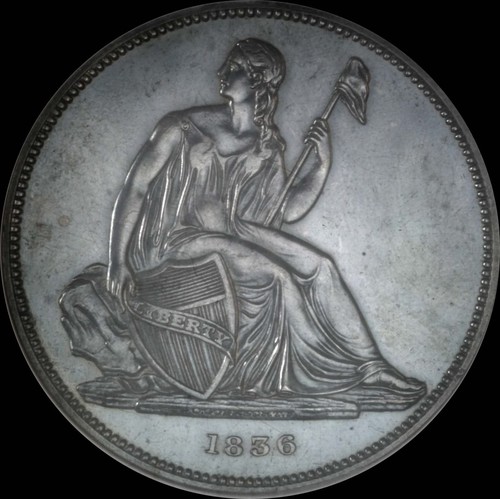
Gobrecht Dollar
1836
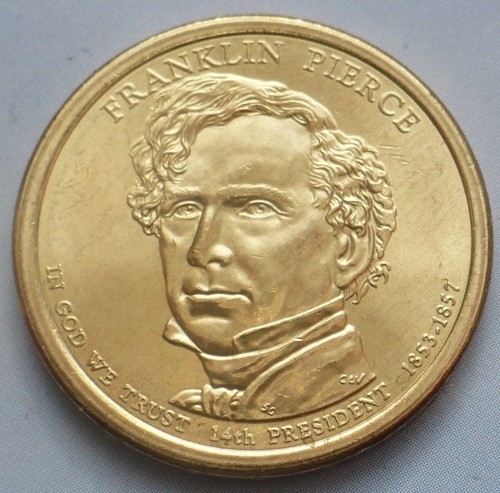
Franklin Pierce Presidential Dollar
2010
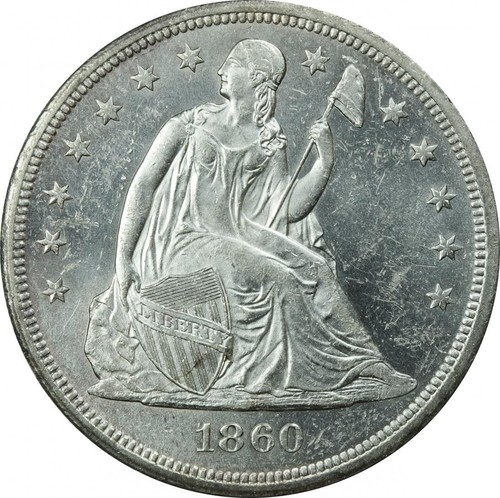
Seated Liberty Dollar
1840-1873
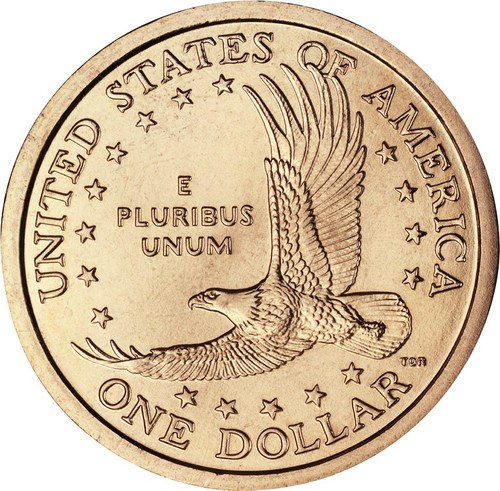
Sacagawea Dollar
2000–2008
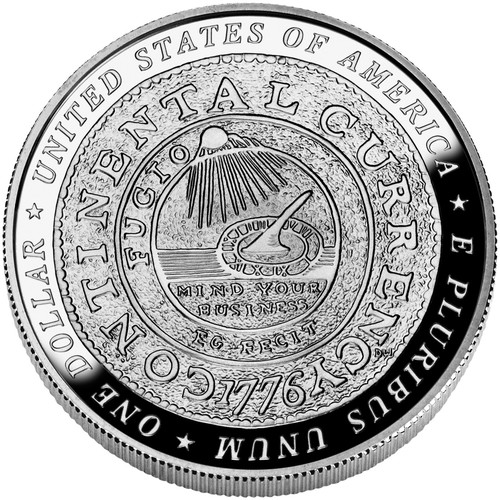
Benjamin Franklin Founding Father Commemorative Silver Dollar
2006
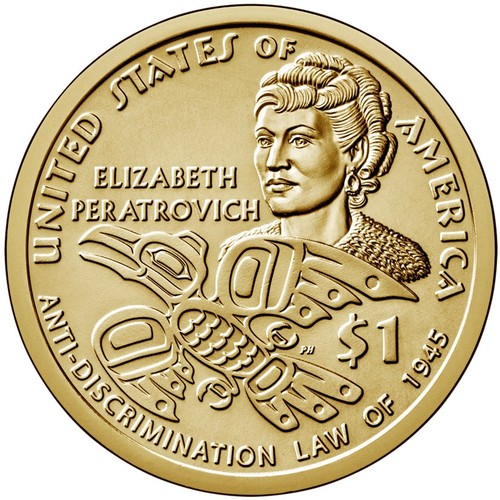
Native American Dollar - Peratrovich
2020