
British Trade Dollar
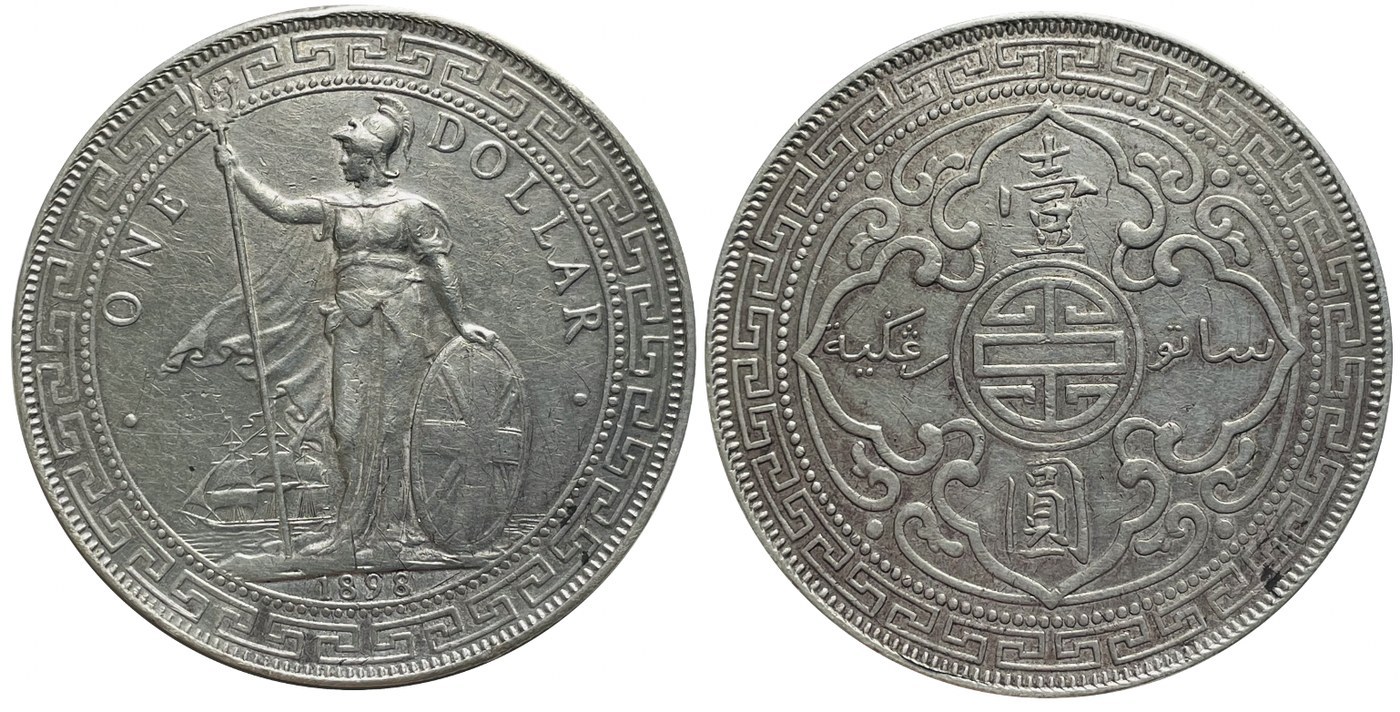
British silver trade dollar for Far East commerce, with seated Britannia holding a trident and shield and a Chinese dragon reverse.
- Country
- United Kingdom
- Denomination
- 1 dollar
- Metal
- Silver
Got a coin like this?
Identify any coin from a photo, free.
Overview
The British Trade Dollar is a large silver coin struck by the United Kingdom for use in its Far Eastern trade, primarily in Hong Kong, the Straits Settlements, and the treaty ports of China. It was never intended to circulate at home in Britain; instead it competed with the Spanish, Mexican, and other silver dollars that dominated East Asian commerce. The example shown is dated 1911.
The obverse depicts Britannia standing (seated on this design against her shield with the sea behind), holding a trident in one hand and steadying a shield in the other, with a merchant ship and a wheel-like element in the field. The reverse carries a Chinese dragon set within an ornate frame, together with Chinese and Malay/Jawi inscriptions expressing the denomination "one dollar." It is a chunky crown-sized coin in high-grade silver with a reeded edge.
History & Background
By the late nineteenth century, British merchants in Asia relied on foreign silver dollars — especially the Mexican peso and the earlier Spanish eight reales — to settle accounts. To provide a British coin of matching weight and fineness, the Royal Mint introduced the Trade Dollar in 1895, designed by George William de Saulles. The coins were struck mainly at branch mints in Bombay (mint mark B) and Calcutta (mint mark C, or no mark), with some London striking, and released through the eastern colonies.
The design remained essentially unchanged for its entire run, which is why the same Britannia-and-dragon type appears across many years, including this 1911 piece. Production continued into the 1930s; the final regular issues are dated 1935, after which changing silver economics and monetary reform in China and the region brought the series to a close. Because the design was frozen for decades, dates and tiny mint marks are the main way to place an individual coin within the series.
How to Identify
The obverse is the key diagnostic: Britannia in flowing robes, a trident held upright in one hand and a large shield bearing the Union device beside her, with a sailing ship on the water in the background. The date appears in the lower field, and a small mint mark (B for Bombay, C for Calcutta, or none) may sit in the ground line or between the base ornaments. On this coin the date reads 1911.
The reverse shows a coiled Chinese dragon inside an ornamental scalloped frame. The Chinese characters for "one dollar" appear in a central panel, with the equivalent Malay inscription in Jawi (Arabic script) reading "satu ringgit" arranged around the design. This dragon-and-Britannia pairing is unique to the British Trade Dollar and separates it at a glance from the Mexican, Japanese, or U.S. trade dollars it circulated alongside.
Physically the coin is crown-sized: roughly 39 mm in diameter and about 26.9 g of .900 fine silver (later issues .900, some .500), with a reeded edge. Genuine strikes are sharp and heavy; a light, undersized, or non-reeded example should be treated with suspicion.
Value & Collectibility
Value turns on date, mint mark, and condition. Many common dates of the British Trade Dollar in circulated grades trade as recognizable silver crowns at a moderate premium over their bullion content, while scarcer dates, low-mintage mint-mark combinations, and problem-free high grades bring substantially more.
The series is heavily counterfeited because it was a widely trusted bullion coin in Asia, and modern replicas as well as period "chopmarked" pieces (stamped by Chinese merchants to vouch for the silver) are common. Chopmarks tell an authentic history but generally reduce collector value versus an unmarked coin. For any better date or higher-grade example, third-party authentication and grading is strongly advised. Treat all figures here as general context, not firm prices.
Frequently asked questions
What is the British Trade Dollar and where was it used?
It is a large British silver dollar struck from 1895 for commerce in the Far East — Hong Kong, the Straits Settlements, and Chinese treaty ports — to compete with the Mexican and other silver dollars used there. It did not circulate in Britain itself.
Why does a British coin have a Chinese dragon on it?
The dragon and the Chinese and Malay inscriptions signaled the coin's value to merchants across East Asia. The British designed it specifically to be accepted in markets that were already used to dollar-sized silver coins.
Is the British Trade Dollar made of silver?
Yes. It is a crown-sized coin of high-grade silver, about 26.9 grams and roughly 39 mm across, so even worn examples carry meaningful silver value.
What do the stamps on some Trade Dollars mean?
Small stamped symbols are 'chopmarks,' applied by Chinese merchants and bankers to certify the silver. They are authentic to the coin's history but usually lower its value to collectors compared with an unmarked piece.
Where is the mint mark on a British Trade Dollar?
A tiny mint mark can appear in the ground or between the ornaments below Britannia: B for Bombay, C for Calcutta, or none for other striking. Combined with the date, it identifies the specific issue.
British Trade Dollar guides
In-depth guides for identifying, valuing, and collecting British Trade Dollar.
Other coins you may enjoy
Morgan Dollar
1878–1904, 1921
Flowing Hair Dollar
1794–1795
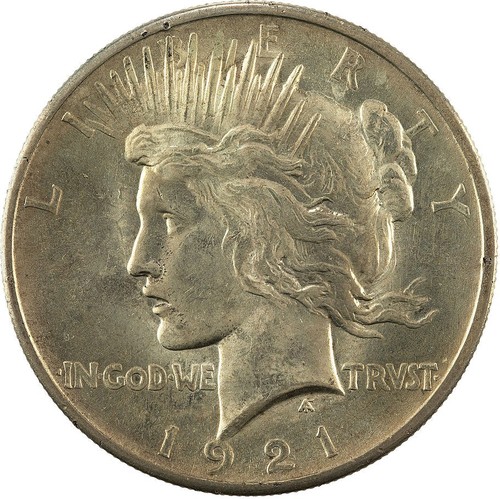
Peace Dollar
1921–1928, 1934–1935
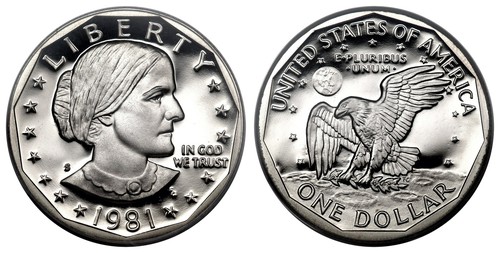
Susan B. Anthony Dollar
1979–1981, 1999
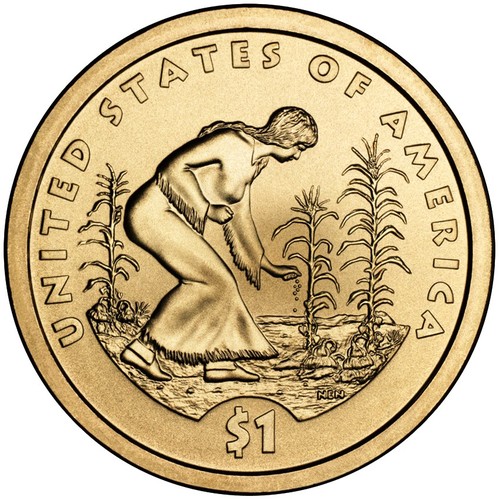
Native American Dollar
2009–present
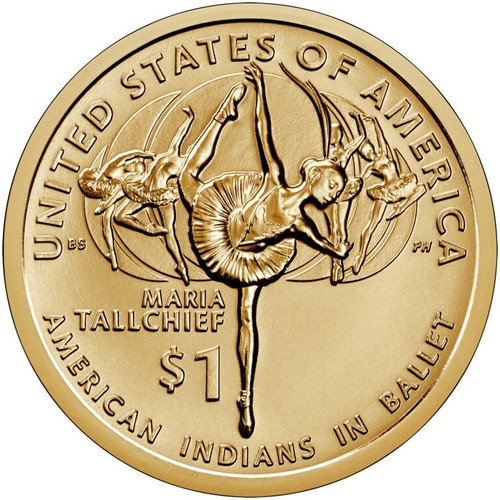
Native American Dollar - Tallchief
2023
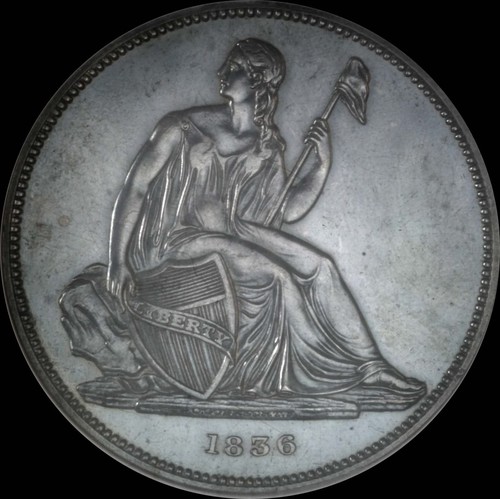
Gobrecht Dollar
1836
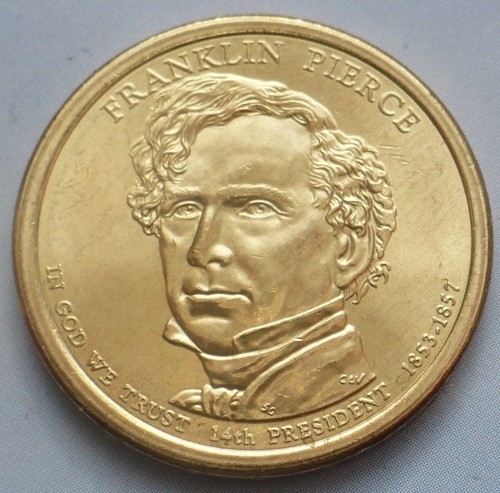
Franklin Pierce Presidential Dollar
2010
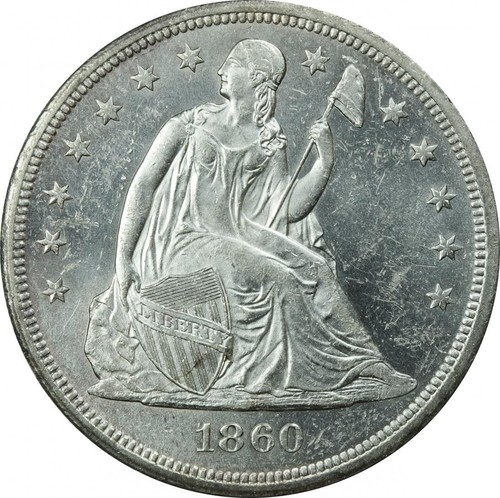
Seated Liberty Dollar
1840-1873
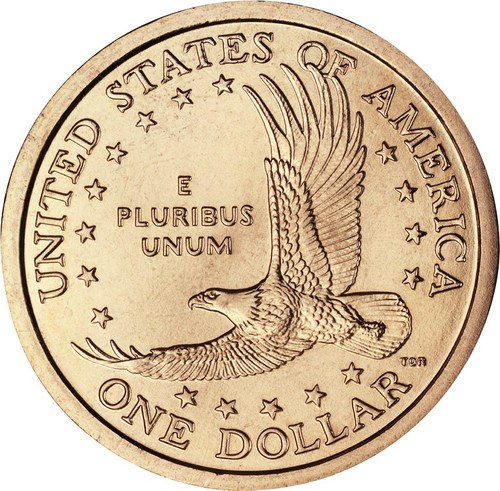
Sacagawea Dollar
2000–2008
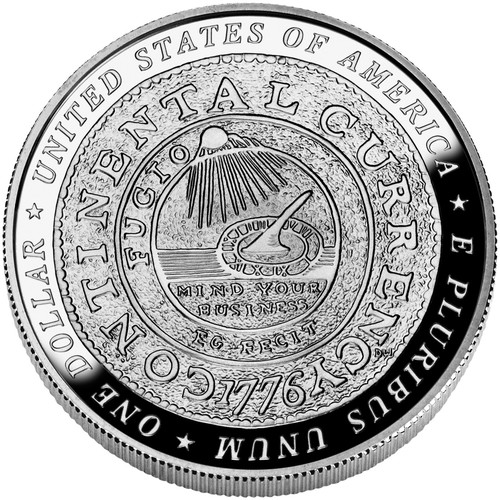
Benjamin Franklin Founding Father Commemorative Silver Dollar
2006
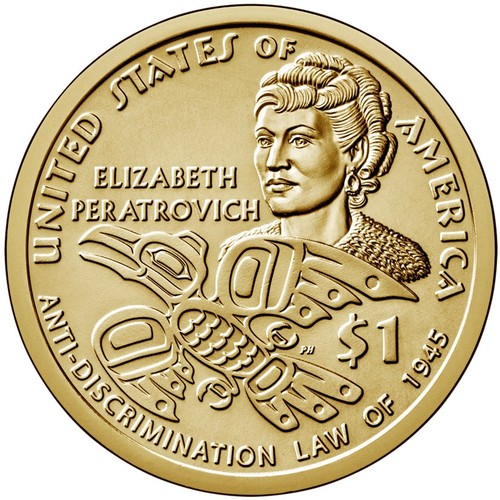
Native American Dollar - Peratrovich
2020