
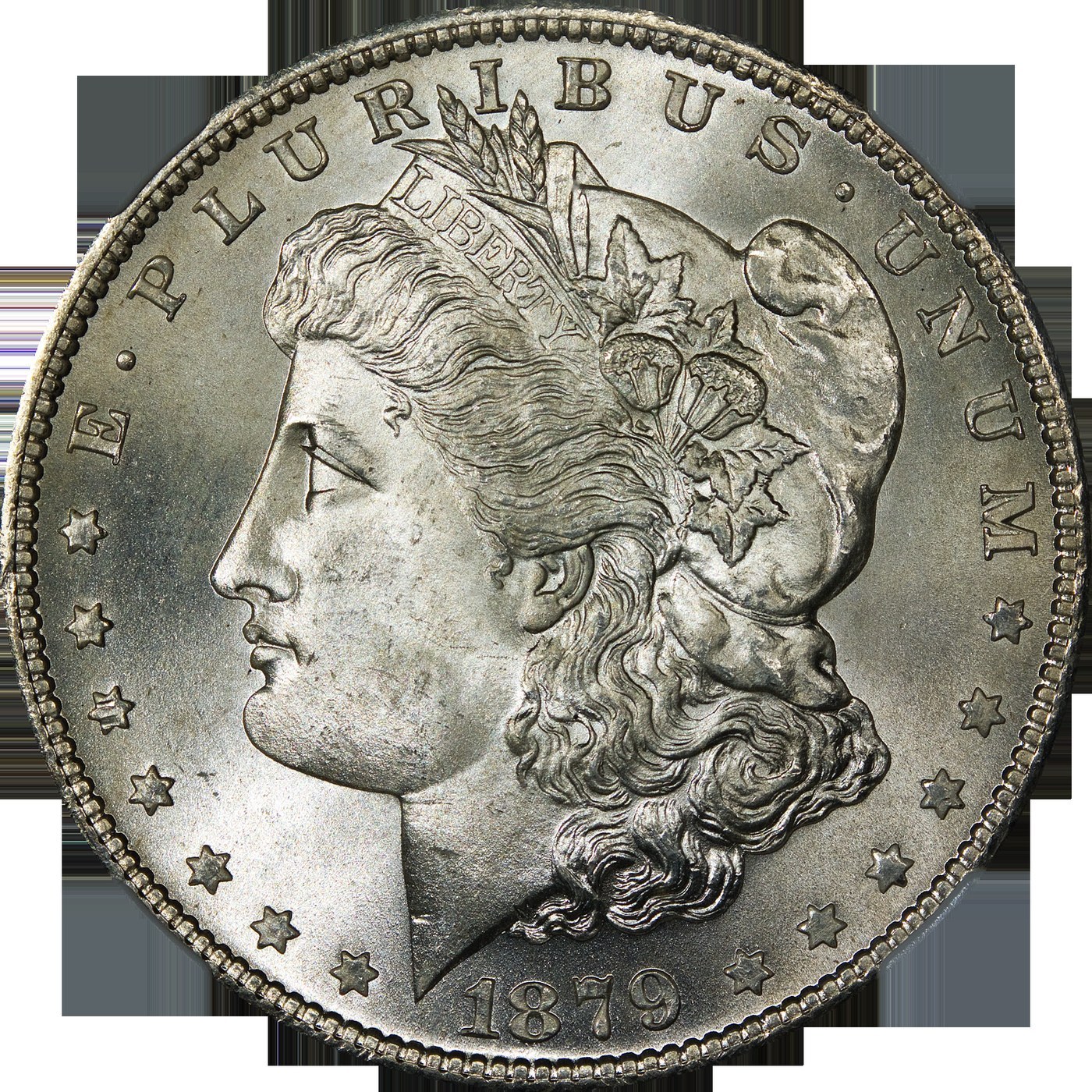
Morgan Dollar
U.S. 90% silver dollar struck 1878–1904 and again in 1921, with George T. Morgan's Liberty head and a spread-winged eagle reverse.
- Country
- United States
- Denomination
- 1 dollar
- Metal
- Silver
Got a coin like this?
Identify any coin from a photo, free.
Overview
The Morgan Dollar is a large United States silver dollar struck from 1878 through 1904 and revived for a single year in 1921. It is named for George T. Morgan, the Mint engraver who designed both sides: a left-facing head of Liberty on the obverse and a spread-winged eagle on the reverse. It is one of the most widely collected of all American coins.
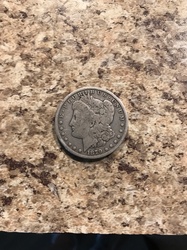
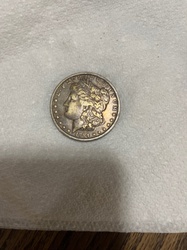
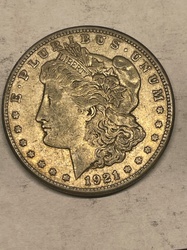
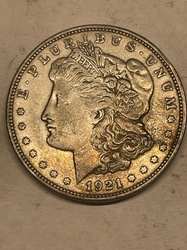
The coin is substantial — 90% silver and 10% copper, 38.1 mm in diameter and weighing about 26.7 g, with a reeded edge. The example shown here is dated 1879 with an S mint mark, indicating it was struck at the San Francisco Mint. The obverse shows Liberty in profile facing left, wearing a cap and surrounded by stars, with the date below; the reverse carries the eagle.
History & Background
The Morgan Dollar was born of the Bland-Allison Act of 1878, which required the Treasury to buy large quantities of domestic silver and coin it into dollars. To meet the mandate the Mint needed a new dollar design, and English-born assistant engraver George T. Morgan produced the Liberty head that now bears his name — modeled, by tradition, on a Philadelphia schoolteacher named Anna Willess Williams.
Production ran from 1878 to 1904, stopped when silver supplies for the program were exhausted, then resumed briefly in 1921 under the Pittman Act before the Peace Dollar replaced it later that year. Morgan Dollars were struck at Philadelphia (no mint mark), San Francisco (S), Carson City (CC), New Orleans (O), and — in 1921 only — Denver (D). Many were held in Treasury vaults for decades, and large releases in the 20th century, including the famous 1962–1964 vault disbursements and the later GSA sales of Carson City coins, put many high-grade survivors into collectors' hands.
How to Identify
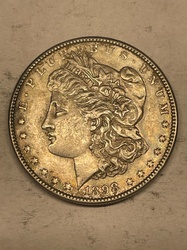
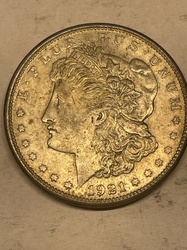
The obverse shows Liberty's head in profile facing left, wearing a Phrygian-style cap with a band reading LIBERTY and a headdress of cotton and wheat. Thirteen stars ring the lower border, UNITED STATES OF AMERICA arcs across the top, and the date sits at the bottom. The example here reads 1879.
The reverse displays an eagle with wings spread wide, clutching an olive branch and arrows, framed by a wreath, with E PLURIBUS UNUM above and ONE DOLLAR below. The mint mark, when present, is on the reverse beneath the wreath, above the letters DO in DOLLAR — look for S, CC, O, or D; no mint mark means Philadelphia.
Physically the coin is large and heavy: 90% silver, 38.1 mm across, about 26.7 g, with a reeded edge. Its size and weight, the LIBERTY headband, and the spread-eagle reverse together distinguish a Morgan Dollar from the later Peace Dollar (which shows a radiant Liberty head and a perched eagle) and from smaller silver denominations.
Value & Collectibility
Value depends heavily on date, mint mark, and condition. Common dates in circulated grades trade at a modest premium over their silver content, while uncirculated and prooflike examples, and better dates, bring substantially more. Carson City (CC) issues are especially sought after, and a handful of dates and varieties — such as the 1889-CC, 1893-S, and the 1878 eight-tail-feather varieties — command strong premiums.
Mint state grade and eye appeal make a large difference for Morgan Dollars, so the same date can range from bullion-level to a significant collector price depending on preservation and strike. Because the series is heavily collected and its rarities attract counterfeits and altered mint marks, key dates and high-value examples should be authenticated and graded by a reputable third-party service. Treat any figures here as general context rather than firm prices.
Frequently asked questions
Who designed the Morgan Dollar?
George T. Morgan, an engraver at the United States Mint. He designed both the Liberty head obverse and the spread-winged eagle reverse, and the coin is named after him.
Is a Morgan Dollar made of real silver?
Yes. Morgan Dollars are 90% silver and 10% copper, weighing about 26.7 grams, so even worn examples carry meaningful intrinsic silver value.
Where is the mint mark on a Morgan Dollar?
On the reverse, below the wreath and above the DO in DOLLAR. You may see S, CC, O, or D; no mint mark means the coin was struck in Philadelphia.
What years were Morgan Dollars made?
They were struck from 1878 through 1904, then again for one year in 1921 before the Peace Dollar replaced the design.
What does the S mint mark on an 1879 Morgan Dollar mean?
The S indicates the coin was struck at the San Francisco Mint. San Francisco Morgans are common for many dates and are often found well struck.
Morgan Dollar guides
In-depth guides for identifying, valuing, and collecting Morgan Dollar.
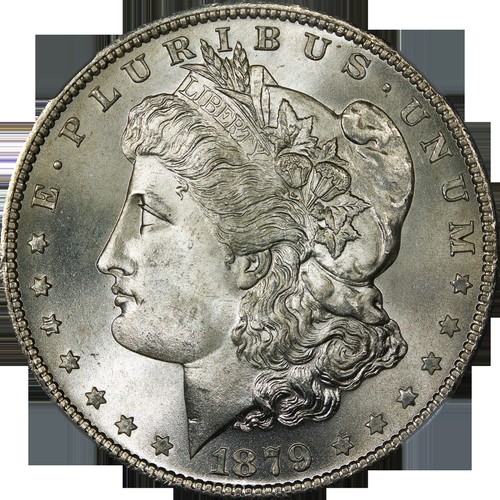
Morgan Dollar identified by the community
Real coins identified with Coin Identifier.
Other coins you may enjoy
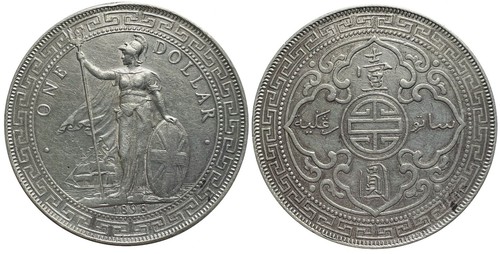
British Trade Dollar
1895–1935
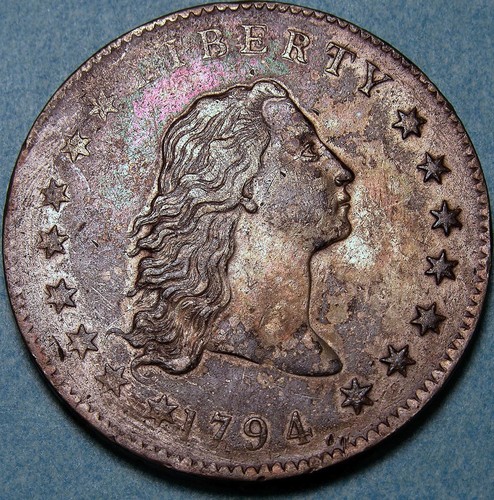
Flowing Hair Dollar
1794–1795
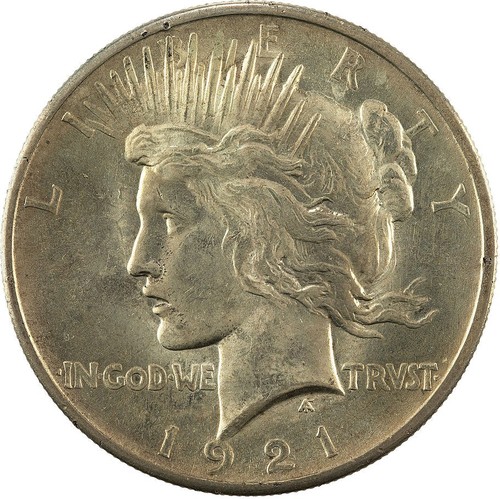
Peace Dollar
1921–1928, 1934–1935
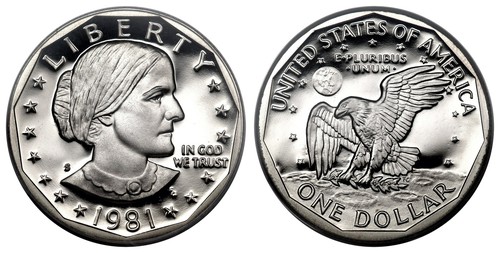
Susan B. Anthony Dollar
1979–1981, 1999
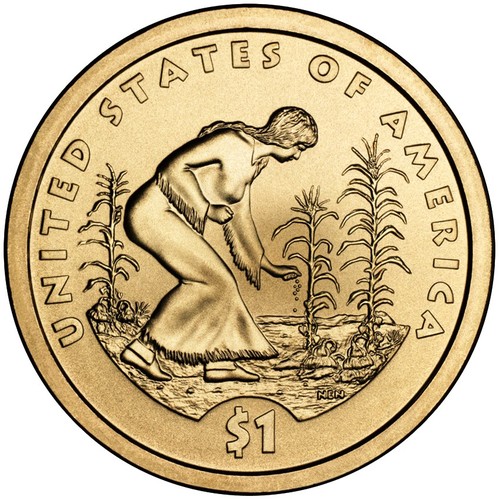
Native American Dollar
2009–present
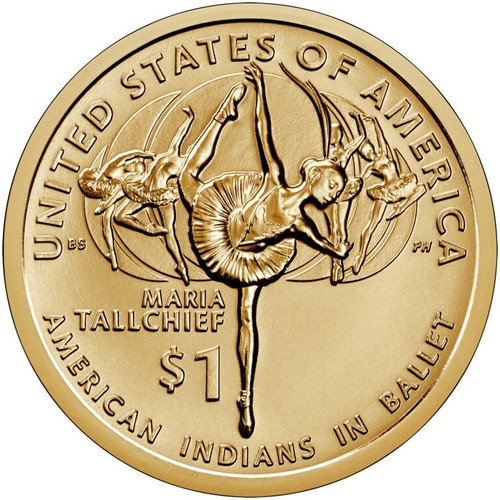
Native American Dollar - Tallchief
2023
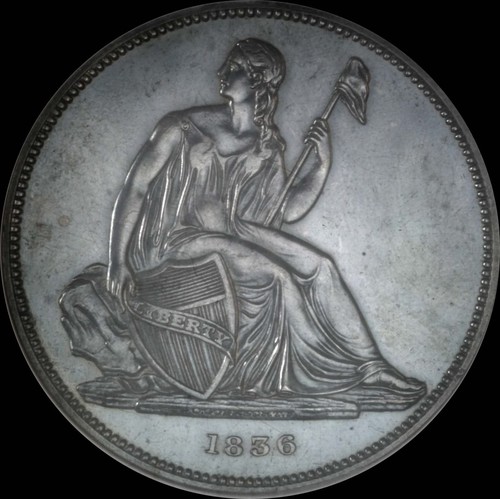
Gobrecht Dollar
1836
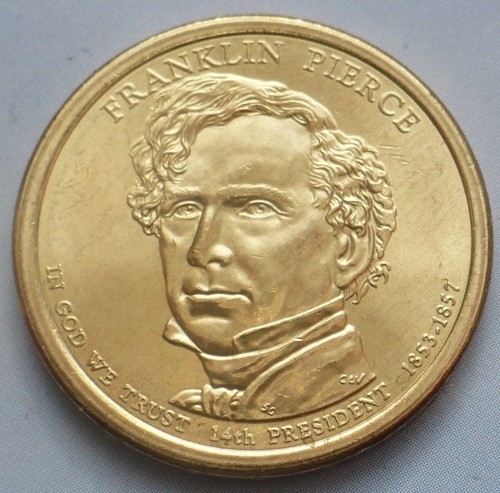
Franklin Pierce Presidential Dollar
2010
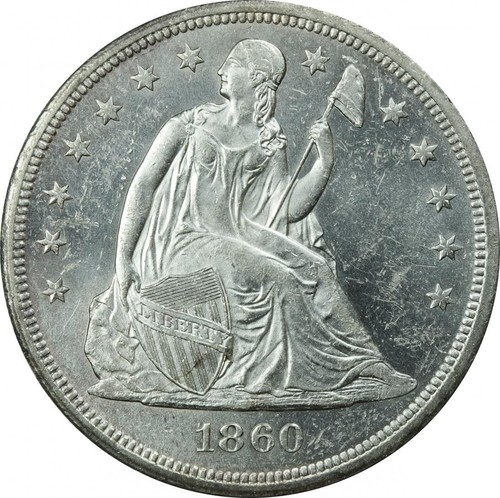
Seated Liberty Dollar
1840-1873
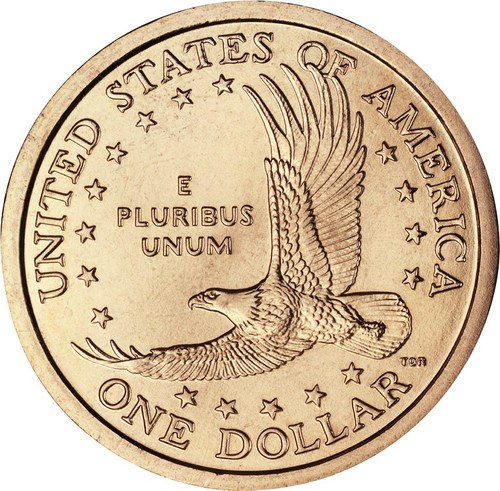
Sacagawea Dollar
2000–2008
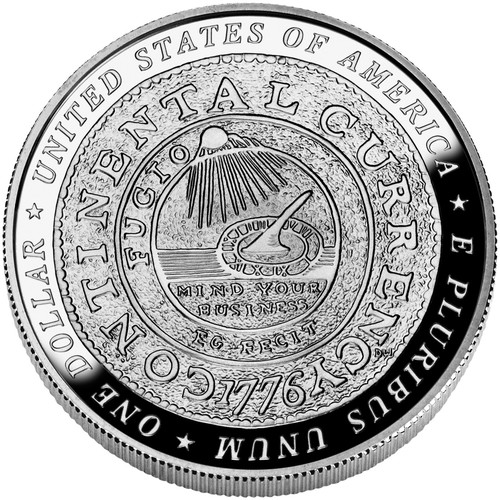
Benjamin Franklin Founding Father Commemorative Silver Dollar
2006
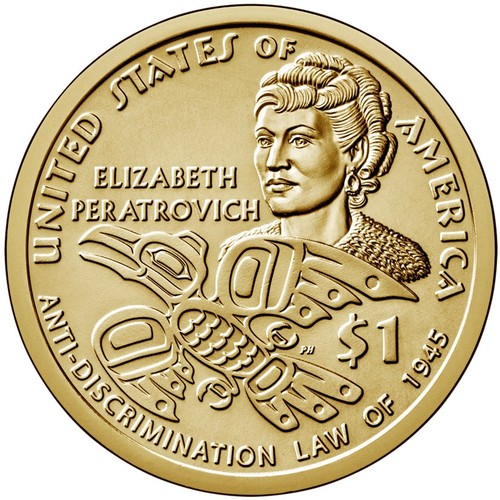
Native American Dollar - Peratrovich
2020