
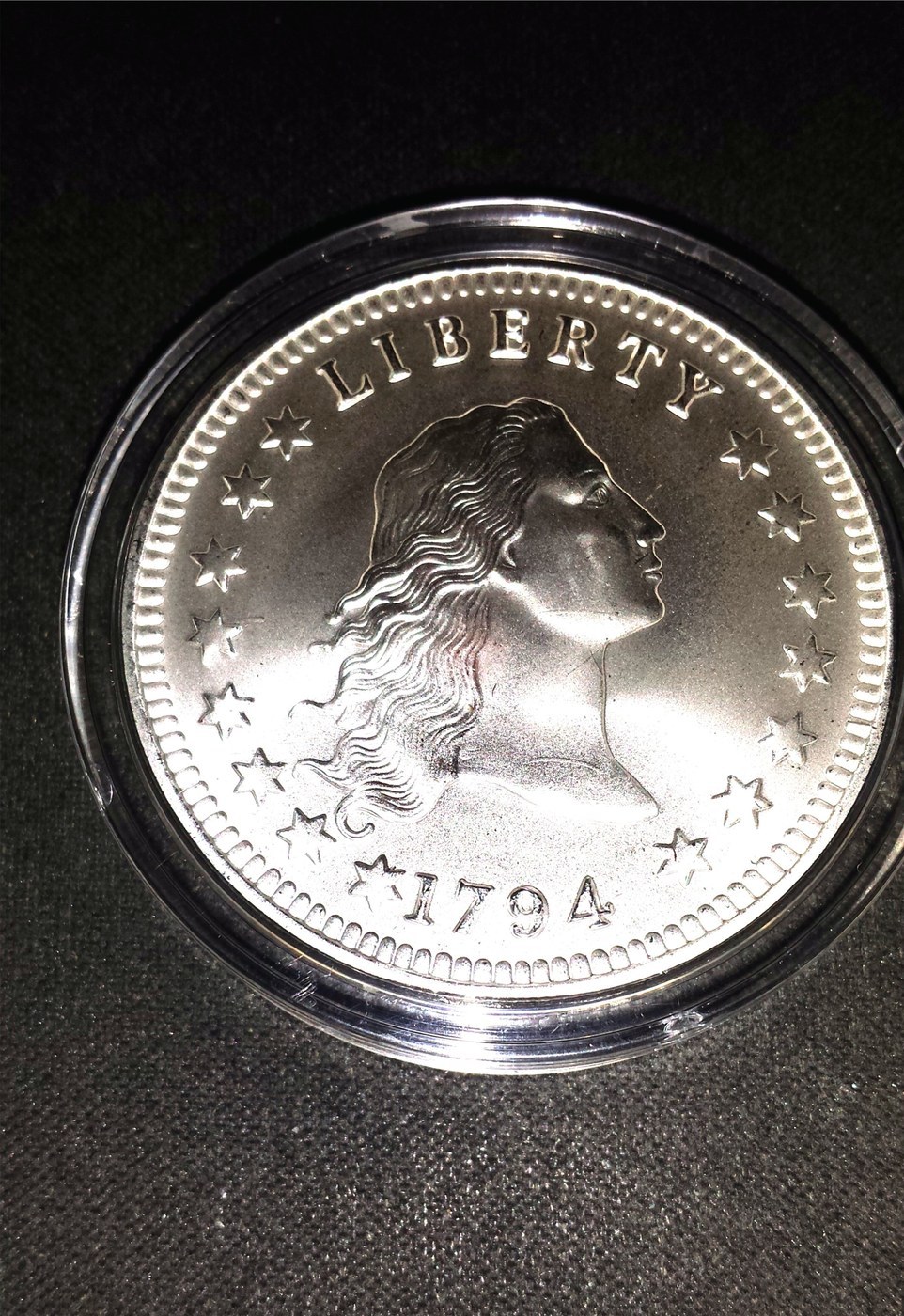
Flowing Hair Dollar
The first U.S. silver dollar, struck 1794–1795, with a right-facing Liberty whose hair flows loose amid stars and a small spread-wing eagle reverse.
- Country
- United States
- Denomination
- 1 dollar
- Metal
- Silver
Got a coin like this?
Identify any coin from a photo, free.
Overview
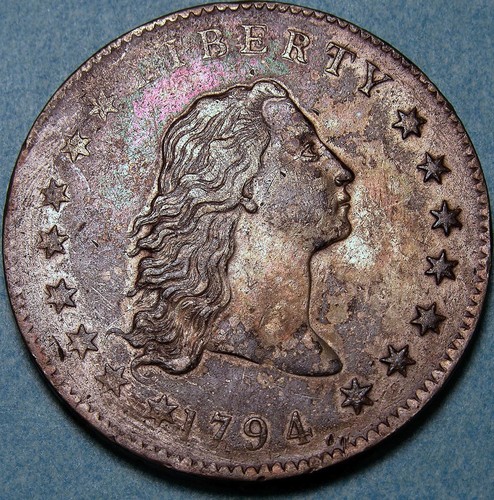
The Flowing Hair Dollar is the first silver dollar struck by the United States Mint, produced only in 1794 and 1795. The obverse shows the head of Liberty facing right, her hair flowing loose and unbound, encircled by stars, with LIBERTY above and the date below. The reverse depicts a small eagle with wings spread, perched within a wreath.
The coin is a large, heavy silver piece — roughly 39–40 mm across and about 26.9 g — struck in an early silver alloy of approximately 90% silver (the Mint's initial standard was near 89.2% silver). Its edge is lettered rather than reeded, reading HUNDRED CENTS ONE DOLLAR OR UNIT with decorative devices. As the founding U.S. dollar, it is one of the most historically significant and sought-after coins in American numismatics, and genuine examples are scarce and valuable in every grade.
History & Background
Authorized by the Coinage Act of 1792, the silver dollar was intended as the anchor of the new nation's decimal money. The Mint, then in Philadelphia and still in its infancy, did not strike its first dollars until 1794. Working with hand-engraved dies and a screw press not really built for coins this large, the Mint produced only a small number of 1794 dollars, many showing weak striking on the left side. Robert Scot, the Mint's chief engraver, is generally credited with the design.
Production expanded in 1795, when tens of thousands more Flowing Hair dollars were struck. Later that same year the design was replaced by the Draped Bust dollar, ending the Flowing Hair type after just two dates. Because of its brief run and its status as the very first American dollar, the type is prized by collectors; a superb 1794 example famously became one of the most expensive coins ever sold at auction. The exact original mintages are not precisely documented, and survivors represent only a fraction of what was struck.
How to Identify
The obverse is the defining feature: a right-facing portrait of Liberty whose long hair flows loosely and untied, without a cap or wreath on her head. LIBERTY arcs above, the date sits below, and stars flank the portrait — 1794 dollars show fifteen stars, while 1795 examples appear with fifteen or, on later dies, additional arrangements. There is no motto such as IN GOD WE TRUST, which did not appear on U.S. coinage this early.
The reverse shows a small, naturalistic eagle with outstretched wings standing within an open wreath, surrounded by the legend UNITED STATES OF AMERICA. There is no denomination expressed as a numeral or words on the faces of the coin — the value is instead spelled out on the edge, which is lettered: HUNDRED CENTS ONE DOLLAR OR UNIT. This lettered edge is an important authentication point, since modern fakes often get it wrong or omit it.
Physically the coin is large and heavy: about 39–40 mm in diameter and roughly 26.9 g in early silver alloy, with no mint mark (all were struck at Philadelphia). Genuine pieces frequently show the crude, uneven striking and adjustment marks typical of the Mint's earliest years, rather than the crisp uniformity of modern coins.
Value & Collectibility
The Flowing Hair Dollar is a genuine rarity in every grade, and even heavily worn, damaged examples command substantial sums well into the thousands of dollars because so few survive from a two-year type. Values climb sharply with condition, and problem-free coins with clear detail are highly prized. The 1794 issue is far scarcer than 1795 and trades at a large premium, with finest-known examples having realized seven- and even eight-figure prices at auction.
Because the type is so valuable, it is heavily targeted by counterfeiters and by alteration of edges, dates, and surfaces. Any Flowing Hair dollar should be treated as a coin requiring expert authentication before any transaction. Figures cited here are general context only; date, die variety, surface quality, and third-party certification determine actual value, and reputable grading (such as PCGS or NGC) is essentially mandatory for a coin of this stature.
Frequently asked questions
What makes the Flowing Hair Dollar historically important?
It is the first silver dollar struck by the United States Mint, produced in 1794 and 1795, making it the founding coin of the American dollar.
What is on the Flowing Hair Dollar?
The obverse shows Liberty facing right with long, loose flowing hair amid stars; the reverse shows a small eagle with spread wings inside a wreath, with the value spelled out on a lettered edge.
Is the Flowing Hair Dollar made of silver?
Yes. It was struck in an early silver alloy of roughly 90% silver, weighs about 26.9 grams, and measures around 39–40 mm across.
Does the Flowing Hair Dollar have a mint mark?
No. All were struck at the Philadelphia Mint, which used no mint mark in this era, so a mint mark would be a warning sign of a fake.
How much is a Flowing Hair Dollar worth?
It is rare and valuable in any grade, with even worn examples worth thousands and top pieces bringing millions. Because of that value, always have one authenticated by a reputable grading service.
Flowing Hair Dollar guides
In-depth guides for identifying, valuing, and collecting Flowing Hair Dollar.
Other coins you may enjoy
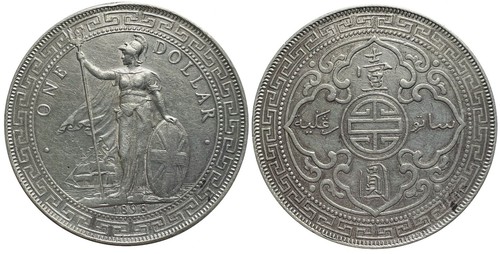
British Trade Dollar
1895–1935
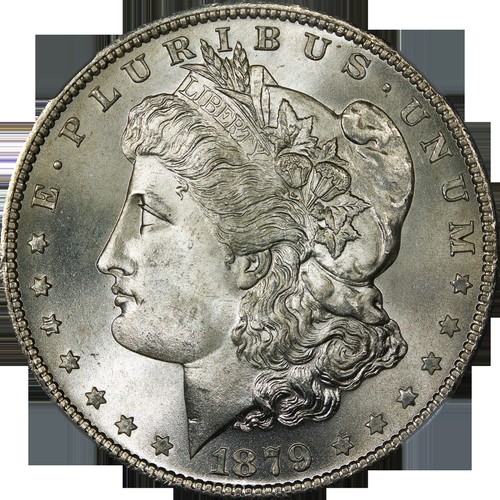
Morgan Dollar
1878–1904, 1921
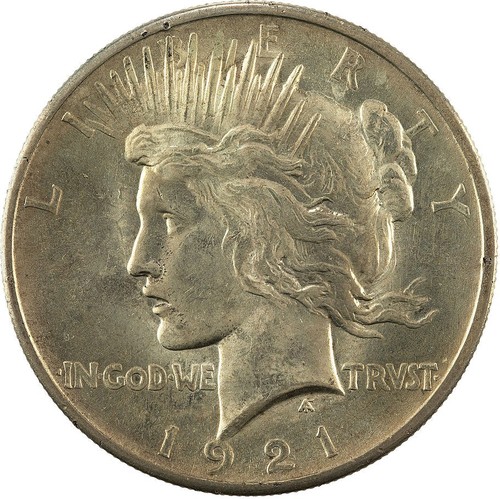
Peace Dollar
1921–1928, 1934–1935
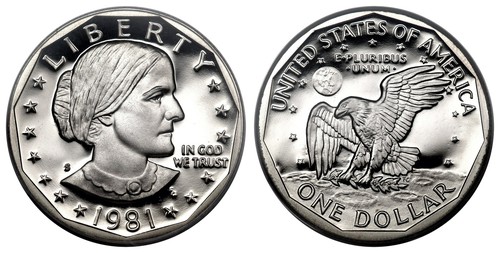
Susan B. Anthony Dollar
1979–1981, 1999
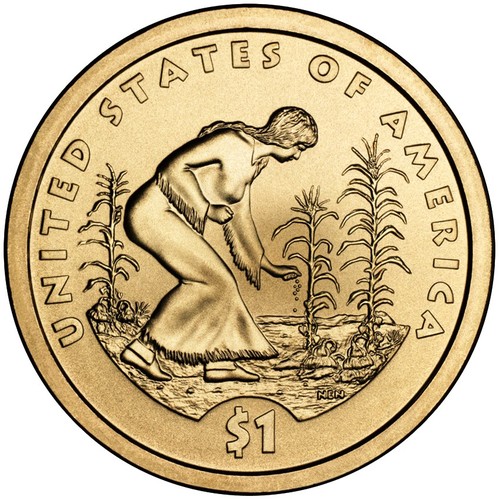
Native American Dollar
2009–present
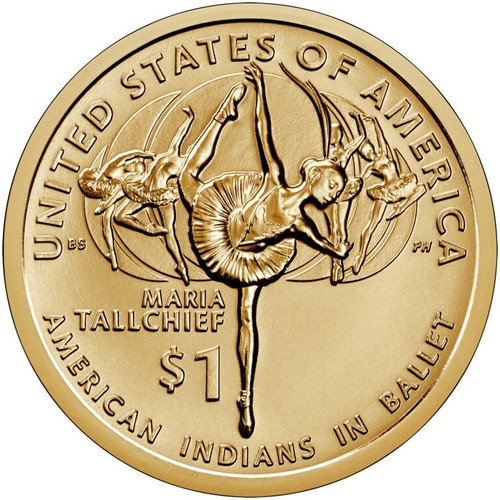
Native American Dollar - Tallchief
2023
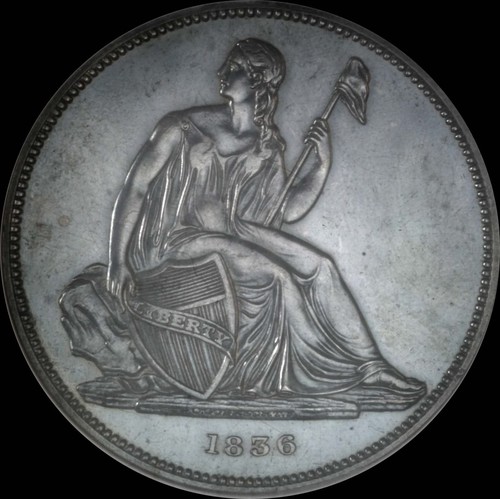
Gobrecht Dollar
1836
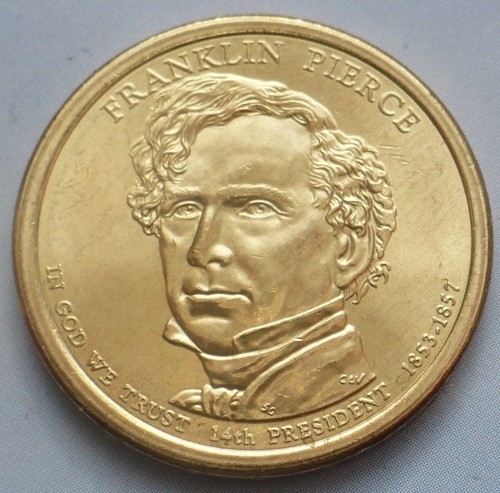
Franklin Pierce Presidential Dollar
2010
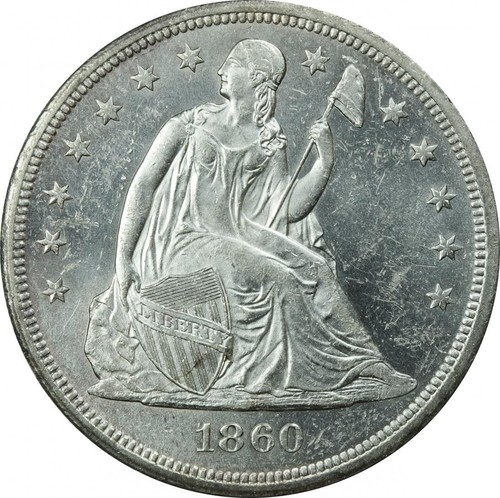
Seated Liberty Dollar
1840-1873
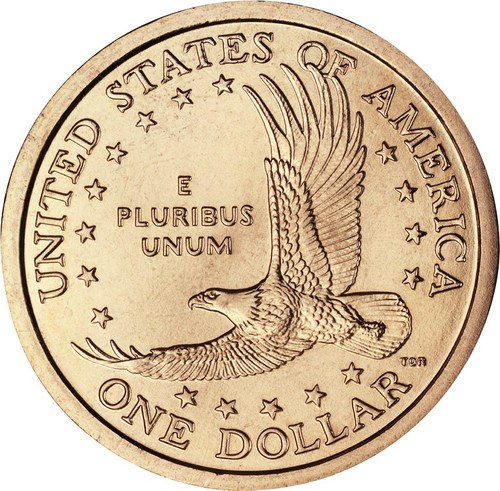
Sacagawea Dollar
2000–2008
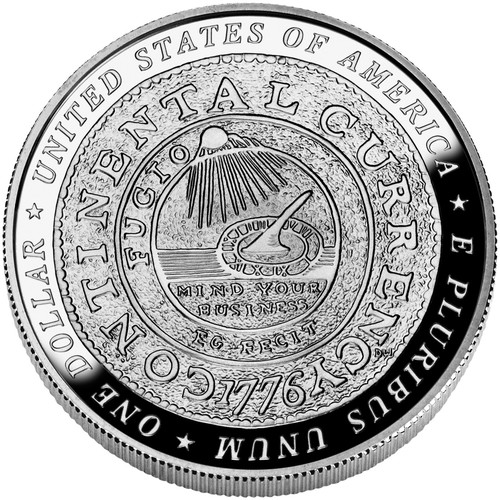
Benjamin Franklin Founding Father Commemorative Silver Dollar
2006
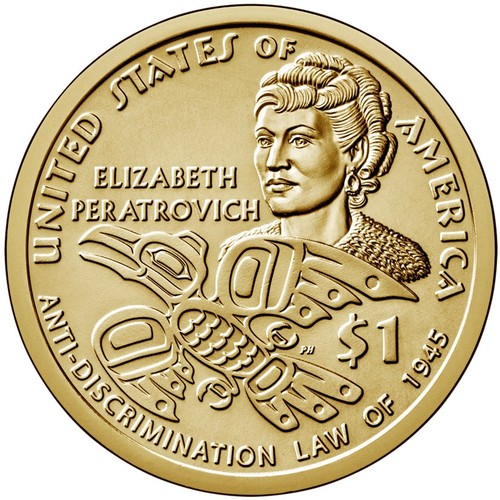
Native American Dollar - Peratrovich
2020