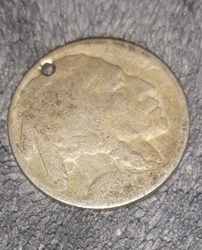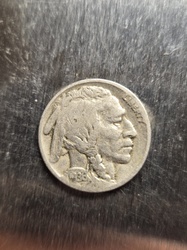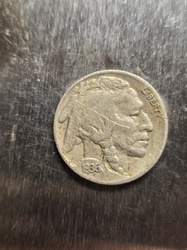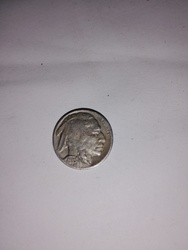
Buffalo Nickel
Iconic U.S. five-cent coin struck 1913–1938, with a Native American profile on the obverse and a standing American buffalo on the reverse.
- Country
- United States
- Denomination
- 5 Cents
- Metal
- Copper-Nickel
Got a coin like this?
Identify any coin from a photo, free.
Overview
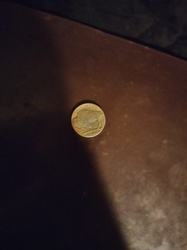
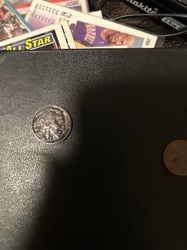
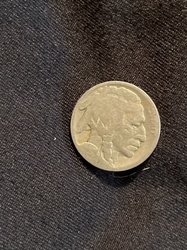
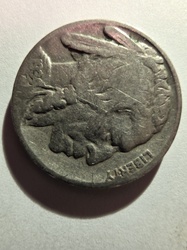
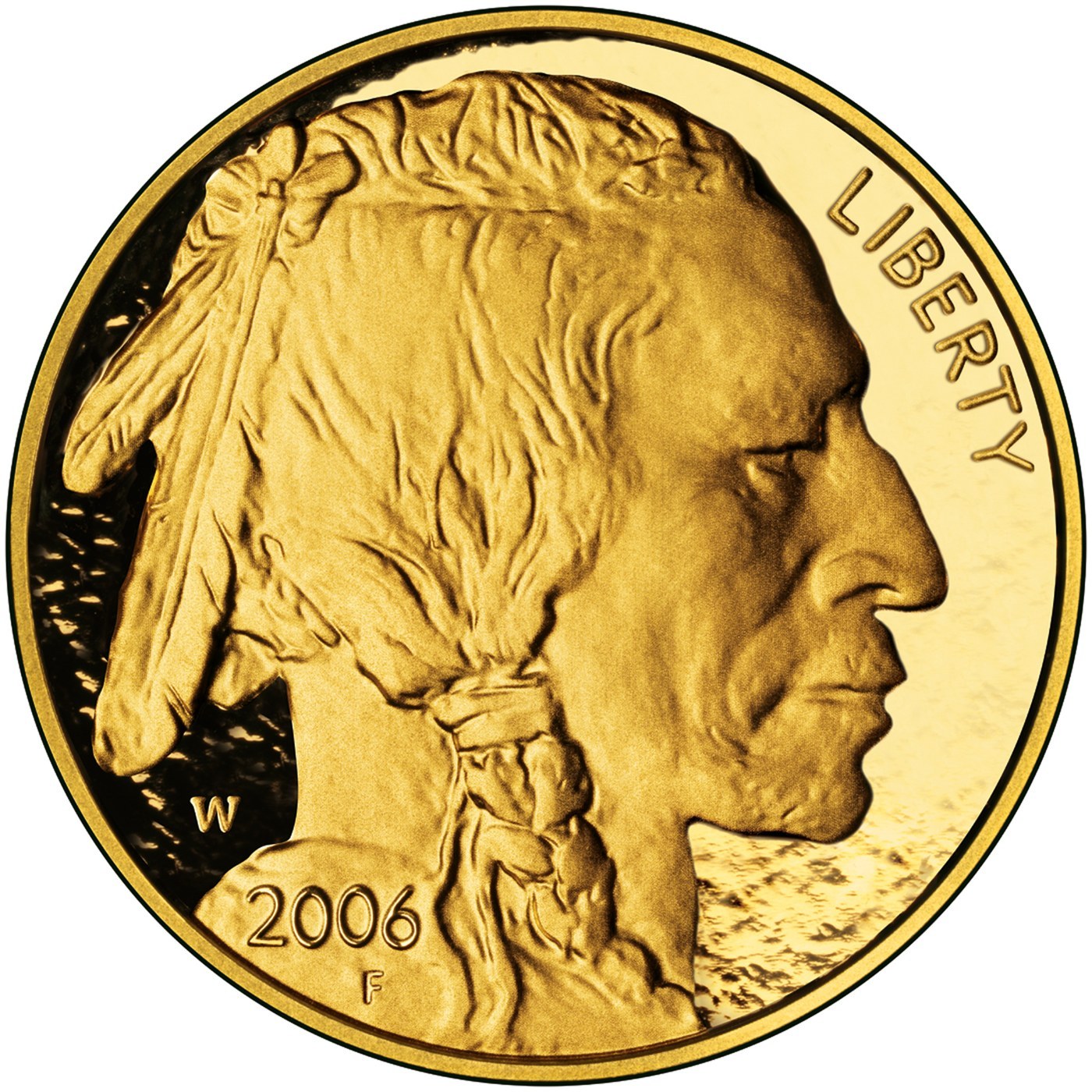
The Buffalo Nickel is a United States five-cent coin produced by the U.S. Mint from 1913 through 1938. The obverse shows the right-side profile of a Native American facing left with the word "LIBERTY" along the rim, and the reverse features a standing American buffalo (bison) above the denomination "FIVE CENTS." Its all-American imagery has made it one of the most beloved coin designs the Mint ever issued.
The 1935 example shown here is a mid-series coin struck in copper-nickel — an alloy of 75% copper and 25% nickel. It measures about 21.2 mm in diameter, weighs roughly 5 grams, and has a plain (smooth) edge. By this date the design had settled into its long-running standard form.
History & Background
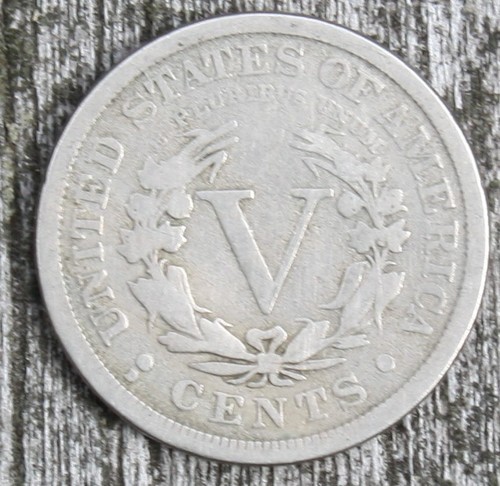
The Buffalo Nickel was designed by sculptor James Earle Fraser and introduced in 1913 to replace the Liberty Head "V" nickel. Fraser sought a coin that was distinctly American; the obviously native subject matter and the bison were chosen to evoke the country's frontier heritage. The Native American portrait is generally described as a composite based on several individuals who sat for the artist, rather than a single person.
Early in 1913 the reverse was modified. The first version (Type 1) placed the buffalo on a raised mound with "FIVE CENTS" on the rise, but the denomination wore away quickly, so the design was recessed into a straight line beneath the buffalo (Type 2) for the rest of the year and all later dates. The series ran through 1938, when it was replaced by the Jefferson Nickel. The 1935 date shown here falls in the coin's later, well-established production years.
How to Identify
The obverse depicts a Native American man in left-facing profile, with "LIBERTY" reading up along the right rim and the date below the chin at the lower right. The design fills nearly the entire field, a hallmark of Fraser's bold, sculptural style. The reverse shows a shaggy American buffalo standing in profile facing right, with "UNITED STATES OF AMERICA" and "E PLURIBUS UNUM" above and "FIVE CENTS" along the bottom.
The coin is copper-nickel, about 21.2 mm across, near 5 grams, with a plain edge and a warm gray tone. Mint marks, when present, appear on the reverse directly beneath "FIVE CENTS": a "D" for Denver or an "S" for San Francisco. Coins struck at Philadelphia, including many 1935 pieces, carry no mint mark.
Value & Collectibility
Common-date Buffalo Nickels in worn grades, including many 1935 examples, are affordable and trade for modest sums. Value climbs with condition, sharp horn and full-detail strikes, and original surfaces. Because the date sat on a raised, exposed part of the design, heavily circulated coins often show weak or missing dates, which lowers collector interest.
Certain issues are far scarcer and command strong premiums — the 1913-S Type 2, 1918/7-D overdate, and 1937-D "three-legged" buffalo are among the best-known rarities. A standard 1935 Philadelphia coin is a common date, while the branch-mint 1935-D and 1935-S are somewhat scarcer. Prices vary widely with grade and market conditions, so a certified example from a reputable grading service is the most reliable guide.
Frequently asked questions
Is the person on the Buffalo Nickel a real individual?
The portrait is generally described as a composite based on several Native American men who posed for designer James Earle Fraser, rather than a single identifiable person.
What is a 1935 Buffalo Nickel made of?
Like the whole series, it is copper-nickel — 75% copper and 25% nickel — weighing about 5 grams and measuring roughly 21.2 mm in diameter.
Why is the date often worn off Buffalo Nickels?
The date sits on a raised, exposed part of the obverse, so it wears away quickly in circulation. Coins with weak or missing dates are common and worth less to collectors.
Where is the mint mark on a Buffalo Nickel?
On the reverse, directly below "FIVE CENTS." A "D" means Denver and an "S" means San Francisco; Philadelphia coins have no mint mark.
Are Buffalo Nickels valuable?
Most common dates in worn condition are inexpensive, but sharp high-grade coins and key issues like the 1913-S Type 2, 1918/7-D, and 1937-D three-legged variety can be worth substantially more.
Buffalo Nickel guides
In-depth guides for identifying, valuing, and collecting Buffalo Nickel.
Buffalo Nickel identified by the community
Real coins identified with Coin Identifier.