Westward Journey Nickel
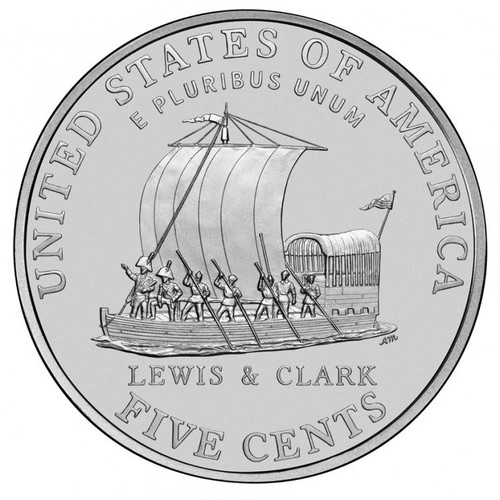
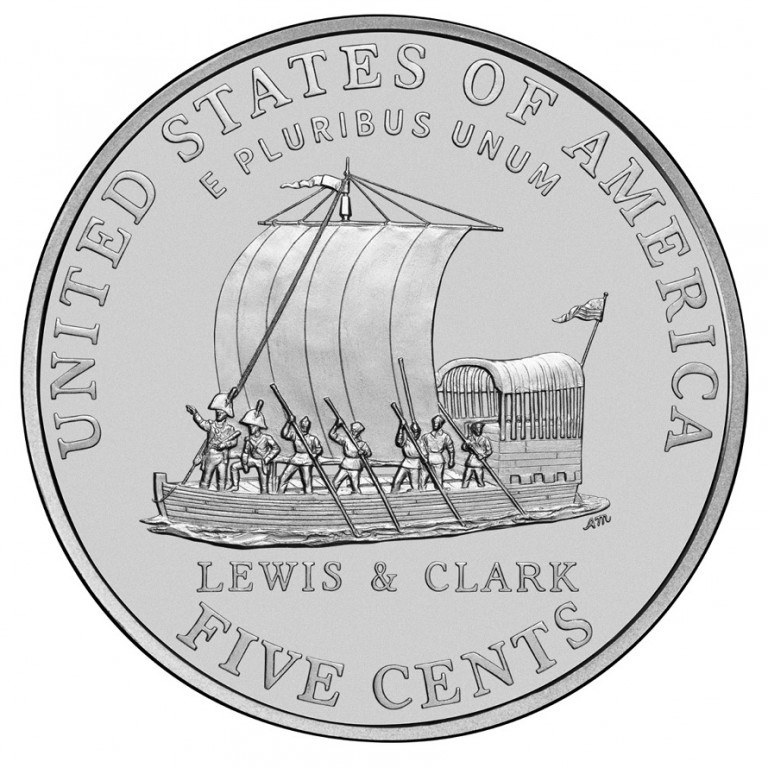
A 2004 Jefferson nickel from the Westward Journey series, showing the Lewis & Clark keelboat under sail on the reverse to mark the expedition's bicentennial.
- Country
- United States
- Denomination
- 5 Cents
- Metal
- Copper-Nickel (75% Copper, 25% Nickel)
Got a coin like this?
Identify any coin from a photo, free.
Overview
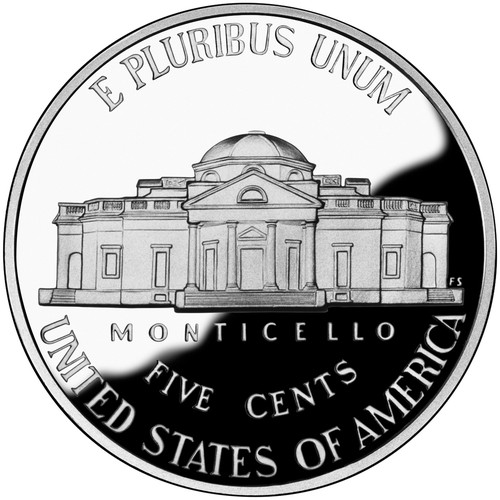
The Westward Journey Nickel is a special commemorative-themed run of the Jefferson five-cent piece issued by the United States Mint in 2004 and 2005. It temporarily set aside the familiar Monticello reverse in favor of designs celebrating the bicentennial of the Louisiana Purchase and the Lewis and Clark Expedition. The example shown here is the 2004 keelboat reverse.
On this coin the obverse retains the long-running left-facing profile of President Thomas Jefferson, while the reverse depicts the expedition's keelboat crewed by figures and driven by a billowing sail. The design commemorates the vessel used to carry the Corps of Discovery up the Missouri River at the start of their journey westward.
Struck in the standard copper-nickel alloy at the same size and weight as ordinary nickels, these coins circulated normally and remain very common today. They are popular as an accessible, affordable modern series that tells a chapter of American exploration history.
History & Background
In 2003 Congress authorized new nickel reverse designs to mark the 200th anniversary of the Louisiana Purchase of 1803 and the Lewis and Clark Expedition of 1804–1806. The result was the Westward Journey Nickel Series, produced across 2004 and 2005 before the denomination returned to a Monticello reverse in 2006.
The 2004 issues carried two reverses: a "Peace Medal" design based on the Jefferson Indian Peace Medals, and this keelboat design showing the boat that transported the Corps of Discovery and its supplies up the Missouri River. The keelboat reverse was created by United States Mint sculptor-engraver Al Maletsky.
The 2004 coins kept the original Felix Schlag profile portrait of Jefferson on the obverse. In 2005 the series introduced a new close-up, forward-angled Jefferson portrait paired with American Bison and "Ocean in View" reverses, after which the nickel adopted its current forward-facing Jefferson image and Monticello reverse in 2006.
How to Identify
Identify this coin by its reverse: a keelboat shown moving through water with a raised sail and figures of the crew aboard, inscribed with "UNITED STATES OF AMERICA," the denomination "FIVE CENTS," and "Lewis & Clark 1804." This scene is unique to the 2004 keelboat nickel and does not appear on any other year.
The obverse shows the classic left-facing bust of Thomas Jefferson with "IN GOD WE TRUST" to the left, "LIBERTY" and the date 2004 to the right. A mint mark of P (Philadelphia) or D (Denver) appears on the obverse near the date. The coin measures about 21.2 mm in diameter, weighs roughly 5 grams, has a plain (smooth) edge, and is struck in a 75% copper, 25% nickel alloy giving the usual silvery-gray nickel color.
Because the keelboat reverse was issued only in 2004, the date and reverse scene together confirm the type. Do not confuse it with the 2004 Peace Medal reverse (a clasped-hands and crossed-pipe-and-hatchet design) or the 2005 bison and coastline reverses, which belong to the same series but are distinct coins.
Value & Collectibility
Westward Journey nickels were minted in very large quantities and remain extremely common, so worn 2004 keelboat examples pulled from circulation are generally worth only face value. Their appeal is historical and collectible rather than driven by scarcity.
Modest premiums attach to high-grade, uncirculated pieces with full, sharp detail and clean surfaces, and to coins that were sold in the Mint's original rolls, sets, or special satin-finish and proof formats. As with most modern coins, condition and originality drive any value above face.
Because exact values shift with the collector market, check current price guides and recent sales for uncirculated or specially packaged examples. Ordinary circulated keelboat nickels are best regarded as a low-cost, easy-to-find piece of commemorative history.
Frequently asked questions
What does the keelboat on the 2004 nickel represent?
It depicts the keelboat used by the Lewis and Clark Expedition to carry the Corps of Discovery and their supplies up the Missouri River, commemorating the bicentennial of the journey westward.
Is the Westward Journey keelboat nickel rare or valuable?
No. It was produced in huge numbers and circulated widely, so worn examples are common and typically worth only face value; premiums apply mainly to high-grade or specially packaged coins.
Why doesn't this nickel show Monticello on the back?
For 2004 and 2005 the Mint temporarily replaced Monticello with Westward Journey designs marking the Louisiana Purchase and Lewis and Clark bicentennials; Monticello returned in 2006.
What is the keelboat nickel made of?
Like other Jefferson nickels it is struck in a copper-nickel alloy of 75% copper and 25% nickel, about 21.2 mm across and roughly 5 grams, with a plain edge.
Where is the mint mark on the 2004 keelboat nickel?
The mint mark, P for Philadelphia or D for Denver, is located on the obverse near the date, to the right of Jefferson's portrait.
Westward Journey Nickel guides
In-depth guides for identifying, valuing, and collecting Westward Journey Nickel.