How to Identify the Buffalo Nickel
A step-by-step look at the Native American profile, standing buffalo reverse, copper-nickel size and color, mint-mark placement, and rarities to watch for.
Read the full Buffalo Nickel encyclopedia entry →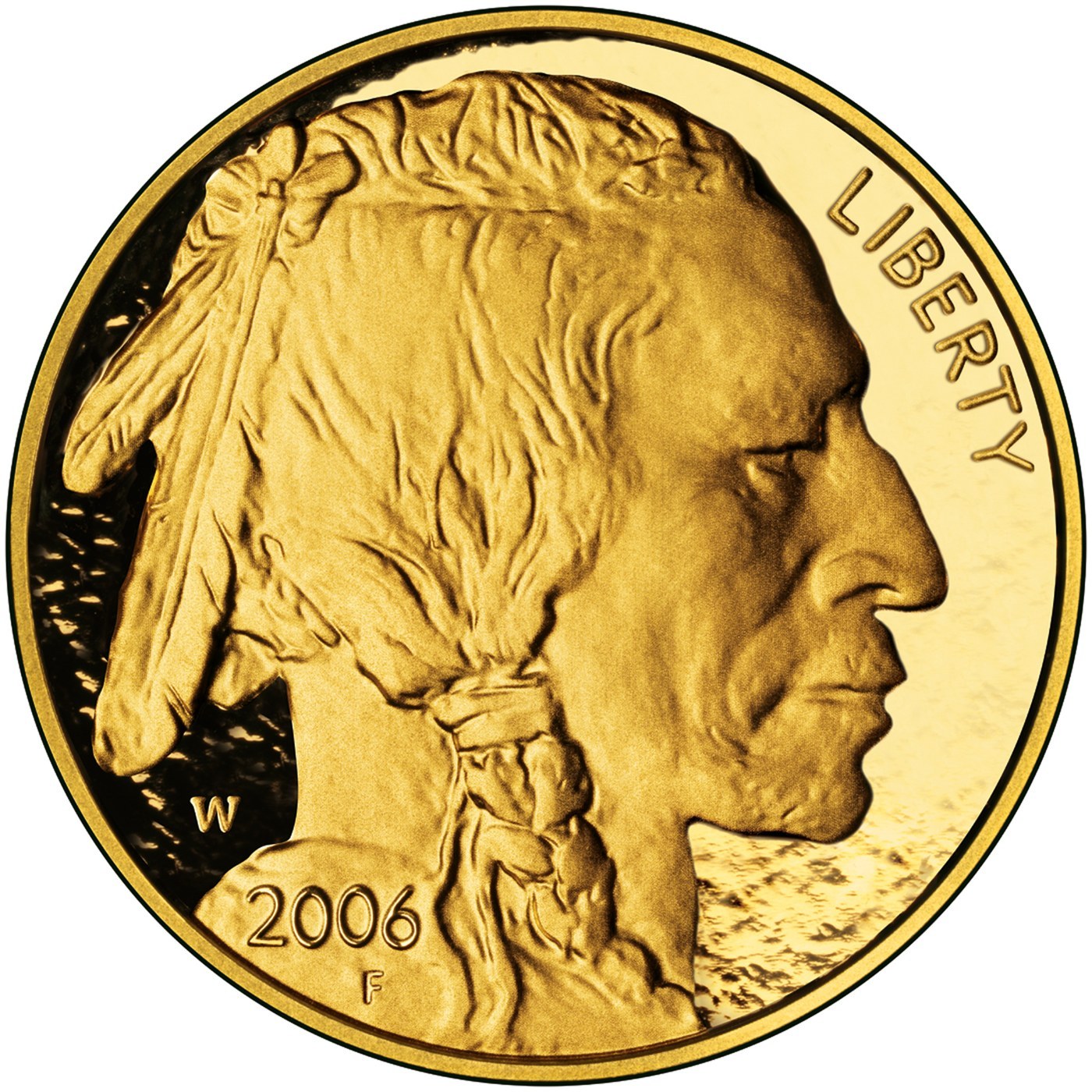
Start With the Obverse
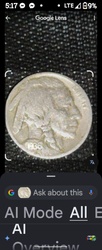
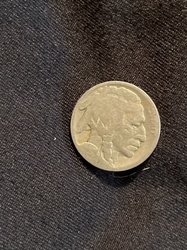
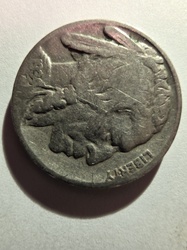
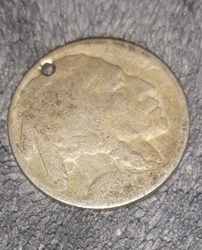
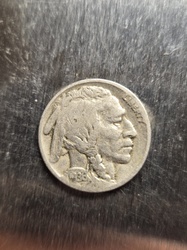
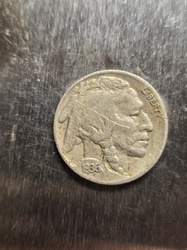
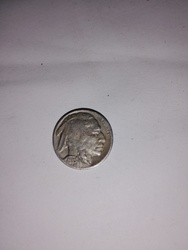
Look for a bold right-side profile of a Native American man facing left, filling almost the whole field. The word "LIBERTY" reads upward along the right rim, and the four-digit date sits low on the right, below the chin — our example reads 1935. Because that date is on a raised, high-wear area, check it in raking light; a strong, complete date is a good sign of an above-average coin.
Check the Reverse Buffalo
The reverse shows a shaggy American bison standing in profile and facing right, with "UNITED STATES OF AMERICA" and "E PLURIBUS UNUM" above and "FIVE CENTS" along the bottom. On coins from 1913 through 1938, including this 1935 piece, the buffalo stands on a flat line beneath the ground (the Type 2 layout). If the buffalo instead stands on a raised mound with "FIVE CENTS" on the rise, you have the scarce first-of-1913 Type 1.
Confirm Size, Metal, and Edge
The Buffalo Nickel is copper-nickel: about 21.2 mm in diameter, close to 5 grams, with a plain (smooth) edge and a warm gray color. It is noticeably larger and heavier than a cent and slightly larger than a dime. There are no silver "war nickels" in this series — those belong to the later Jefferson design — so a genuine Buffalo Nickel should always be the standard copper-nickel alloy.
Find the Mint Mark
Turn to the reverse and look directly below "FIVE CENTS." A small "D" indicates Denver and an "S" indicates San Francisco; no mint mark means Philadelphia. For 1935 you may see 1935 (Philadelphia), 1935-D, or 1935-S. Mint mark and date together determine which specific issue you have and heavily influence value.
Watch for Look-Alikes and Altered Coins
Don't confuse this coin with the earlier Liberty Head "V" nickel (a Liberty portrait and a Roman-numeral V reverse) or the later Jefferson Nickel that replaced it in 1938. Because key varieties are valuable, be cautious of altered coins: the 1937-D "three-legged" buffalo can be faked by removing a leg, and dates or mint marks are sometimes tooled. For any coin that appears scarce or high-grade, rely on a reputable third-party grading service to confirm authenticity.
Frequently asked questions
How do I tell a Buffalo Nickel from a Liberty Head nickel?
The Buffalo Nickel shows a Native American profile and a standing bison; the older Liberty Head "V" nickel shows a Liberty portrait and a large Roman numeral V on the reverse. They are similar in size but the designs are entirely different.
What if I can't read the date on my Buffalo Nickel?
It is very common for the date to be worn flat because it sits on a high point of the design. A dateless coin is still identifiable as a Buffalo Nickel but has little collector value; specialists sometimes use acid or detail cues, though this further reduces worth.
Is a mint mark under 'FIVE CENTS' important?
Yes. A "D" (Denver) or "S" (San Francisco) below FIVE CENTS identifies a branch-mint coin, which for some dates is much scarcer than the no-mint-mark Philadelphia version. Always note it when identifying the coin.
Should I clean a Buffalo Nickel to see it better?
No. Cleaning scratches the surface and lowers value to collectors. Examine it under good light and magnification instead, and leave any conservation to professionals.
Buffalo Nickel identified by the community
Recent Buffalo Nickel coins identified with Coin Identifier.