
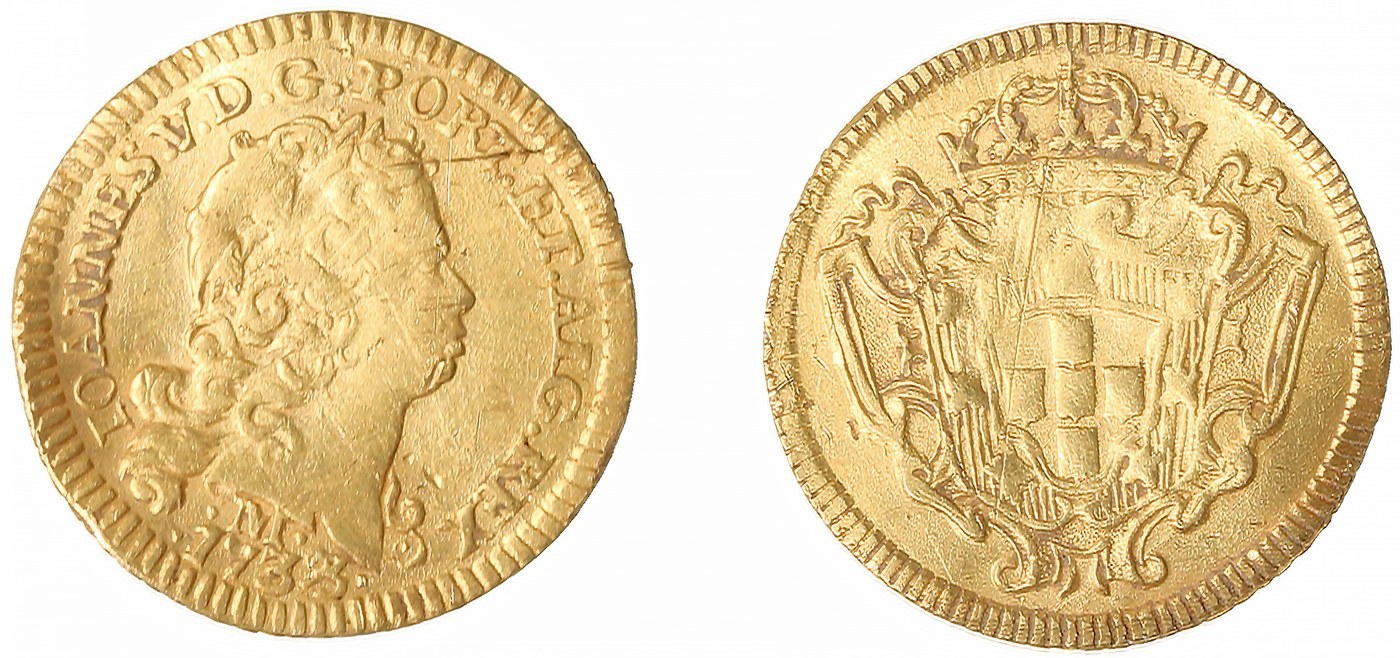
Half Escudo (800 Reis) of Joao V
A small Portuguese gold coin of King Joao V, valued at half an escudo (800 reis), with his laureate bust and a crowned Portuguese shield.
- Country
- Portugal
- Denomination
- 1/2 Escudo (800 Reis)
- Metal
- Gold
Got a coin like this?
Identify any coin from a photo, free.
Overview
The Half Escudo, or meio escudo, of King Joao V is a small gold coin of the Kingdom of Portugal valued at 800 reis — half of the full escudo of 1,600 reis. The example pictured is dated 1733 and shows the king's bust in profile facing right on the obverse, paired with a crowned shield bearing the Portuguese coat of arms on the reverse.
This was a working gold denomination of the Portuguese money system rather than a commemorative issue. Its designs follow the standard royal pattern of the reign: the sovereign's portrait on one side, and the crowned national arms on the other, framed by Latin legends naming the king and, in abbreviated form, his titles.
Gold coins of this type circulated across the Portuguese world during the first half of the eighteenth century, an era defined by the flow of Brazilian gold into Portugal. The half escudo sat in the middle of a family of gold pieces that ran from small fractions up to the large dobras, giving merchants and the treasury a range of convenient gold values.
History & Background
Joao V ruled Portugal from 1706 to 1750, a reign made wealthy by the discovery of vast gold deposits in the Brazilian interior, especially in Minas Gerais. That gold funded an ambitious court and an extensive gold coinage, of which the escudo series — comprising the escudo, its half and quarter, and the larger multiple pieces — was a central part.
Because the metal originated in the colonies, coins of this pattern were struck both in Portugal, chiefly at Lisbon, and at colonial mints in Brazil such as Rio de Janeiro, Bahia and Minas. Pieces of the two regions share the same basic design of royal bust and crowned arms, which is why the type is associated with Portugal's colonial gold economy as a whole. A 1733 date places this coin squarely in the productive middle years of the reign.
The escudo system introduced under Joao V outlasted him and shaped Portuguese and Brazilian gold coinage for decades. Surviving half escudos are tangible relics of the eighteenth-century gold trade that linked mines in Brazil to the mints and markets of Europe.
How to Identify
The obverse carries the profile bust of Joao V facing right, typically laureate or draped, surrounded by a Latin legend naming the king (forms of IOANNES V, with D G — Dei Gratia — and royal titles). The reverse shows the crowned shield of Portugal, whose arms combine the five small shields (quinas) and the bordure of castles, again ringed by an abbreviated Latin legend.
The date, here 1733, appears with the design and is the quickest way to fix the coin within the reign. The denomination of 800 reis is not always spelled out on the coin itself; instead the value is read from the coin's small gold size and its place in the escudo series, so weight and diameter are important confirming details alongside the portrait and arms.
Because the full escudo, half escudo and quarter escudo share the same bust-and-arms design, they are distinguished mainly by size and weight rather than by different pictures. Measuring the coin and comparing it against published specifications for the half escudo is essential to separate it from its larger and smaller siblings.
Value & Collectibility
As a genuine eighteenth-century gold coin, the half escudo of Joao V carries value both from its gold content and from strong collector demand for Portuguese and Brazilian colonial gold. Even well-worn examples trade well above bullion because of their age and historical interest, while sharp, well-struck pieces command substantial premiums.
Actual prices vary widely with date, mint, grade and eye appeal, and colonial Brazilian strikings can differ in desirability from Lisbon issues. For that reason figures are best confirmed against recent auction results for comparable half escudos rather than any single quoted price.
Condition is decisive: original surfaces, a clear portrait, and a fully struck crowned shield separate a prized coin from an ordinary one. Bent, mounted, cleaned or damaged pieces — common in gold that once served in jewelry — sell at a discount to problem-free examples.
Frequently asked questions
Is the Half Escudo of Joao V real gold?
Yes. The half escudo was struck in gold as part of Portugal's eighteenth-century gold coinage. Its small size reflects a fractional gold value of 800 reis, half of the full escudo.
What does 800 reis mean on this coin?
The real (plural reis) was Portugal's unit of account. The half escudo was worth 800 reis, that is, half of the 1,600-reis escudo. The figure describes the coin's face value in the reis system.
Who is shown on the coin?
The obverse bust is King Joao V of Portugal, who reigned from 1706 to 1750. The reverse shows the crowned Portuguese coat of arms with the quinas and bordure of castles.
Why is this coin described as colonial?
The gold came from Brazil, and coins of this pattern were struck both in Portugal and at Brazilian mints. The type is tied to Portugal's colonial gold economy of the early eighteenth century.
How can I tell it apart from a full or quarter escudo?
All three share the same bust-and-arms design, so they are told apart by size and weight. Measuring the coin and comparing it to published half-escudo specifications is the reliable way to confirm the denomination.
Half Escudo (800 Reis) of Joao V guides
In-depth guides for identifying, valuing, and collecting Half Escudo (800 Reis) of Joao V.
Other coins you may enjoy
Sarawak One Cent
1870
Jamaica Half Penny
1871
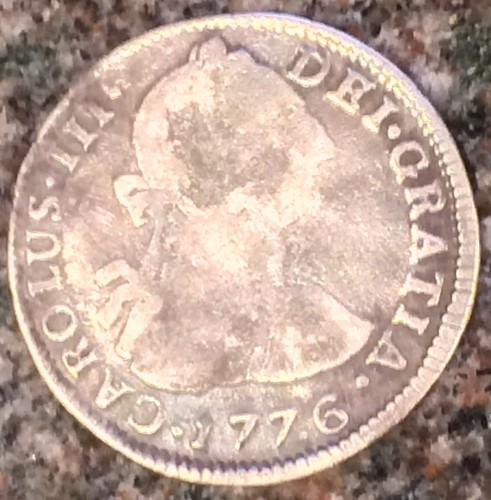
Spanish Colonial 2 Reales (Milled)
1732–1772 (pillar) and 1772–1825 (portrait); example dated 1776
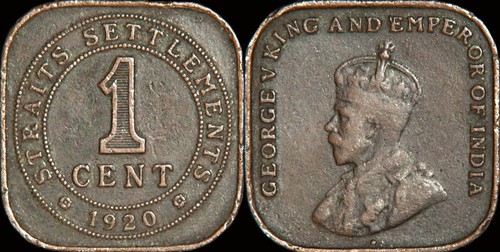
Straits Settlements One Cent
1919–1926 (this type)
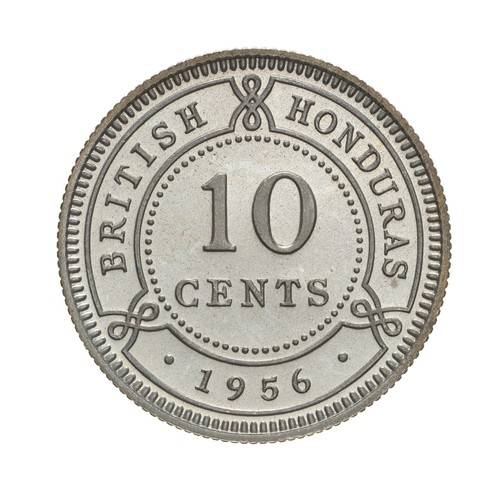
British Honduras 10 Cents
1956
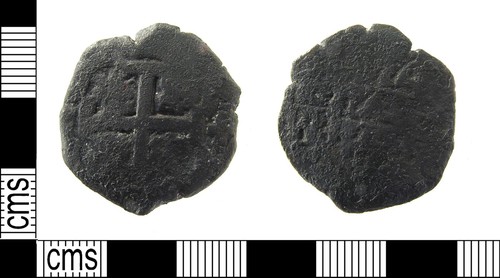
Spanish Colonial 1 Real (Bourbon)
1700-1746
Bermuda Half Penny
1909
British North Borneo One Cent
1884–1886
British Honduras One Cent
1885–1894 (Victoria); this example 1889
British North Borneo Half Cent
1885
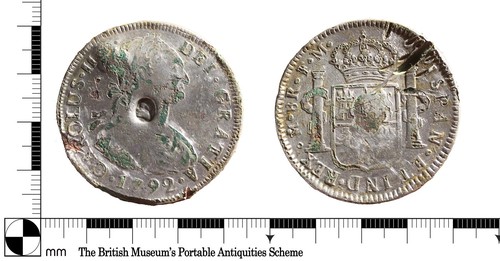
Counterstamped 8 Reales
Charles IV era (1788-1808), host coin; counterstamps and hole added later
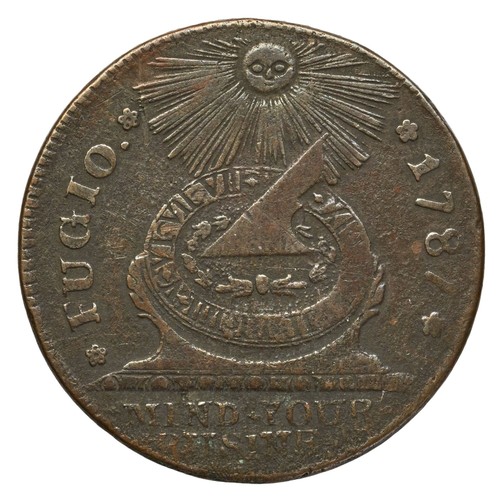
Fugio Cent
1787