
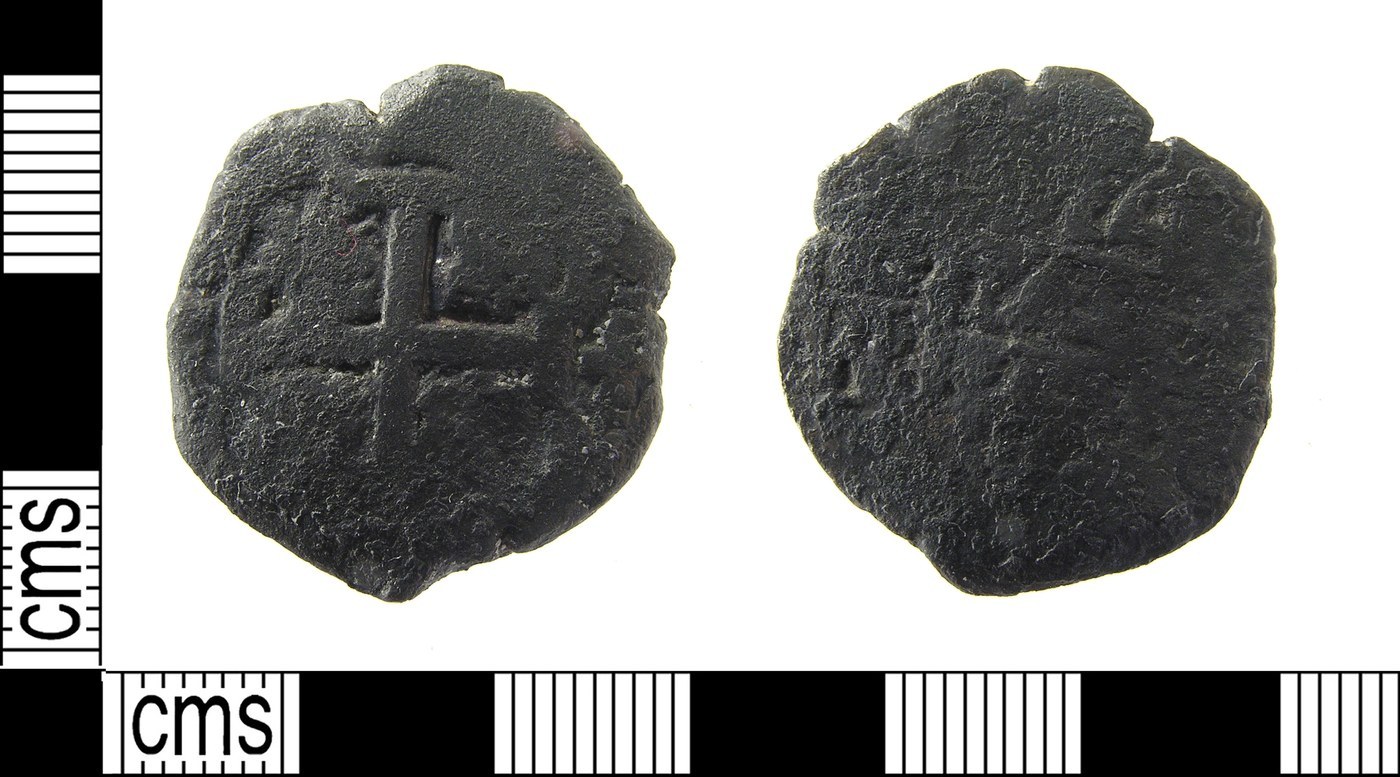
Spanish Colonial 1 Real (Bourbon)
A small silver coin of Spain's American colonies from the early Bourbon era, showing a cross with ornaments on one side and the crowned royal arms on the other.
- Country
- Spain
- Denomination
- 1 Real
- Metal
- Silver
Got a coin like this?
Identify any coin from a photo, free.
Overview
The Spanish colonial 1 real of the early Bourbon period is a small silver coin struck in Spain's American possessions during the first half of the eighteenth century. Worth one real, it was the base silver denomination of the real system, the unit that gave the larger 8 reales (the "piece of eight") its name. The pieces of this era, roughly 1700 to 1746, coincide with the accession of the House of Bourbon in Spain under Philip V.
The coin is heraldic rather than portrait-based. One side carries a cross with ornamental terminals set within an inner frame, and the other carries the crowned Spanish royal coat of arms. Many surviving examples are irregular, hand-struck "cob" pieces (macuquina) cut from cast silver bars, so shape, centering, and legibility vary greatly from coin to coin.
As a silver colonial issue tied to the wealth of the American mints, the 1 real is a tangible and comparatively affordable link to the Spanish empire at its height. Its appeal is chiefly historical, though the silver content gives it a modest intrinsic floor.
History & Background
The early eighteenth century opened with a dynastic change in Spain: the Habsburg line ended and the Bourbon Philip V took the throne in 1700, a succession that helped trigger the War of the Spanish Succession. Throughout this period, Spain's American colonies supplied the crown with enormous quantities of silver, which colonial mints turned into reales for both local circulation and export across the Atlantic and Pacific.
The 1 real belonged to a graduated silver series of 1/2, 1, 2, 4, and 8 reales. For most of this span the colonial mints still produced hand-struck cob coinage, in which a worker trimmed a piece of silver to the correct weight and struck it between dies. Milled (machine-struck) coinage with the pillars-and-globes design was introduced at Mexico City from 1732, so the later years of this range overlap the transition from cob to milled production.
Because dies were engraved by hand and struck under pressure that rarely captured the full design, individual coins differ in the exact rendering of the cross, the shield, the mint mark, and the legends. Coins of this era circulated widely and were frequently exported, clipped, or reminted, so well-preserved pieces are relatively scarce.
How to Identify
Look for a small silver coin with a cross on one face and a crowned heraldic shield on the other. The cross is typically ornamented at its arms and enclosed within an inner design; the shield combines the quartered arms of the Spanish kingdoms beneath a crown. Legends around both sides name the reigning Bourbon monarch and Spanish titles in abbreviated Latin, though on cob pieces much of the legend is often off the flan or weakly struck.
The coin is silver and small, the base unit of the real series, so it is markedly smaller and lighter than a 2, 4, or 8 reales of the same period. Cob examples are irregular in outline, sometimes squarish or clipped, with uneven thickness and areas of flat or missing detail where the dies did not fully impress. Milled examples from the transition years are rounder and more regular.
Mint marks and assayer initials appear in the fields and are the key to attributing a piece to a specific mint such as Mexico City, Potosi, or Lima. Identification rests on the combination of the ornamented cross, the crowned Spanish arms, the small silver module, and any legible mint and assayer marks together.
Value & Collectibility
As a small silver colonial denomination, the 1 real is generally more affordable than its larger 8 reales counterparts, though genuine early-Bourbon examples still carry a collector premium over their silver content. Heavily worn, clipped, or partially struck cobs are common and modest in price, while pieces with clear legends, a full cross and shield, and legible mint marks command higher values.
Value is driven mainly by strike quality, completeness of the design and legends, the mint and assayer, and overall eye appeal rather than by bullion, since the silver weight of a single real is small. Coins securely attributed to a specific mint and year, or with attractive original surfaces, are the most sought after.
Because many mints, assayers, and die varieties exist across this period, specialist attribution can meaningfully affect desirability. As with all hand-struck colonial silver, condition and legibility matter more than the nominal denomination, and any estimate is best checked against recent sales of comparable examples.
Frequently asked questions
What is a Spanish colonial 1 real worth in the money of the time?
One real was the base silver unit of the Spanish system. Eight reales made one Spanish dollar (the "piece of eight"), so a single real was a small everyday silver coin used for modest purchases.
Why does the coin have a cross on one side?
The cross with ornamental terminals is a traditional device of Spanish colonial silver, paired with the crowned royal coat of arms on the other side. Together the cross and shield identify the piece as a Spanish colonial real rather than a portrait coin.
Why do so many examples look irregular or misshapen?
Many were struck as cobs (macuquina), cut by hand from silver bars and struck between dies. This process produced irregular outlines and areas of weak or missing detail, which is normal for the type and not necessarily damage.
Is this coin real silver?
Yes. The 1 real is a silver denomination of the Spanish colonial series. The silver weight of a single real is small, so most of the coin's value comes from its history, strike, and condition rather than bullion.
Which mints produced these coins?
They were struck at Spanish colonial mints in the Americas, including Mexico City, Potosi, and Lima. Mint marks and assayer initials in the fields identify which mint produced a given coin.
Spanish Colonial 1 Real (Bourbon) guides
In-depth guides for identifying, valuing, and collecting Spanish Colonial 1 Real (Bourbon).
Other coins you may enjoy
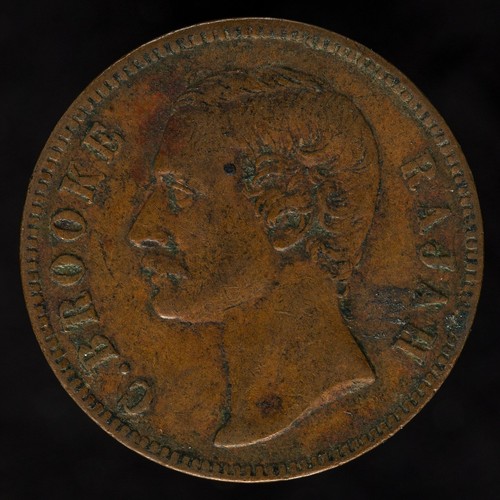
Sarawak One Cent
1870
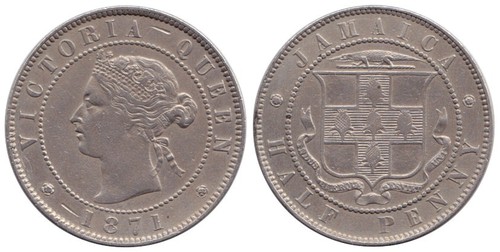
Jamaica Half Penny
1871
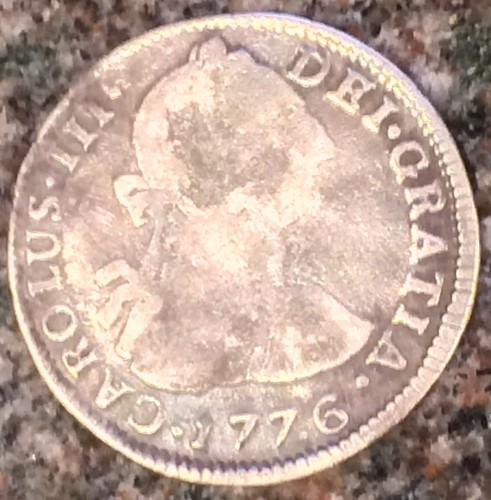
Spanish Colonial 2 Reales (Milled)
1732–1772 (pillar) and 1772–1825 (portrait); example dated 1776
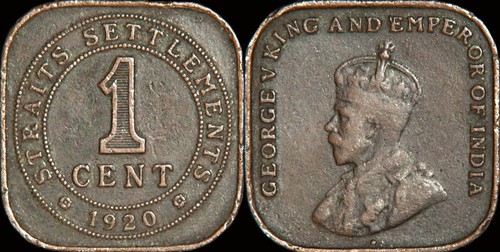
Straits Settlements One Cent
1919–1926 (this type)
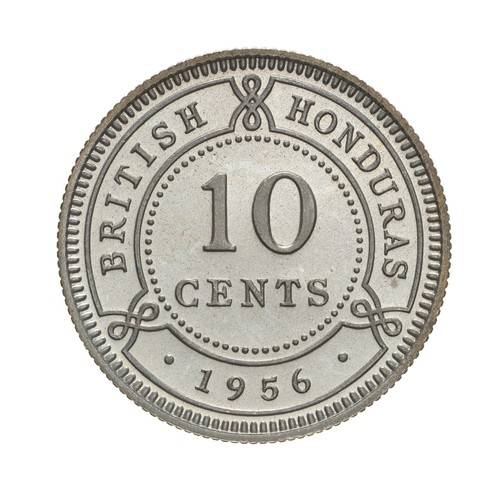
British Honduras 10 Cents
1956
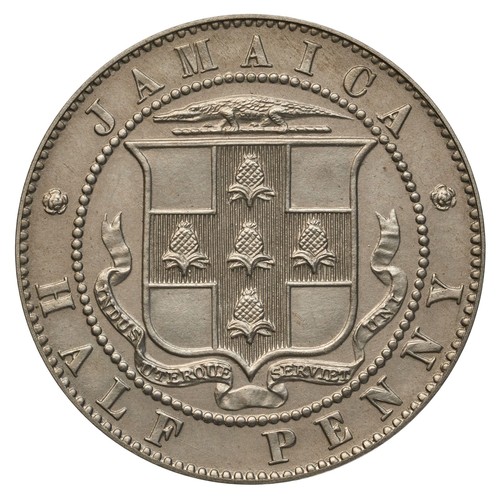
Bermuda Half Penny
1909
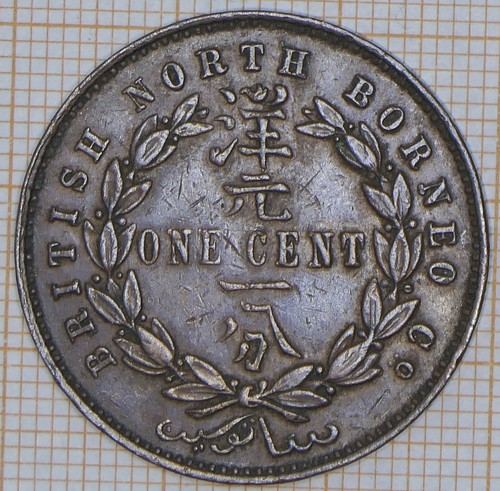
British North Borneo One Cent
1884–1886
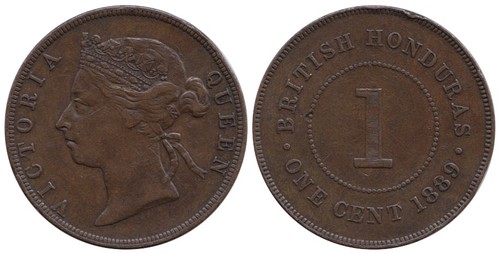
British Honduras One Cent
1885–1894 (Victoria); this example 1889
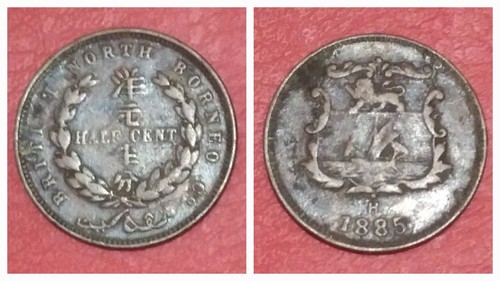
British North Borneo Half Cent
1885
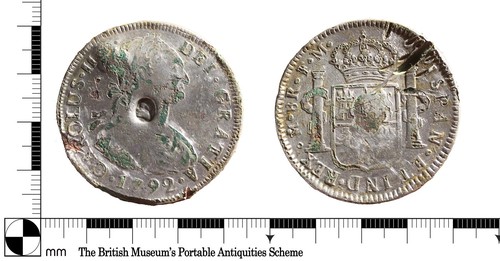
Counterstamped 8 Reales
Charles IV era (1788-1808), host coin; counterstamps and hole added later
Fugio Cent
1787
Massachusetts Shilling (1 Shilling 6 Pence)
1779