
How to Identify the Spanish Colonial 1 Real (Bourbon)
A collector's checklist for the early Bourbon 1 real: the cross and crowned arms, size and silver, cob versus milled, mint marks, and authentication cautions.
Read the full Spanish Colonial 1 Real (Bourbon) encyclopedia entry →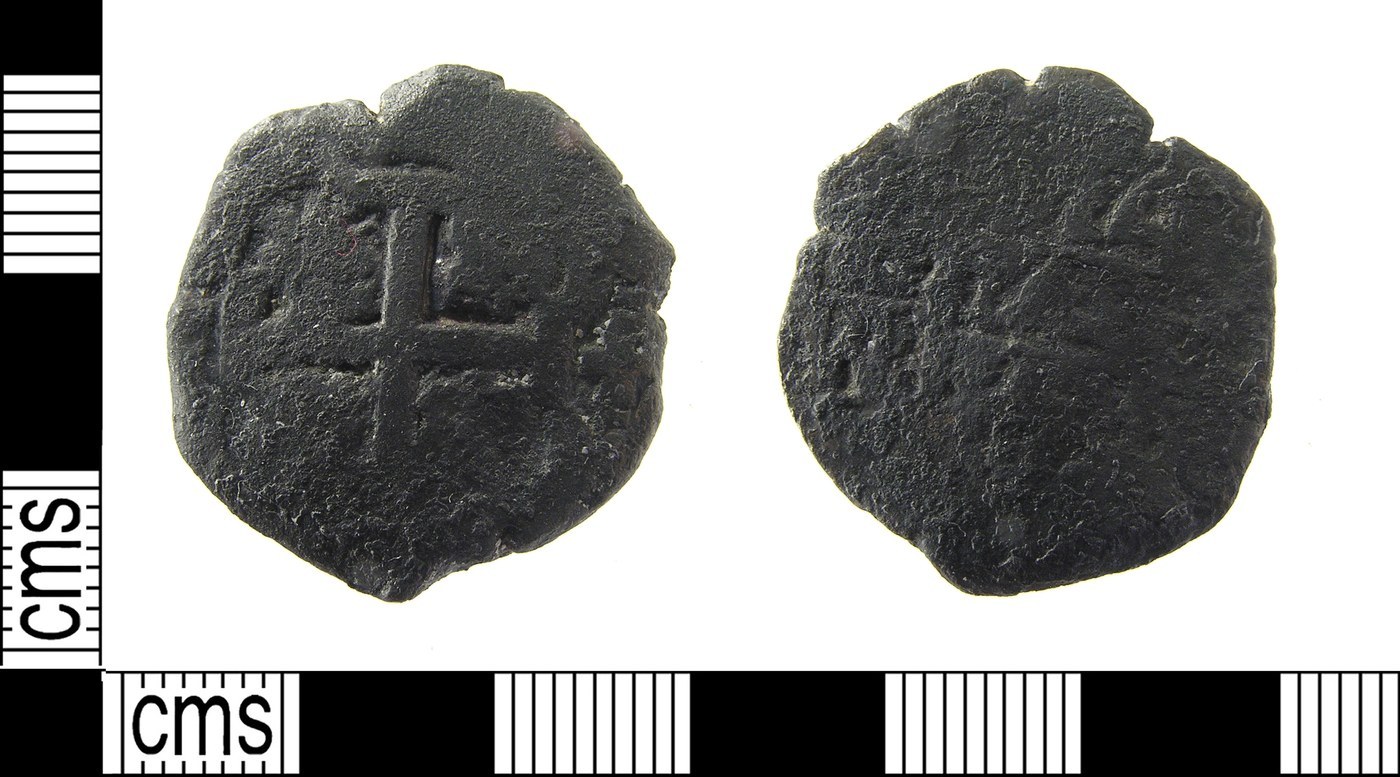
Begin by confirming the two defining faces. A genuine Bourbon-era 1 real shows an ornamented cross on one side and a crowned heraldic shield with the quartered Spanish arms on the other. If a coin shows a monarch's portrait or the twin-pillars-and-globes design as its main type, you are looking at a different or later issue; the classic cross-and-shield format is the diagnostic for this series.
Check the size and metal next. The 1 real is the smallest full silver unit of the real series, noticeably smaller and lighter than a 2, 4, or 8 reales. It should be silver, with the color and heft of silver rather than a base-metal token. Weigh and measure the coin and compare it against published figures for the denomination, mint, and period, since a single real that is far too heavy or light is a warning sign.
Decide whether the piece is a cob or a milled coin. Cobs (macuquina) are irregular in outline, sometimes squarish or clipped, with uneven thickness and flat spots where the dies did not fully register; this is normal and expected for most of 1700 to 1746. Milled examples from the transition years after 1732 are rounder and more uniform. Distinguishing the two helps set expectations for strike quality and legibility.
Hunt for mint marks and assayer initials in the fields, usually beside the shield or within the legends. These small letters attribute the coin to a mint such as Mexico City, Potosi, or Lima and to a particular assayer, and they are central to a full identification. On worn cobs the legends and marks are often partly off the flan, so examine the coin under good light and, if possible, compare visible letters against reference plates.
Finally, weigh authentication carefully. Cross-and-shield colonial silver has long attracted cast copies and altered pieces; watch for seam lines around the edge, a grainy or bubbled surface, soft mushy lettering, or a weight and diameter that do not match genuine standards. Because clipping and wear are common on the real originals, a coin that looks unnaturally perfect can be as suspect as one that looks wrong. When value or authenticity is in doubt, seek an opinion from a specialist in Spanish colonial coinage before buying.
Frequently asked questions
What is the quickest way to recognize this coin?
Look for a small silver coin with an ornamented cross on one side and a crowned Spanish coat of arms on the other. That cross-and-shield pairing, on the base real module, is the core signature of the early Bourbon colonial 1 real.
How do I tell a 1 real from a larger real denomination?
Compare size and weight. The 1 real is the smallest full silver unit of the series and is clearly smaller and lighter than the 2, 4, and 8 reales. Weighing and measuring against published standards is the reliable way to separate the denominations.
Is an irregular, off-center shape a sign of a fake?
Not by itself. Many genuine 1 reales of this era are cobs, hand-cut and struck, so irregular outlines and weak areas are normal. Judge authenticity from metal, weight, lettering quality, and surfaces rather than from shape alone.
How can I spot a cast copy?
Look for seam lines along the edge, a pitted or bubbled surface, and soft, blurry lettering that lacks struck sharpness. A weight or diameter that does not match genuine figures is another red flag. Have doubtful pieces reviewed by a colonial-coin specialist.