
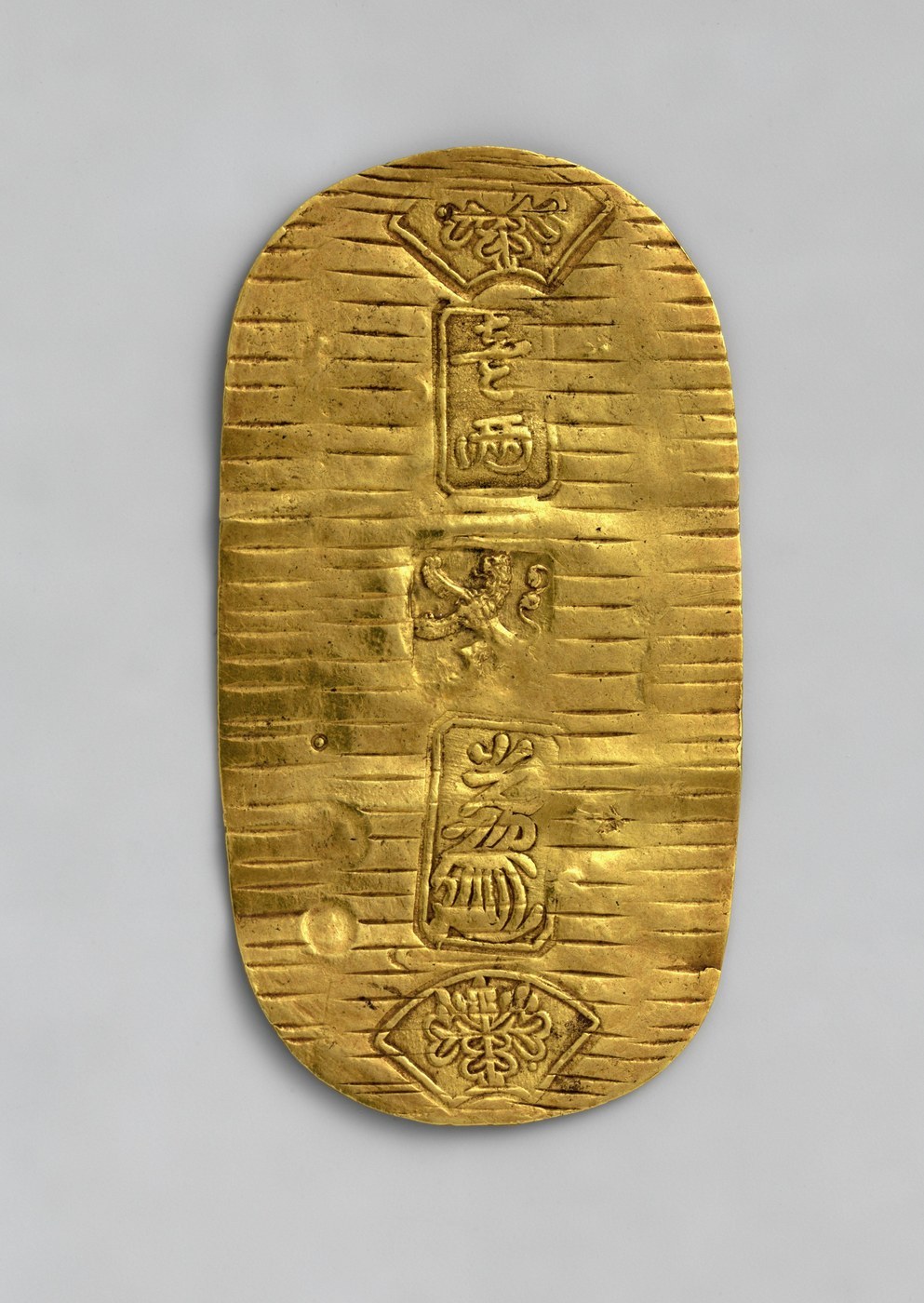
Koban with Dutch East Indies Counterstamp
An Edo-period Japanese gold koban bearing later punched marks, including a Japanese character cartouche and a Dutch coat-of-arms counterstamp.
- Country
- Japan
- Denomination
- Koban
- Metal
- Gold
Got a coin like this?
Identify any coin from a photo, free.
Overview
The piece shown is a Japanese koban, the flat, oval hand-worked gold coin of the Edo period, here carrying later-applied counterstamps rather than only its original mint marks. On the obverse the gold surface shows an impressed Japanese character cartouche together with a small Dutch coat-of-arms stamp; the reverse displays the characteristic horizontal striations of a koban plus additional punched marks.
Counterstamps (countermarks) are small punches struck into a coin after it left the mint, typically to validate, revalue, or mark it for use by a particular authority or trading concern. A koban combining native Japanese punches with a European heraldic stamp reflects the point of contact between Japan's closed monetary system and foreign traders operating through Japan during and after the Edo period.
This is a gold object collected for its metal, its koban form, and the story its added marks tell. Because counterstamps are applied by many different hands over time, each such koban must be read on its own terms, and the marks verified individually rather than assumed to belong to a single official series.
History & Background
The koban was a cornerstone of Tokugawa-era (Edo period, 1603-1868) coinage, a thin oval gold piece produced by Japan's official gold mint and issued in several successive types whose weight and gold content were reduced over the centuries. Koban circulated in a controlled domestic economy in which the shogunate closely regulated precious-metal money.
During this same era, the Dutch -- through the Dutch East India Company (Vereenigde Oostindische Compagnie, or VOC) -- held a uniquely privileged position as the principal Western trading partner permitted contact with Japan, based at Dejima in Nagasaki. Gold, silver, and copper flowed through this channel, and Japanese coin sometimes moved into wider Asian trade networks tied to the Dutch East Indies. A koban bearing a Dutch coat-of-arms counterstamp sits at exactly this cultural and commercial junction.
Counterstamping of foreign and local coin was widespread across colonial-era Asia as a way to authenticate, revalue, or claim pieces for particular uses. However, counterstamps on kobans are not part of a single well-documented official issue, and marks of this kind were also applied privately and in later periods. The added stamps should therefore be treated as historical annotations on an Edo-period coin whose specific origin and dating must be established from the koban type and the marks themselves.
How to Identify
Start with the host coin. A koban is unmistakable in form: a flat, elongated oval of gold with rounded ends, a satiny surface bearing fine horizontal striations (from surface working), and original mint punches and cartouches. The example here shows those striations on the reverse, confirming a koban rather than a round Western gold coin.
Next isolate the counterstamps. Look for an impressed Japanese-character cartouche on the obverse and a separate small Dutch coat-of-arms stamp, with additional punched marks on the reverse. Counterstamps are distinguished from original devices by sitting on top of the coin's surface -- they cut into or deform the underlying striations and any original marks, and often show their own raised rim or displaced metal.
Record each mark separately: its shape, the heraldic details of the arms, and the characters in the cartouche. Because koban replicas and fantasy counterstamps are common, treat identification as two questions -- is the host a genuine period koban, and are the stamps genuine, contemporary additions? Both should be confirmed with specialist references and, ideally, in-hand expert examination before any firm attribution.
Value & Collectibility
Value here rests on two independent factors: the koban itself and the counterstamps. A genuine Edo-period gold koban carries value from its gold content, its specific type (earlier, heavier issues differ greatly from later, debased ones), and its overall condition and eye appeal. Authentic, well-attributed kobans are actively collected and can be significant.
Counterstamps complicate rather than simply add value. A verified, historically meaningful counterstamp can make a piece more interesting to specialists, but an unverified, damaging, or spurious mark can reduce desirability, since collectors may view it as defacement or as a red flag for a made-up rarity. The Dutch East Indies angle appeals to a niche of colonial-trade and Asian numismatics, but only when the marks stand up to scrutiny.
Because both replica kobans and fantasy counterstamps circulate widely, and because no single official series governs these pieces, avoid fixed price expectations. Seek professional authentication and grading and compare against documented, expertly examined examples before assigning any value.
Frequently asked questions
What is a koban?
A koban is a Japanese gold coin of the Edo period (1603-1868): a thin, oval, hand-finished piece with rounded ends and a satiny, horizontally striated surface. It was a major unit in the Tokugawa shogunate's regulated gold coinage.
What is a counterstamp?
A counterstamp (or countermark) is a small punch struck into a coin after it left the mint, used to authenticate, revalue, or claim it for a particular authority or trade. On this koban it appears as a Japanese-character cartouche and a Dutch coat-of-arms stamp with additional marks.
Why does a Japanese coin carry a Dutch stamp?
During the Edo period the Dutch, through the Dutch East India Company, were the main Western traders permitted contact with Japan via Nagasaki. A Dutch coat-of-arms counterstamp reflects that trade contact, though such marks were not part of a single official issue and must be verified individually.
Is the counterstamp part of the original coin?
No. Counterstamps are applied after minting. You can tell because they sit on top of the surface, cutting into or deforming the coin's original striations and marks. They are best read as later annotations on an Edo-period koban.
Are counterstamped kobans rare or valuable?
It depends entirely on authenticity. Genuine Edo-period kobans have real value from gold and type, but both replica kobans and fantasy counterstamps are common. A verified mark can add specialist interest, while a spurious one can hurt value. Professional authentication is essential.
Koban with Dutch East Indies Counterstamp guides
In-depth guides for identifying, valuing, and collecting Koban with Dutch East Indies Counterstamp.
Other coins you may enjoy
Sarawak One Cent
1870
Jamaica Half Penny
1871
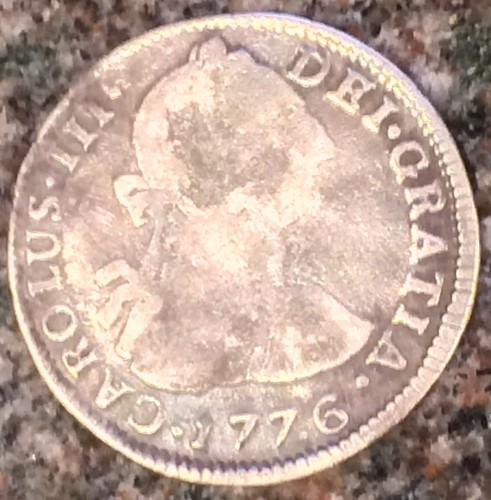
Spanish Colonial 2 Reales (Milled)
1732–1772 (pillar) and 1772–1825 (portrait); example dated 1776
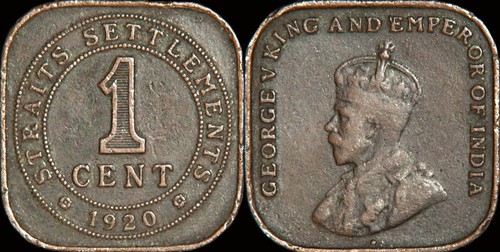
Straits Settlements One Cent
1919–1926 (this type)
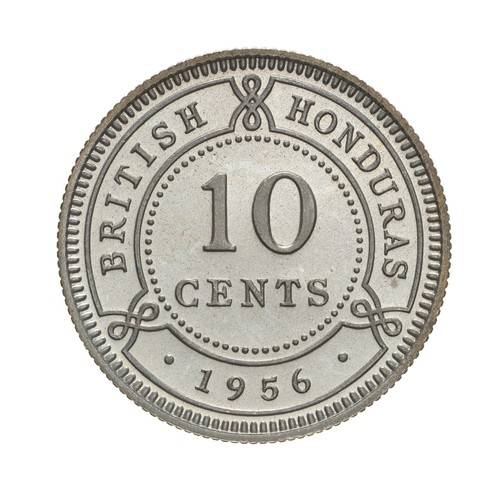
British Honduras 10 Cents
1956
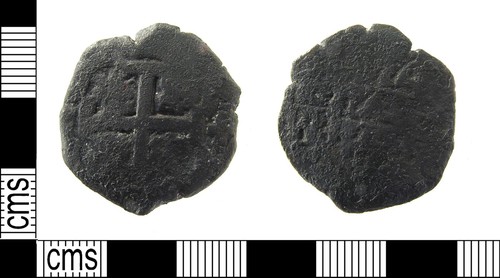
Spanish Colonial 1 Real (Bourbon)
1700-1746
Bermuda Half Penny
1909
British North Borneo One Cent
1884–1886
British Honduras One Cent
1885–1894 (Victoria); this example 1889
British North Borneo Half Cent
1885
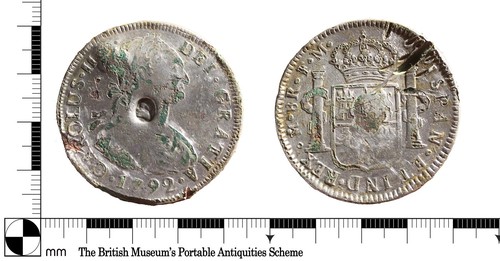
Counterstamped 8 Reales
Charles IV era (1788-1808), host coin; counterstamps and hole added later
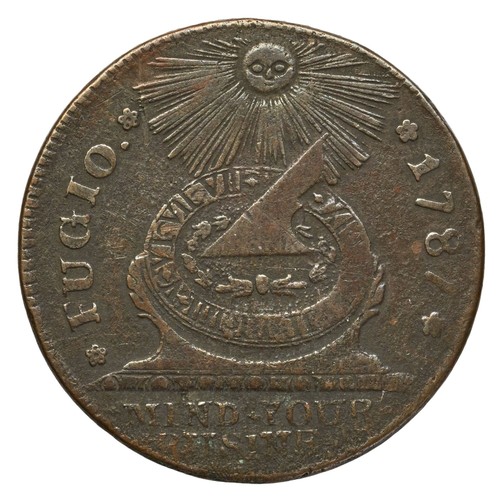
Fugio Cent
1787