
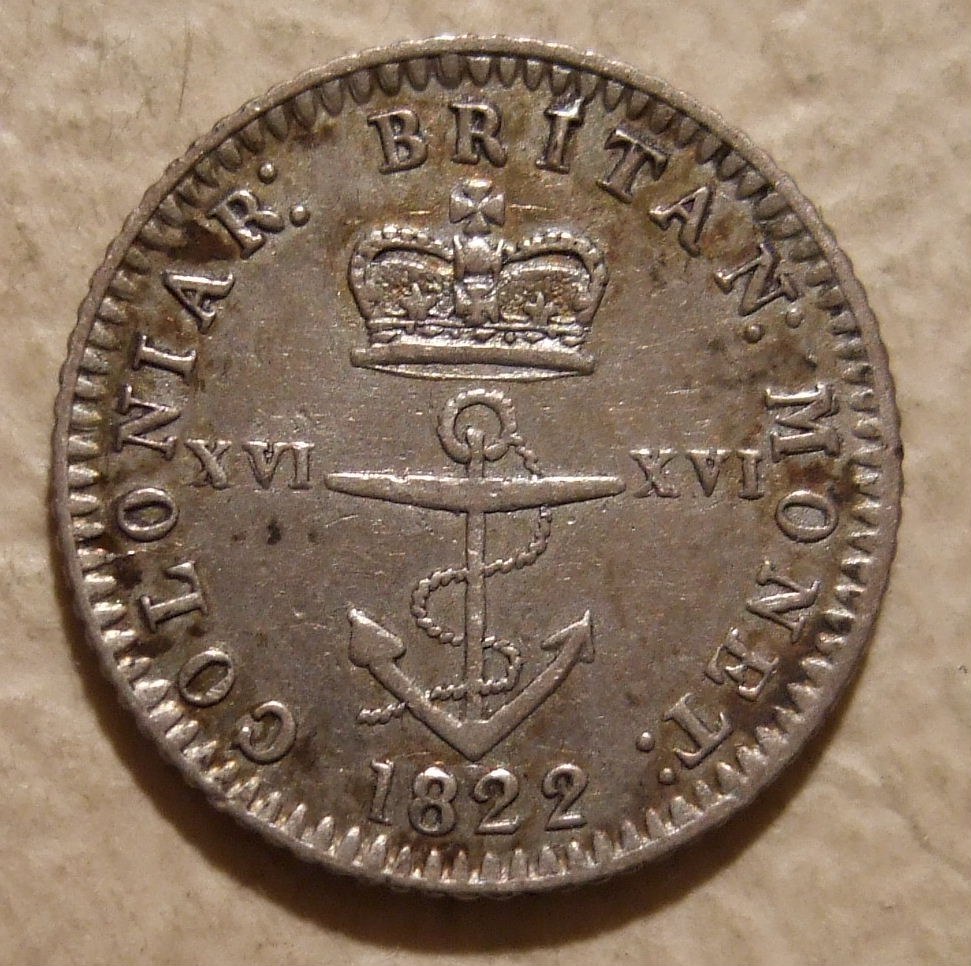
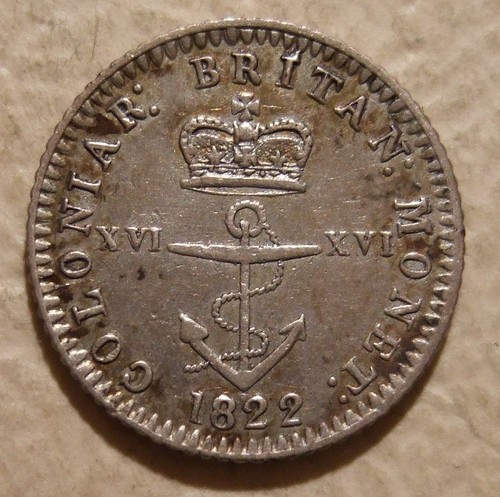
George IV One Sixteenth Spanish Dollar
A small George IV silver coin of the "Anchor Money" series, worth one-sixteenth of a Spanish dollar and marked with an anchor and Roman numeral XVI.
- Country
- British Colonies in the Americas
- Denomination
- 1/16 Spanish Dollar
- Metal
- Silver
Got a coin like this?
Identify any coin from a photo, free.
Overview
The George IV One Sixteenth Spanish Dollar is a small silver coin from the series collectors nickname "Anchor Money," struck at the Royal Mint for circulation in Britain's overseas colonies during the early 1820s. Rather than being denominated in pounds and shillings, it was valued as a fraction of the Spanish dollar (the eight-reales piece), which was the dominant trade coin of the region at the time.
This particular piece is the smallest of the family, representing one-sixteenth of a dollar. Its reverse carries the bold fouled anchor that gives the whole series its popular name, together with the Roman numeral XVI that marks the denomination. The example photographed is dated 1822 and shows the crowned obverse with its partially legible Latin royal titles.
The series is compact and consistent in design, which makes the four denominations (one-half, one-quarter, one-eighth, and one-sixteenth dollar) easy to arrange as a short type set. Its foreign-fraction denomination and anchor motif make it distinctive among British colonial silver.
History & Background
Anchor Money was issued in the early 1820s to relieve a chronic shortage of small change in British colonies that depended heavily on Spanish and Spanish-American silver dollars for everyday commerce. Because official British coinage was scarce overseas, the Royal Mint chose to strike fractions of the familiar dollar rather than shillings and pence, so the new pieces would slot directly into the existing money of account.
The coins were produced under George IV and carry dates in the 1820–1822 range, with 1822 being the year seen on this example. They were intended for circulation in several British colonies and are associated with colonial small-change needs in the West Indies and beyond, supplementing the whole and cut Spanish dollars already in use.
The series was relatively short-lived. As colonial monetary arrangements were reorganized over the following decades and sterling coinage was more systematically supplied, the fractional "Anchor Money" fell out of use, leaving it as a distinct and collectible episode in early nineteenth-century British colonial coinage.
How to Identify
The obverse shows a large crown surrounded by a Latin inscription naming George IV; on worn or partially struck pieces such as the one photographed, only portions of the royal titles remain legible. There is no portrait bust on this design—the crown itself is the central obverse device.
The reverse is the key diagnostic: a fouled anchor stands at the center, flanked or accompanied by the Roman numeral XVI (indicating one-sixteenth), with the surrounding legend reading toward PRO BRITANNIA COLONIAE and the date 1822. The sister denominations follow the same pattern, differing chiefly in their Roman-numeral value and physical size, so confirming the XVI is what pins the coin to the smallest, one-sixteenth denomination.
Being the lowest value in the set, the 1/16 dollar is physically the smallest and lightest of the four, a thin silver coin only a short distance across. Check that the metal is silver-toned throughout rather than plated, and that the anchor and crown are crisply defined; the small size means details wear quickly in circulation.
Value & Collectibility
As a small silver colonial fraction, the George IV One Sixteenth Spanish Dollar carries value based on its scarcity, historical interest, and condition rather than on bullion, since it contains only a modest amount of silver. Well-worn examples are the most affordable entry point into the series, while sharply struck, lightly circulated pieces command clear premiums.
Grade and eye appeal drive price: legible legends, a full anchor, and an intact crown matter more than raw metal content. Because the series is collected as a set, demand for the smallest denomination is steady among those completing the four-coin run.
As with all early colonial silver, condition, originality of surfaces, and authenticity should be weighed before assigning any figure; consult recent auction results and specialist references for current market ranges rather than relying on a single fixed price.
Frequently asked questions
What is a George IV One Sixteenth Spanish Dollar?
It is a small British colonial silver coin from the early 1820s "Anchor Money" series, valued at one-sixteenth of a Spanish dollar. It shows a crown on the obverse and an anchor with the Roman numeral XVI on the reverse.
Why is it called "Anchor Money"?
The nickname comes from the prominent fouled anchor on the reverse of every denomination in the series. The anchor, together with the fractional dollar values, distinguishes these pieces from ordinary British sterling coinage.
What does the Roman numeral XVI mean on the coin?
XVI is the denomination marker. It identifies the coin as one-sixteenth (1/16) of a Spanish dollar, the smallest value in the series. Larger pieces in the set carry different Roman numerals for their fractions.
Is the coin made of real silver?
Yes, the series was struck in silver. Because the 1/16 dollar is the smallest denomination, it contains only a small amount of metal, so its value to collectors rests mainly on scarcity and condition rather than bullion content.
Where was it used?
It was made for circulation in British colonies that relied on Spanish and Spanish-American dollars for trade, supplying small change as a fraction of that familiar dollar rather than in shillings and pence.
George IV One Sixteenth Spanish Dollar guides
In-depth guides for identifying, valuing, and collecting George IV One Sixteenth Spanish Dollar.
Other coins you may enjoy
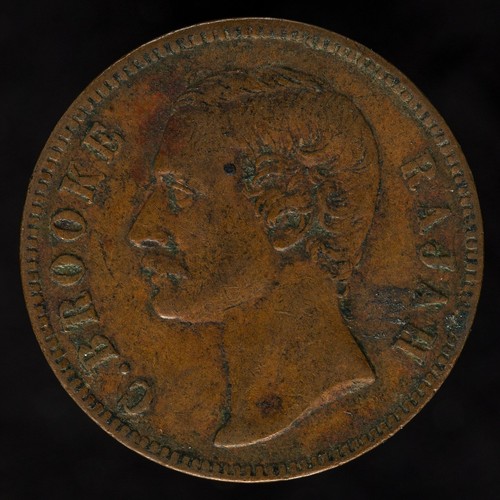
Sarawak One Cent
1870
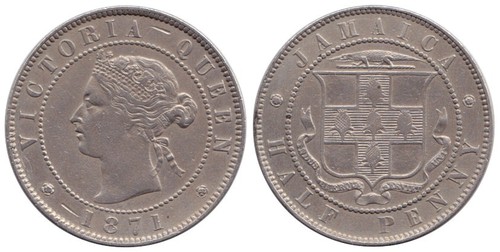
Jamaica Half Penny
1871
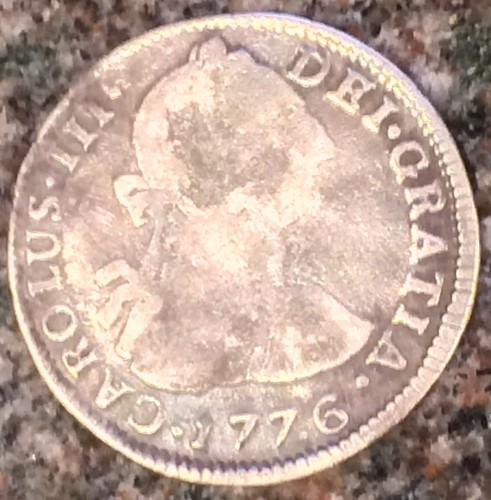
Spanish Colonial 2 Reales (Milled)
1732–1772 (pillar) and 1772–1825 (portrait); example dated 1776
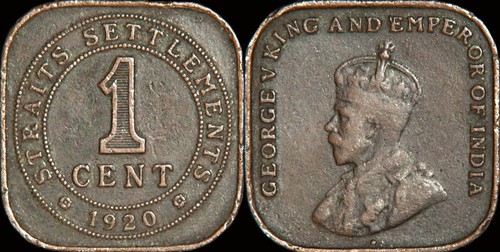
Straits Settlements One Cent
1919–1926 (this type)
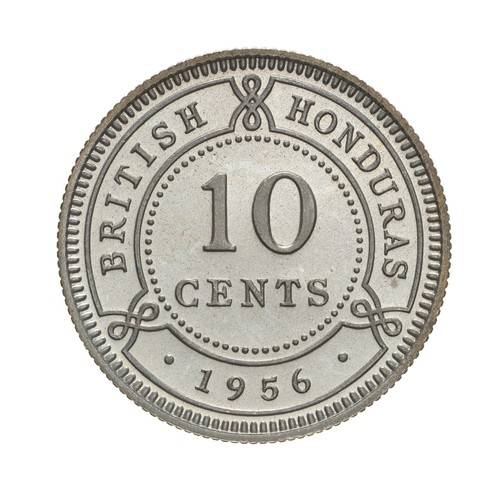
British Honduras 10 Cents
1956
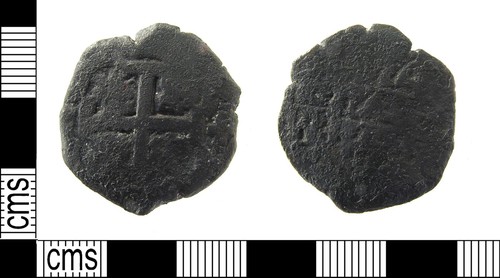
Spanish Colonial 1 Real (Bourbon)
1700-1746
Bermuda Half Penny
1909
British North Borneo One Cent
1884–1886
British Honduras One Cent
1885–1894 (Victoria); this example 1889
British North Borneo Half Cent
1885
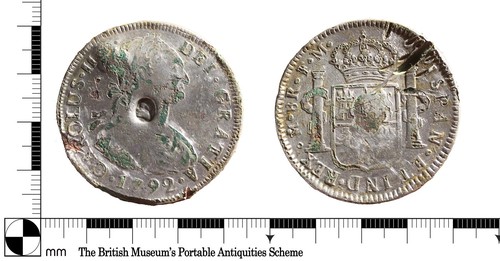
Counterstamped 8 Reales
Charles IV era (1788-1808), host coin; counterstamps and hole added later
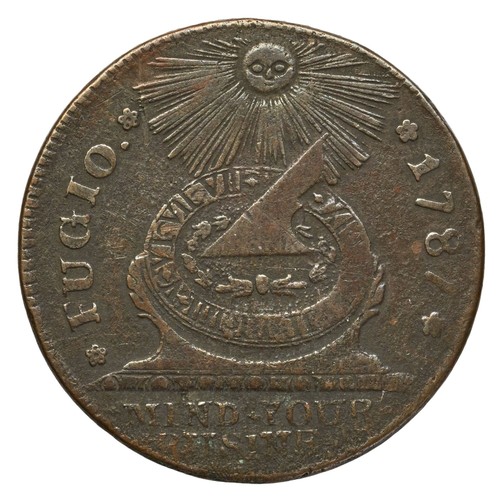
Fugio Cent
1787