
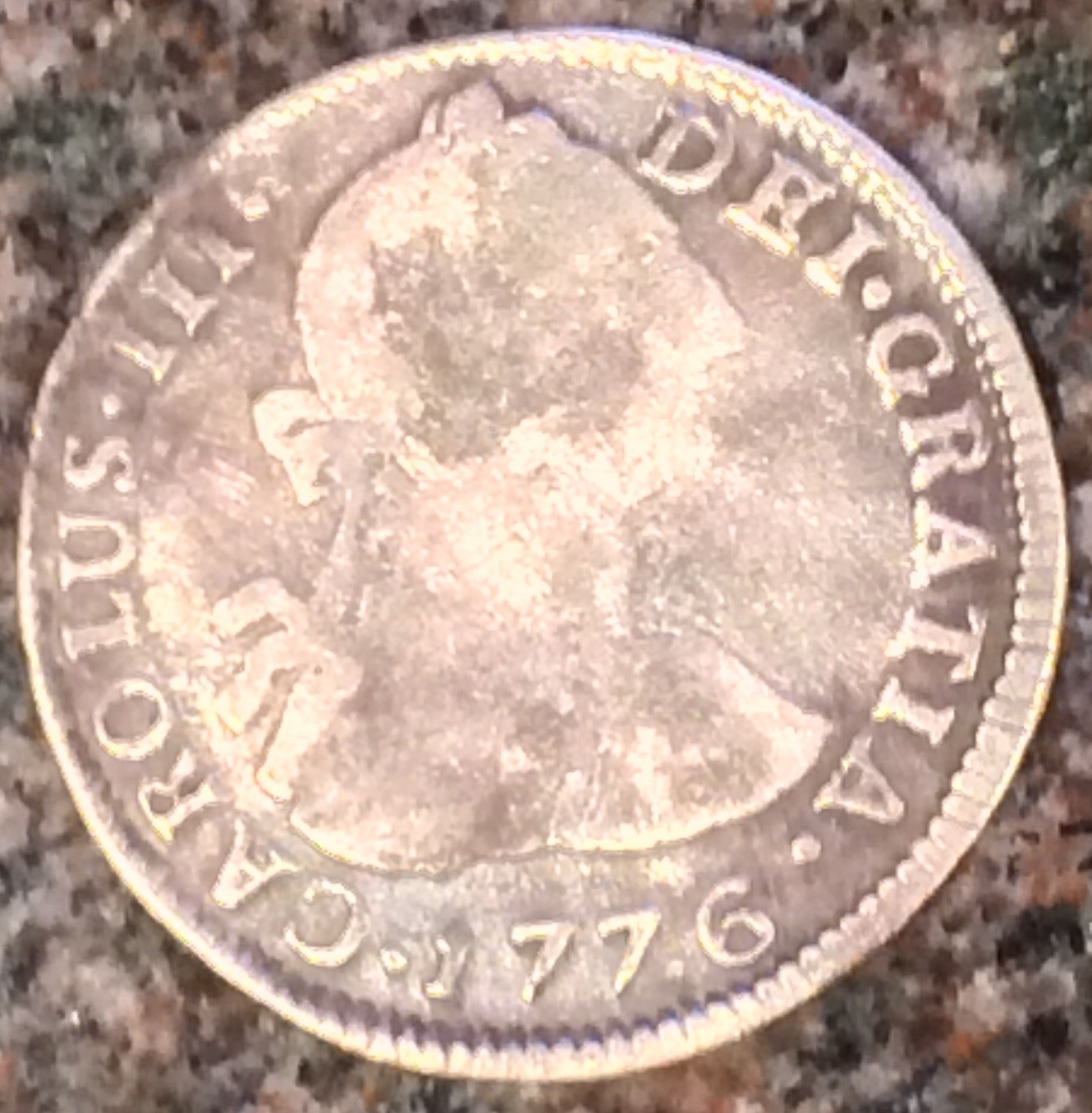
Spanish Colonial 2 Reales (Milled)
A small milled silver coin of the Spanish Empire, struck in colonial American mints; this example is dated 1776 and shows heraldic lions, castles and a crowned shield.
- Country
- Spain
- Denomination
- 2 Reales
- Metal
- Silver
Got a coin like this?
Identify any coin from a photo, free.
Overview
The Spanish Colonial 2 Reales is a small silver coin produced by Spain's mints in the Americas as part of the reales system, in which 8 reales made up the well-known Spanish dollar. The 2 reales is a quarter of that dollar, a convenient fractional piece for everyday trade across Spain's colonies and far beyond.
This example is a milled (machine-struck) piece dated 1776. Its designs are heraldic: a coat of arms bearing the lions and castles of León and Castile, paired with a crowned Spanish shield. Struck in silver of high fineness, it circulated widely and was legal tender or a trusted trade coin in many regions, including the early United States.
History & Background
Milled coinage replaced the older, irregularly shaped hammered "cob" pieces in Spain's American mints during the 1730s, bringing rounder flans, consistent weight and protective edge devices. Two broad design families followed: the "pillar" or columnario type (with the twin Pillars of Hercules) used from the 1730s into the early 1770s, and the "portrait" or bust type introduced under a coinage reform in 1772, which placed the reigning monarch's profile on the coin.
A piece dated 1776 falls in the reign of Charles III, in the portrait era of the reales system. Coins of this denomination were produced at several colonial mints across Spanish America. Because the 2 reales and its silver relatives held a dependable standard, they served as international trade money; the fractional pieces even circulated in colonial and early federal America, where "two bits" language for a quarter of a dollar echoes this coinage.
How to Identify
Look for a small silver coin, noticeably smaller and lighter than the large 8 reales "piece of eight," with a diameter in the rough range of 26–27 mm and a weight of roughly 6–7 grams. The design is heraldic: lions and castles arranged in a shield (the arms of Castile and León), a crowned Spanish shield, and a legend running around the rim, with a readable date such as 1776.
The denomination is commonly expressed on the coin as a numeral or the value in the reales system. Small letters near the design are mint and assayer marks that identify where the coin was struck and who certified its silver. The edge should show milled or ornamented detailing rather than the plain, clipped look of a hammered cob.
Value & Collectibility
Value depends heavily on the specific mint, date, assayer, silver surfaces and overall wear. Common, well-circulated 2 reales are affordable, entry-level world and colonial coins, while scarcer mint-and-date combinations, sharp detail, or original surfaces command strong premiums. Silver content sets a modest floor even for heavily worn pieces.
Because an example dated 1776 carries a Revolutionary-era date, it may attract extra collector interest beyond its type, but the date alone does not guarantee high value—condition and mint attribution matter more. For a specific figure, compare like-for-like graded examples and, for higher-value coins, seek third-party authentication.
Frequently asked questions
Is the Spanish Colonial 2 Reales real silver?
Yes. It was struck in high-fineness silver as part of the Spanish reales standard, which gives even well-worn pieces a baseline melt value in addition to any collector premium.
What is a 2 reales worth compared to a Spanish dollar?
The 2 reales is one quarter of the 8 reales Spanish dollar. Four 2-reales coins equalled one dollar-sized piece of eight.
Does the 1776 date make it especially valuable?
The date is of interest because it coincides with the American Revolution, but value is driven mainly by mint, assayer, condition and eye appeal rather than the year alone.
Why do the designs show lions and castles?
Those are the heraldic arms of León (lion) and Castile (castle), the historic Spanish kingdoms whose emblems appear on the coin's shield and coat of arms.
Is this the same as a 'piece of eight'?
No. The 'piece of eight' is the 8 reales coin. This is the smaller 2 reales, a fractional denomination worth a quarter of that larger coin.
Spanish Colonial 2 Reales (Milled) guides
In-depth guides for identifying, valuing, and collecting Spanish Colonial 2 Reales (Milled).
Other coins you may enjoy
Sarawak One Cent
1870
Jamaica Half Penny
1871
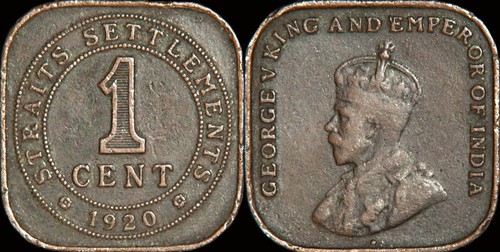
Straits Settlements One Cent
1919–1926 (this type)
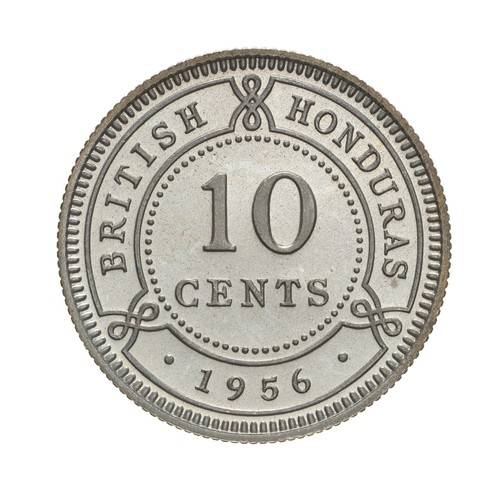
British Honduras 10 Cents
1956
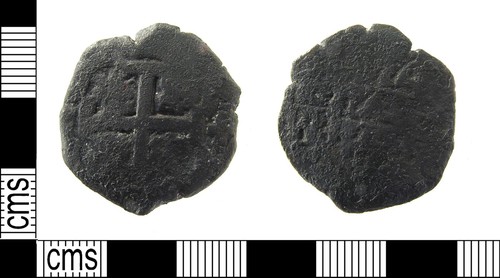
Spanish Colonial 1 Real (Bourbon)
1700-1746
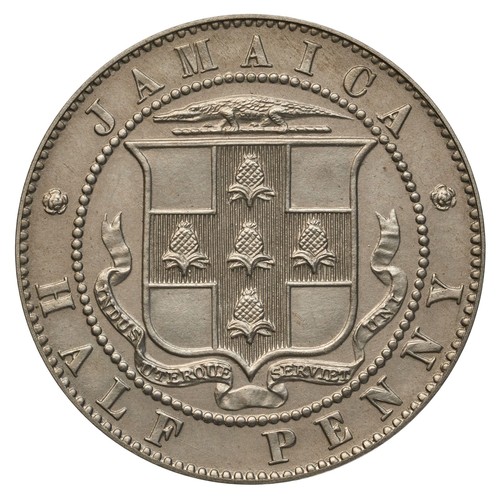
Bermuda Half Penny
1909
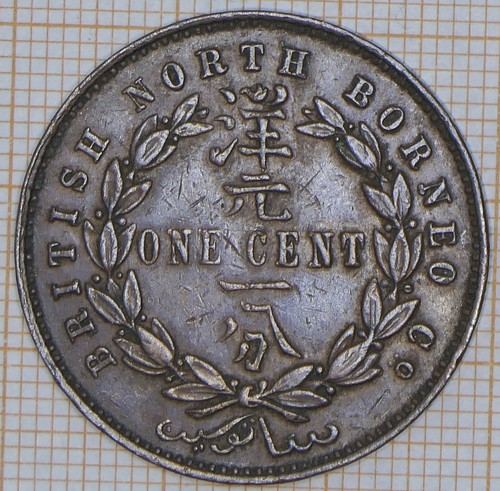
British North Borneo One Cent
1884–1886
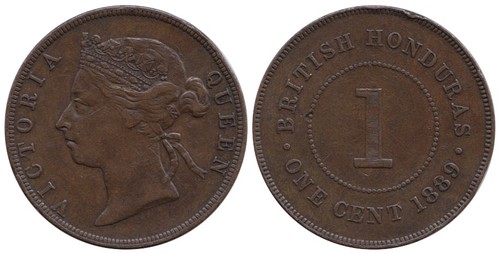
British Honduras One Cent
1885–1894 (Victoria); this example 1889
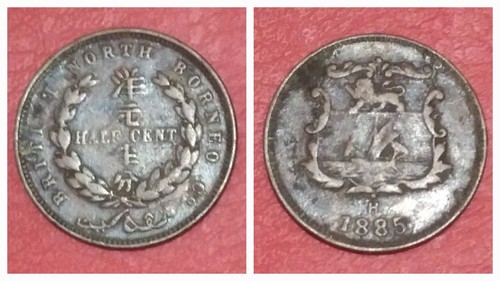
British North Borneo Half Cent
1885
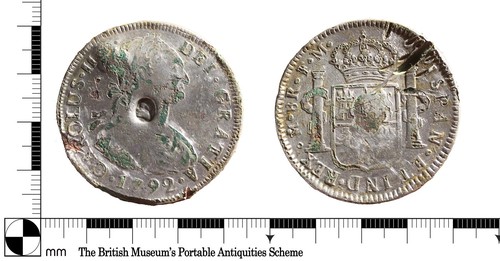
Counterstamped 8 Reales
Charles IV era (1788-1808), host coin; counterstamps and hole added later
Fugio Cent
1787
Massachusetts Shilling (1 Shilling 6 Pence)
1779