
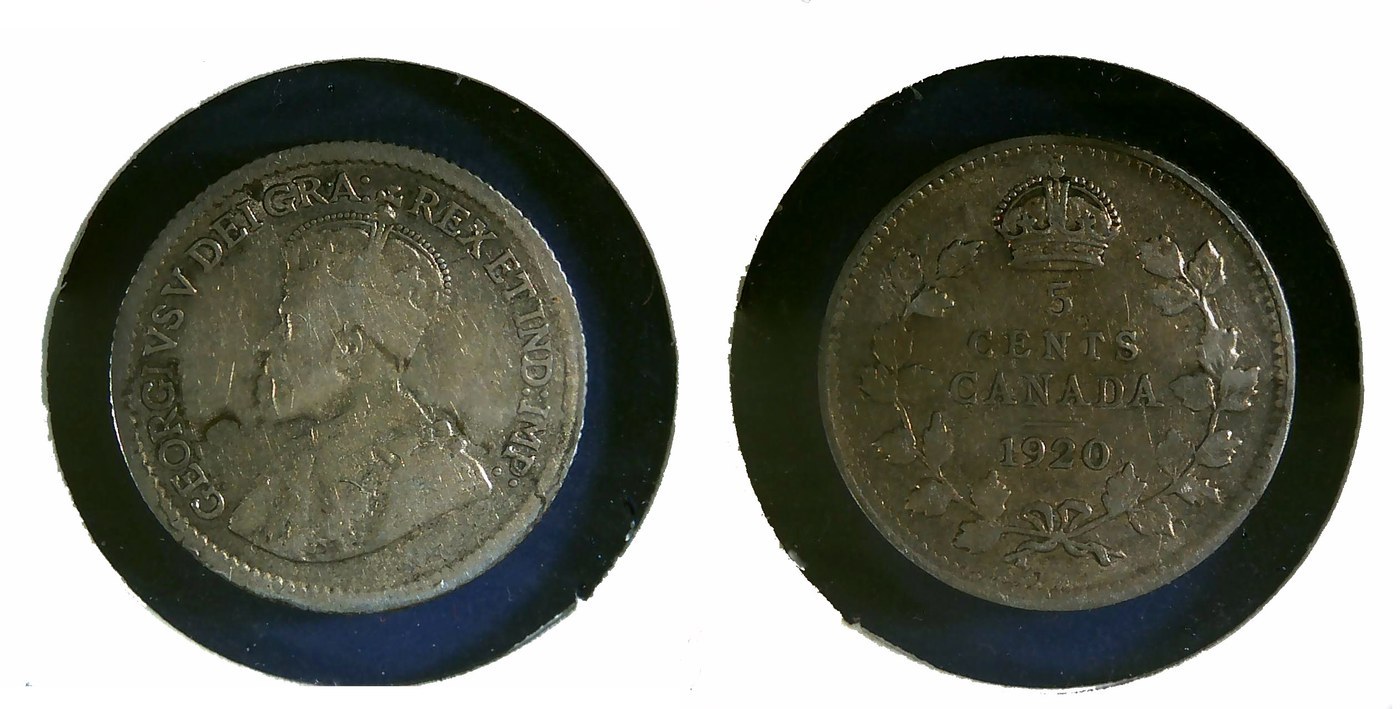
Canadian Five Cents (Nickel)
Canada's five-cent 'nickel,' with G.E. Kruger Gray's beaver reverse. This 1987 example pairs the beaver with an Elizabeth II portrait.
- Country
- Canada
- Denomination
- 5 Cents
- Metal
- Nickel
Got a coin like this?
Identify any coin from a photo, free.
Overview
The Canadian five-cent piece, universally known as the 'nickel,' is a small coin that has carried a beaver reverse since 1937. The example pictured here is dated 1987 and shows the classic beaver design with CANADA and the 5 CENTS denomination.
The beaver side reads CANADA at the top with 5 CENTS and the date below the animal, which perches on a log or mound by water. The opposite side carries the crowned profile of Queen Elizabeth II. Despite the coin's nickname, its exact metal composition changed over the years, so a 1987 piece is not the same alloy as an earlier pure-nickel example.
History & Background
The beaver design was introduced on the Canadian five-cent coin in 1937, engraved by George Edward Kruger Gray, and quickly became one of the most recognizable emblems in Canadian coinage. Apart from a few wartime and commemorative interruptions, the beaver has remained the standard reverse of the denomination ever since.
The coin's composition tells a more complicated story than its 'nickel' nickname suggests. Canadian five-cent pieces were struck in essentially pure nickel for much of the mid-twentieth century, through 1981. From 1982 onward, including the 1987 coin shown here, the Royal Canadian Mint switched to a cupronickel alloy of roughly 75% copper and 25% nickel. A later change in 2000 moved the coin to nickel-plated steel. The 1987 date therefore falls within the cupronickel era.
The portrait on this coin is the effigy of Queen Elizabeth II used on Canadian circulation coinage from 1965 to 1989, showing the Queen wearing a tiara. It was replaced by a newer portrait in 1990, which helps bracket coins of this style to the 1965–1989 window.
How to Identify
Identify the beaver side first: a beaver on a log or mound with water behind it, CANADA arched above and 5 CENTS with the date below. This Kruger Gray beaver is the defining feature of the denomination and appears on the 1987 coin shown here.
The portrait side carries a right-facing crowned bust of Queen Elizabeth II with a legend reading ELIZABETH II D.G. REGINA. On a 1987 coin the Queen wears a tiara, the effigy used from 1965 through 1989. The coin is a small, round piece about 21.2 mm in diameter and roughly 4.6 grams.
Composition is a useful cross-check. A five-cent coin dated 1982 through 1999 is cupronickel (about 75% copper, 25% nickel), so the 1987 example is only partly nickel despite the nickname. Earlier dates through 1981 are near-pure nickel and are strongly attracted to a magnet; the cupronickel 1982–1999 coins are not.
Value & Collectibility
As a modern circulating coin, a common-date Canadian nickel like this 1987 piece is generally worth its five-cent face value when worn. There is no precious metal content, and cupronickel carries no meaningful bullion premium.
Collector value appears mainly in high grades or with mint errors and varieties. Uncirculated rolls and proof-like or specimen pieces from mint sets can bring a small premium over face, and standout examples with full original luster are the ones worth setting aside. Exact figures depend heavily on grade, eye appeal, and any variety, so treat a single quoted price as a snapshot rather than a fixed value.
Frequently asked questions
Is the 1987 Canadian nickel actually made of nickel?
Only partly. Despite the 'nickel' nickname, five-cent coins dated 1982 to 1999 are cupronickel, roughly 75% copper and 25% nickel. Pure-nickel coins were struck through 1981; nickel-plated steel came in from 2000.
How much is a 1987 Canadian five-cent coin worth?
A common circulated 1987 nickel is generally worth its five-cent face value. Higher premiums are limited to uncirculated, proof-like, or error and variety coins, where condition and eye appeal drive the price.
Who is on the Canadian nickel dated 1987?
Queen Elizabeth II. The 1987 coin uses the tiara-crowned effigy employed on Canadian coinage from 1965 to 1989, with the beaver design by G.E. Kruger Gray on the reverse.
Why is a Canadian five-cent coin called a nickel?
The nickname dates from the era when the coin was struck in nickel metal. The name stuck even after the composition changed to cupronickel in 1982 and to nickel-plated steel in 2000.
Canadian Five Cents (Nickel) guides
In-depth guides for identifying, valuing, and collecting Canadian Five Cents (Nickel).
Canadian Five Cents (Nickel) identified by the community
Real coins identified with Coin Identifier.
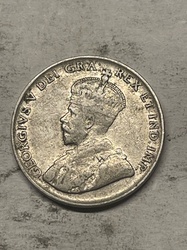
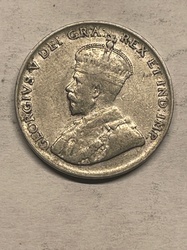
Other coins you may enjoy
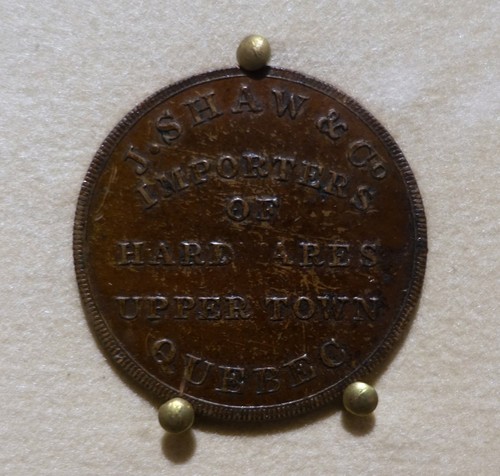
J. Shaw & Co. Hardware Token
circa 1850s
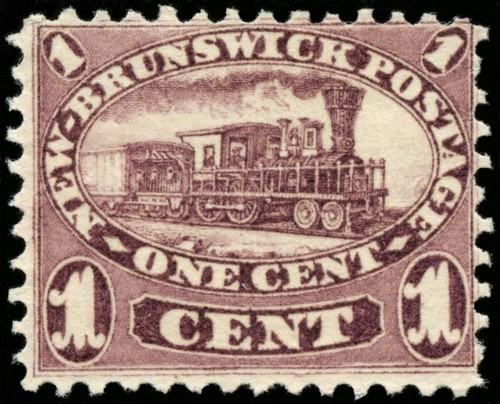
New Brunswick One Cent
Dated 1860 (locomotive token type)
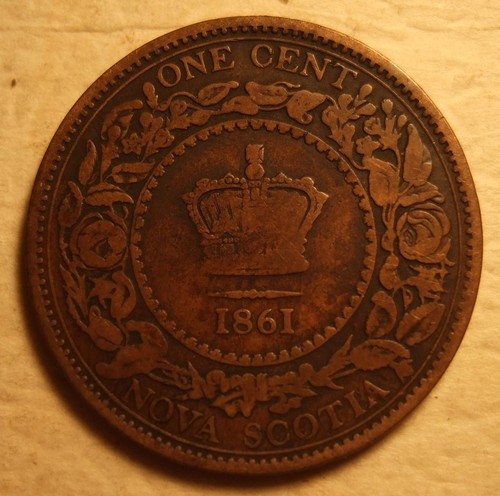
Nova Scotia One Cent
1861-1864
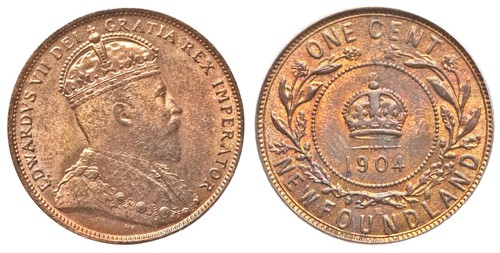
Newfoundland One Cent
1865-1936
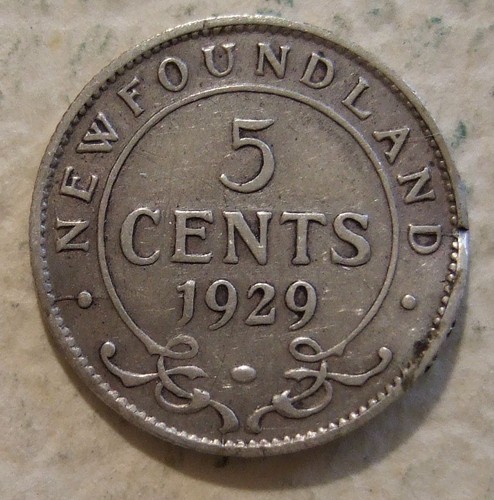
Newfoundland Five Cents
1865-1947
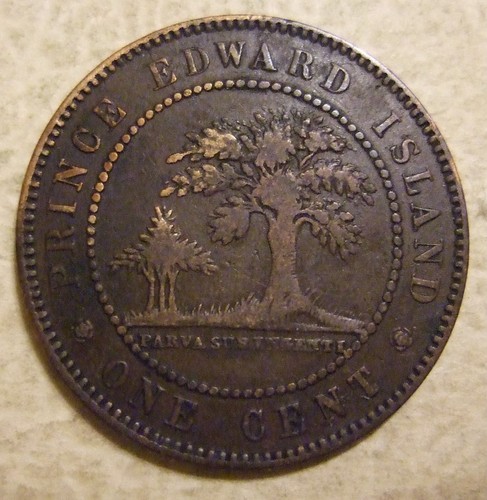
Prince Edward Island One Cent
1871
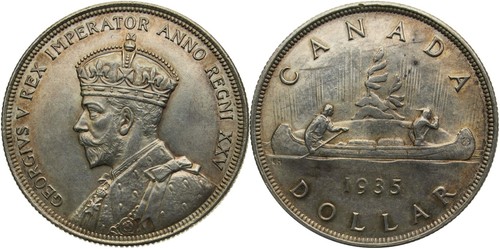
Canadian Silver Dollar
1935
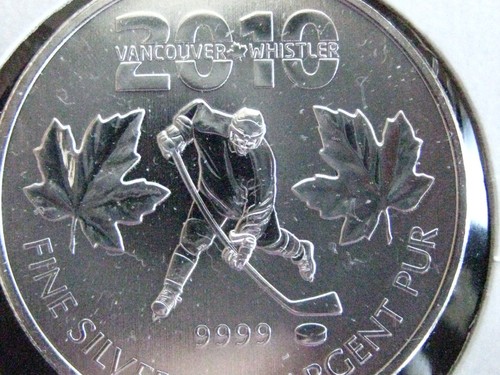
Olympic Hockey Commemorative Dollar
2010
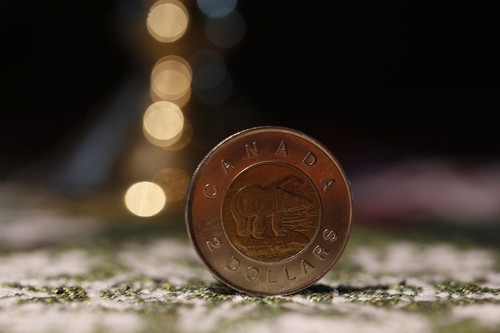
Canadian Two Dollar (Toonie)
1996-present
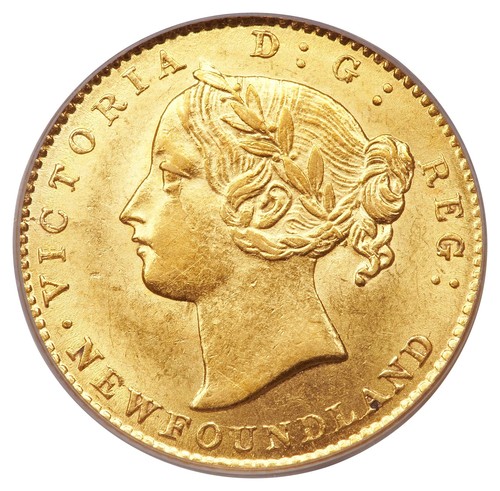
Newfoundland Two Dollars
1865-1888
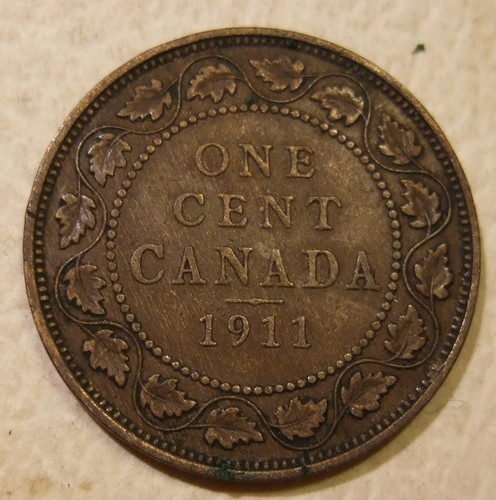
Canadian One Cent
1858-1920 (large cent series); example dated 1911
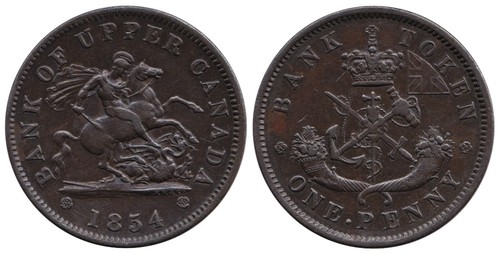
Bank of Upper Canada One Penny Token
1850-1857