
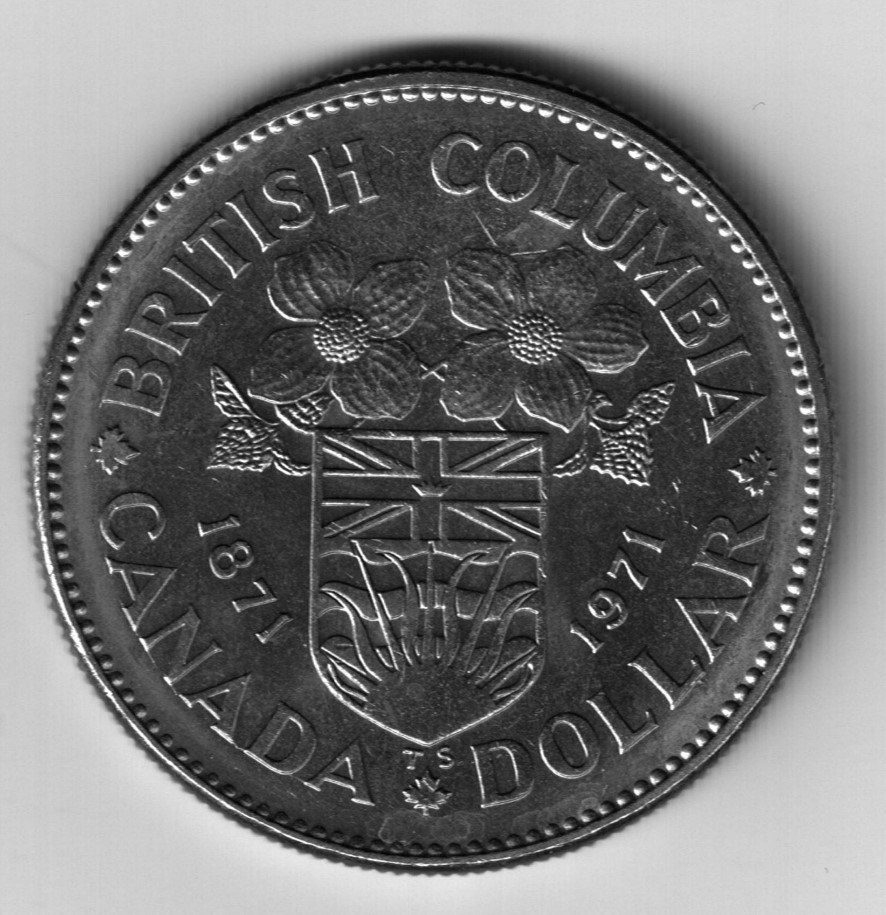
British Columbia Centennial Dollar
A 1958 Canadian silver dollar marking British Columbia's centennial, showing a Pacific Northwest totem pole and the dates 1858–1958.
- Country
- Canada
- Denomination
- 1 Dollar
- Metal
- Silver
Got a coin like this?
Identify any coin from a photo, free.
Overview
The British Columbia Centennial Dollar is a Canadian silver dollar issued in 1958 to mark one hundred years since the founding of British Columbia. The commemorative side, shown in these photos, carries a tall carved totem pole in the Pacific Northwest Coast tradition, flanked by the dates 1858 and 1958 that bracket the century being celebrated. The opposite side—the coin's official obverse—bears the laureate profile of Queen Elizabeth II used on Canadian coinage of the late 1950s.
This is a large, substantial coin about 36 mm across and weighing roughly 23 grams, struck in .800 fine silver. Because it was released in large numbers and widely kept as a souvenir of the centennial year, it is one of the more familiar and easily found Canadian commemorative dollars today.
The totem-pole design, credited to sculptor Stephen Trenka, gave the coin its lasting collector nickname—the 'Totem Pole Dollar'—and makes it instantly recognizable among Canadian silver dollars of the Elizabeth II era.
History & Background
In 1958 British Columbia celebrated the centennial of its establishment as a Crown Colony in 1858, the year the mainland colony was proclaimed on the Pacific coast. To honour the occasion, the Royal Canadian Mint issued a special reverse for that year's silver dollar in place of the usual voyageur canoe design, replacing it with a totem pole and the dual dates 1858–1958.
The coin was struck in the .800 silver standard (80% silver, 20% copper) that Canada used for its larger denominations through the 1950s. Production for the centennial dollar ran into the millions—well above a typical commemorative print run—because the coin doubled as circulating currency and as a keepsake sold and saved across the province and the country.
A piece of folklore attached itself to the design: because totem poles can serve as memorial or mortuary carvings in some Northwest Coast traditions, the coin drew superstitious talk in its day. The story is a curiosity of the coin's reception rather than a fact of its production, but it is often repeated in accounts of the 1958 dollar.
How to Identify
The defining feature is the totem-pole side seen here: a single tall totem pole in Pacific Northwest Coast style, set upright in the field with the dates 1858 on one side and 1958 on the other. This dual-date, single-totem design is unique to the 1958 issue and is the fastest way to identify the coin. The word DOLLAR and CANADA appear with the design on the coin as struck.
Turn the coin over and the official obverse shows Queen Elizabeth II facing right in a laureate (wreathed) bust, with the Latin legend ELIZABETH II DEI GRATIA REGINA. This is the Mary Gillick portrait of the young Queen used on Canadian coinage of the period, which helps date the piece to the 1950s rather than a later reign or portrait.
Size and metal confirm the attribution: the coin is about 36 mm in diameter, roughly 23 grams, with a reeded (grooved) edge, and is struck in .800 silver. There is no mint mark—all Canadian dollars of this era came from the Royal Canadian Mint—so identification rests on the totem-pole design, the 1858–1958 dates, and the Elizabeth II obverse together.
Value & Collectibility
Because the 1958 British Columbia dollar was produced in large numbers, most circulated and typical uncirculated examples trade close to their silver content rather than at a scarcity premium. The coin contains roughly six-tenths of a troy ounce of pure silver, so its baseline worth tracks the bullion market and moves with silver prices.
Premiums appear at the top of the grade scale. Sharply struck, fully lustrous, or specimen-quality pieces with no bag marks or cleaning can bring meaningful multiples of melt value, and originality matters more than for the average example. Exact figures depend on grade, eye appeal, and the silver market, so treat any single quoted price as a snapshot.
As a common, high-mintage silver coin, it is not a frequent target for counterfeiting, but cleaning and handling damage are the usual factors that separate a melt-value coin from a collectible one.
Frequently asked questions
What do the dates 1858 and 1958 mean?
They mark the centennial of British Columbia, spanning the hundred years from its 1858 founding as a Crown Colony to the 1958 anniversary the coin celebrates. The coin itself was struck in 1958.
Is the British Columbia Centennial Dollar real silver?
Yes. It is struck in .800 fine silver (80% silver, 20% copper), the standard Canada used for its silver dollar in this period. It contains roughly 0.6 troy ounce of pure silver.
Is this coin rare or valuable?
It is common. Several million were struck, so most examples are worth close to their silver value; only high-grade, lustrous, or specimen pieces command notable premiums.
Why is it called the 'Totem Pole Dollar'?
The 1958 reverse replaced the usual canoe design with a Pacific Northwest Coast totem pole, and collectors adopted 'Totem Pole Dollar' as the nickname for that year's British Columbia commemorative issue.
British Columbia Centennial Dollar guides
In-depth guides for identifying, valuing, and collecting British Columbia Centennial Dollar.
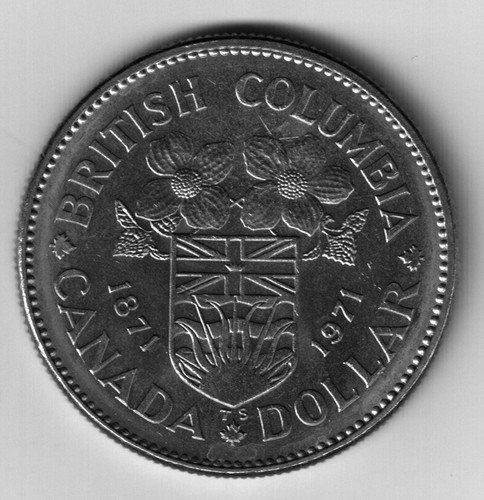
Other coins you may enjoy
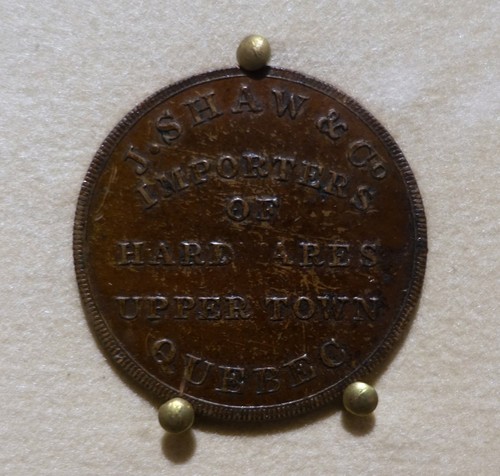
J. Shaw & Co. Hardware Token
circa 1850s
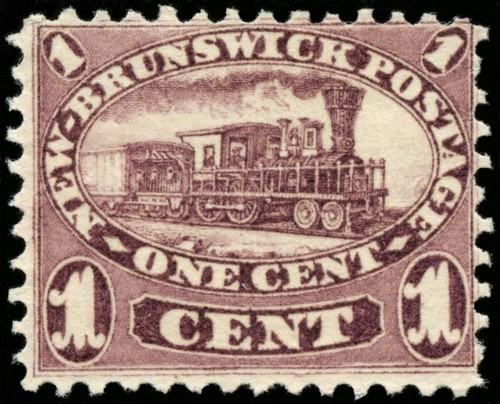
New Brunswick One Cent
Dated 1860 (locomotive token type)
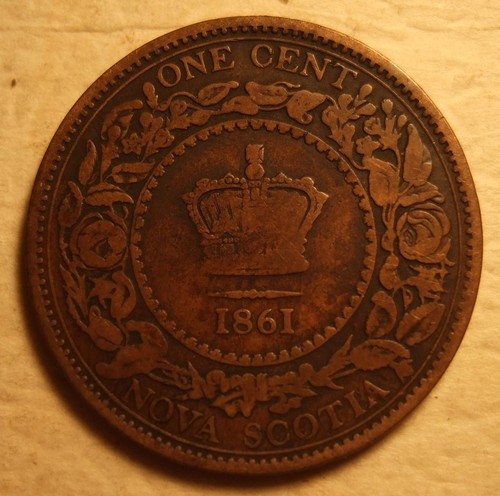
Nova Scotia One Cent
1861-1864
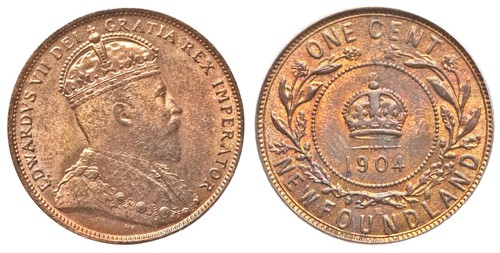
Newfoundland One Cent
1865-1936
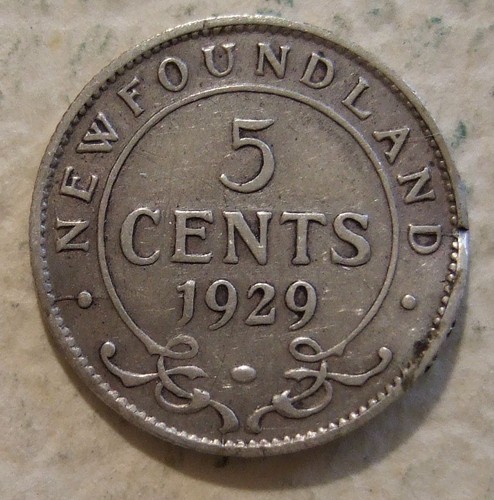
Newfoundland Five Cents
1865-1947
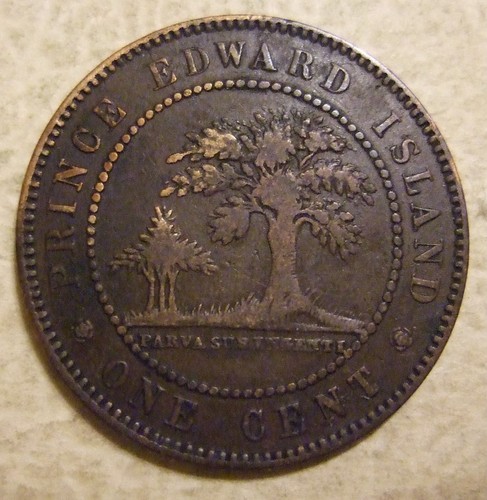
Prince Edward Island One Cent
1871
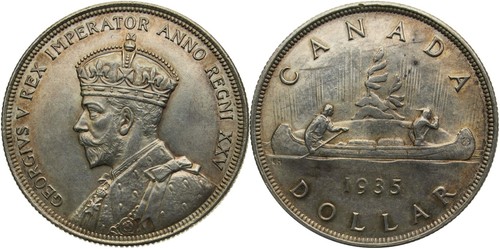
Canadian Silver Dollar
1935
Canadian Five Cents (Nickel)
1937–present (beaver reverse; example shown: 1987)
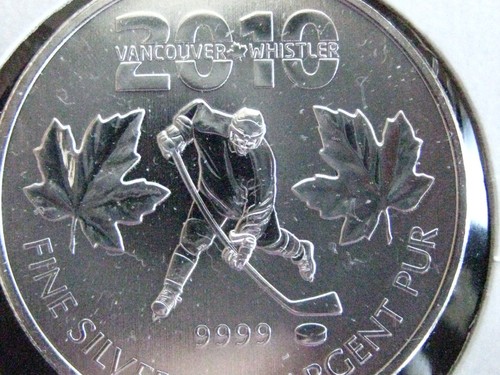
Olympic Hockey Commemorative Dollar
2010
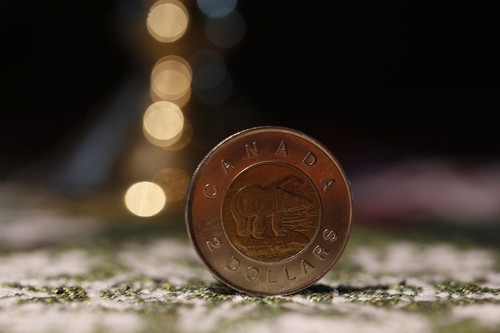
Canadian Two Dollar (Toonie)
1996-present
Newfoundland Two Dollars
1865-1888
Canadian One Cent
1858-1920 (large cent series); example dated 1911