
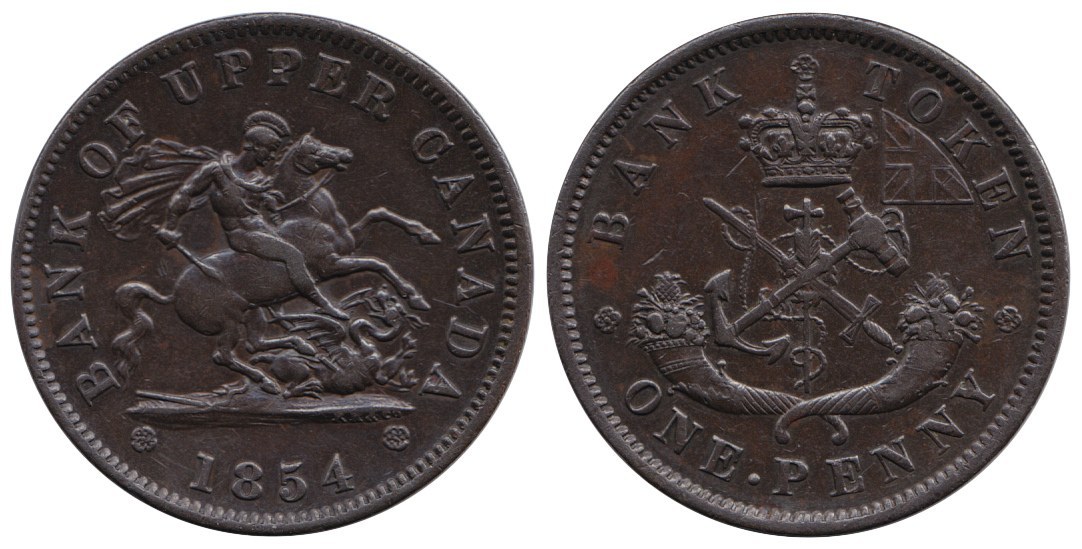
Bank of Upper Canada One Penny Token
Copper penny token of the Bank of Upper Canada showing St. George slaying the dragon, with a crowned royal-arms reverse; this example dated 1854.
- Country
- Canada
- Denomination
- One Penny
- Metal
- Copper
Got a coin like this?
Identify any coin from a photo, free.
Overview
The piece shown here is a copper One Penny token issued by the Bank of Upper Canada. The obverse depicts St. George on horseback slaying a dragon, a design borrowed from British coinage, while the reverse carries the royal arms beneath a crown with heraldic supporters and ornamental detail. This example is dated 1854.
These tokens were struck as large copper pieces to serve as everyday one-penny change in the Province of Canada. They belong to a wider family of bank and merchant tokens that circulated across British North America before a unified decimal coinage was established. The penny was the larger of the bank's two token denominations, paired with a matching half penny of the same designs.
Because it is copper and was made for small day-to-day transactions, the penny token is collected today as a historic artifact of pre-Confederation Canadian money rather than as a precious-metal coin.
History & Background
In the first half of the nineteenth century the colonies of British North America suffered a chronic shortage of official small change. To fill the gap, chartered banks and merchants issued their own copper tokens. The Bank of Upper Canada, based in York (later Toronto), put out a well-known series of penny and half-penny tokens in the 1850s.
The bank's tokens were struck for it in England, and their St. George and the dragon obverse deliberately echoed the imagery of contemporary British coinage, lending the private issue a familiar, trustworthy appearance. The crowned royal-arms reverse reinforced that connection to the Crown. The series carries several dates across the 1850s, of which 1854 is one.
These "copper company" and bank tokens circulated widely and were generally accepted at face value. They were gradually withdrawn after the Province of Canada adopted a decimal cent coinage, and following Confederation in 1867 the new Dominion cent replaced token pennies entirely.
How to Identify
Identify this type by its two designs together. The obverse shows an armoured St. George on a rearing horse driving a spear or sword into a dragon beneath the horse. The reverse shows a crowned shield of royal arms with supporting figures and scrollwork, along with the issuing bank's name and the denomination. Read the date, here 1854, on the coin.
Confirm the physical character: a genuine penny token is copper, a large and fairly heavy piece noticeably bigger than the accompanying half penny, with a plain (unreeded) edge typical of the series. The penny and half penny share the same obverse and reverse motifs, so size and weight are the quickest way to tell the two denominations apart.
The legends naming the Bank of Upper Canada distinguish these tokens from other St. George token issues of the era. Look for the bank's name spelled out in the inscription rather than a merchant's or another bank's name.
Value & Collectibility
Value depends mainly on date, die variety, and condition. The Bank of Upper Canada penny tokens were made in quantity and many survive, so well-worn common examples are among the more affordable pieces of pre-Confederation Canadian copper, often trading for modest sums.
Cleaner, sharply struck pieces with original surfaces and full detail command a clear premium, and certain scarcer dates and recognised die varieties are worth substantially more to specialists. Condition and eye appeal move the price far more than the copper content, which is negligible.
Because grade and variety drive value in this series, treat any single figure as indicative only. For a specific token, compare it against a specialist reference on Canadian tokens or get an opinion from a dealer familiar with British North American issues before buying or selling.
Frequently asked questions
What is the Bank of Upper Canada One Penny token?
It is a large copper token issued by the Bank of Upper Canada in the 1850s to serve as one-penny change in the Province of Canada, before a unified decimal coinage existed.
Why does it show St. George and the dragon?
The design copies the imagery of British coinage of the period, giving the privately issued token a familiar, trustworthy look tied to the Crown.
Is this token made of silver or gold?
No. It is copper, made for everyday low-value transactions. It is collected as a historic artifact, not for precious-metal content.
How can I tell the penny from the half penny?
Both denominations use the same St. George obverse and royal-arms reverse. The penny is the larger, heavier piece; the half penny is noticeably smaller.
How much is a Bank of Upper Canada penny token worth?
Common worn examples are relatively affordable, while sharp, high-grade pieces and scarcer dates or varieties command a premium. Have a specific token appraised.
Bank of Upper Canada One Penny Token guides
In-depth guides for identifying, valuing, and collecting Bank of Upper Canada One Penny Token.
Other coins you may enjoy
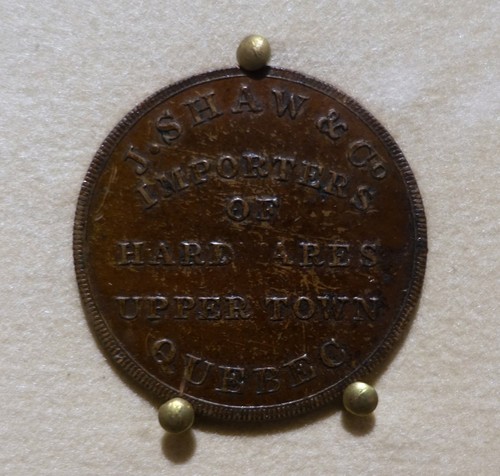
J. Shaw & Co. Hardware Token
circa 1850s
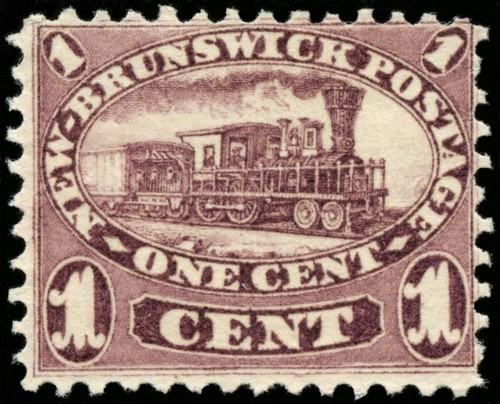
New Brunswick One Cent
Dated 1860 (locomotive token type)
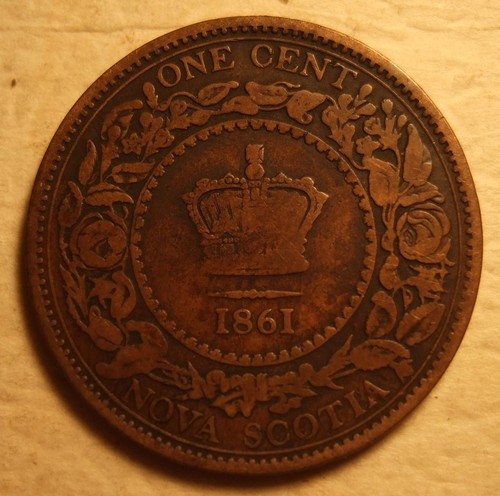
Nova Scotia One Cent
1861-1864
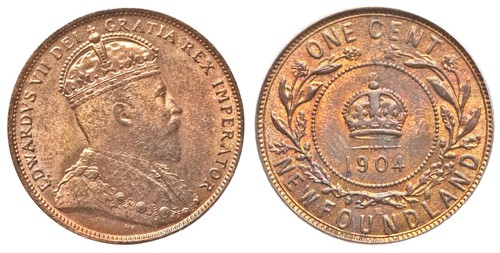
Newfoundland One Cent
1865-1936
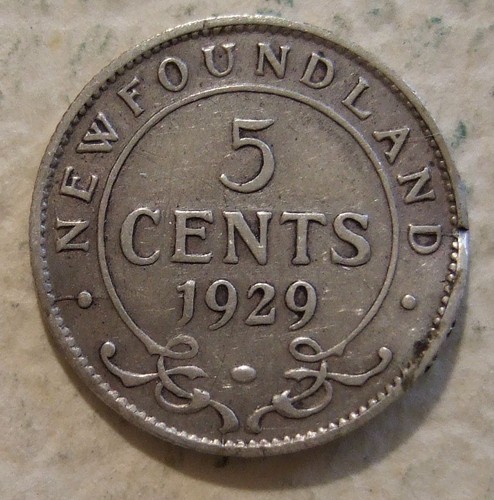
Newfoundland Five Cents
1865-1947
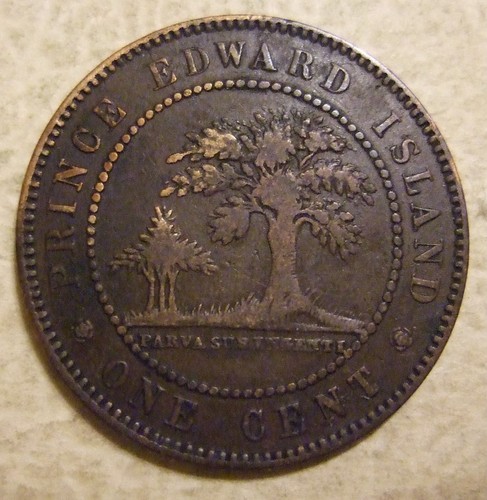
Prince Edward Island One Cent
1871
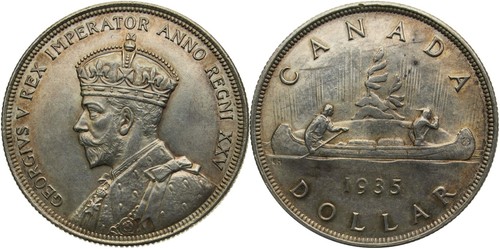
Canadian Silver Dollar
1935
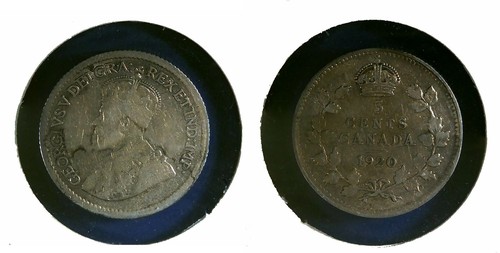
Canadian Five Cents (Nickel)
1937–present (beaver reverse; example shown: 1987)
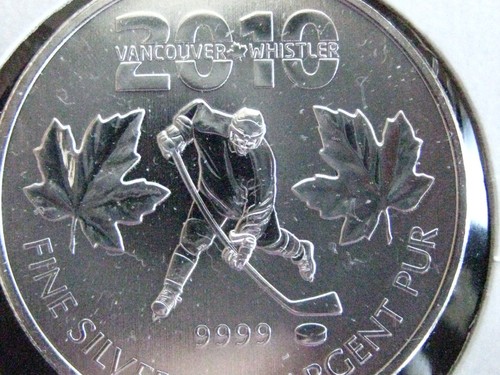
Olympic Hockey Commemorative Dollar
2010
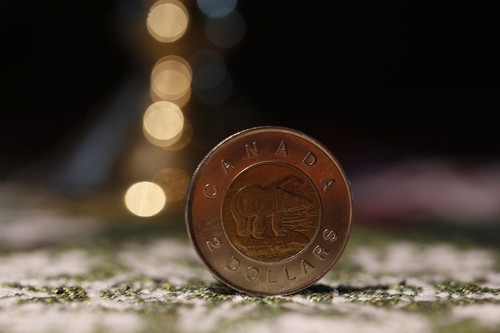
Canadian Two Dollar (Toonie)
1996-present
Newfoundland Two Dollars
1865-1888
Canadian One Cent
1858-1920 (large cent series); example dated 1911