
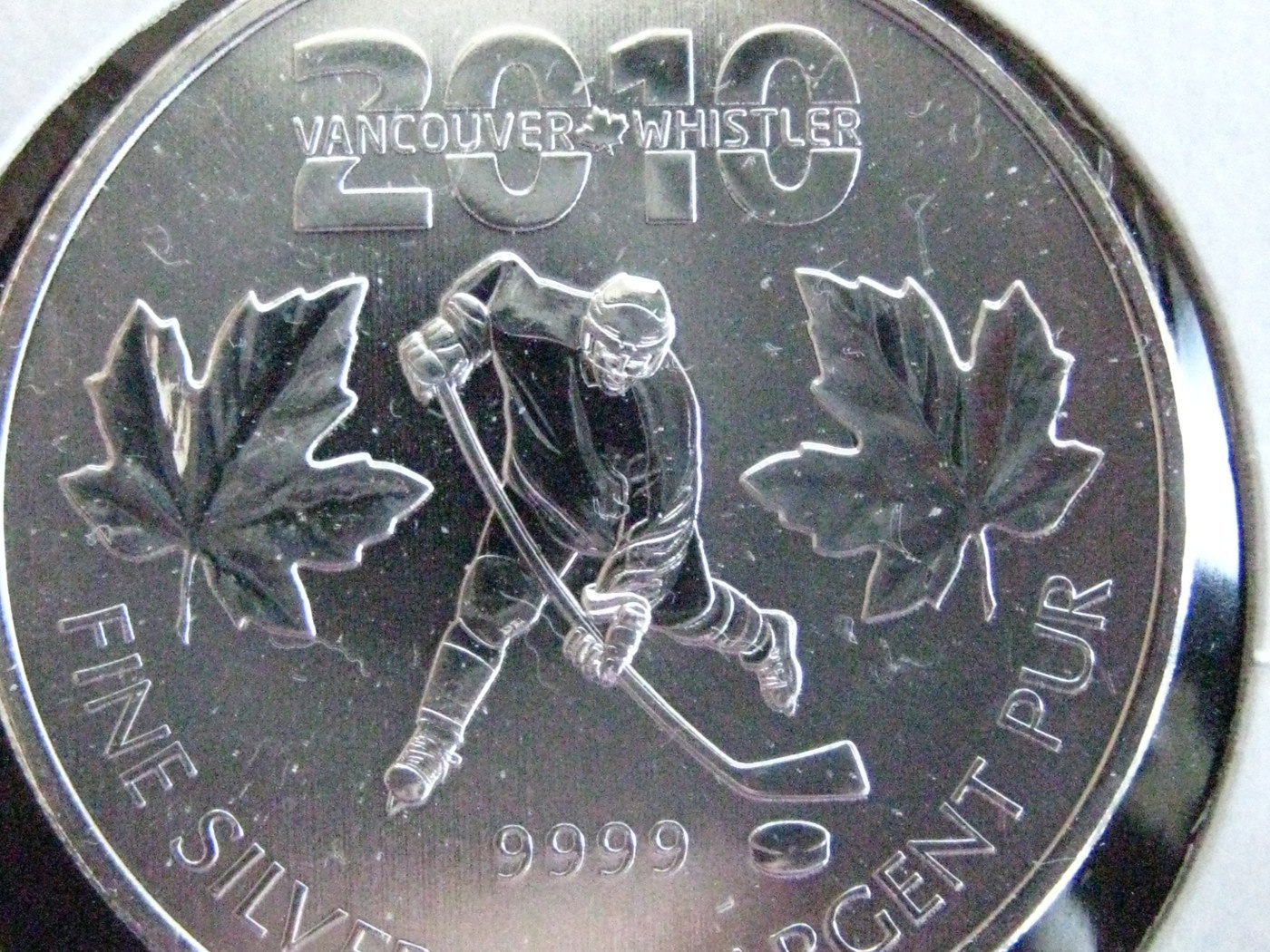
Olympic Hockey Commemorative Dollar
Silver-colored commemorative dollar for the 2010 Vancouver Winter Olympics, showing an ice hockey player, maple leaves, and the Olympic rings.
- Country
- Canada
- Denomination
- 1 Dollar
- Metal
- Silver
Got a coin like this?
Identify any coin from a photo, free.
Overview
The Olympic Hockey Commemorative Dollar is a silver-colored piece issued to mark the 2010 Winter Olympic Games held in the Vancouver and Whistler area of British Columbia, Canada. The obverse shown here depicts an ice hockey player in action framed by maple leaves, with the legend 2010 VANCOUVER WHISTLER. The reverse carries the Olympic rings paired with a maple leaf design.
Ice hockey is one of Canada's signature sports and a marquee event of any Winter Games, which is why it features so prominently on Vancouver 2010 souvenir and commemorative issues. The maple leaf and the host-city naming tie the piece firmly to Canada and to the 2010 event.
Commemorative pieces of this style were sold to collectors and Games visitors rather than paid into everyday change. As always with Olympic-themed collectibles, the exact issuer, alloy, and legal-tender status vary from piece to piece, so the coin should be judged on its own markings and physical properties rather than assumed to be an official circulating coin.
History & Background
The XXI Olympic Winter Games were awarded to Vancouver, British Columbia, in 2003 and took place in February 2010, with alpine and sliding events staged in the nearby resort town of Whistler. That is why the pairing VANCOUVER WHISTLER appears together on Games merchandise and commemoratives.
The 2010 Games generated a large volume of numismatic material. The Royal Canadian Mint produced an official circulation and collector program tied to the Olympics, and numerous private mints and souvenir makers also released commemorative medals, tokens, and dollar-format pieces carrying Olympic imagery. Hockey, as the highest-profile team sport of the Winter Olympics, was a natural subject for many of these designs.
Because several different bodies produced 2010 Vancouver commemoratives, pieces in this family range from official legal-tender coins to privately struck souvenir medallions. Identifying which category a specific example belongs to requires reading its own inscriptions and comparing its metal and dimensions to a known reference.
How to Identify
Confirm the theme first. The obverse should show an ice hockey player in motion surrounded by maple leaves, with 2010 VANCOUVER WHISTLER lettering. The reverse should display the Olympic rings together with a maple-leaf motif. Those elements together place the piece squarely in the 2010 Vancouver Winter Olympics family.
The piece is dollar-denominated and silver in appearance. Weigh and measure it, and inspect the edge and surfaces closely: genuine precious-metal issues usually carry a fineness or weight marking (for example a purity such as .9999 or a gram/ounce figure), while silver-plated or base-metal souvenir pieces will not. The presence or absence of an official issuer name, a monarch's portrait, or the word CANADA helps separate an official coin from a commemorative medallion.
Read any small text around the rims under magnification. Official Royal Canadian Mint coinage typically names the issuing authority and denomination clearly; privately made souvenirs often omit those and instead lean on Olympic branding. Where the markings are ambiguous, treat the item as a commemorative piece until its exact origin is established.
Value & Collectibility
Value depends heavily on what the specific piece actually is. Solid precious-metal Olympic commemoratives are worth at least their bullion content and often carry a collector premium, while silver-plated or base-metal souvenir dollars trade mainly as inexpensive memorabilia regardless of their shiny appearance.
Condition, original packaging, and any certificate of authenticity all affect price. A cased, documented issue in pristine condition will generally outperform a loose, worn example of the same design. Olympic collectibles were produced in large numbers, so common souvenir types tend to be modestly priced.
Because the 2010 Vancouver family spans official coins and private commemoratives, treat any single figure as indicative only. To value a specific piece, identify its exact issuer and metal, then check recent sales of that precise type or ask a reputable coin dealer for an opinion before buying, selling, or insuring it.
Frequently asked questions
Is the Olympic Hockey Commemorative Dollar real silver?
It depends on the specific piece. Some 2010 Vancouver commemoratives are struck in solid silver and carry a fineness mark, while others are only silver-plated souvenirs. Check for a purity or weight stamp and weigh the coin to be sure.
What do 'VANCOUVER WHISTLER' and the rings mean?
They tie the piece to the 2010 Winter Olympic Games, which were hosted in Vancouver with several events held in nearby Whistler, British Columbia. The five interlocking rings are the Olympic symbol.
Why is there a hockey player and a maple leaf?
Ice hockey is a headline event of the Winter Olympics and a national sport of Canada, and the maple leaf is Canada's emblem, so both appear on commemoratives for the Canadian-hosted 2010 Games.
Is this an official Canadian coin or a souvenir?
Both types exist for the 2010 Vancouver Games. Look for an issuer name, a denomination, or a monarch's portrait to gauge whether a piece is official legal tender or a privately made commemorative medallion.
How much is it worth?
Solid silver examples are worth at least their bullion value plus any collector premium; plated souvenir pieces are worth much less. Identify the exact metal and issuer, then compare recent sales or consult a dealer.
Olympic Hockey Commemorative Dollar guides
In-depth guides for identifying, valuing, and collecting Olympic Hockey Commemorative Dollar.
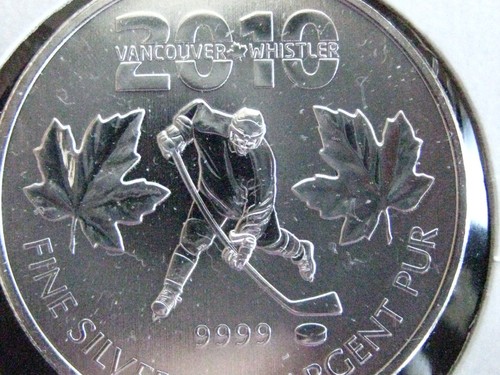
Olympic Hockey Commemorative Dollar identified by the community
Real coins identified with Coin Identifier.
Other coins you may enjoy
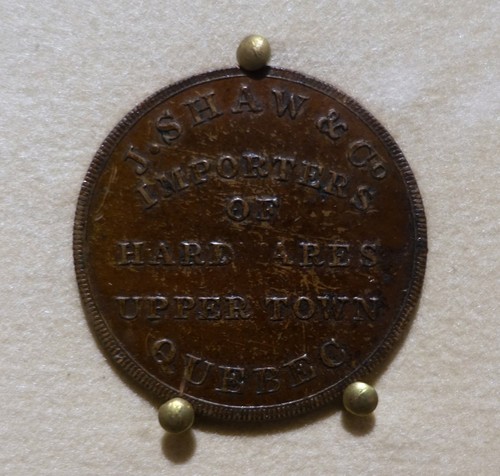
J. Shaw & Co. Hardware Token
circa 1850s
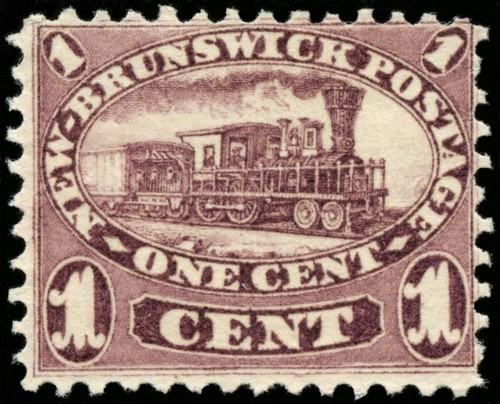
New Brunswick One Cent
Dated 1860 (locomotive token type)
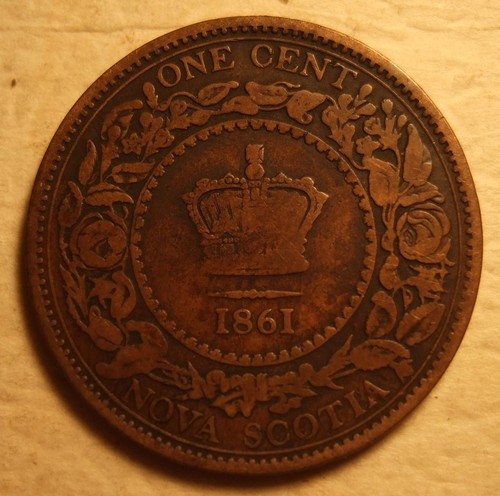
Nova Scotia One Cent
1861-1864
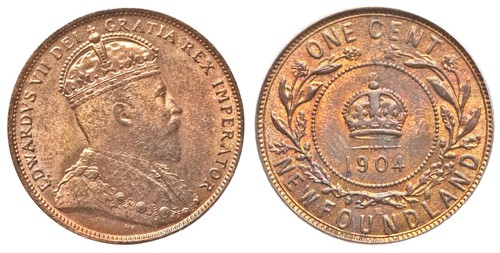
Newfoundland One Cent
1865-1936
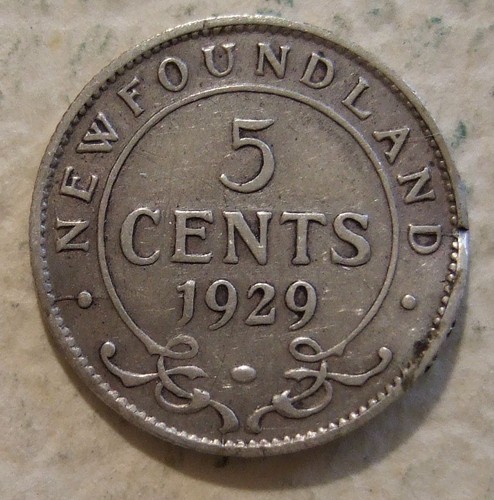
Newfoundland Five Cents
1865-1947
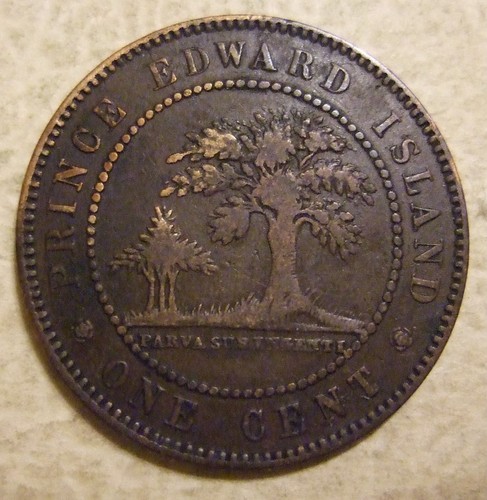
Prince Edward Island One Cent
1871
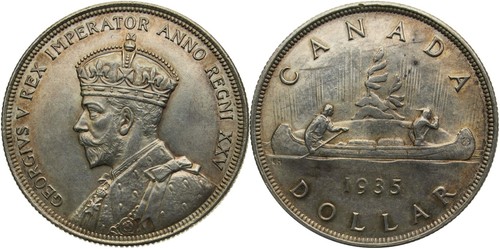
Canadian Silver Dollar
1935
Canadian Five Cents (Nickel)
1937–present (beaver reverse; example shown: 1987)
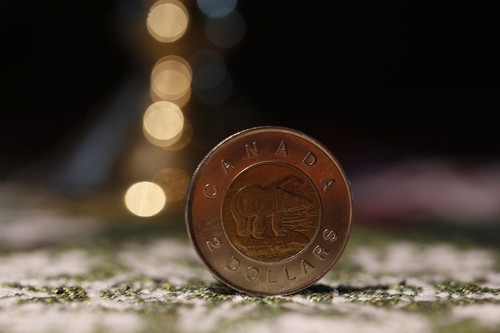
Canadian Two Dollar (Toonie)
1996-present
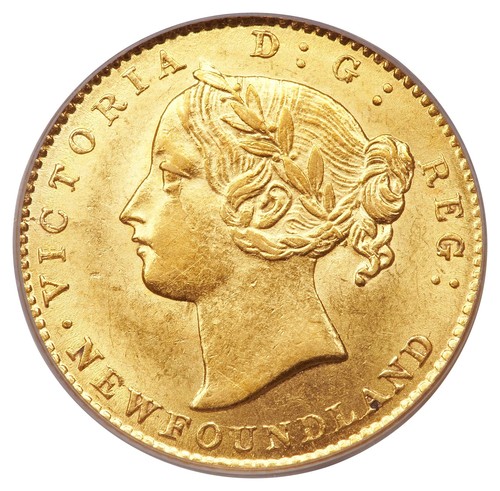
Newfoundland Two Dollars
1865-1888
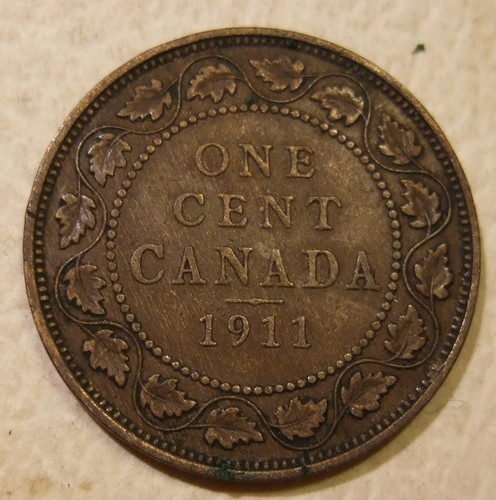
Canadian One Cent
1858-1920 (large cent series); example dated 1911
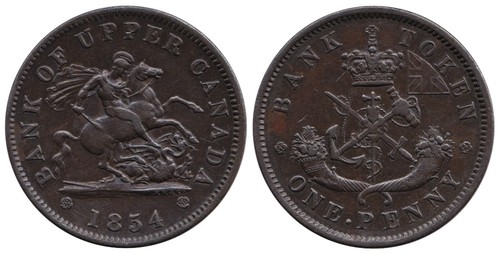
Bank of Upper Canada One Penny Token
1850-1857