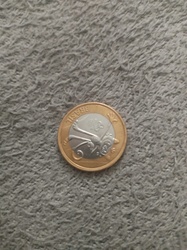
How to Identify the Olympic Hockey Commemorative Dollar
Collector checks for the 2010 Vancouver hockey dollar: reading the Olympic imagery, testing the metal, and telling official coins from souvenirs.
Read the full Olympic Hockey Commemorative Dollar encyclopedia entry →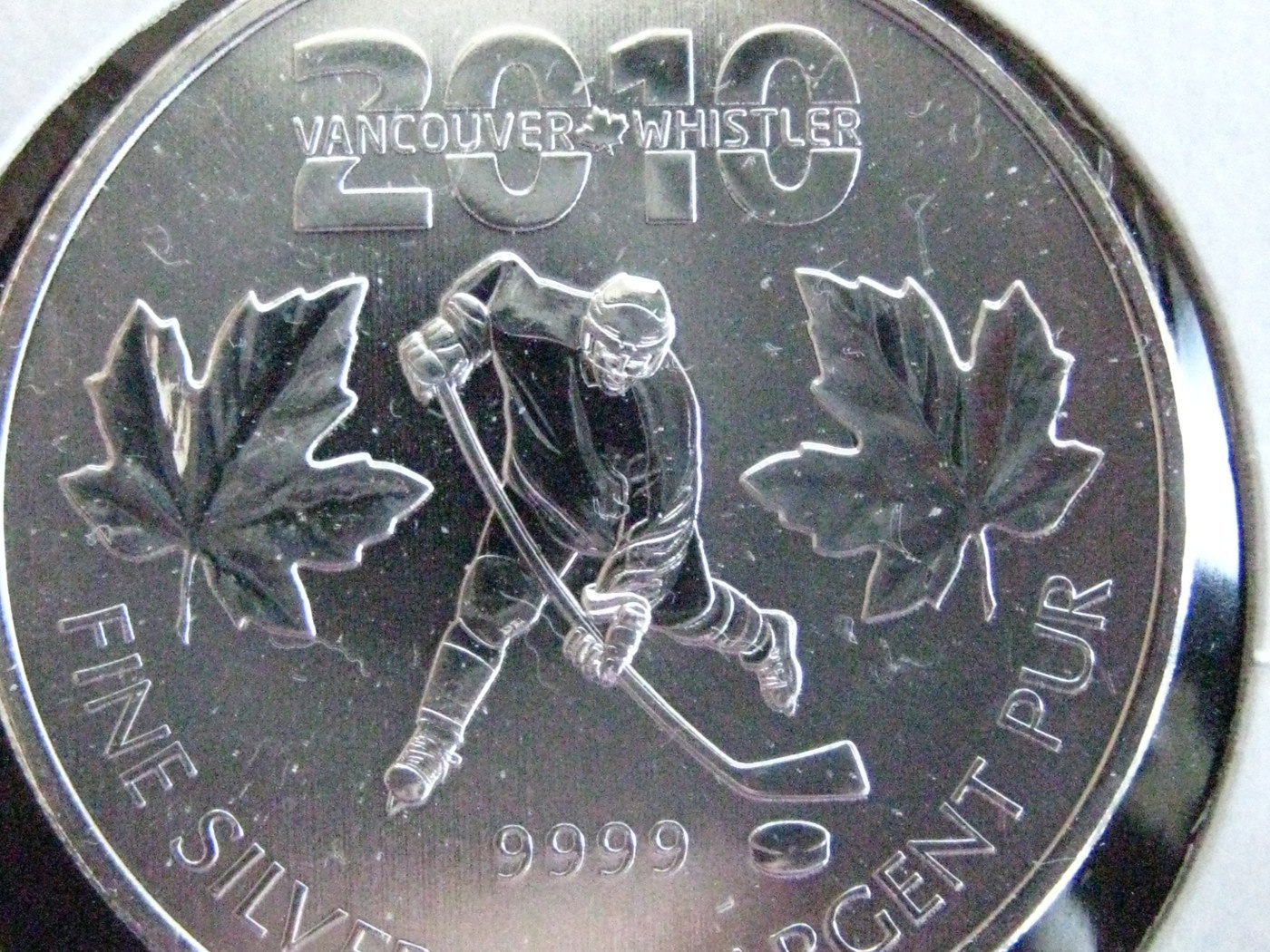
Begin with the imagery, because it fixes the piece to a single event. The obverse should show an ice hockey player in action ringed by maple leaves with the wording 2010 VANCOUVER WHISTLER, and the reverse should carry the five Olympic rings alongside a maple-leaf design. When all of those appear together, the piece belongs to the 2010 Vancouver Winter Olympics commemorative family.
Next, decide whether it is an official coin or a private souvenir, since both were made. Look for an issuing authority, a clearly stated denomination, and, on official Canadian coinage, a portrait of the reigning monarch and the word CANADA. Privately produced commemorative medallions typically lean on Olympic branding and omit those state markings. Absence of an issuer name is a strong hint that you are holding a souvenir rather than legal tender.
Test the metal rather than trusting the color. A silver appearance can come from solid silver or from plating over a base core. Weigh the piece on a small scale and measure its diameter and thickness, then look for a stamped fineness or weight (such as a purity figure or a gram/ounce mark). Solid precious-metal issues almost always declare their content; unmarked pieces that feel light for their size are usually plated souvenirs.
Watch for look-alikes and variants. The 2010 Games spawned many designs across different sports and formats, so a hockey scene is one of several themes, and similar rings-and-maple-leaf reverses appear on unrelated pieces. Colorized, gold-plated, and enameled versions also exist. Match the full combination of hockey obverse, VANCOUVER WHISTLER text, and Olympic-rings reverse rather than any single element to avoid confusing it with another Olympic collectible.
Finally, apply normal authentication caution. Olympic marks are trademarked and have been copied on unofficial products, so casting bubbles, mushy lettering, seams, or a magnetic response are warning signs. For any piece marked as solid precious metal, confirm weight and dimensions against a reference and, if in doubt, get an opinion from a reputable coin dealer before assigning it significant value.
Frequently asked questions
How can I tell if it is solid silver or just plated?
Look for a stamped fineness or weight and check the coin on a scale. Solid silver issues usually declare their purity; a light, unmarked piece with any wear showing a different metal underneath is likely silver-plated.
Does a mint mark appear on this piece?
Not necessarily. Official Canadian coins name the issuing mint or authority, but many 2010 Vancouver souvenir pieces carry only Olympic branding. Read the rims under magnification to see what, if anything, is stated.
Could this be a fake?
Unofficial and imitation Olympic collectibles exist. Watch for blurry lettering, casting seams or bubbles, incorrect weight, or a magnetic reaction, and authenticate any piece claimed to be solid precious metal.
How do I separate it from other 2010 Olympic coins?
Match the whole design: the action hockey player with maple leaves and VANCOUVER WHISTLER on one side and the Olympic rings with a maple leaf on the other. Other 2010 issues use different sports or plainer reverses.
Olympic Hockey Commemorative Dollar identified by the community
Recent Olympic Hockey Commemorative Dollar coins identified with Coin Identifier.