
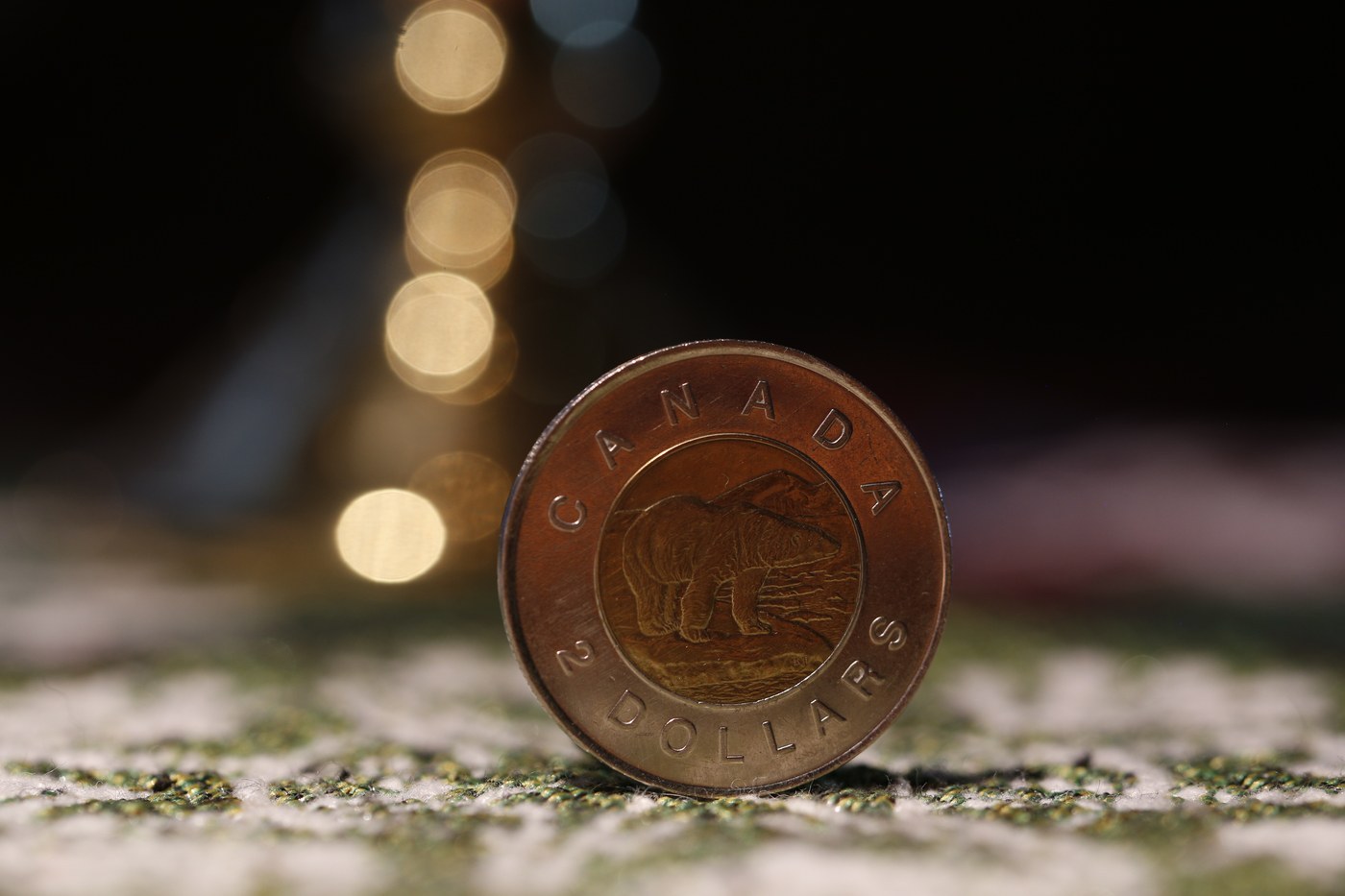
Canadian Two Dollar (Toonie)
Canada's bimetallic $2 coin, introduced in 1996 with a polar bear design; universally nicknamed the 'toonie' after the loonie dollar.
- Country
- Canada
- Denomination
- 2 Dollars
- Metal
- Bimetallic (Nickel/Bronze)
Got a coin like this?
Identify any coin from a photo, free.
Overview
The Canadian Two Dollar coin, known to almost everyone as the toonie, is a bimetallic circulation coin introduced in 1996. It pairs an outer ring of one metal with a differently coloured inner core, giving it the two-tone look that distinguishes it at a glance from every other Canadian denomination.
The design side shown here features a standing bear among maple-leaf and Canadian devices, with the legend CANADA 2 DOLLARS and the year. The opposite face carries the reigning monarch's portrait, Queen Elizabeth II on the issues covered here. The coin measures about 28 mm across and weighs roughly 7 grams.
As a workhorse of daily Canadian commerce, the toonie is produced in very large quantities by the Royal Canadian Mint, and it remains legal tender at its face value of two dollars across Canada.
History & Background
The toonie entered circulation on 19 February 1996, replacing the paper two-dollar banknote as part of Canada's move toward lower-cost, longer-lasting coinage. It followed the one-dollar 'loonie' coin introduced in 1987, and the public quickly coined the nickname 'toonie' by blending 'two' with 'loonie'.
The wildlife reverse, a polar bear, was chosen to give the new coin a distinctly Canadian character, echoing the loonie's common loon. Over the years the Royal Canadian Mint has issued many special and commemorative reverse designs alongside the standard bear, while keeping the two-dollar denomination and bimetallic format.
The coin's construction and security features have evolved. Early issues used a nickel outer ring with an aluminium-bronze core; from 2012 the Mint adopted multi-ply plated steel and added edge lettering and other anti-counterfeiting measures. The monarch's effigy has also changed with successive royal portraits over the coin's production run.
How to Identify
The quickest identifier is the two-tone bimetallic body: a lighter-coloured outer ring surrounding a darker central disc. Combined with the CANADA 2 DOLLARS legend and a standing bear design, this marks the coin as a Canadian toonie rather than a one-dollar loonie or a foreign bimetallic coin.
Confirm the physical standard. The toonie is about 28 mm in diameter and roughly 7 grams, noticeably larger and heavier than the 11-sided loonie. The opposite face shows a right-facing portrait of Queen Elizabeth II with a Latin legend such as ELIZABETH II D.G. REGINA, and the year of striking appears on the design side.
The Royal Canadian Mint does not use branch mint marks in the traditional sense; issues are struck at the Mint's facility and identified by date and design rather than a mint-mark letter. Later coins (2012 onward) may show fine edge lettering and updated core construction as security upgrades.
Value & Collectibility
The overwhelming majority of toonies are ordinary circulation coins worth their face value of two dollars. A handful found in pocket change carry no premium beyond that, and worn examples are simply spendable currency.
Premiums attach to specific cases: early or scarce dates in uncirculated condition, commemorative reverse designs, special collector editions sold by the Royal Canadian Mint (including coloured, silver, and gold versions), and genuine mint errors such as struck-through, off-core, or die-variety pieces. These can range from a modest markup to significant sums for well-documented rarities.
Because condition, variety, and authenticity drive value, treat any figure as indicative only. For a coin you believe is a scarce date, commemorative, or error, have it assessed by a reputable Canadian dealer or a third-party grading service before buying, selling, or insuring it.
Frequently asked questions
Why is it called a 'toonie'?
The nickname blends 'two' with 'loonie', the popular name for Canada's one-dollar coin. It caught on immediately after the coin's 1996 launch and is now the standard informal term.
What animal is on the Canadian two-dollar coin?
The standard design features a bear, a polar bear on the common circulation issue, chosen to give the coin a distinctly Canadian character. Many commemorative versions use other designs.
What is the toonie made of?
It is bimetallic, with an outer ring of one metal around a differently coloured inner core. Early issues used a nickel ring and aluminium-bronze centre; from 2012 the Mint switched to multi-ply plated steel.
When did the toonie replace the two-dollar bill?
The coin entered circulation on 19 February 1996, phasing out the paper two-dollar note as Canada moved toward durable, lower-cost coinage following the 1987 loonie.
Is my toonie worth more than two dollars?
Usually not. Most are spendable currency at face value. Premiums apply mainly to scarce dates in top condition, commemorative or collector editions, and genuine mint errors, which should be professionally appraised.
Canadian Two Dollar (Toonie) guides
In-depth guides for identifying, valuing, and collecting Canadian Two Dollar (Toonie).
Other coins you may enjoy
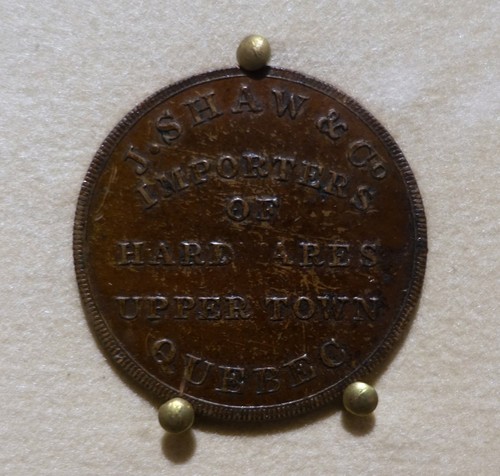
J. Shaw & Co. Hardware Token
circa 1850s
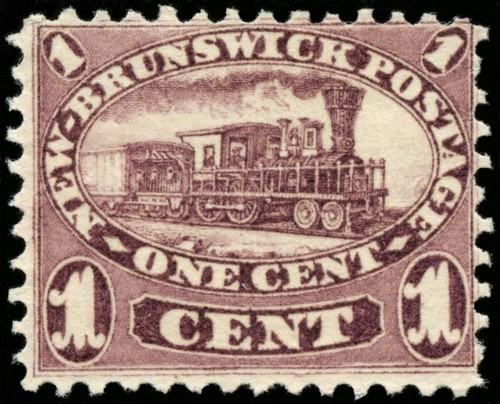
New Brunswick One Cent
Dated 1860 (locomotive token type)
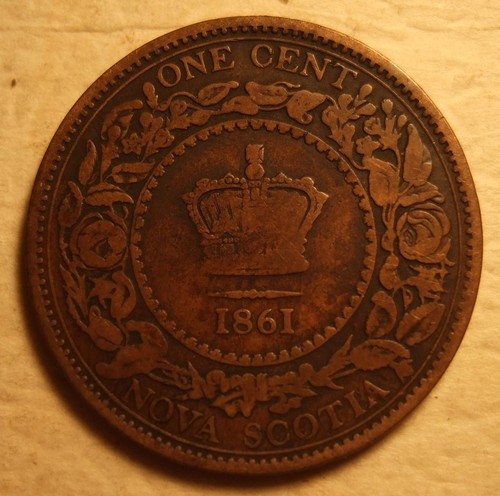
Nova Scotia One Cent
1861-1864
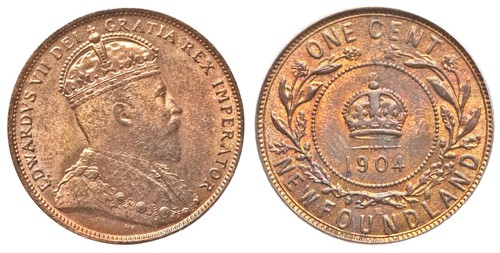
Newfoundland One Cent
1865-1936
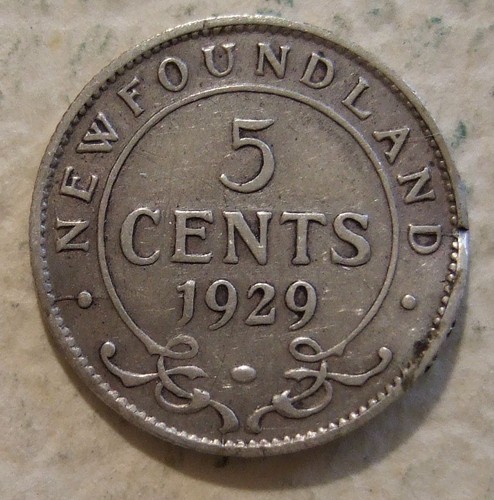
Newfoundland Five Cents
1865-1947
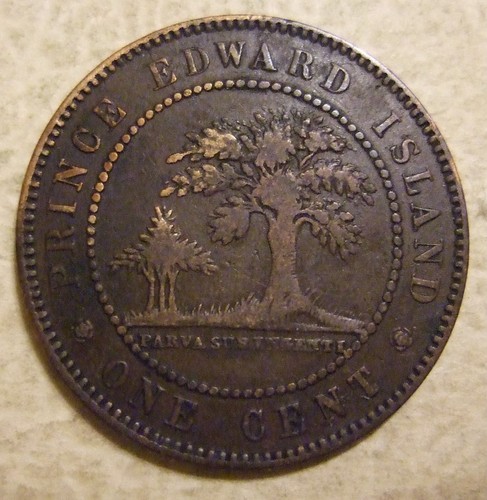
Prince Edward Island One Cent
1871
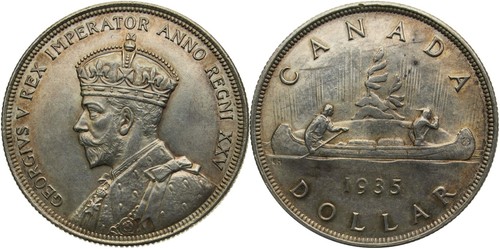
Canadian Silver Dollar
1935
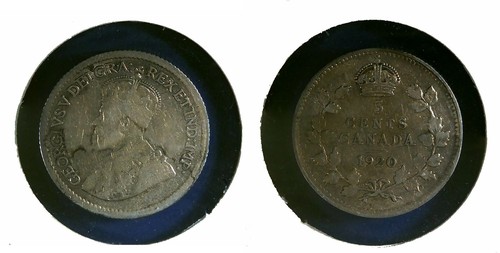
Canadian Five Cents (Nickel)
1937–present (beaver reverse; example shown: 1987)
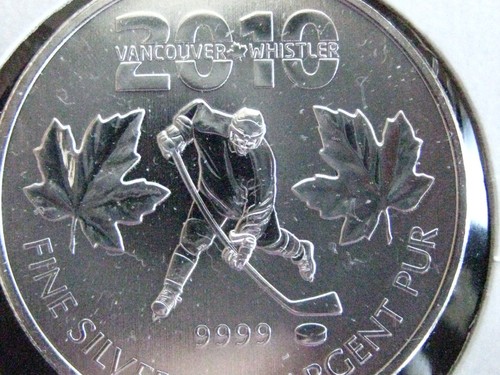
Olympic Hockey Commemorative Dollar
2010
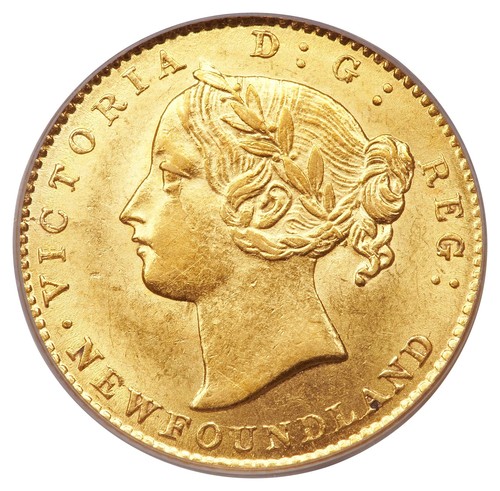
Newfoundland Two Dollars
1865-1888
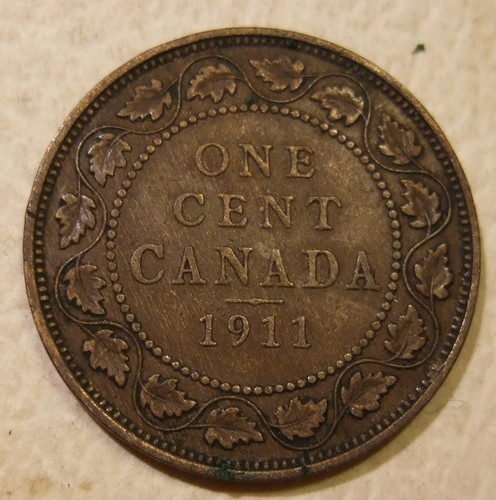
Canadian One Cent
1858-1920 (large cent series); example dated 1911
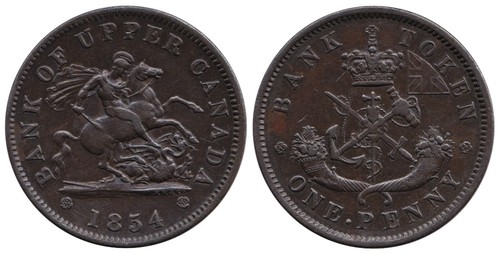
Bank of Upper Canada One Penny Token
1850-1857