
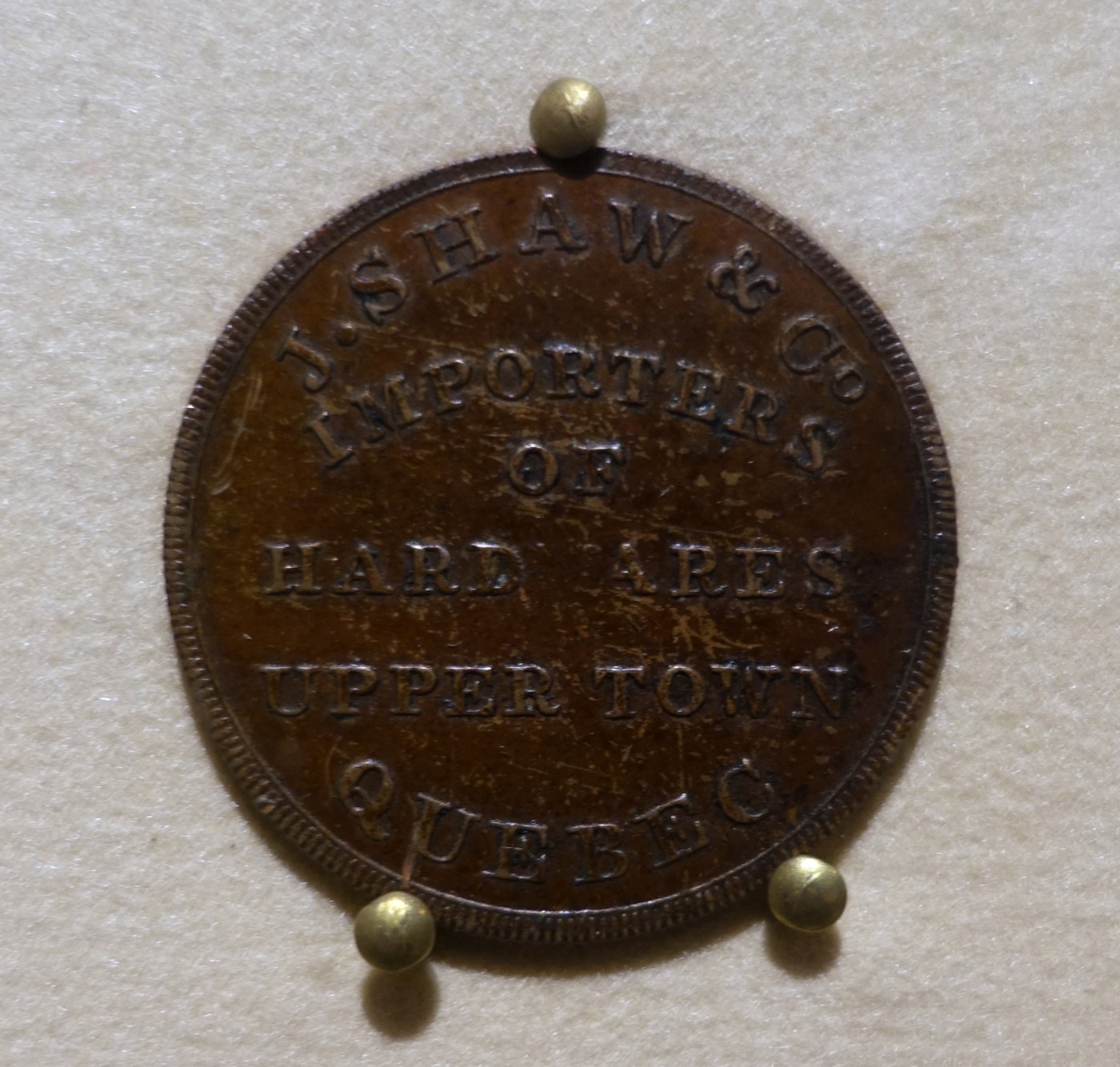
J. Shaw & Co. Hardware Token
Copper halfpenny-sized merchant token advertising J. Shaw & Co., importers of hardware in Upper Town, issued around the 1850s.
- Country
- Canada
- Denomination
- Half-Penny
- Metal
- Copper
Got a coin like this?
Identify any coin from a photo, free.
Overview
The piece shown here is a copper merchant token advertising the firm of J. Shaw & Co., described on the coin as importers of hardware in Upper Town. The obverse carries the inscription J. SHAW & CO IMPORTERS OF HARDWARES UPPER TOWN, while the reverse bears text and merchant marks rather than a monarch's portrait.
Tokens like this belong to the broad family of Canadian and provincial tradesman's tokens that circulated as unofficial small change, passing in trade at the value of a halfpenny. Rather than being struck as government currency, the piece was issued privately to serve both as usable low-value money and as a form of standing advertisement for the merchant's business.
Because it is copper and carries a business name and address instead of a royal design, this token is collected today as a historic advertising and monetary artifact of nineteenth-century Canadian commerce, not as a bullion coin.
History & Background
Through the first half of the nineteenth century the Canadian provinces suffered chronic shortages of official small change. A confusing mix of British, French, American, and Spanish coin circulated, and the gap in everyday copper was filled by a large output of privately issued tokens struck for banks, merchants, and hardware dealers. These pieces passed in trade, most commonly at the value of a halfpenny or a penny.
Upper Town (Haute-Ville) is the historic upper district of Quebec City, and a hardware importer trading there would have been exactly the sort of established retail business that commissioned advertising tokens. Merchants ordered such pieces to keep small change flowing across their counters while stamping their name and trade into the hands of customers. A dating of circa the 1850s places the token in the late phase of this Canadian token era.
The private-token period was gradually wound down as the Province of Canada and, after 1867, the new Dominion introduced a regular decimal coinage. Merchant tokens were superseded by official cents, and pieces such as the J. Shaw & Co. token survive as relics of the era before uniform government coinage took hold.
How to Identify
Identify this token by its advertising inscription rather than a portrait. The obverse legend reads J. SHAW & CO IMPORTERS OF HARDWARES UPPER TOWN, naming the issuing firm, its trade, and its district. The reverse carries text and merchant marks rather than the royal arms or a sovereign's bust seen on regal coinage.
Confirm the physical character: the piece is copper (a brown to reddish-brown, non-magnetic metal) and is halfpenny-sized, in the same size class as the anonymous and bank halfpenny tokens of the period. Read the full legend carefully with a loupe, because the exact spelling, punctuation, and reverse wording are what pin down the specific issuer and distinguish this token from other merchant pieces.
Be cautious about over-attribution. Many Canadian and provincial copper tokens of this era share similar sizes and lettering styles, and the design alone should not be used to assign a precise date or catalogue number. Match the complete inscription against a token reference before drawing firm conclusions.
Value & Collectibility
Merchant advertising tokens of this Canadian type are generally modest in value, though named-merchant pieces can carry a collector premium over the common anonymous halfpennies. Worn examples with legible legends typically trade in the low tens of dollars, while sharp, well-preserved pieces with clear surfaces bring more.
Condition and legibility drive price. A token whose full advertising legend and merchant marks read cleanly, with an even brown patina, is worth a multiple of a corroded, holed, or heavily worn example. Cleaning or polishing reduces value, so original surfaces are preferred. Scarce merchant issuers can command significantly higher figures among specialists in Canadian tokens.
Because the field is large and values vary widely by issuer and grade, treat any figure as indicative only. For a specific piece, seek an opinion from a Canadian-token or colonial-coin specialist before buying, selling, or insuring it.
Frequently asked questions
Is the J. Shaw & Co. token an official coin?
No. It is a privately issued merchant token that circulated unofficially as small change, passing at the value of a halfpenny. It was not struck as government currency.
What was J. Shaw & Co.?
The token identifies the firm as importers of hardware in Upper Town, the historic upper district of Quebec City. The piece served as both usable change and business advertising.
What is the token made of?
It is copper, a base metal, so its value is numismatic and historic rather than based on precious-metal content.
Why does it advertise a business instead of showing a king?
During coin shortages, merchants issued tokens that carried their own name and trade. This both filled the gap in official copper and promoted the firm to everyone who handled the piece.
How much is it worth?
Most examples are modest, in the low tens of dollars, with named-merchant pieces and high grades bringing more. Have a specific token appraised by a Canadian-token specialist.
J. Shaw & Co. Hardware Token guides
In-depth guides for identifying, valuing, and collecting J. Shaw & Co. Hardware Token.
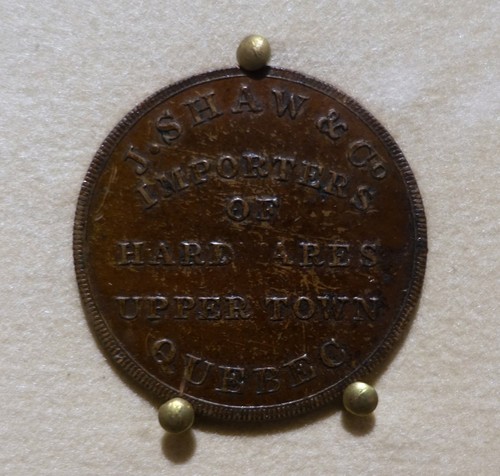
Other coins you may enjoy
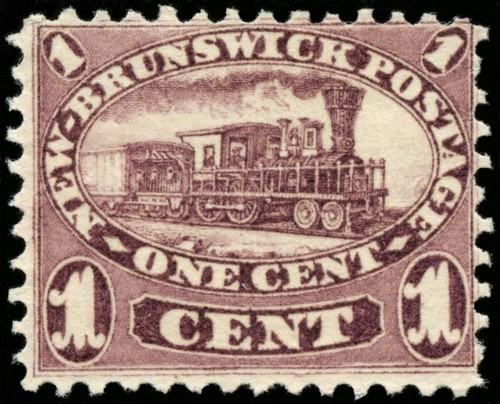
New Brunswick One Cent
Dated 1860 (locomotive token type)
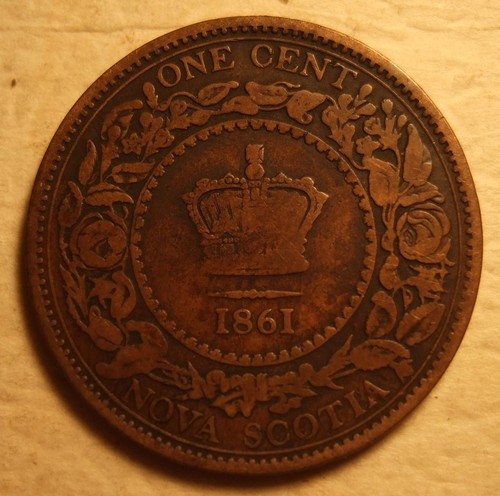
Nova Scotia One Cent
1861-1864
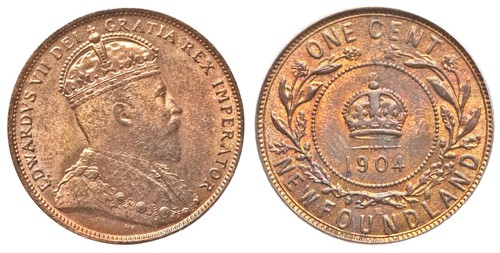
Newfoundland One Cent
1865-1936
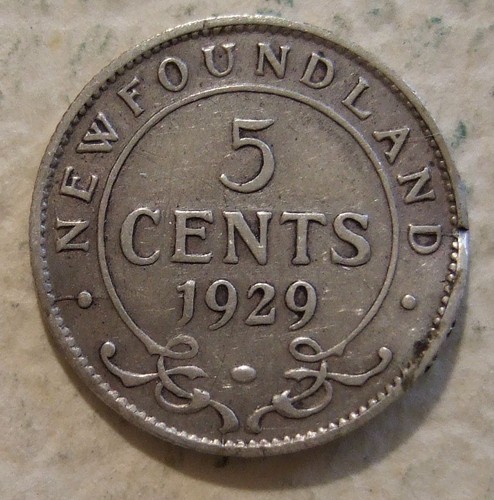
Newfoundland Five Cents
1865-1947
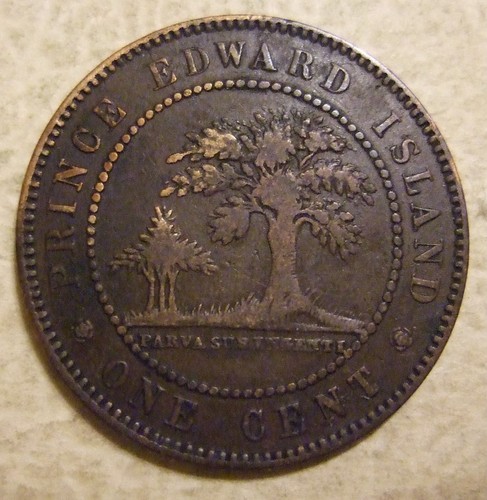
Prince Edward Island One Cent
1871
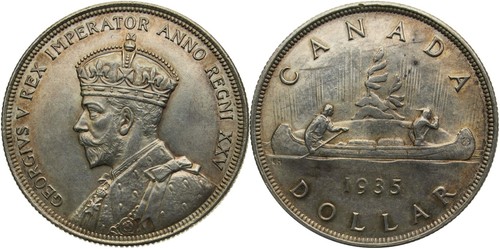
Canadian Silver Dollar
1935
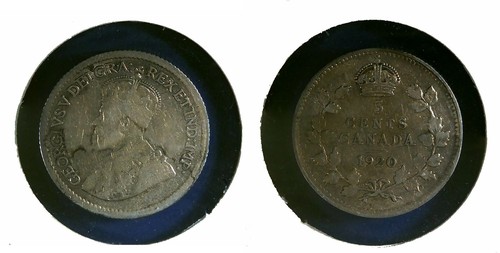
Canadian Five Cents (Nickel)
1937–present (beaver reverse; example shown: 1987)
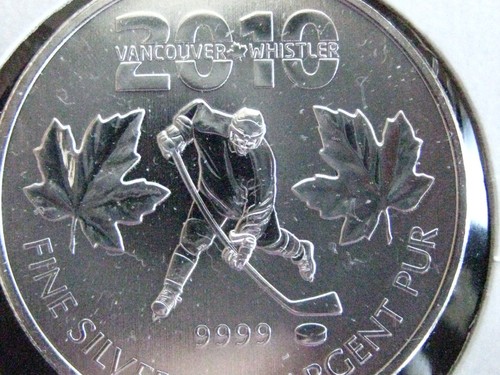
Olympic Hockey Commemorative Dollar
2010
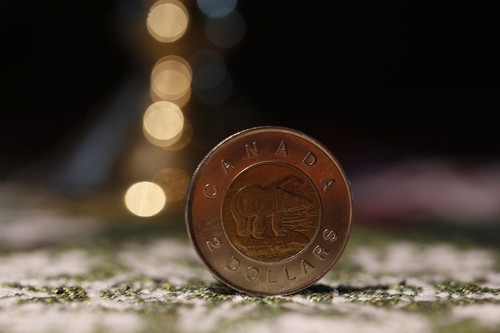
Canadian Two Dollar (Toonie)
1996-present
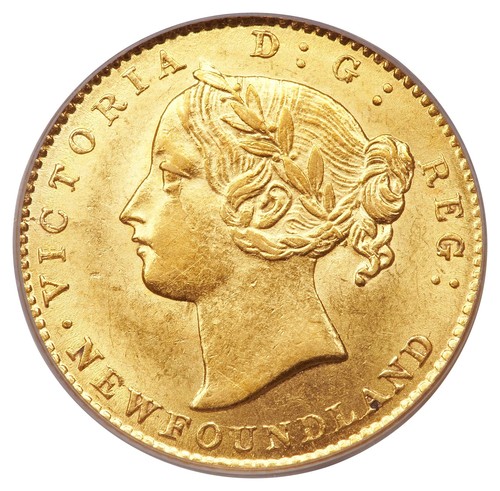
Newfoundland Two Dollars
1865-1888
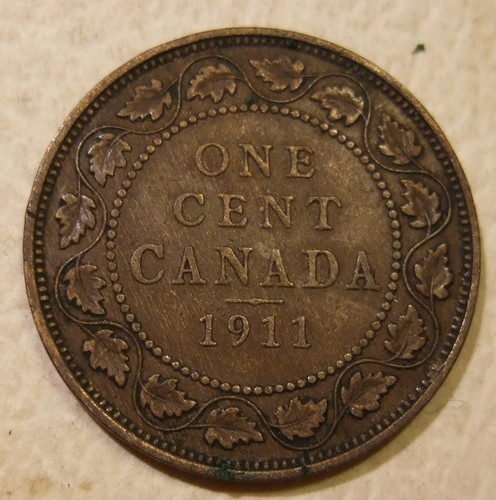
Canadian One Cent
1858-1920 (large cent series); example dated 1911
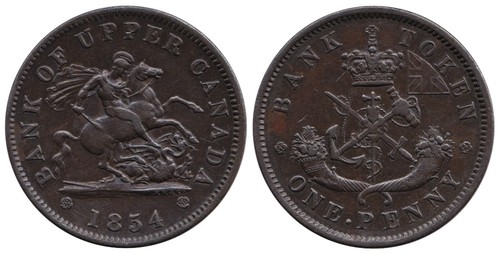
Bank of Upper Canada One Penny Token
1850-1857