
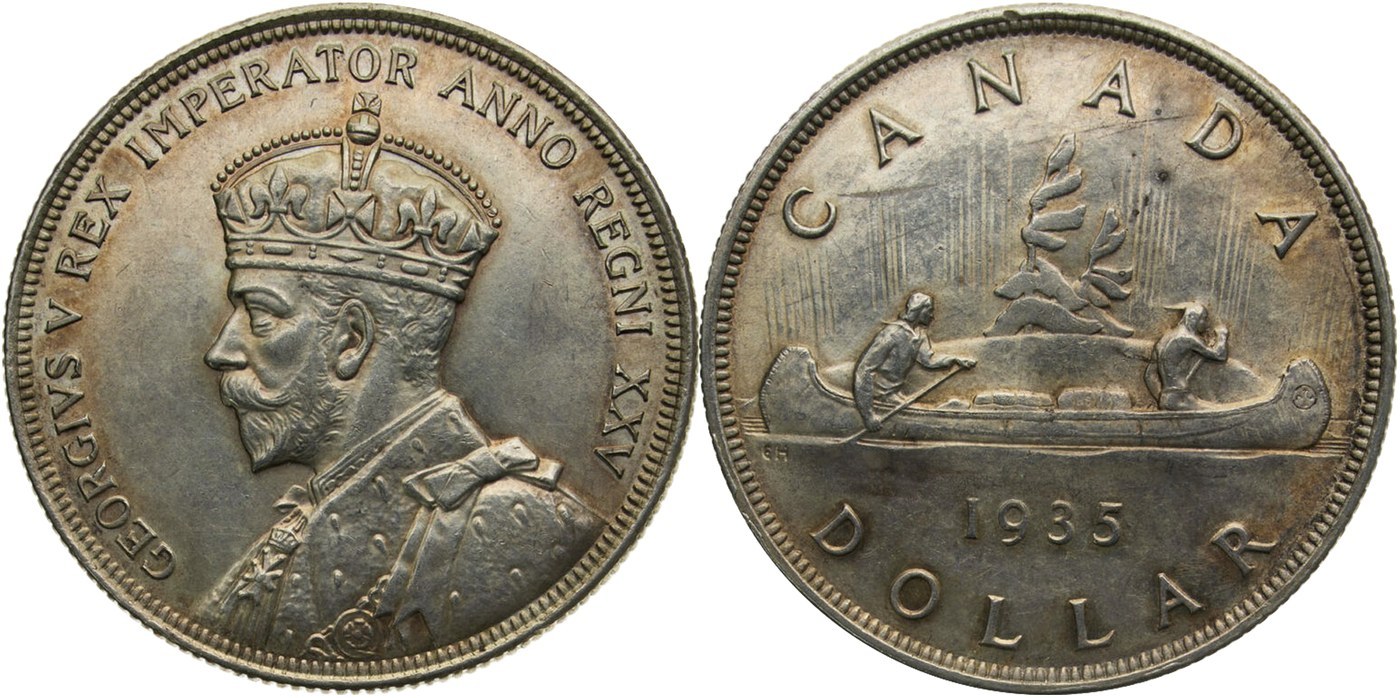
Canadian Silver Dollar
Canada's first circulating silver dollar, the 1935 Voyageur type, showing George V and a canoe with paddlers on the reverse.
- Country
- Canada
- Denomination
- 1 Dollar
- Metal
- Silver
Got a coin like this?
Identify any coin from a photo, free.
Overview
The coin shown here is the 1935 Canadian Silver Dollar, Canada's first silver dollar struck for general circulation. The obverse carries a bearded, left-facing bust of King George V with the Latin legend GEORGVS V REX IMPERATOR ANNO REGNI, marking his twenty-fifth year (Silver Jubilee) on the throne.
The reverse displays the celebrated Voyageur design: a fur-trade canoe paddled by a voyageur and an Indigenous companion, gliding past a rocky islet, with the word CANADA above and DOLLAR and the date 1935 below. This canoe motif, by sculptor Emanuel Hahn, became the enduring signature of the Canadian silver dollar.
Struck in 80% silver at roughly 36 mm across and about 23.3 grams, it is a large, weighty coin. The 1935 issue is a one-year type tied to the Jubilee, and it launched a dollar design that Canada would continue using for decades.
History & Background
Canada had authorised a silver dollar earlier but did not release one for circulation until 1935, when the Royal Canadian Mint issued this coin to coincide with the Silver Jubilee of King George V. The special ANNO REGNI legend on the obverse refers directly to the twenty-fifth year of his reign.
The reverse Voyageur design was created by German-born Canadian sculptor Emanuel Hahn. It evokes the fur-trade era, with two figures paddling a birch-bark-style canoe laden with bundles past a wind-swept islet. The design proved so popular that it was retained on the regular Canadian silver dollar the following year and, apart from occasional commemorative reverses, remained the standard dollar type into the 1980s.
The 1935 dollar is therefore both a commemorative Jubilee piece and the founding coin of a long-running series. It was the last Canadian dollar to bear George V's portrait as the Jubilee-specific obverse; his standard non-Jubilee legend appeared on the 1936 issue before George VI succeeded him.
How to Identify
Confirm the obverse first: a bearded George V facing left, encircled by GEORGVS V REX IMPERATOR ANNO REGNI. The words ANNO REGNI ("in the year of the reign") are specific to the 1935 Jubilee dollar and distinguish it from later George V coinage.
On the reverse, look for the canoe with two paddlers — the Voyageur — with CANADA arched above, and DOLLAR with the year 1935 below. The islet and streaked sky behind the canoe are part of Hahn's original composition.
Check the physical standard as a cross-test: the coin is .800 fine silver, about 23.3 grams, roughly 36 mm in diameter, with a reeded edge. A genuine piece is non-magnetic and rings when struck. The date 1935 identifies the first, Jubilee-legend year of the type.
Value & Collectibility
The 1935 dollar contains a little over half a troy ounce of pure silver, so even a well-worn example carries a solid silver-bullion floor that rises and falls with the silver price. Circulated pieces typically trade at a modest premium over that melt value.
As a first-year, single-year type, the 1935 dollar also carries collector demand. Clean, lightly worn coins bring a premium over bullion, and fully uncirculated or attractively toned examples can sell for substantially more. Condition, original luster, and eye appeal drive most of the difference.
Because silver prices move daily and grade heavily affects price, treat any figure as indicative only. For a specific coin, weigh it, confirm the diameter, and seek a written opinion from a reputable dealer or a third-party grading service before buying, selling, or insuring.
Frequently asked questions
Is the 1935 Canadian dollar real silver?
Yes. It is struck in .800 fine silver (80% silver, 20% copper), weighs about 23.3 grams, and contains a little over half a troy ounce of pure silver.
Why does the obverse say ANNO REGNI?
The 1935 dollar marked the Silver Jubilee, the twenty-fifth year of George V's reign. ANNO REGNI means "in the year of the reign" and is specific to this Jubilee issue.
What is the design on the back?
It is the Voyageur, a canoe paddled by a voyageur and an Indigenous companion past a small islet, designed by sculptor Emanuel Hahn. It became the classic Canadian silver dollar motif.
Was 1935 the first Canadian silver dollar?
For circulation, yes. The 1935 Jubilee dollar was Canada's first silver dollar issued for general use, and the Voyageur design continued on the dollar in the years that followed.
How much is a 1935 silver dollar worth?
Worn examples trade near their silver value, while cleaner and uncirculated coins bring a collector premium. Silver prices and grade both matter, so have a specific coin appraised.
Canadian Silver Dollar guides
In-depth guides for identifying, valuing, and collecting Canadian Silver Dollar.
Other coins you may enjoy
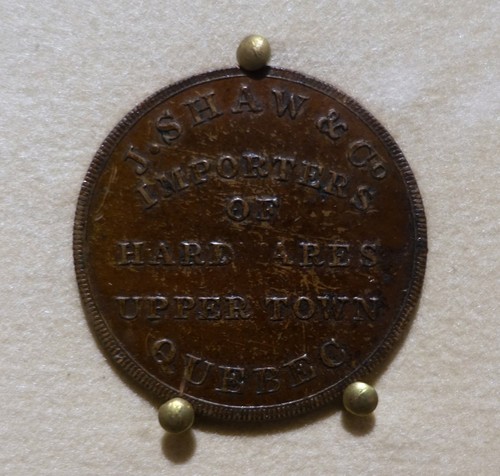
J. Shaw & Co. Hardware Token
circa 1850s
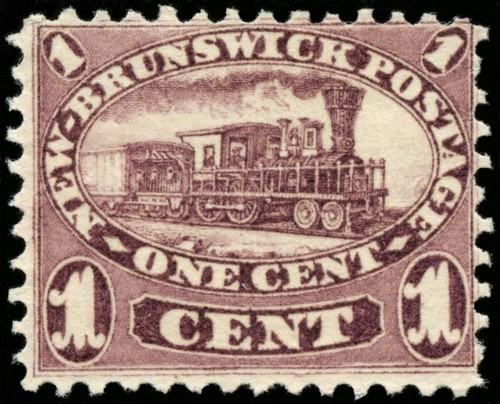
New Brunswick One Cent
Dated 1860 (locomotive token type)
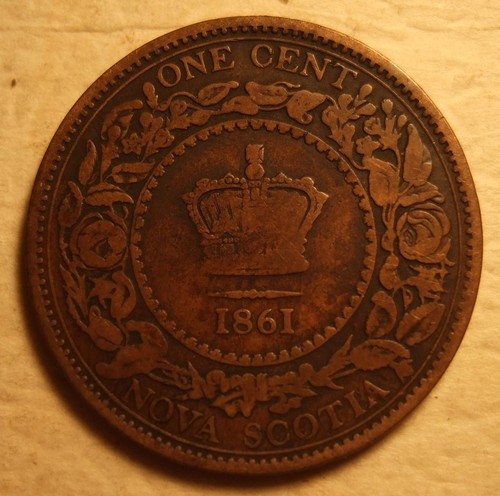
Nova Scotia One Cent
1861-1864
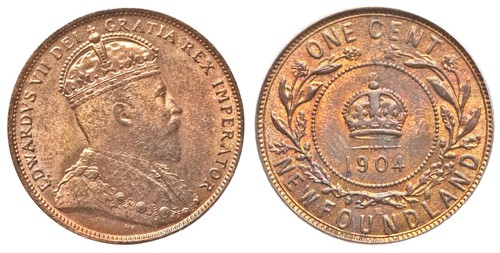
Newfoundland One Cent
1865-1936
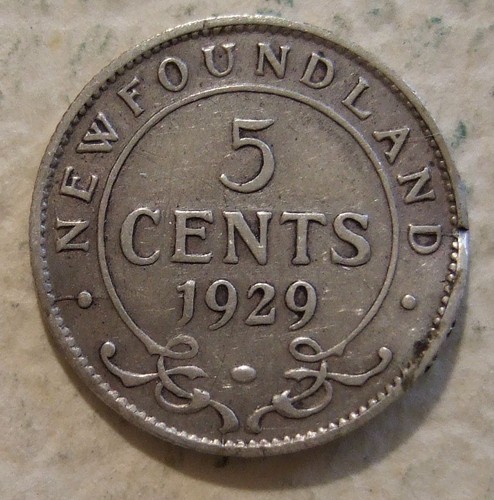
Newfoundland Five Cents
1865-1947
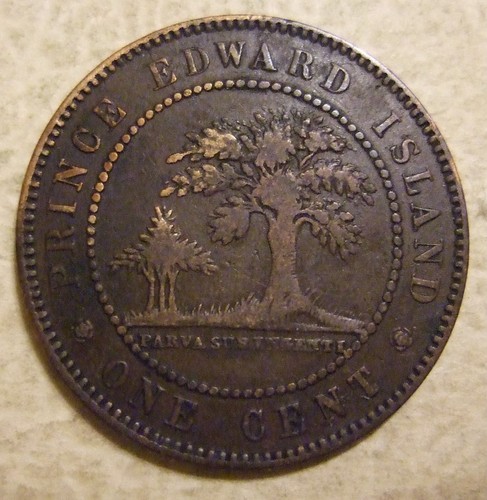
Prince Edward Island One Cent
1871
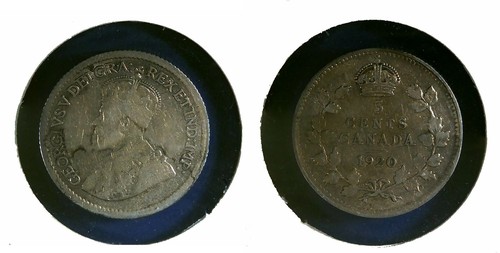
Canadian Five Cents (Nickel)
1937–present (beaver reverse; example shown: 1987)
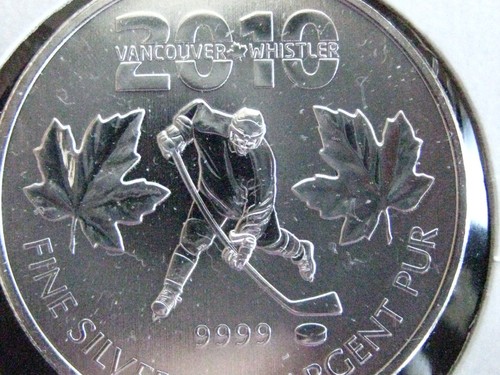
Olympic Hockey Commemorative Dollar
2010
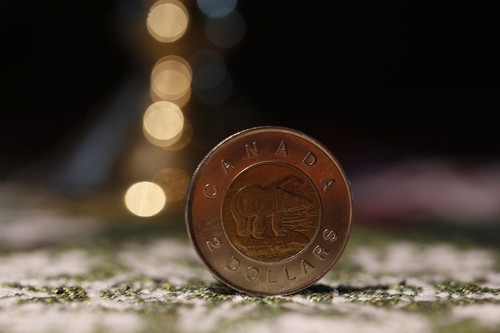
Canadian Two Dollar (Toonie)
1996-present
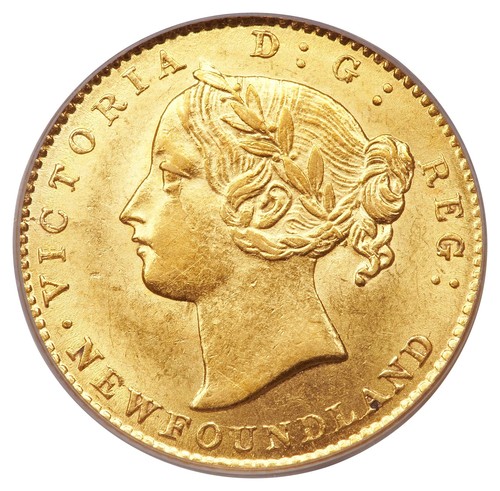
Newfoundland Two Dollars
1865-1888
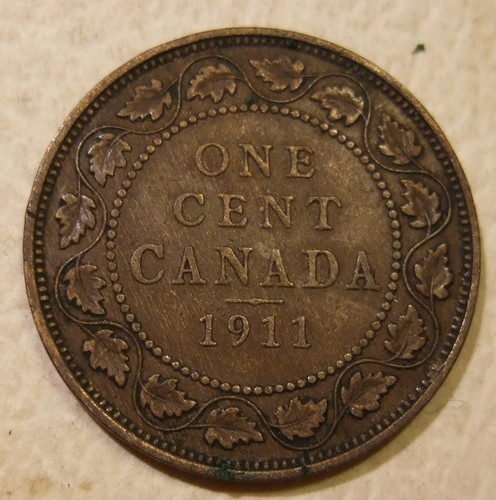
Canadian One Cent
1858-1920 (large cent series); example dated 1911
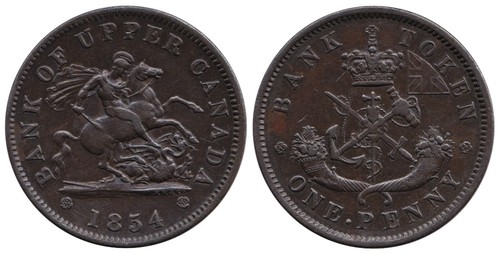
Bank of Upper Canada One Penny Token
1850-1857