
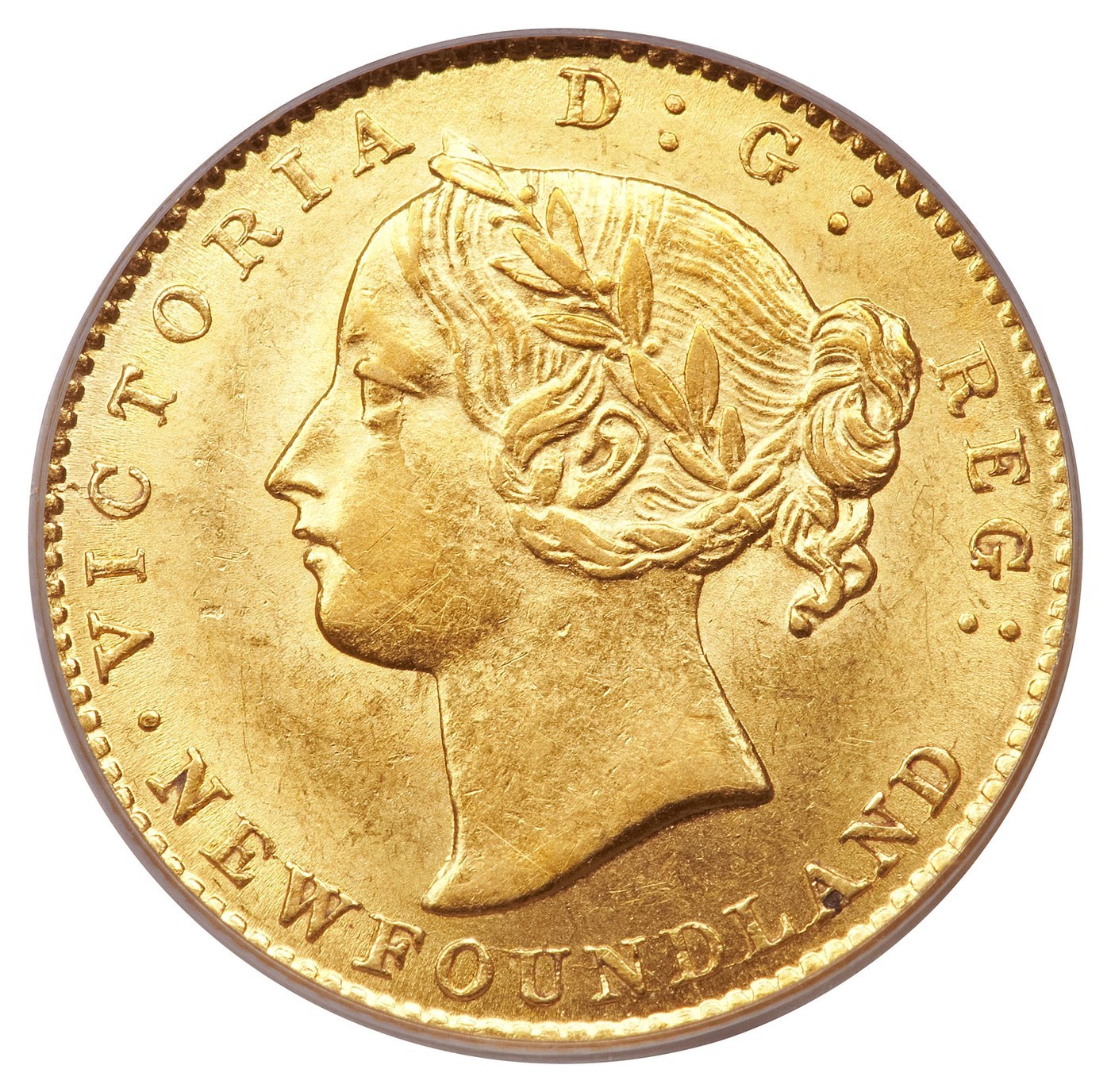
Newfoundland Two Dollars
Small gold two-dollar coin of the colony of Newfoundland; the only circulating coin ever denominated in dollars, cents, and pence together.
- Country
- Newfoundland
- Denomination
- 2 Dollars
- Metal
- Gold
Got a coin like this?
Identify any coin from a photo, free.
Overview
The Newfoundland Two Dollars is a small gold coin issued by the British colony of Newfoundland. The example shown here has the obverse portrait of Queen Victoria facing left with the legend VICTORIA D.G. REGINA, dated 1870. It is a genuine circulating gold piece, not a commemorative or pattern.
The coin is unusual for stating its value three ways. The reverse carries TWO DOLLARS, TWO HUNDRED CENTS, and ONE HUNDRED PENCE, reflecting Newfoundland's decimal dollar alongside the sterling system still used for trade. This makes it the only regular-issue coin to bear a value in dollars, cents, and pence at the same time.
It is a physically tiny gold coin, roughly 18 mm across and weighing a little over 3 grams, containing well under a fifth of a troy ounce of gold. Small size and modest total mintage make surviving examples popular with collectors of British North American and Commonwealth gold.
History & Background
Newfoundland adopted a decimal currency in the 1860s and, unlike the mainland Canadian provinces, chose to strike its own gold coin. The two-dollar piece was authorised as part of this new coinage and first appeared in 1865. It was produced only in a handful of years across its life: 1865, 1870, 1872, 1880, 1881, 1882, 1885, and 1888.
Most issues were struck at the Royal Mint in London, while the 1882 coins were produced under contract by the Heaton Mint in Birmingham and carry an H mint mark. The coin's triple denomination reflected Newfoundland's position between the North American dollar and the British sterling world: two Newfoundland dollars were reckoned as two hundred cents and, by the colony's rating, one hundred pence sterling.
The series ended in 1888, and Newfoundland struck no further gold. The colony continued to issue silver and bronze coinage until it joined Canada in 1949, but the two-dollar gold piece remains its only gold denomination.
How to Identify
The obverse shows Queen Victoria's head facing left encircled by VICTORIA D.G. REGINA. Victoria was the only monarch to appear on this denomination, so every genuine example carries her portrait. The date on the coin illustrated is 1870.
The defining feature is the reverse legend. Look for the three-line statement of value: TWO DOLLARS with TWO HUNDRED CENTS and ONE HUNDRED PENCE, together with the word NEWFOUNDLAND and the date. No other circulating coin combines these three units.
The coin is small gold, about 18 mm in diameter and roughly 3.3 grams in weight, struck in the standard 22-carat gold alloy. Check for a mint mark: an H below the date marks the 1882 Heaton Mint issue, while coins without it were struck at the Royal Mint in London.
Value & Collectibility
The Newfoundland Two Dollars carries a numismatic premium well above its small gold content, which is under a fifth of a troy ounce. Because total mintages were modest and the coin is widely collected, even worn examples generally sell for a multiple of melt value.
Price depends strongly on date and condition. More available years in circulated grades sit at the lower end, while scarce dates and high-grade, lustrous examples command substantial premiums. Certified pieces in mint state can reach into the thousands at specialist sale.
Because this is a scarce, sought-after gold coin, values here are indicative only and counterfeits exist. For a specific coin, obtain an opinion from a reputable dealer or a third-party grading service before buying, selling, or insuring it.
Frequently asked questions
Why does the Newfoundland Two Dollars show dollars, cents, and pence?
Newfoundland used a decimal dollar but still valued goods in British sterling, so the reverse states the coin's worth three ways: TWO DOLLARS, TWO HUNDRED CENTS, and ONE HUNDRED PENCE. It is the only circulating coin to do so.
Is the Newfoundland Two Dollars real gold?
Yes. It is a small gold coin struck in the standard 22-carat gold alloy, weighing a little over 3 grams and measuring about 18 mm across.
What years was it made?
It was struck in only eight years: 1865, 1870, 1872, 1880, 1881, 1882, 1885, and 1888. The 1870 date on this example is one of the earlier issues.
Did any other monarch appear on this coin?
No. Queen Victoria is the only ruler on the Newfoundland two-dollar gold piece; the denomination was discontinued in 1888, during her reign.
How much is a Newfoundland Two Dollars worth?
It trades well above its gold value because of its scarcity and collector demand. Common dates in worn grades cost less, while scarce dates and mint-state coins can reach into the thousands. Have a specific coin appraised.
Newfoundland Two Dollars guides
In-depth guides for identifying, valuing, and collecting Newfoundland Two Dollars.
Other coins you may enjoy
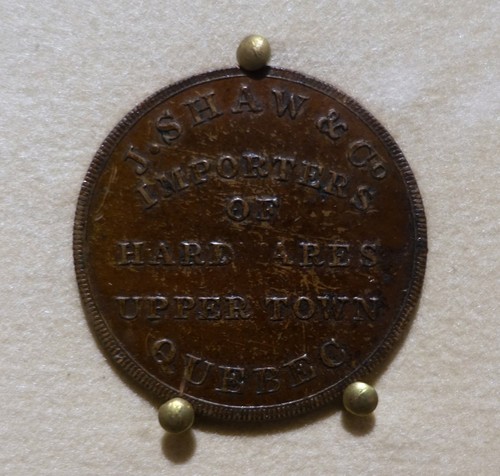
J. Shaw & Co. Hardware Token
circa 1850s
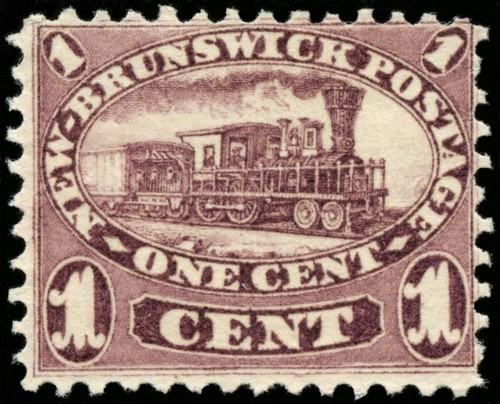
New Brunswick One Cent
Dated 1860 (locomotive token type)
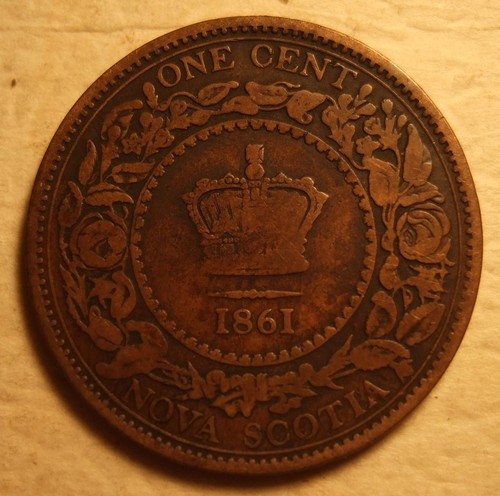
Nova Scotia One Cent
1861-1864
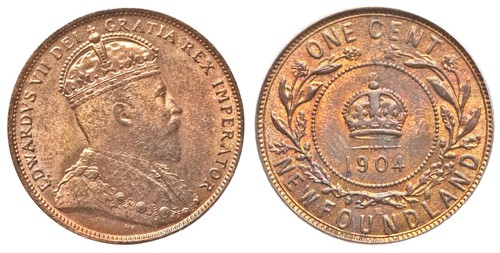
Newfoundland One Cent
1865-1936
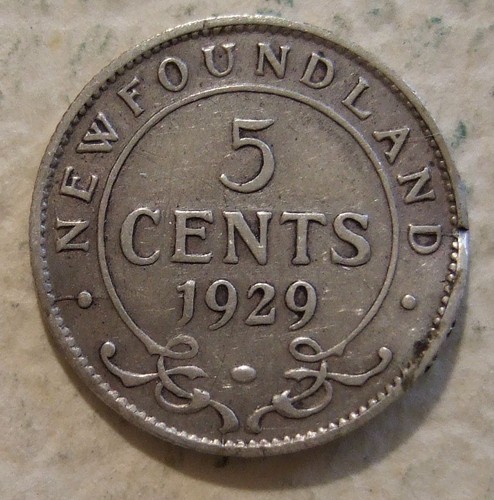
Newfoundland Five Cents
1865-1947
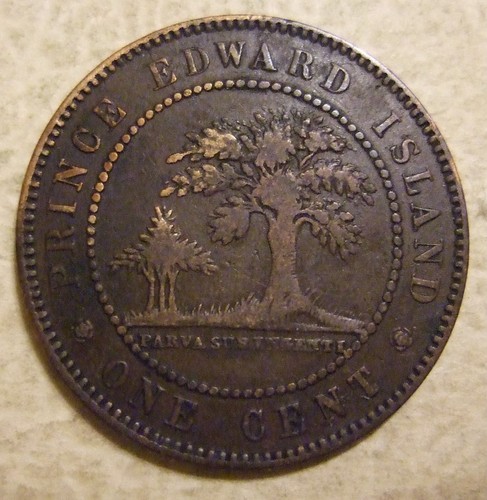
Prince Edward Island One Cent
1871
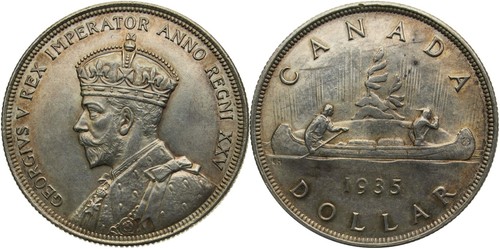
Canadian Silver Dollar
1935
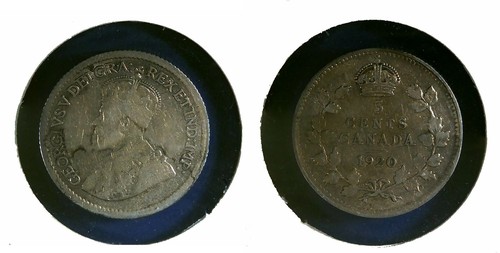
Canadian Five Cents (Nickel)
1937–present (beaver reverse; example shown: 1987)
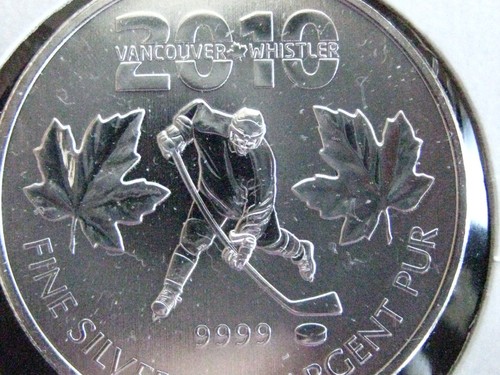
Olympic Hockey Commemorative Dollar
2010
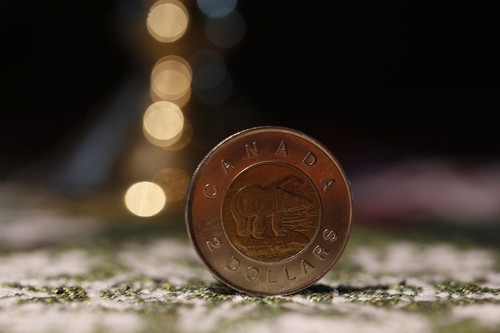
Canadian Two Dollar (Toonie)
1996-present
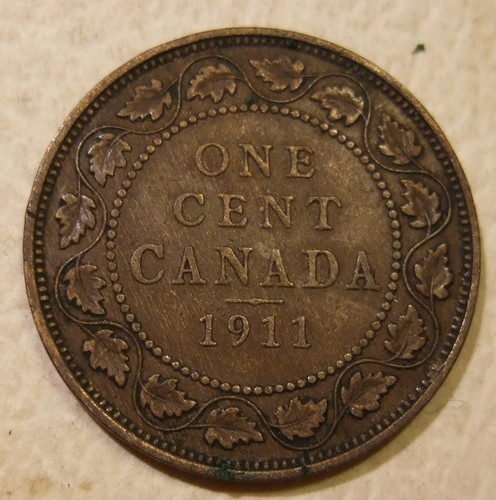
Canadian One Cent
1858-1920 (large cent series); example dated 1911
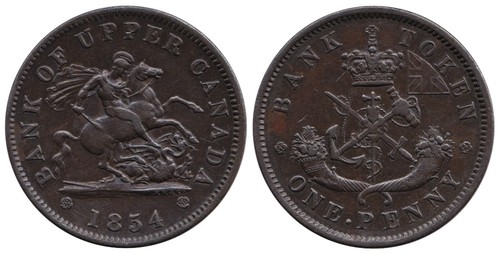
Bank of Upper Canada One Penny Token
1850-1857