
Nova Scotia One Cent
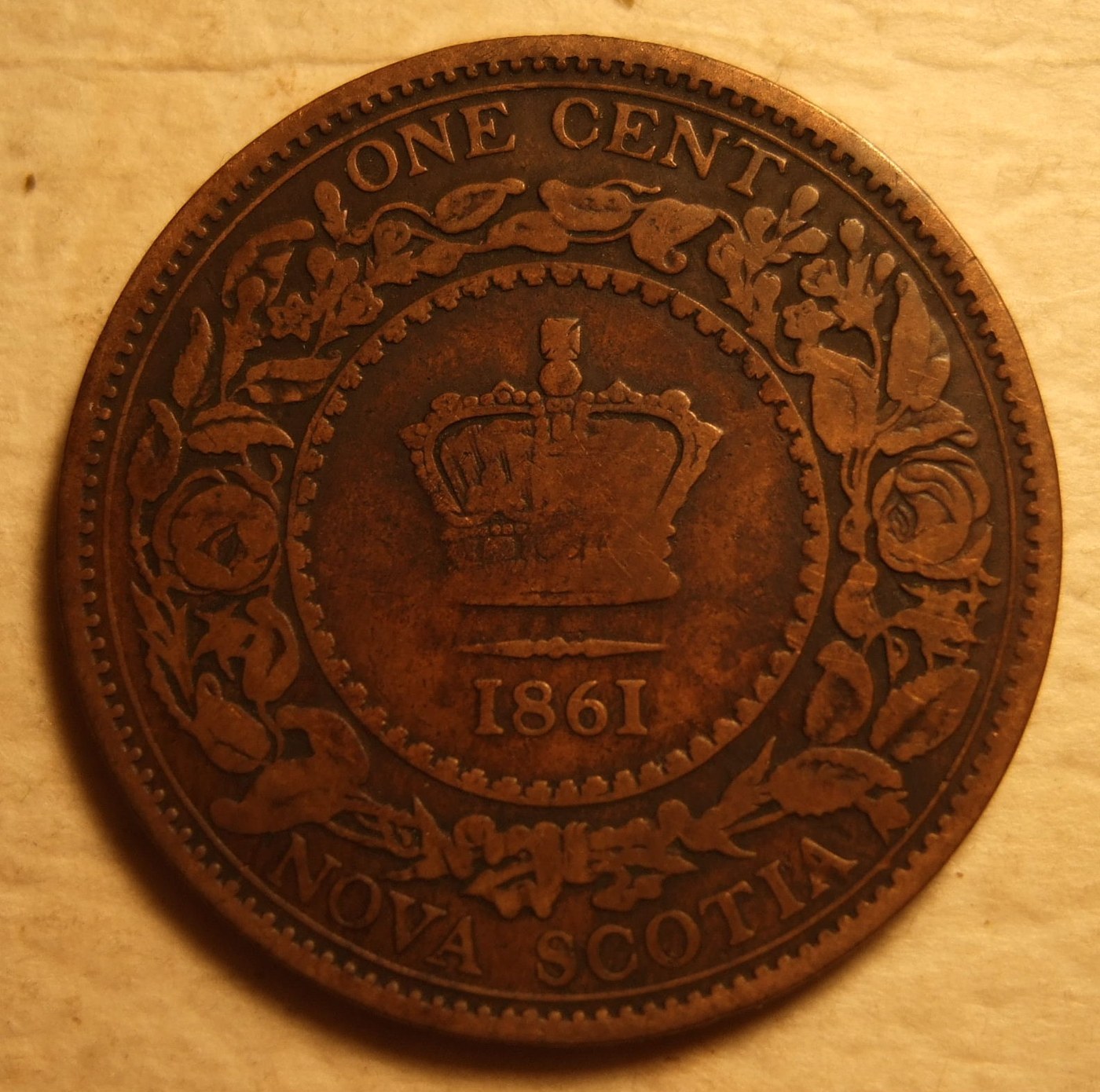
Bronze one-cent coin of the colony of Nova Scotia, with a crowned Queen Victoria obverse and a crown-and-maple-leaves reverse.
- Country
- Nova Scotia
- Denomination
- 1 Cent
- Metal
- Copper
Got a coin like this?
Identify any coin from a photo, free.
Overview
The Nova Scotia One Cent is a colonial coin struck for the British province of Nova Scotia before it joined the Canadian Confederation. The example shown here is dated 1861 and carries a right-facing, crowned portrait of Queen Victoria on the obverse, encircled by a floral wreath and the legends NOVA SCOTIA and ONE CENT.
The reverse pairs a central crown with maple leaves to either side, all inside a beaded circle. This crown-and-leaves motif ties the coin to its British colonial roots while nodding to the maple symbolism that would later become a hallmark of Canadian coinage.
Struck in bronze (a copper alloy), the piece is a large, single-denomination cent about the size of a British halfpenny. It circulated as small change in the colony and remains a popular, affordable entry point into pre-Confederation Canadian numismatics.
History & Background
Before Confederation, the individual British North American colonies issued their own coinage. Nova Scotia adopted a decimal cent system and, in 1861, began striking its own bronze one-cent and half-cent pieces at the Royal Mint in London under Queen Victoria.
The one-cent coin was produced for only a short span, with issues dated 1861 and 1864. It replaced the earlier patchwork of tokens and foreign coppers that had served the colony's everyday commerce, giving Nova Scotia a uniform, officially sanctioned small-denomination coin.
Nova Scotia entered the Canadian Confederation in 1867, and its provincial coinage was soon superseded by the unified coinage of the Dominion of Canada. As a result, the Nova Scotia cent had a brief life but survives today as a tangible relic of the colonial period just before Canada was formed.
How to Identify
Confirm the legends first. A genuine Nova Scotia cent reads NOVA SCOTIA and ONE CENT around a crowned bust of Queen Victoria facing right, framed by a floral wreath. The crowned portrait distinguishes it from the bare-headed Victoria used on some other provincial issues.
The reverse is the clincher: a crown at center flanked by maple leaves, enclosed by a beaded circle, with the date below. On the coin shown, that date is 1861. Only 1861 and 1864 dates exist for this type.
The coin is bronze, roughly 25 mm in diameter and around 5-6 grams in weight, with a plain (non-reeded) edge. Its warm brown copper tone, large-cent size, and the distinctive crowned-Victoria-and-maple pairing separate it from the smaller, later Dominion of Canada cents and from the New Brunswick cent, which shares a similar reverse but reads NEW BRUNSWICK.
Value & Collectibility
Most Nova Scotia one-cent coins are affordable in circulated grades, trading from a few dollars up to modest premiums as condition improves. Well-worn examples are common and inexpensive, while sharp, problem-free pieces command more.
Value rises steeply for the coin in high, uncirculated grades, and especially for pieces retaining original red mint color, which are scarce for any 19th-century bronze coin. Certain die varieties are also sought after by specialists.
Because condition, color, and variety drive price so strongly, treat any single figure as indicative only. For an accurate valuation of a specific coin, compare it against recent sales of the same date and grade, or seek an opinion from a reputable dealer or third-party grading service.
Frequently asked questions
What years was the Nova Scotia One Cent made?
Only two dates exist for this type: 1861 and 1864. The coin shown here is dated 1861, the first year of issue.
What is the Nova Scotia One Cent made of?
It is struck in bronze, a copper-based alloy, giving it the warm brown tone typical of 19th-century large cents. It is not made of pure copper.
Why does it show a crown and maple leaves?
The crown reflects Nova Scotia's status as a British colony under Queen Victoria, while the maple leaves echo the emerging Canadian symbolism later adopted on Dominion of Canada coinage.
Is a Nova Scotia cent the same as a Canadian cent?
No. It was issued by the colony of Nova Scotia before it joined Confederation in 1867. After that, unified Dominion of Canada cents replaced the provincial coinage.
How much is a Nova Scotia One Cent worth?
Circulated examples are usually inexpensive, while high-grade pieces with original red color or scarce varieties bring much more. Have a specific coin appraised for an accurate figure.
Nova Scotia One Cent guides
In-depth guides for identifying, valuing, and collecting Nova Scotia One Cent.
Other coins you may enjoy
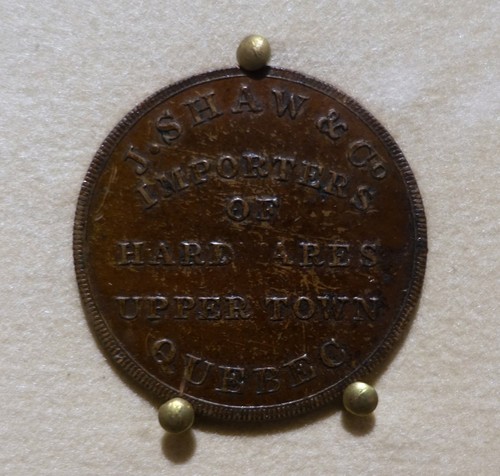
J. Shaw & Co. Hardware Token
circa 1850s
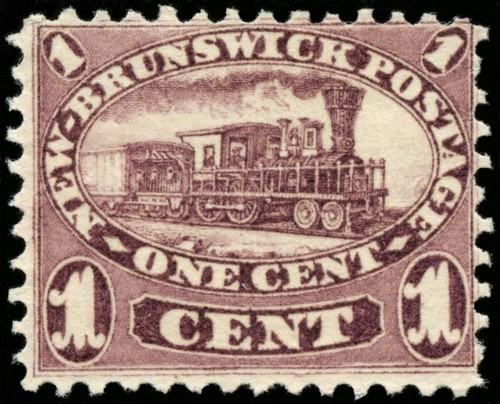
New Brunswick One Cent
Dated 1860 (locomotive token type)
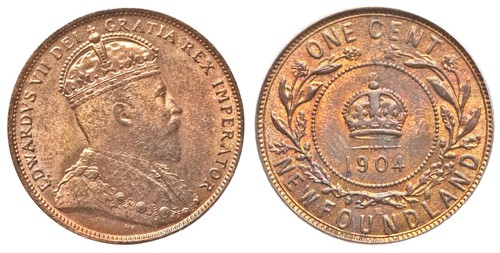
Newfoundland One Cent
1865-1936
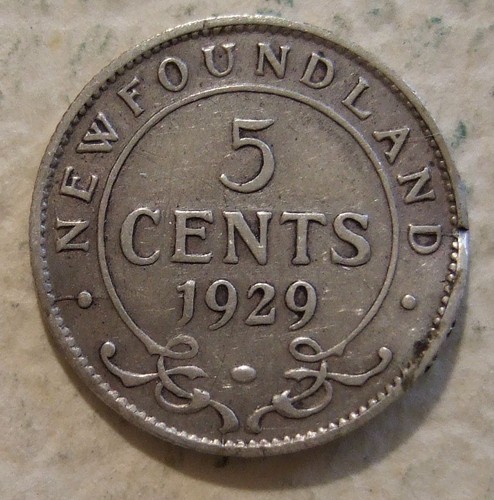
Newfoundland Five Cents
1865-1947
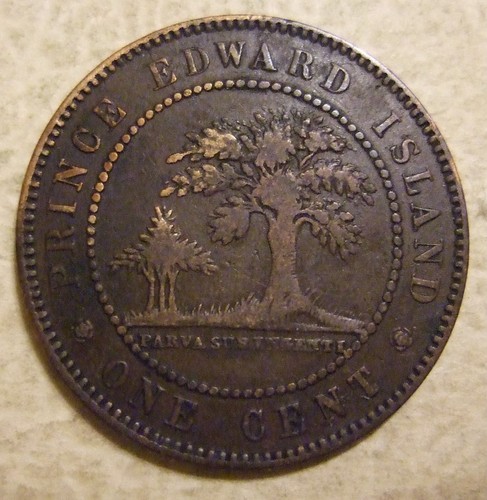
Prince Edward Island One Cent
1871
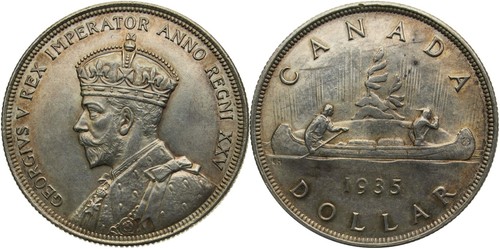
Canadian Silver Dollar
1935
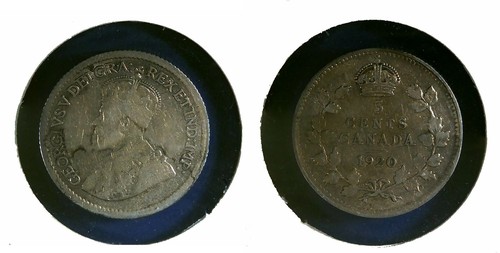
Canadian Five Cents (Nickel)
1937–present (beaver reverse; example shown: 1987)
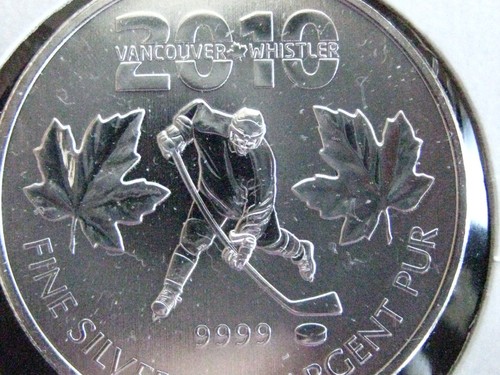
Olympic Hockey Commemorative Dollar
2010
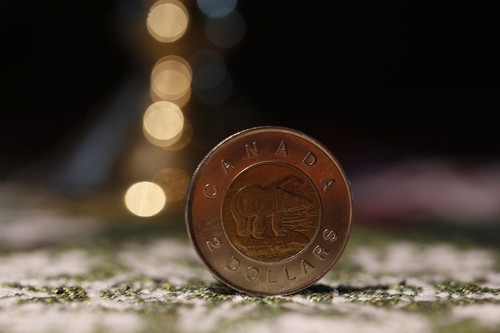
Canadian Two Dollar (Toonie)
1996-present
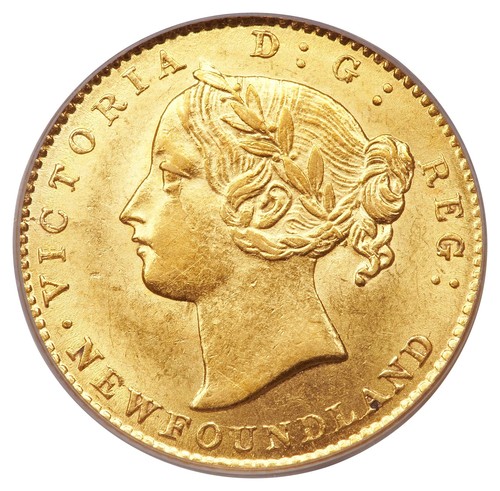
Newfoundland Two Dollars
1865-1888
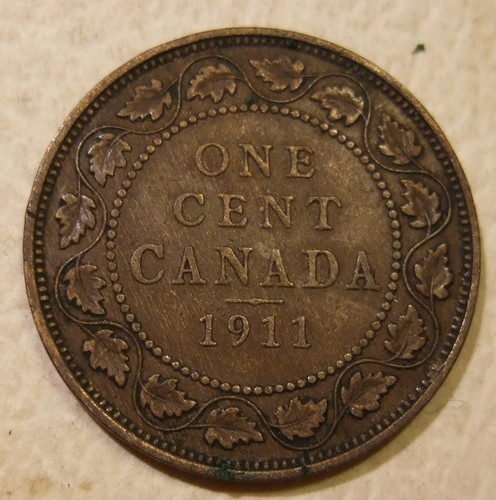
Canadian One Cent
1858-1920 (large cent series); example dated 1911
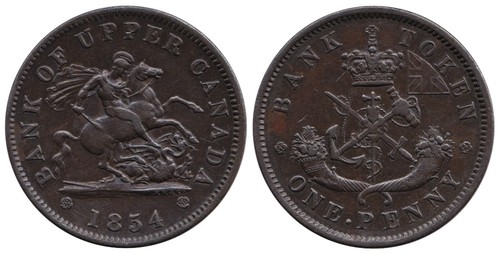
Bank of Upper Canada One Penny Token
1850-1857