
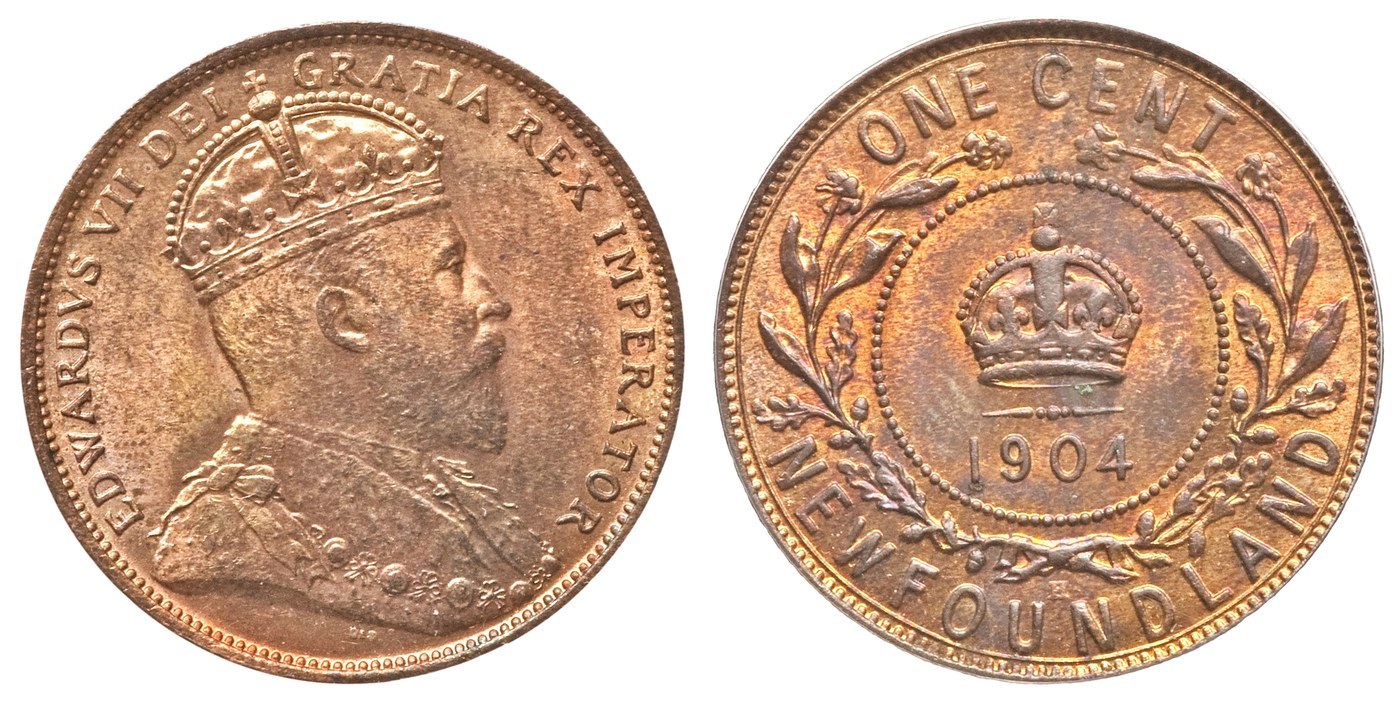
Newfoundland One Cent
Bronze large cent of the colony of Newfoundland; the example shown is a 1904 issue with Edward VII's profile and a wreath reverse.
- Country
- Newfoundland
- Denomination
- 1 Cent
- Metal
- Bronze
Got a coin like this?
Identify any coin from a photo, free.
Overview
The Newfoundland One Cent is a bronze coin struck for the British colony (later Dominion) of Newfoundland, which issued its own currency separate from Canada until it joined Confederation in 1949. The example shown carries the right-facing profile of King Edward VII on the obverse and a wreath enclosing the denomination on the reverse, dated 1904.
This is a large cent, close in size to the contemporary British penny and the Canadian large cent, measuring roughly 25.5 mm across and weighing about 5.67 grams. The reverse reads ONE CENT and NEWFOUNDLAND within a wreath, with the date below, while the obverse legend surrounds the King's bare head.
Because Newfoundland was a small jurisdiction, its coins were produced in modest numbers compared with British or Canadian issues, which gives the whole series a distinct collector following separate from mainstream Canadian coinage.
History & Background
Newfoundland began issuing its own decimal coinage in 1865, and the one cent was part of that system. Under Queen Victoria the bronze large cent was struck across several dates, and the design carried forward through the reigns of Edward VII, George V, and into the 1930s.
The 1904 cent shown here belongs to the short Edward VII series (struck in 1904, 1907, 1908 and 1909). The King's portrait was engraved by George W. de Saulles, and coins of this period were produced at the Royal Mint in London and, for the 1904 issue, at the Heaton Mint in Birmingham, whose work is marked with a small H.
Newfoundland's large cent continued under George V until 1936, after which a smaller cent was introduced later in the 1930s. Newfoundland kept issuing its own coins until it entered Confederation with Canada in 1949, ending its separate coinage.
How to Identify
Read the reverse first. A wreath enclosing the words ONE CENT and NEWFOUNDLAND with a date below marks this as a Newfoundland cent, not a Canadian or British one. The obverse shows a right-facing bare head of Edward VII with a Latin legend such as EDWARDVS VII DEI GRATIA REX IMPERATOR. The date on the example is 1904.
Confirm the physical standard: a genuine large cent is bronze, about 5.67 g in weight, roughly 25.5 mm in diameter, with a plain (non-reeded) edge. It is non-magnetic and brown in colour, though it may show reddish original surfaces when little worn.
Check for a mint mark. The 1904 cent struck at the Heaton Mint carries a small H on the reverse, below the date; Royal Mint strikings of other years have no letter. Identify the reign by the portrait: Edward VII faces right and is bare-headed, distinguishing this type from the bearded Victoria and the later George V cents.
Value & Collectibility
Newfoundland cents were made in small quantities, so the series carries more collector interest than the common Canadian large cent, but most circulated examples remain affordable. Value is driven chiefly by date, condition, and colour; the coin is base bronze with no bullion content.
A well-worn 1904 cent is a modest, accessible coin, while examples with sharp detail and original red-brown surfaces command a clear premium. Certain dates and varieties across the wider Victoria-to-George V series are notably scarcer and worth considerably more, and high-grade uncirculated pieces sit at the top of the range.
Because grade makes such a large difference, treat any single figure as indicative only. For a specific coin, compare it with recent sales of the same date and grade or consult a reputable dealer before buying, selling, or insuring it.
Frequently asked questions
Is the Newfoundland One Cent a Canadian coin?
Not originally. Newfoundland was a separate British colony and dominion with its own coinage until it joined Canada in 1949, so these cents were issued for Newfoundland, not Canada.
What is the coin made of?
Bronze, an alloy of copper with a little tin and zinc. It has a brown colour when worn and contains no precious metal.
Who is on the 1904 cent?
King Edward VII, shown bare-headed and facing right, with a Latin legend naming him as king and emperor. His cents were struck in 1904, 1907, 1908 and 1909.
What does the H mean on some 1904 cents?
It is the mint mark of the Heaton Mint in Birmingham, which struck the 1904 issue. Coins without the H were made at the Royal Mint in London.
How much is a Newfoundland one cent worth?
Most circulated examples are inexpensive, with value rising for higher grades, original red surfaces, and scarcer dates. Have a specific coin appraised for an accurate figure.
Newfoundland One Cent guides
In-depth guides for identifying, valuing, and collecting Newfoundland One Cent.
Other coins you may enjoy
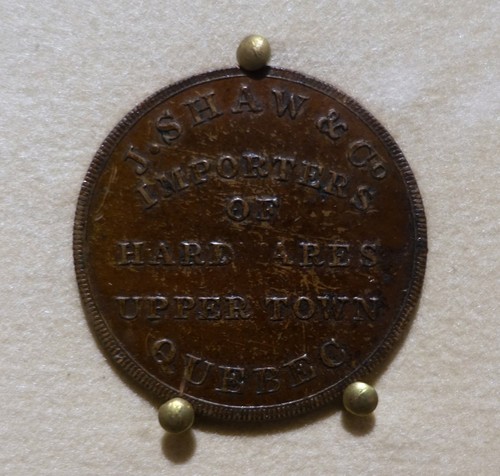
J. Shaw & Co. Hardware Token
circa 1850s
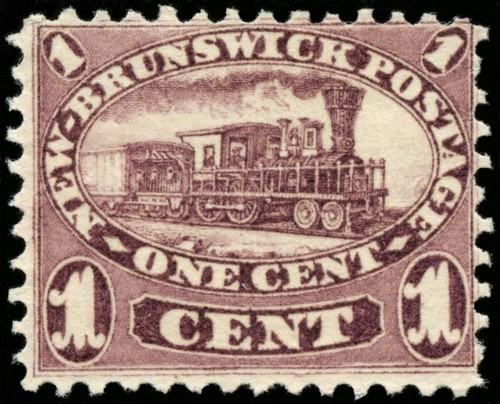
New Brunswick One Cent
Dated 1860 (locomotive token type)
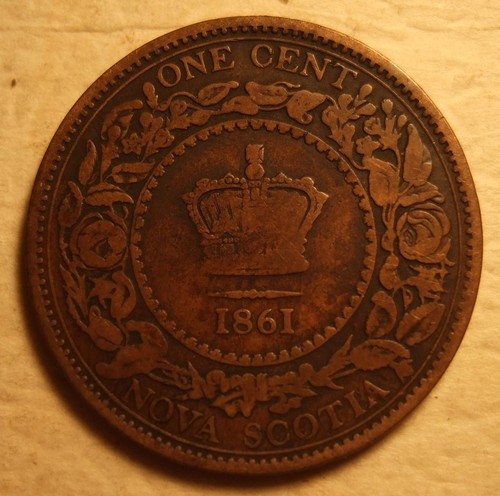
Nova Scotia One Cent
1861-1864
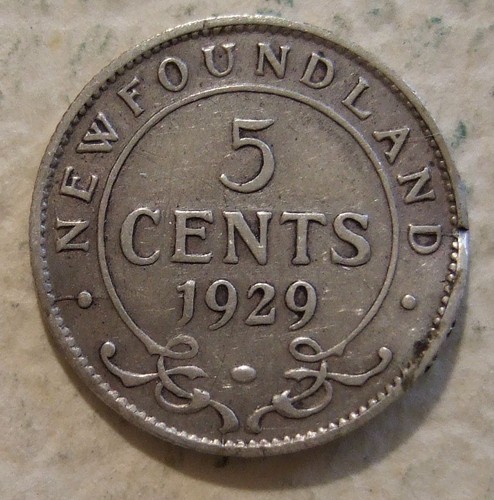
Newfoundland Five Cents
1865-1947
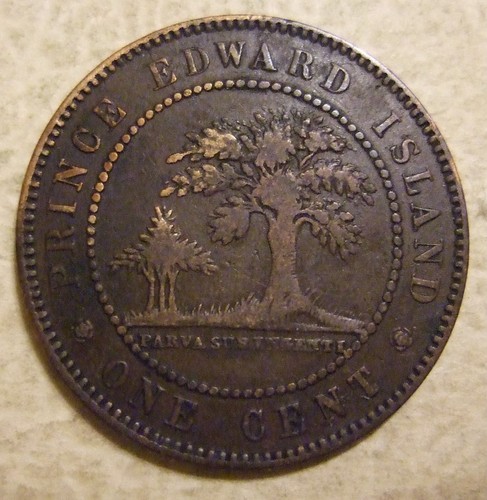
Prince Edward Island One Cent
1871
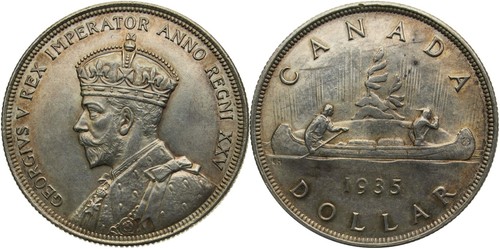
Canadian Silver Dollar
1935
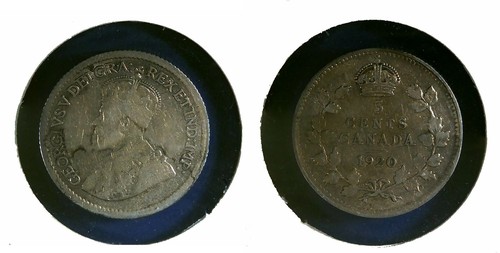
Canadian Five Cents (Nickel)
1937–present (beaver reverse; example shown: 1987)
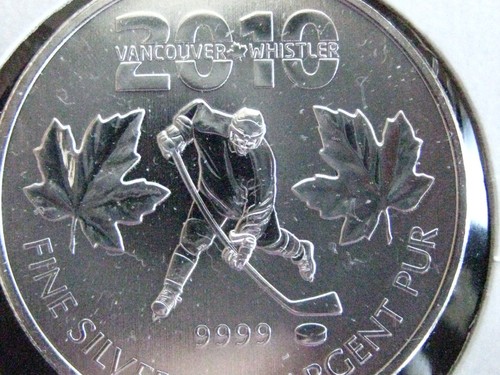
Olympic Hockey Commemorative Dollar
2010
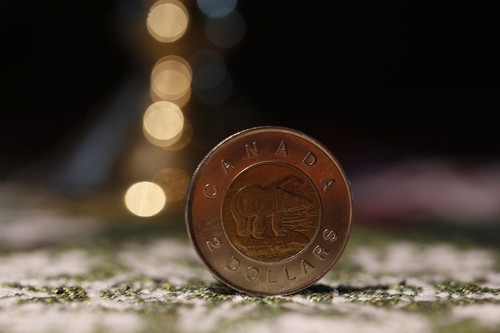
Canadian Two Dollar (Toonie)
1996-present
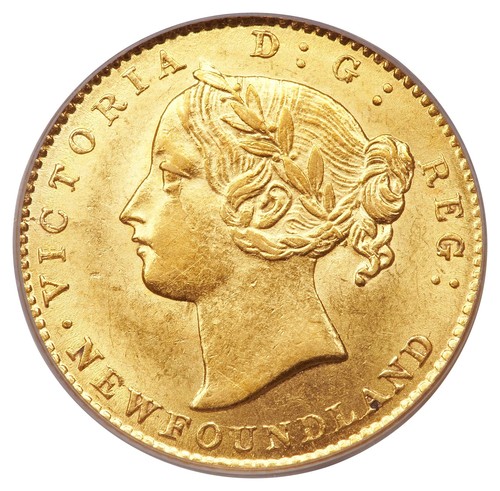
Newfoundland Two Dollars
1865-1888
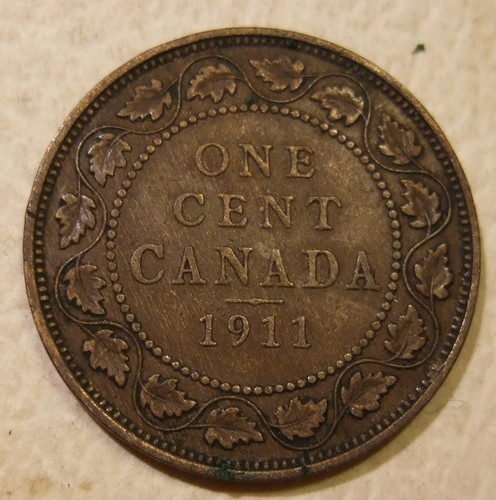
Canadian One Cent
1858-1920 (large cent series); example dated 1911
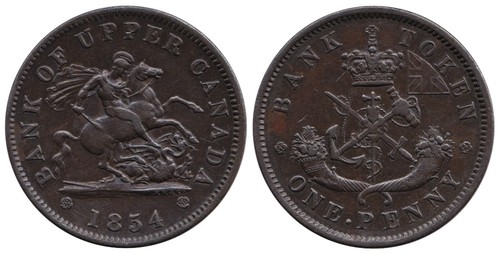
Bank of Upper Canada One Penny Token
1850-1857