
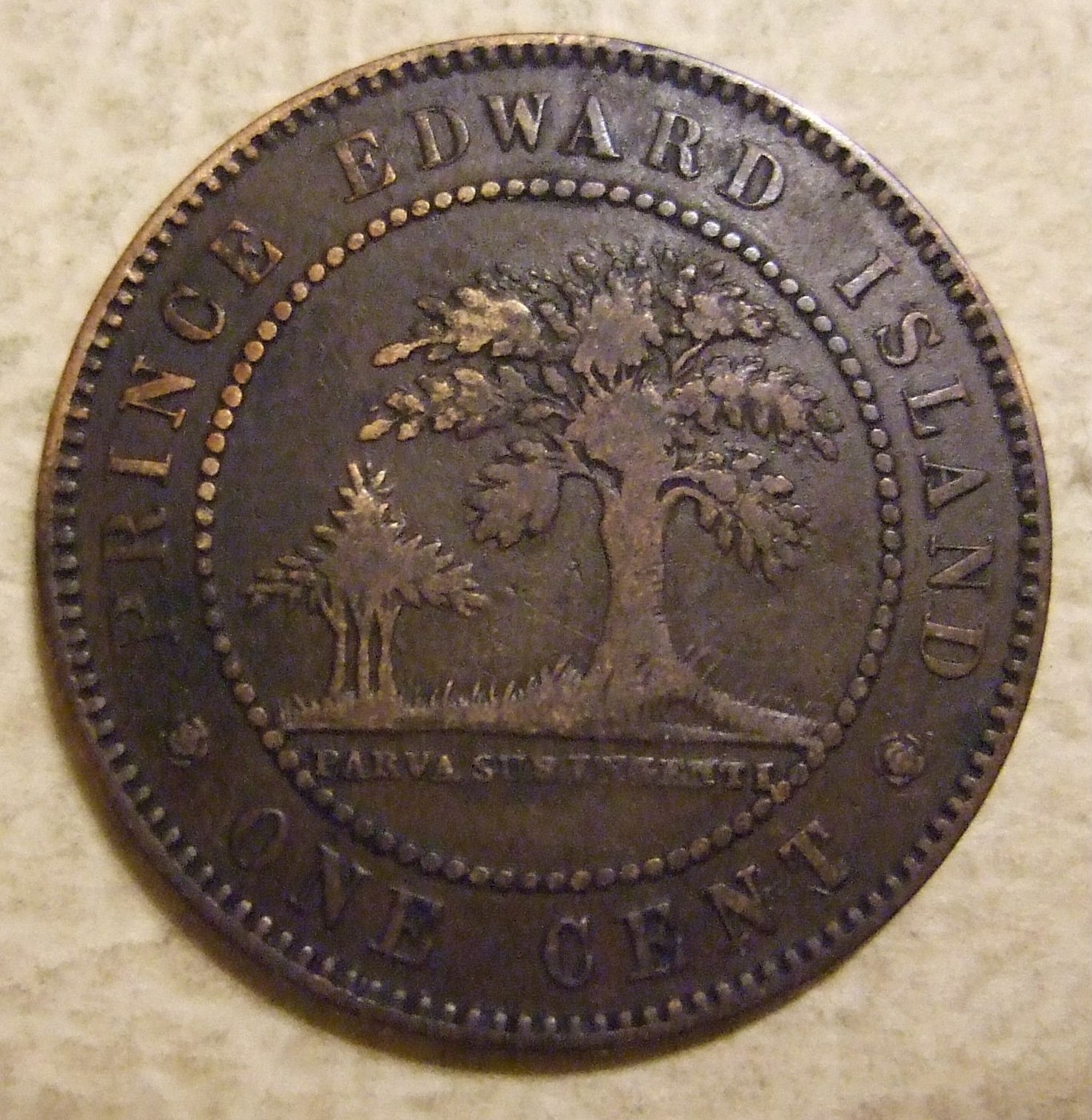
Prince Edward Island One Cent
Bronze one-cent coin struck in 1871 for the colony of Prince Edward Island, with Queen Victoria on the obverse and the island's name and date on the reverse.
- Country
- Canada
- Denomination
- 1 Cent
- Metal
- Bronze
Got a coin like this?
Identify any coin from a photo, free.
Overview
The Prince Edward Island one cent is a bronze coin issued in a single year, 1871, for what was then the separate British colony of Prince Edward Island. The obverse shows a bust of Queen Victoria facing left with a legend naming her as queen, read on this example as VICTORIA D.G. REGINA; the reverse carries the words PRINCE EDWARD ISLAND, the date 1871 and an ornamental design built around the island's colonial emblem.
It is a large-cent-sized piece, roughly 25 mm across and struck in bronze, comparable in size and metal to the contemporary Canadian and British large cents. The coin was the island's own decimal cent, made for everyday small change in the years just before the colony joined the Dominion of Canada.
Because it was produced in a single year for a single small denomination, the 1871 cent is a self-contained, one-year type that is popular with collectors of Canadian and provincial coinage. Large numbers were struck, so it survives in quantity and is collected as an affordable piece of pre-Confederation history rather than as a rarity.
History & Background
In the mid-nineteenth century Prince Edward Island was a British colony separate from the Province of Canada, and in 1871 it adopted a decimal currency of dollars and cents. To provide small change it ordered a bronze one-cent coin, which was struck outside the colony at a British mint and shipped across the Atlantic; the entire coinage was dated 1871.
The coin's design reflects the island's identity: Queen Victoria on the obverse as the reigning monarch, and on the reverse the island's name with an emblematic design associated with its colonial seal. This was the only coin the colony ever issued in its own name, making the single year 1871 the whole of Prince Edward Island's coinage history.
Production was short-lived because events moved quickly. Prince Edward Island entered the Canadian Confederation in 1873, after which its separate currency was folded into the national system and the island's cent was gradually replaced in commerce by Dominion of Canada coinage. The 1871 cent therefore marks a brief window of colonial monetary independence just before the island became a Canadian province.
How to Identify
Look for a bronze coin about 25 mm in diameter—the size of a large cent rather than a small modern penny. The obverse shows a left-facing bust of Queen Victoria surrounded by a legend identifying her as queen; on this example it reads VICTORIA D.G. REGINA. The portrait and legend alone place the coin in the Victorian era.
The reverse is what confirms the type. It plainly names PRINCE EDWARD ISLAND and carries the date 1871, arranged around an ornamental emblematic design and the denomination. Any bronze cent-sized coin bearing the words PRINCE EDWARD ISLAND and the single date 1871 is this issue; there is no other year to consider, so the date on a genuine piece will always be 1871.
The metal is bronze, giving a warm brown tone when the surfaces are original. Confirm the diameter is that of a large cent, check for the full PRINCE EDWARD ISLAND legend, and be aware that heavily worn examples can lose fine detail in the portrait and emblem while still showing the unmistakable island name and 1871 date.
Value & Collectibility
The 1871 Prince Edward Island cent was struck in large numbers and survives in quantity, so in worn and moderately circulated grades it is an affordable, readily available coin. It is collected as an accessible one-year type and a tangible piece of pre-Confederation Canadian history rather than as a scarce rarity.
As with most copper and bronze coins, value rises sharply with condition. Pieces that retain sharp portrait and emblem detail, full legends and original surfaces are far more desirable, and genuine uncirculated examples—especially those with original red or red-brown color—command strong premiums and are much scarcer than well-worn survivors.
Because condition and originality drive the price so strongly, compare any piece you believe is high grade against a current catalogue or auction records, and have unusually well-preserved or lustrous examples assessed by a specialist. Cleaning and artificial toning both reduce value, so original surfaces matter.
Frequently asked questions
What is the Prince Edward Island one cent?
It is a bronze one-cent coin issued in 1871 by the British colony of Prince Edward Island, showing Queen Victoria on the obverse and the island's name and date on the reverse. It was the colony's only coin.
Why is it dated only 1871?
The cent was struck in a single year, 1871, the whole of the colony's coinage. Prince Edward Island joined Canada in 1873, after which its separate currency was replaced by Dominion coinage, so no other date exists.
What is the coin made of and how big is it?
It is bronze, about 25 mm across—the size of a contemporary large cent rather than a modern small penny. Original examples show a warm brown tone.
Is the 1871 Prince Edward Island cent rare?
No. It was struck in large numbers and is common in worn grades, so it is affordable. Real premiums come from high grade and original color, not from the type itself.
Is this coin Canadian?
It was issued by Prince Edward Island while it was still a separate British colony, two years before the island joined the Dominion of Canada in 1873, so it is a pre-Confederation provincial issue.
Prince Edward Island One Cent guides
In-depth guides for identifying, valuing, and collecting Prince Edward Island One Cent.
Other coins you may enjoy
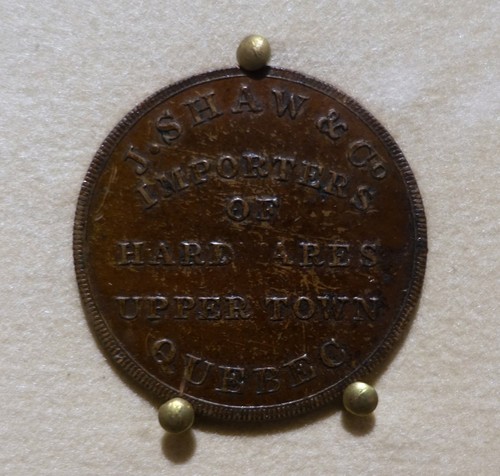
J. Shaw & Co. Hardware Token
circa 1850s
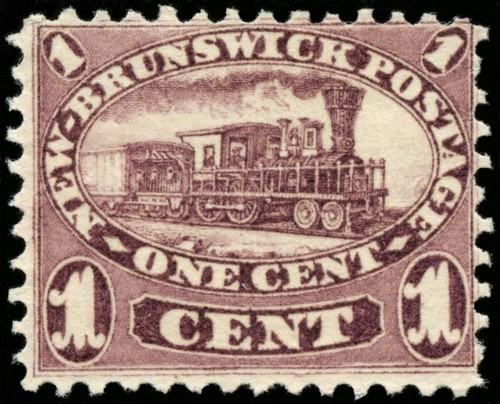
New Brunswick One Cent
Dated 1860 (locomotive token type)
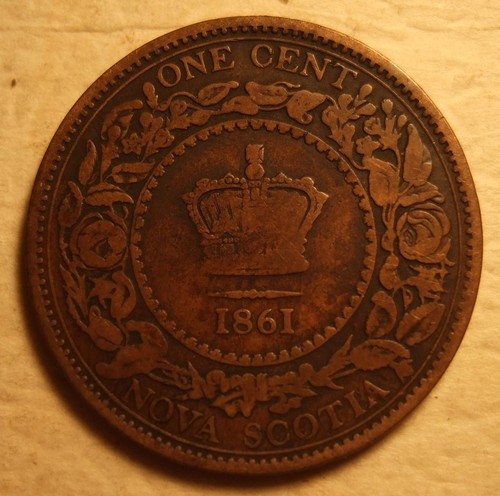
Nova Scotia One Cent
1861-1864
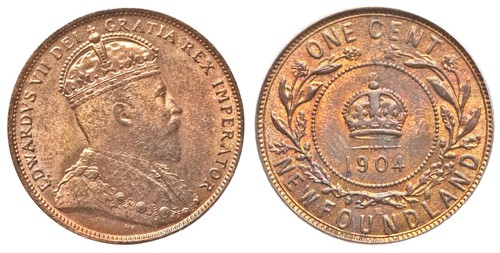
Newfoundland One Cent
1865-1936
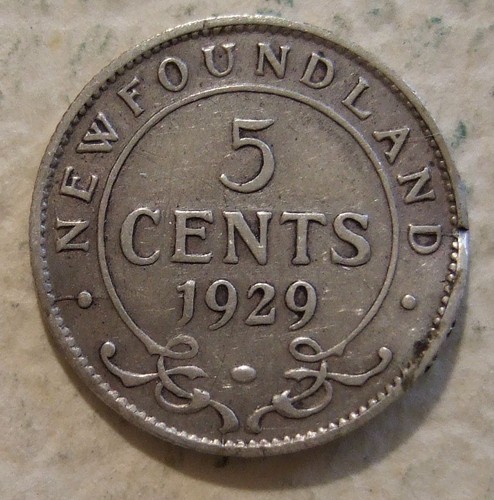
Newfoundland Five Cents
1865-1947
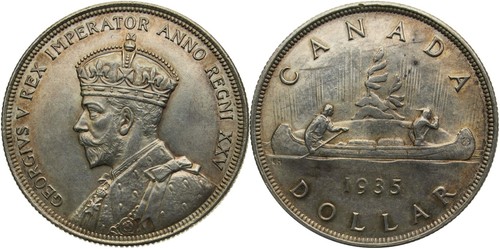
Canadian Silver Dollar
1935
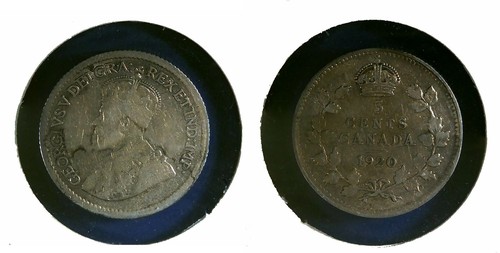
Canadian Five Cents (Nickel)
1937–present (beaver reverse; example shown: 1987)
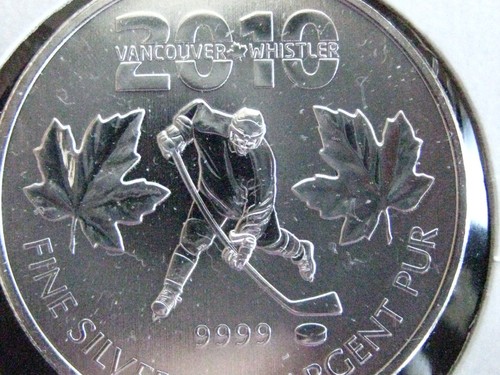
Olympic Hockey Commemorative Dollar
2010
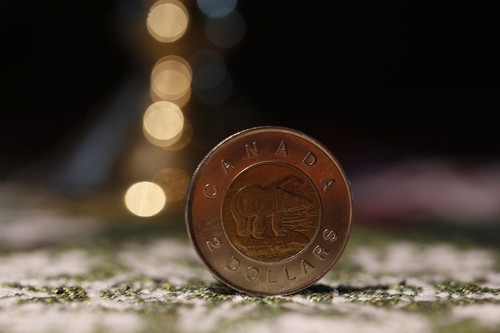
Canadian Two Dollar (Toonie)
1996-present
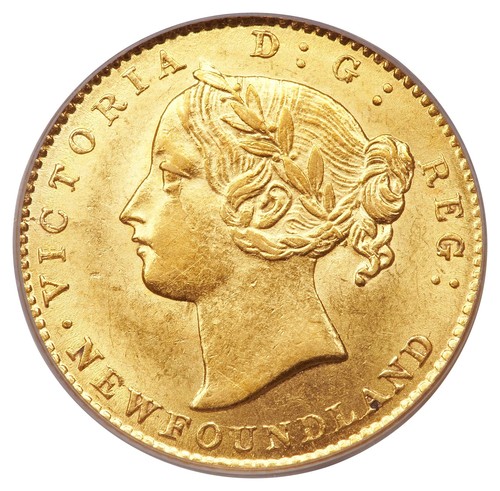
Newfoundland Two Dollars
1865-1888
Canadian One Cent
1858-1920 (large cent series); example dated 1911
Bank of Upper Canada One Penny Token
1850-1857