
How to Identify the Canadian Two Dollar (Toonie)
Collector checks for the Canadian toonie: bimetallic body, bear reverse, size and weight, monarch portrait, and error cautions.
Read the full Canadian Two Dollar (Toonie) encyclopedia entry →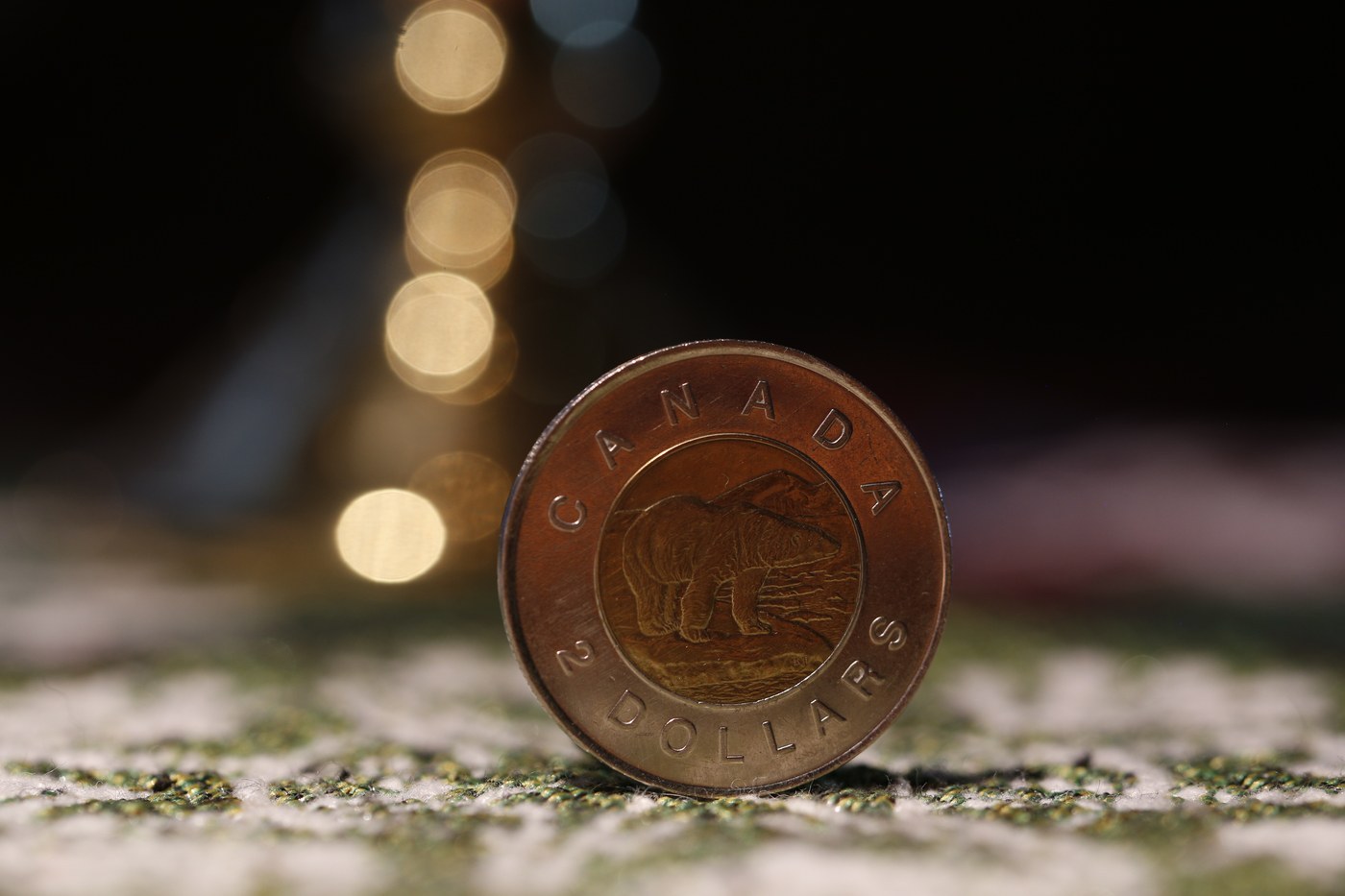
Begin with the coin's most obvious trait, the bimetallic construction. A toonie has a lighter outer ring bonded to a darker central core, producing a distinct two-tone appearance. If a Canadian coin of similar size is a single colour, it is not a toonie. Pair this with the CANADA 2 DOLLARS legend and the standing bear design to confirm the denomination.
Measure and weigh the coin as a cross-check. The toonie is about 28 mm in diameter and roughly 7 grams, clearly larger and heavier than the golden-coloured, 11-sided loonie. It is round with a smooth-appearing edge on early issues; coins from 2012 onward may carry fine edge lettering as a security feature. A coin that is undersized, magnetic in an unexpected way, or shows a loose or misaligned core deserves closer scrutiny.
Check the portrait side to place the coin in time. Circulation toonies covered here show Queen Elizabeth II facing right with a Latin legend such as ELIZABETH II D.G. REGINA. The specific effigy style changed across the reign, and coins struck after the reign will instead show King Charles III, so the portrait helps date and attribute the piece. Read the year on the design side to pin down the exact issue.
Watch for look-alikes and variants. Many countries produce bimetallic coins of similar diameter, so always confirm the CANADA legend and denomination rather than relying on the two-tone look alone. The Royal Canadian Mint has also issued numerous commemorative reverses and special collector editions (coloured, silver, gold), which differ from the standard bear but remain legitimate toonies; identify these by their design and any edition markings.
Finally, exercise caution before assuming rarity. Genuine mint errors, such as missing cores, rotated cores, or die varieties, do occur and can be valuable, but altered and damaged coins are often mistaken for them. Compare weight and dimensions to the standard, inspect the core-to-ring seam under magnification, and have any apparent error or scarce variety authenticated by a reputable dealer or grading service before relying on it.
Frequently asked questions
How do I tell a toonie from a loonie?
The toonie is a round, two-tone bimetallic coin about 28 mm across reading CANADA 2 DOLLARS. The loonie is a single-colour, golden, 11-sided one-dollar coin. Size, shape, and the two-tone body make them easy to separate.
Does the toonie have a mint mark?
Not in the traditional branch-mint sense. Royal Canadian Mint issues are identified by date and design rather than a mint-mark letter, though later coins add security features like edge lettering.
What should a genuine toonie weigh and measure?
About 7 grams and roughly 28 mm in diameter, with a bimetallic ring-and-core body. Significant deviation in size, weight, or a loose or misaligned centre is a warning sign worth investigating.
How can I tell a real error from a damaged coin?
True mint errors show characteristics from the striking process, such as a cleanly missing or rotated core, while post-mint damage looks like wear, tooling, or force. When in doubt, get a professional opinion before assuming value.